

Have you ever noticed a plane circling in the sky before landing? These circular paths, known as holding patterns, let pilots wait safely while air traffic controllers manage other incoming flights. In a holding pattern, the plane follows a set loop until it gets the go‑ahead to land. This simple system keeps the skies organized and helps prevent mid‑air mix-ups. Thanks to holding patterns, air travel stays safe and orderly for everyone.
Holding Pattern Aviation: Clear Airspace Efficiency
A holding pattern is a racetrack-like flight path set around a navigation point (fix). Pilots use it to stay safely in the air while they wait for landing clearance or their turn in the sequence. This maneuver keeps planes within a protected area of airspace.
The pattern has key parts: a fix, an inbound leg leading towards the fix, an outbound leg heading away, a set altitude, and a specific time or distance for the outbound leg. For many light aircraft, this outbound leg lasts about one minute. If a plane is faster or flying at a different altitude, the timing might need a little tweak.
You’ll see these holds on published IFR charts, like approach plates or Standard Terminal Arrival Routes (STARs). Sometimes, Air Traffic Control will assign a hold near a navigation aid just to help manage busy skies. The protected airspace is designed under FAA TERPS guidelines (safety rules for airspace design). It includes not just the main holding area but also a 2 nautical mile-wide buffer. This buffer size might change based on factors such as the distance from the fix, the plane’s altitude, speed, and slant range.
In Instrument Flight Rules (IFR) conditions, holding patterns are essential. They give pilots a clear and organized path while waiting for further instructions. Flying a hold properly helps keep traffic flowing and reduces the risk of in-air conflicts. For example, when a pilot aligns with the inbound leg, it helps maintain clear airspace for everyone.
Why Aircraft Enter Holding Patterns in IFR Flight
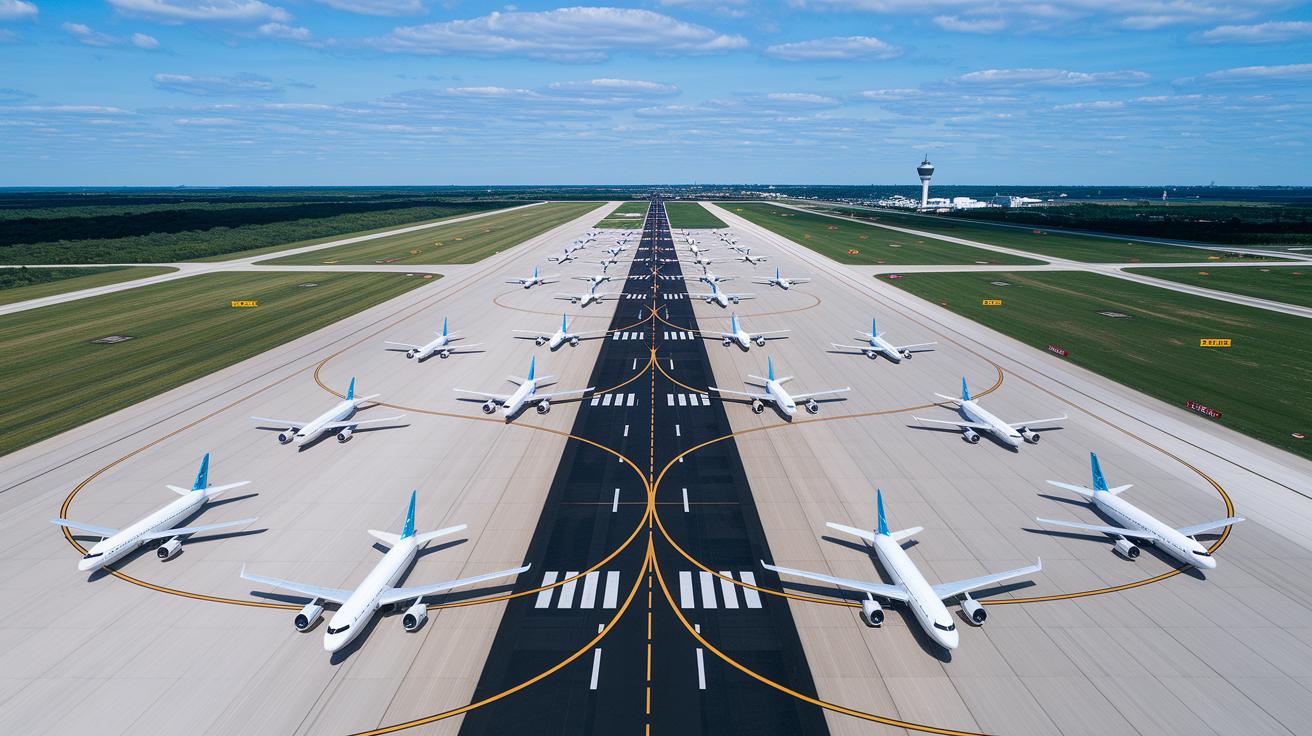
Planes fly in holding patterns for several important reasons during IFR flights. One big reason is traffic management. When too many planes are arriving for one runway, holding helps air traffic controllers line them up safely and smoothly.
Here are the main reasons:
-
Traffic management: Holding patterns keep planes organized when many are waiting to land. For example, a busy airport may use several holds to space out incoming flights.
-
Obstacle or weather avoidance: When weather shifts suddenly or obstacles appear near the runway, holding gives pilots a safe place to wait until conditions improve.
-
Runway changes or closures: If an airport changes or closes a runway unexpectedly, pilots remain in a hold until a new landing path is set up.
-
Emergency procedures: In an emergency, a hold can give a pilot extra time to fix a problem or work with maintenance teams to sort things out.
-
Pilot-initiated planning: Sometimes pilots ask for a hold as part of their in-flight planning. This pause lets them check alternate landing options without losing clearance.
Each of these steps helps manage risks and keep proper distances between planes. By following these holding procedures, pilots lower the chance of conflicts in busy skies.
Standard Holding Pattern Procedures and Charted Holds
When pilots are cleared for a "hold as published," they must follow the exact racetrack path shown on their charts. This path is detailed on approach plates, STAR charts (arrival procedures), or en-route charts. The chart shows a key point known as the fix (the center of the hold), the flight path going toward it (inbound leg), and the outgoing path (outbound leg) given by time or distance. For example, a pilot might check the chart and say, "The inbound course is 045°. The hold uses a one‑minute outbound leg with the turns as published, at an altitude of 3,000 feet."
Charted holds are designed using FAA TERPS criteria. This system sets up a primary protected area around the fix and adds a 2 nautical mile buffer zone for extra safety. This buffer is determined by the distance from the fix to the navigation aid, the slant range (the direct distance from the aid), altitude, speed, and the location of nearby holds. All the important details, fix identification, inbound course, outbound leg length, turn direction, and holding altitude, are clearly shown in the published procedure. This gives pilots one clear, easy-to-follow guide.
Entry Techniques for Holding Pattern Aviation

Direct Entry
In a direct entry, you stick to the published outbound course. Once cleared, you fly straight to the waypoint where the published path meets the holding pattern. At that point, you smoothly turn back in toward the fix. The key is to stay on course so you don’t add extra turns. For example, a pilot might say, "I'm flying straight out and will turn back in at the right moment."
Parallel Entry
A parallel entry means you start by flying the reciprocal course first. Then you make a turn so you fly parallel to the hold before turning back in. This method works well when you're within four nautical miles on the side that isn’t set up for holding. It helps you use your current position and make proper wind corrections. A pilot might check the instruments and say, "I'm on the reciprocal now, then I'll shift to parallel for a safe entry."
Teardrop Entry
With a teardrop entry, you fly outbound at an angle, usually between 30° and 45°. This allows you to intercept the outbound leg of the hold before turning back in toward the fix. This approach is useful when you cannot line up directly with the course. It requires a quick calculation of the turn and a confident application of standard rate turns.
| Entry Type | Method Description | Ideal Conditions |
|---|---|---|
| Direct Entry | Fly outbound along the published path then turn inbound | When the aircraft naturally aligns with the published course |
| Parallel Entry | Fly the reciprocal, then adjust to a parallel path before turning inbound | When within 4 NM on the non-holding side |
| Teardrop Entry | Fly outbound at a 30°-45° angle, then turn inbound | When direct alignment with the course isn’t possible |
Wind Corrections and Timing in Holding Patterns
Wind corrections are a key part of holding patterns. When pilots fly a hold, they adjust the time on the outbound leg to make up for wind. If there's a headwind, the plane's ground speed drops. Pilots then shorten the outbound leg so the pattern stays on schedule. With a tailwind, the plane moves faster, so they lengthen the leg to avoid reaching the fix too early.
Crosswinds add another twist. They can push the plane sideways, so pilots make small changes in direction to keep the aircraft over the set fix. Light aircraft often fly a one‑minute outbound leg. Faster or higher-flying planes need a longer time to remain safely in the race track pattern.
Before each flight, quick reciprocal calculations and thorough briefings help pilots adjust for changing conditions. By carefully managing speed and wind, pilots keep the plane within safe boundaries and on the right schedule.
Regulatory Guidelines and Safety Considerations for Holding Pattern Aviation
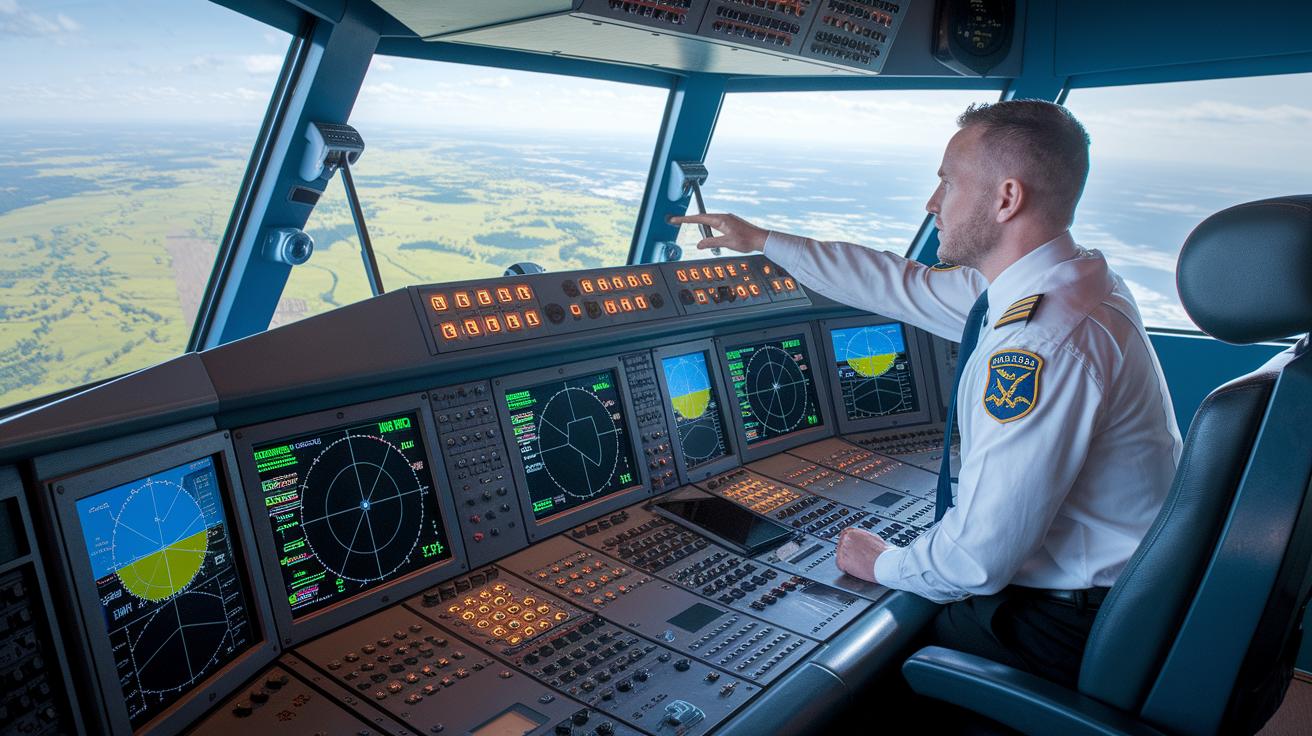
The FAA Instrument Flying Handbook and AIP ENR 1.5 set clear rules for holding speeds. For flights below 6,000 feet, pilots should keep their speed near 200 knots indicated airspeed (KIAS). Between 6,001 and 14,000 feet, speeds must not exceed 230 KIAS. These limits help keep airplanes safely apart in protected airspace. In Europe, the European Aviation Safety Agency uses similar standards based on TERPS (rules for airport approach procedures), ensuring holds remain inside a main area with an extra 2 nautical mile buffer.
Air Traffic Control (ATC) clearances use very specific terms. They mention the fix (the specific point in the sky), the radial or set course, the direction of turn, the leg time or distance, and the holding altitude. For example, a controller might say, "Hold at the ABC fix on the 090 radial, left turns, one-minute legs at 3,000 feet." Using clear phrases like these cuts down on miscommunication during critical moments.
In busy skies, clear communication is key. Pilots follow these rules to adjust their flight paths, especially when making wind corrections or joining a holding pattern. Sticking to the airspeed limits keeps the aircraft in the safe zone and lowers the risk of conflicts. Keeping the right altitude and consistent timing on each leg helps the hold work as it should, managing traffic smoothly.
Controllers stress these guidelines to keep everyone safe. With strict airspeed limits, defined buffer zones, and clear ATC instructions, pilots can operate with confidence. Following these standards meets regulatory requirements and boosts a pilot’s credibility during both check rides and regular flights.
Simulation and Training Tools for Holding Pattern Mastery
Flight simulators and virtual training modules help pilots practice key techniques like entries, wind corrections, and timing. These hands-on tools create real-life flight scenarios that let pilots fine-tune their hold procedures. For example, during a simulated teardrop entry, a pilot might remark, "I'm flying this hold as if it were a real check ride," which boosts both accuracy and confidence.
Digital hold calculators and mobile apps step in to compute exact leg distances, timing, and proper headings (the direction given by navigational instruments). They let pilots try out different wind conditions and adjust turns as needed. One mobile simulation might prompt, "Enter the current wind speed and direction to see your adjusted outbound leg," making it clear how weather affects flight paths.
Scenario-based exercises also sharpen decision-making during unexpected events. These drills mimic surprising air traffic control instructions or sudden equipment issues, preparing pilots for the real demands of flying. Many pilots say that regular practice on these platforms makes them feel ready for evaluations. This blend of digital and hands-on training builds a strong foundation in holding procedures, ensuring pilots can keep airspace clear and handle high-pressure situations safely.
Final Words
In the action, this article broke down the basics of a holding pattern, covered charted holds with clear entry techniques, and explained wind corrections and regulatory guidelines. We examined how holding pattern aviation helps manage air traffic and maintain safety. Practical training tools and simulation demos were highlighted to build confidence in real-flight scenarios. The information here supports smarter decision-making and smoother travel experiences. Moving forward, these insights promise a friendly boost to both operational understanding and stress-free journeys.
FAQ
What is a holding pattern in flight and for a plane?
A holding pattern in flight is a predefined racetrack-shaped route that aircraft follow to remain safely positioned while awaiting clearance or sequencing instructions from air traffic control.
How is a holding pattern entry performed?
A holding pattern entry is executed using direct, parallel, or teardrop techniques based on the aircraft’s position relative to the fix, as detailed on published approach charts.
How long is the IFR holding pattern?
An IFR holding pattern typically uses a one-minute outbound leg for light aircraft, though leg timing may be adjusted for wind conditions to maintain correct positioning within the protected airspace.
What are the 5 T’s holding procedures?
The 5 T’s in holding procedures help pilots manage key aspects including turn, timing, track, throttle, and technique. They standardize actions to keep holds safe and controlled during IFR operations.
What is the standard holding pattern leg length?
The standard leg length is usually defined by a one-minute outbound time for light aircraft, with distance adjustments made based on airspeed and wind to keep within the designated protective area.
How do non-standard holding patterns differ from standard patterns?
Non-standard holding patterns vary in leg length or angle from published holds and are used based on specific air traffic control instructions or local procedural requirements.
What are some examples of holding instructions?
Holding instructions may include flying to a specific fix, following an inbound course, maintaining a set outbound leg time, turning in the prescribed direction, and flying at an assigned altitude for safe separation.
How is holding time determined in aviation?
Holding time is based on the published leg timing—often one minute for light aircraft—with pilots making wind-related adjustments to ensure the aircraft remains within the protected airway during the holding pattern.
Why might pilots use holding pattern entry practice?
Pilots engage in holding pattern entry practice to master direct, parallel, and teardrop entries, ensuring they can precisely follow published holds and maintain orderly traffic flow under IFR conditions.