

Ever wondered if your flight today will work the same tomorrow? New technology in aviation is changing how flights run. Airlines now use tools like artificial intelligence (AI, which helps predict maintenance needs) to keep planes safe and smooth. These advances can help lower costs and boost efficiency both in the cabin and on the runway. With solid investments behind these innovations, air travel is steadily getting better for everyone.
Aviation Market Forecast: Trend Analysis of Emerging Technologies
The worldwide aviation market is expected to grow from USD 343.54 billion in 2025 to USD 395.76 billion by 2030. That works out to a steady annual growth rate of 2.87%. This growth comes from strong demand and ongoing investments in new technologies. Airlines and airports are working hard to boost safety and efficiency by using next-generation tools, which makes many industry experts optimistic about the future.
Key technology areas such as AI/ML (artificial intelligence and machine learning), digital identity and biometrics, sustainable propulsion, IoT networks (internet-connected devices), and immersive training tools are at the heart of this change. These innovations help improve everything from real-time flight adjustments and regular maintenance checks to smoother passenger processing and more effective training simulations. Analysts expect that some segments, like operations for electrically powered vertical takeoff and landing (eVTOL), could grow by around 4% per year, while others, like digital cockpit solutions, might see a growth rate of 2.5% per year over the same period. For more details on aviation technology, visit this link.
Experts piece together this trend analysis by reviewing past records, building forecast models, and gathering insights from industry leaders. They combine market surveys, company financial reports, and regulatory updates to create a clear picture of upcoming changes. The overall message is that emerging technology is slowly but surely making its way into daily aviation operations, focusing on cutting costs and increasing efficiency for a better travel experience.
AI and Machine Learning Trend Analysis in Aviation: Sky Gains

Predictive Maintenance and Agentic AI
Airlines today use AI and machine learning tools to check equipment and plan maintenance before problems grow. These smart systems can lower unexpected issues by about 15%. One model even monitors engine data live and spots problems early. Imagine getting a warning just minutes before a fault happens. This saves expensive downtime and makes flights safer. The method also shortens repair time and helps manage spare parts better across the fleet.
Agentic AI boosts efficiency further by connecting planning, ground work, and in-flight systems. It works on its own to coordinate tasks so that everything runs smoothly. For example, one scheduling tool managed both crew assignments and gate allotments at once. Picture an AI that coordinates every small detail on the ground and in the air. This coordination cuts down on mistakes and keeps schedules in sync, saving time and enhancing reliability.
Digital Twins and Simulation Technologies
Digital twin systems now create live virtual copies of airplanes to keep an eye on performance. They share continuous updates on things like fuel use and engine health. New simulators that learn as they go give pilots realistic practice that adjusts to their actions. In one case, a simulator even changed its challenge based on a pilot’s reactions. Imagine a system that adapts on the fly, ensuring training stays relevant and effective every time.
These simulation tools go beyond training. They help with flight planning and spotting issues before they develop into problems. Adaptive simulators now work with digital twins to predict and fix performance issues early. Mixing simulation with real-world data leads to smarter, data-driven decisions. Picture a training session that changes based on live aircraft data, making the experience feel like actual flight. This hands-on approach keeps pilots ready and boosts overall safety in a fast-changing world.
Sustainable Aviation Innovations Trend Analysis
Electric and hybrid aircraft are changing the way we travel. For example, Joby Aviation plans to offer short air-taxi rides of 10–20 minutes, reaching speeds of 200 mph over about 150 miles by 2026. At the same time, AIR rolled out its first ready-to-fly eVTOL in December 2025 and plans to add 18 more next year. These moves show that electric and hybrid systems are quickly shifting from tests to everyday flights, offering cleaner skies and less dependence on traditional fuel.
Sustainable Aviation Fuels (SAFs) are also making a big impact. SAF can lower carbon emissions by up to 80% compared to regular jet fuel. Airlines are now using SAF because new rules and mandates push them to adopt greener practices. This fuel not only helps the environment but also promises long-term savings on fuel costs. It is a key part of reshaping how the industry uses fuel and builds a greener future.
Carriers are also updating their fleets to include these green technologies. New aircraft purchases now favor models that use electric or hybrid systems. By weighing long-term fuel costs, savings in operations, and positive environmental impact, airlines are investing in sustainable trends. This shift is driven by faster eVTOL rollouts and strict SAF blending requirements.
| Technology | Emissions Reduction (%) | Deployment Year |
|---|---|---|
| Sustainable Aviation Fuels | 80 | 2026 |
| Hybrid Aircraft Technology | 50 | 2027 |
| Electric Propulsion Systems | 60 | 2026 |
| eVTOL Aircraft | 30 | 2026 |
Digital Transformation, Connectivity, and Smart Aviation Systems Trend Analysis
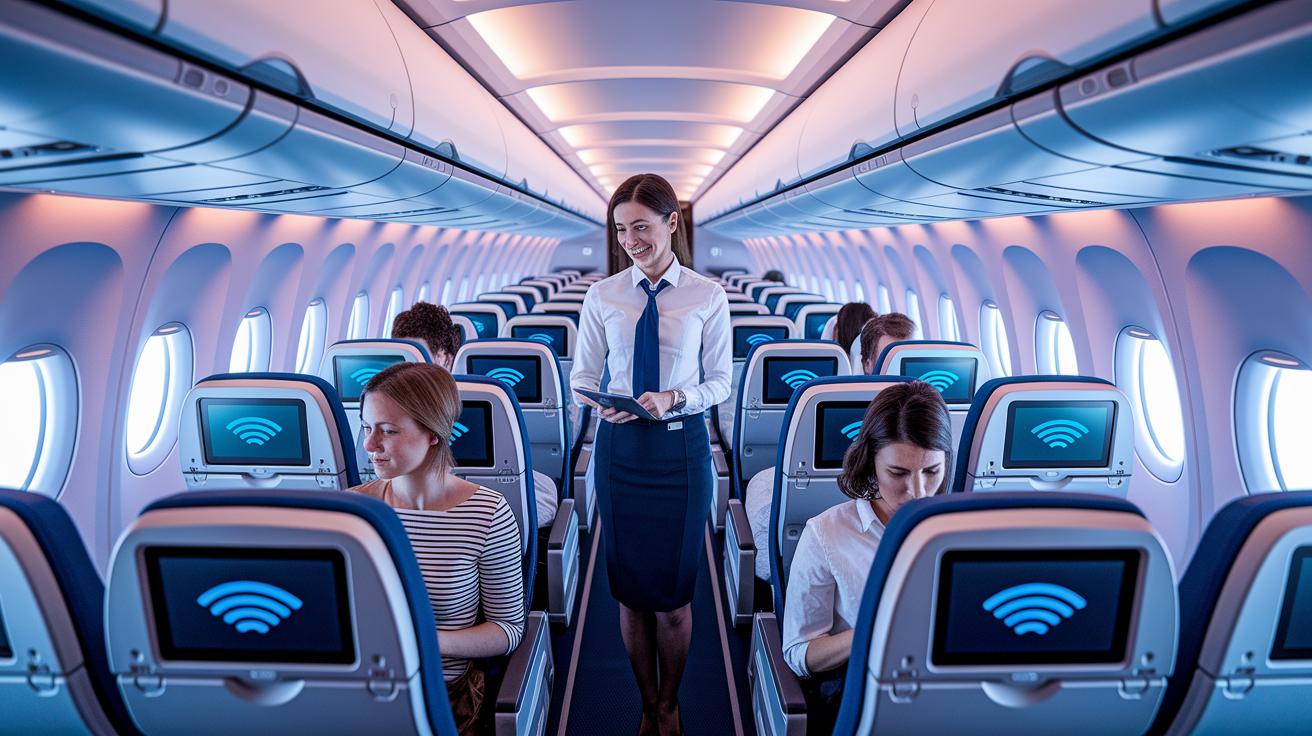
Airlines and airports are quickly turning to digital tools that change how they work and improve the travel experience. New in-flight Wi-Fi and advanced data systems are now part of everyday operations. These tools offer faster connections, smoother video calls, and safer flights thanks to real-time updates. Digital innovation is making work easier and helping everyone make smarter decisions across the aviation world.
In-Flight Connectivity and Entertainment
Wi-Fi has come a long way. Today, airlines upgrade their systems to support more streaming and seamless work online. Passengers can comfortably use their devices, knowing that improved connections mean smoother video calls and faster downloads. One airline even boosted its bandwidth by about 25%, making video calls clearer and downloads quicker.
Entertainment is getting a digital makeover too. Modern in-flight screens now let you choose content that fits your taste, turning long flights into a more engaging experience. This shift not only boosts comfort but also helps airlines offer special deals while you fly. Overall, smart entertainment options give each traveler a personal touch in the air.
IoT and Private Wireless Networks
Airports are using smart sensors and private wireless networks to run more smoothly. These tools track luggage, monitor ground equipment, and check environmental conditions in real time. By using this data, airports can predict maintenance needs and cut down unexpected delays. In one busy hub, these networks helped reduce turnaround times by about 20%, making the flow of flights much smoother.
Wireless networks also keep everything secure. They connect various systems and let ground crews respond quickly to any issue. With reliable private networks, data from different sources flows seamlessly, letting airports stay agile and handle any hiccup without delays.
Satellite Communications and Ambient Intelligence
New satellite communication upgrades keep the link strong between aircraft and control centers all over the world. These improved connections provide steady, real-time up-to-date information, which is key for safety. Airlines now rely on these systems for regular updates on weather, flight paths, and airspace changes.
Ambient intelligence is another smart tool that connects devices directly. With this setup, systems can adjust flight operations and ground support without manual intervention. This means that if a change is needed, both airports and airlines can update schedules and operations instantly. The result is a smoother, always-on coordination between the plane and the ground.
Remote Tower Solutions and Smart Airport Operations
Remote tower solutions are changing how airports are managed, especially in quieter facilities. These systems use video, sensor data, and secure networks to handle airfield operations from a central location. This reduces the need for personnel on site, lowers costs, and keeps flights safe. Controllers get clear, integrated views that help them manage traffic even at smaller airports.
Smart airport operations now use a mix of remote control systems and digital data from various sources. This integration makes scheduling dynamic and resource management more efficient. The result is a robust system that not only keeps operations safe and on time but also sets the stage for future improvements in airport services and the passenger experience.
Cybersecurity and Regulatory Trend Analysis in Aviation Technologies
Digital technology is changing the way we fly, and with these changes comes a new focus on cybersecurity. Today, aircraft systems, airport networks, and passenger information face risks from hackers. Cyber-attacks can cause flight delays, safety issues, and lost revenue. Airlines and airports must act early to guard against these new threats with careful monitoring and smart security plans.
The European Aviation Safety Agency is stepping up to help. It has released a clear cybersecurity plan and started a consultation for an AI trust framework aimed at 2025. This plan asks everyone in aviation to think about the human side of new tech and stick to ethical rules. Its advice helps companies update their security methods to match fast-changing digital risks.
On the other side of the pond, FAA rules now require airlines to build strong cybersecurity programs. These programs include regular checks for weak spots and plans to handle any cyber incidents. Airlines need to update their security plans often to meet strict rules. This careful approach helps keep flight operations safe and efficient by ensuring that both data and real-time systems stay secure.
Future Outlook: Next-Generation Technology Trends in Aviation

Quantum computing will change how we design airplanes. It can solve tough problems very fast. Combined with digital twins (virtual copies of real systems), this tech gives us live insights on how planes work and when they need repairs. It also opens the door to air traffic control systems that are more open to change. Imagine a system that not only mimics flight conditions with great accuracy but also finds the best routes to trim delays and save fuel. AI tools will join forces with quantum systems to build a rich data pool, making pilotless flights and remote checks a normal part of travel.
Urban air mobility networks and self-flying systems will further transform aviation over the next decade. Picture drones and air taxis flying above busy streets, offering quick rides and fast cargo delivery. Pilotless operations are already stepping in for routine tasks, which can lower costs and boost safety. Remote monitoring will let controllers adjust these networks on the fly as conditions change. Experts expect these advances to roll out over the next ten years, promising urban skies that run as smoothly and smartly as our modern city streets.
Final Words
In the action, the post offered a quick look at growth figures, tech segments and expert methods driving the aviation market. It covered key areas from AI/ML and sustainable propulsion to digital transformation and cybersecurity. The insights help explain how each area contributes to smoother travel operations. Readers now have a solid sense of shapers like digital centers and simulation tools. This emerging technology trend analysis in aviation sets the stage for smarter travel choices ahead.
FAQ
What are some technological advancements and emerging trends in the aviation industry?
The technological advancements in aviation include next‑gen systems like AI/ML, digital identity tools, IoT networks, and smart simulation tools. These innovations boost efficiency and spark fresh ideas for air travel.
What is aviation technology?
Aviation technology refers to the tools, systems, and innovations that support flight operations. It covers everything from aircraft design and digital cockpit systems to modern connectivity solutions.
What is the future of aviation technology and how do career and education opportunities fit in?
The future of aviation technology promises growth with digital twins, sustainable propulsion, and other breakthroughs. As demand grows, specialized schools and career paths are expanding to meet industry needs.
What are aviation technology companies?
Aviation technology companies design and supply modern systems such as AI‑driven diagnostics, digital cockpit tools, and connectivity solutions that improve safety, efficiency, and customer experience.
How does aviation technology intersect with fields like aerospace engineering, transport, construction, and health care?
Aviation technology influences aerospace engineering, transport, construction, and health care by introducing innovative solutions that improve operations, safety, and service delivery across these varied sectors.