

Ever feel like your fleet just won't settle down? Modern fleet management uses smart technology to keep every move in check. It blends AI analytics with real-time data to catch potential hazards before they turn into problems. Picture a control room that watches every acceleration, braking, and turn. This approach helps lower costs and makes operations safer and more efficient. Read on to see how telematics and smart tools are transforming fleets into finely tuned machines.
Advanced Fleet Management: Core Components and Capabilities
Advanced fleet management combines modern technology and smart systems to keep a constant watch on your vehicles while cutting costs. It relies on AI-powered analytics to turn raw sensor data into clear insights that help managers spot issues and boost performance. Real-time tracking gathers details like acceleration, braking, speed, and GPS location so you always know what's happening. For example, sudden drops in speed might signal a potential hazard on the road.
Automated workflows and predictive tools work side by side to make operations smoother. When systems detect unusual fuel transactions during proactive checks, fleet managers can quickly step in to stop losses. The Tourmo AI platform merges telematics with AI video, offering in-cab guidance that keeps drivers safe and helps them make on-the-spot adjustments. This unified data system lays the groundwork for smart decision-making in fleet management.
By putting all these tools into one system, digital transformation in fleets makes it easier to track everything from vehicle performance to regulatory compliance. Streamlined operations naturally drive down costs, and these efficient systems are useful for industries ranging from passenger transport and goods delivery to auto parts, construction, oil and energy, and even waste management. With data-driven management, fleet operators can face modern challenges with smarter, safer, and more cost-effective operations.
Advanced Telematics Integration in Fleet Management

Telematics systems are now at the heart of fleet management. They bring together devices like IoT sensors, dashcams, and other tools to give detailed insights about each vehicle. These gadgets capture key information, where a vehicle is, how fast it's going, its acceleration, and even its braking. Imagine a dashcam catching a sudden hard brake; an alert goes off right away to warn of a potential safety issue. This live monitoring helps managers keep everything running smoothly.
Integrated into these systems are tools like ELD (electronic logging device), MVR (motor vehicle record), and HOS (hours of service) systems. They make logging driver hours automatic and help fleet operators meet safety rules with less paperwork. By combining these tools with new tracking technology, fleet managers get a system that turns raw sensor data into clear, actionable insights.
Automated data processing adds extra efficiency. It offers smart driving analysis, like scoring how much greenhouse gas a vehicle produces, which supports green initiatives. This information not only points out areas where things can be improved, it also helps managers make decisions that boost overall fleet performance. With these intelligent systems in place, fleet managers have full visibility and control, letting them quickly respond to any issues while keeping an eye on safety and performance.
Advanced Fleet Management Predictive Maintenance Systems
Predictive maintenance systems use smart data to spot problems before they turn into big issues. They work by checking sensor readings in real time, so unusual engine vibrations or rising oil temperatures are caught early. Imagine a dashboard that gives a heads-up about a possible engine sensor glitch, taking action now can stop a costly breakdown later.
Remote diagnostics and VIN tracking tools add another layer of help. They let technicians check issues and review a vehicle's history without needing to see it in person. This means repairs can start sooner, cutting downtime. The sensor data supports both routine upkeep, small fixes done before problems happen, and quick fixes when something unexpected comes up.
Data from 2022 to 2023 shows that these analytics can really boost a fleet’s return on investment. One study even found that switching from diesel models to electric vehicles saved up to €32,000 in repair and maintenance costs. This approach not only cuts vehicle downtime but also helps extend the life of valuable assets and keeps repair bills in check.
Automated predictive repair scheduling makes it even easier to plan maintenance. It shortens turnaround times and helps large operations stay on top of costs while keeping their fleets running smoothly.
Advanced Route Optimization for Fleet Management

Using data to plan routes slashes wait times and sharpens delivery schedules. Advanced algorithms look at traffic, weather, and delivery windows to map out the fastest, most efficient paths. For example, you might get a live notice: "Reroute to avoid a 20-minute delay due to heavy traffic." This change saves both time and fuel right away.
Real-time tracking boosts this efficiency even more. Fleet management software keeps a steady watch on each vehicle's location, speed, and acceleration. If a sudden road closure or other issue pops up, the system quickly recalculates a new route that fits customer needs and matches the type of truck, whether it's a local delivery vehicle or a big long-haul rig.
Modern routing technology goes far beyond basic GPS. It uses deep analysis to factor in weather shifts and current customer demands. The result is fewer delays, reduced fuel use, and lower operating costs. In short, fleets get faster transit times and improved customer satisfaction.
| Consideration | What It Means |
|---|---|
| Traffic, weather, and vehicle type | Live updates help the system adjust routes quickly |
Fuel Efficiency and Cost Optimization in Advanced Fleet Management
Modern fuel management systems use telematics (technology that gathers data from sensors) to track how your fleet uses fuel. Sensors monitor how fast vehicles accelerate, how long they idle, and how hard they brake. This data helps flag driving habits that use too much fuel. For example, an alert may sound when a driver accelerates too quickly, so managers can quickly fix the problem.
Fleet fuel cards also make life easier by logging each fuel purchase automatically. These cards help smooth out buying processes, unlock discounts at many fuel stations, and provide detailed reports on fuel spending. Automated checks then spot any unusual fuel transactions to make sure every purchase matches what was truly used, which helps avoid fraud.
The insights from this data help managers coach drivers to improve their habits. Real-time alerts tell drivers when to avoid long idling and to use smoother acceleration. As a result, fuel use drops, vehicles need less maintenance, and overall operating costs go down.
Key benefits include:
- Fast detection of inefficient driving
- Easier fuel expense tracking
- Fewer suspicious fuel transactions
- Real cost savings from better driving habits
By adding these smart technologies into everyday operations, fleets become more efficient and profit margins grow.
Driver Behavior Monitoring in Advanced Fleet Management
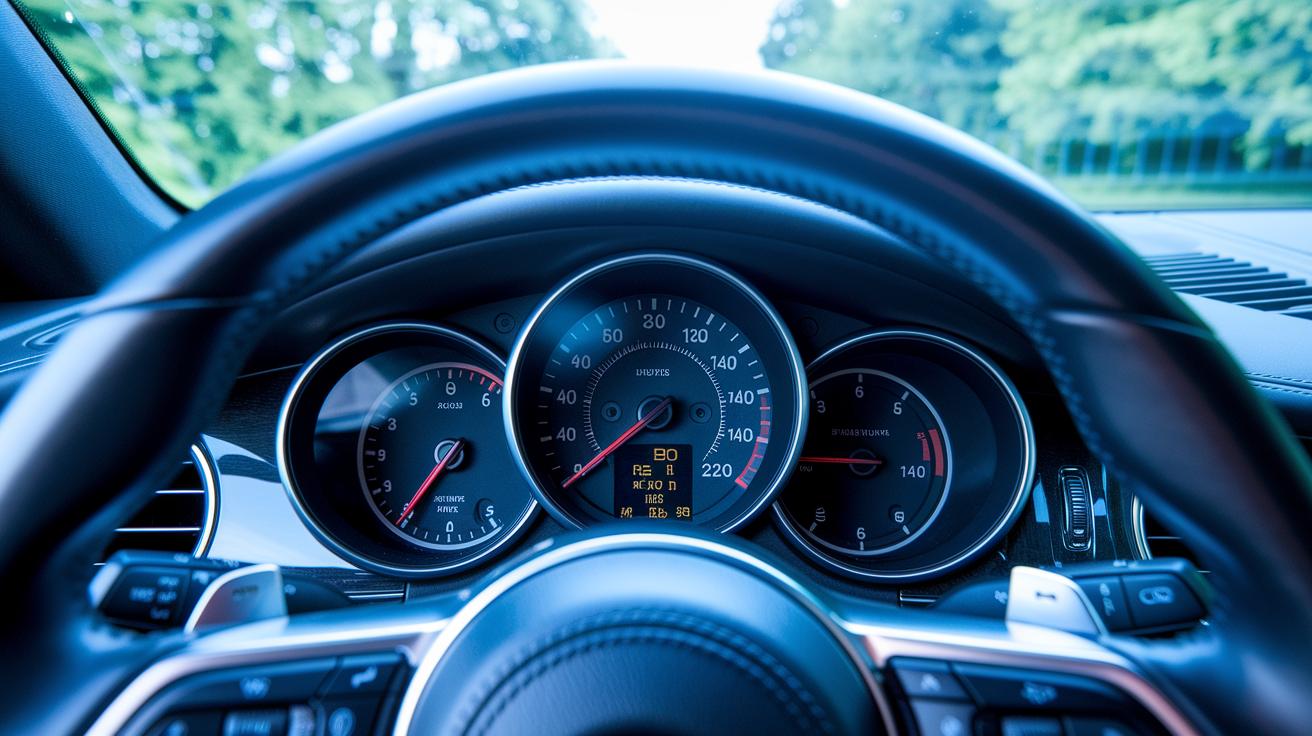
Real-time systems watch drivers for actions like speeding, hard braking, and quick acceleration. If a driver goes over the limit, an alert fires immediately. For example, an alert might say, "Speeding detected at 75 mph in a 55 mph zone." This helps managers step in fast to fix risky driving and lower accident chances.
Dashcams and vehicle sensors work together to build clear driver reports. These reports show how each driver behaves behind the wheel. Often, drivers get a scorecard after a week of driving, highlighting areas like smoother braking.
Automated safety processes jump into action when something unsafe happens. They can instantly set up a safety training session or send out useful tips. This way, the focus on safe driving never wavers.
Ongoing monitoring also keeps everyone in line with safety rules and customizes training plans. Managers use the data to adjust lessons so each driver meets the safety standards while keeping accident rates down. Regular, automated feedback forms the heart of a strong, data-driven safety program.
Compliance and Regulatory Solutions for Advanced Fleet Management
Fleet management software now comes with powerful tools that make handling regulatory paperwork a breeze. With electronic logging and hours-of-service (HOS) systems (which keep track of how long drivers work), fleets stay in line with FMCSA and local rules. Maintenance schedules and digital inspection records cut down audit risks by keeping clear logs of every vehicle's care. Automated reporting tools simplify submitting these records, so managers can dodge fines with quick, clear reports. Built-in alerts, like one that says "Inspection due in three days," keep teams on track with deadlines. Whether it's local delivery, passenger transit, or specialized services, these systems offer a clear, unified view of compliance data. In short, fleets can manage risks better and run smoothly while always meeting regulatory standards.
Software Integration and Data Platforms for Advanced Fleet Management

Cloud-based systems now bring together telematics, maintenance, fuel, and compliance in one easy-to-use platform. This means fleet managers can keep an eye on all key details from a single screen. Imagine using a mobile app that shows real-time fuel use, alerts for scheduled maintenance, and reminders about compliance, all at once.
Custom dashboards provide real-time key performance indicators (KPIs) and automated reports so every team member stays in the loop. Managers can quickly spot trends, like reduced vehicle performance or higher fuel consumption, by checking clear charts and graphs. For example, a quick note might say, "Engine temperature up by 15% – check cooling system," which helps the team act fast.
Big data analytics and machine learning (computer systems that learn from data) help make better decisions. They sort through large amounts of fleet data and pick out patterns that might otherwise be missed, such as warning when a vehicle part might fail. This smart approach not only makes work simpler but also prevents expensive downtime.
With built-in monitoring, fleets have improved control and efficiency. Mobile apps let managers check on their vehicles and adjust plans from anywhere. In short, this integrated approach helps fleets run smarter every day.
Case Studies and Industry Trends in Advanced Fleet Management
Advanced fleet management is changing the way companies handle vehicle lifecycles in many parts of supply chains. For example, Vienna is on track to switch its mail service entirely to electric vehicles by the end of 2025. This major shift proves that using greener vehicles is not only good for the environment but also a smart move for setting industry trends. Some fleet operators say that switching from diesel to electric saves them up to €32,000, showing clear benefits in cost control and efficiency.
Data-driven fleet strategies are also lifting return on investment. Recent numbers from 2022 to 2023 reveal better sustainability scores and smarter day-to-day decisions. Yes, some electric vehicles may lose up to 23% of their range compared to official figures, and cars with advanced driver assistance systems can see insurance costs jump by 40%. Still, these issues are pushing the industry toward new tech fixes. More and more fleet managers now rely on advanced software to track vehicle performance, plan maintenance ahead of time, and choose the best routes. A simple note might read, "Engine alert: cooling system check recommended." These real-world details show that leveraging modern technology makes fleet operations not only more efficient but also more reliable.
Final Words
In the action, this article mapped how advanced fleet management reshapes operations with AI analytics, real-time telematics, and integrated software. We reviewed predictive maintenance, dynamic route planning, fuel monitoring, and driver behavior tracking. Automated compliance tools and digital dashboards keep managers informed while cutting costs. Each element works together for a streamlined, efficient process that benefits large-scale operations. The case studies and industry trends we shared point to a brighter, more proactive future in fleet oversight. Keep moving forward with this smart, cost-effective approach.
FAQ
FAQ
What does Advanced Fleet Management do?
The term Advanced Fleet Management means a suite of services that uses AI, telematics, and predictive analytics to boost fleet efficiency, cut costs, and improve vehicle oversight.
What is Advanced Fleet Management Branchville?
The reference to Branchville highlights a specific location where Advanced Fleet Management services are offered, serving regional fleets with the same data‑driven tools and operational benefits.
What do reviews say about Advanced Fleet Management?
Reviews of Advanced Fleet Management indicate its strong use of real‑time analytics and automated workflows, which help fleet operators save on costs and streamline maintenance and compliance.
What are AFM trucks, cars, and the AFM fleet?
The mention of AFM trucks and cars refers to the vehicles managed under Advanced Fleet Management’s program, which delivers integrated telematics and predictive insights for better fleet operations.
Are fleet vehicles for sale through AFM?
The phrase fleet vehicles for sale often points to offerings where Advanced Fleet Management provides optimized vehicles that meet high standards in safety and efficiency for fleet operators.
What do Advanced Fleet Management photos display?
Advanced Fleet Management photos typically show fleet vehicles, technology setups, and dashboard visuals that illustrate the system’s modern telematics integration and comprehensive operational tools.