

Have you ever thought your next flight might feel like a step into the future? Picture fast internet and smart tools that adjust the lights and temperature just for you. Airlines are using new tech to make your trip smoother and more enjoyable. With systems like Starlink satellite internet (which means a strong connection even high above the clouds), your flight gets a cool upgrade. This piece explains how these innovations are making in-flight service friendlier and more personalized, giving you a travel experience that really lifts your spirits.
Transforming Inflight Service with Future Technologies
Inflight technology is moving fast. Airlines now use Starlink satellite Internet to give you strong, high-speed connections. This upgrade goes well beyond basic Wi‑Fi. In fact, 77% of travelers say good connectivity is a top factor when choosing an airline. With these improvements, passengers stay connected, informed, and entertained even at 35,000 feet.
Airlines are rolling out a mix of new tools that combine advanced communication with smart automation. They use artificial intelligence to adjust cabin lighting, temperature, and entertainment in real time based on passenger feedback and current conditions. This smart use of data makes each flight smoother and more personalized.
New robotic systems and sensor tools are also making a big impact. Automated food delivery and real‑time cabin monitoring help keep operations running efficiently without sacrificing safety or a personal touch. This blend of technology boosts efficiency and creates a warm, memorable inflight experience, as seen on platforms like inflight service.
Next-Generation Connectivity Trends in Inflight Service
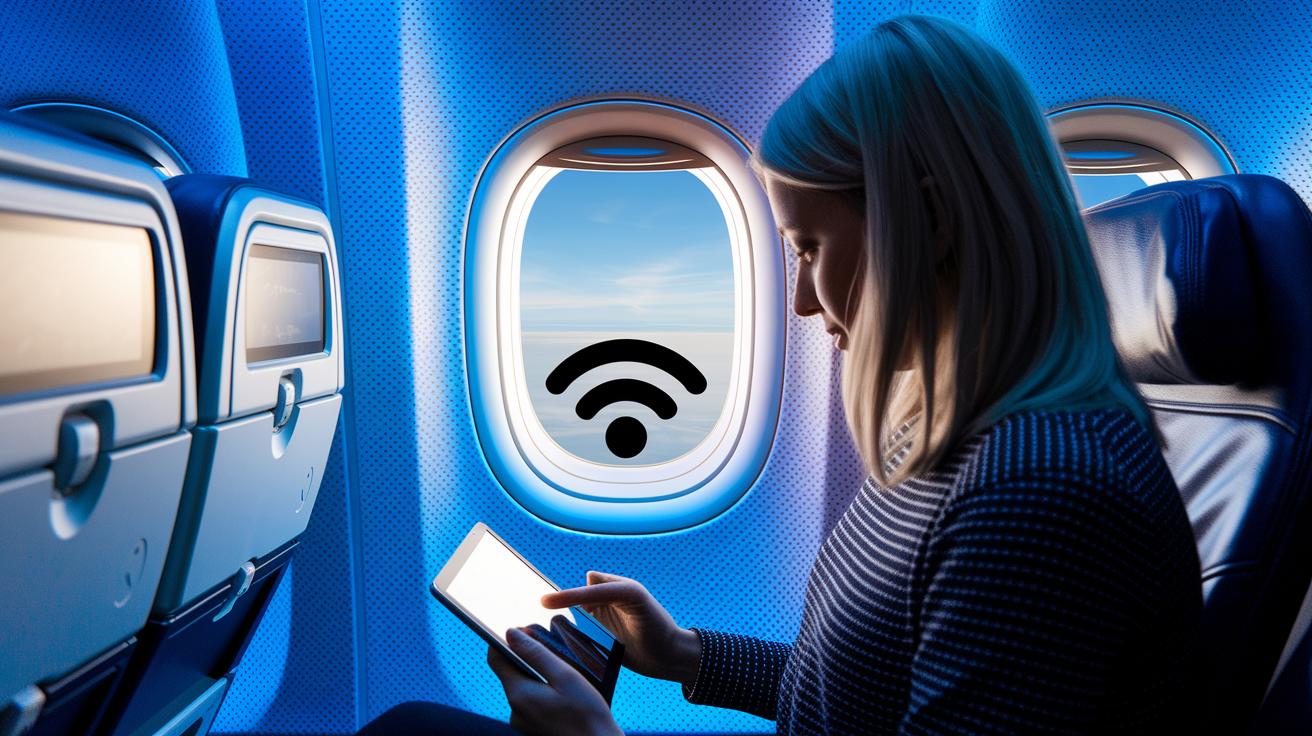
Passengers now expect fast, reliable internet on every flight, with 77% saying onboard Wi‑Fi is a top priority. Thanks to Starlink satellite internet, flights are getting a big boost in speed at high altitudes. But sometimes, speeds on the ground don't keep up with what people need.
Airlines are already exploring new options like 5G broadband and systems that mix seatback entertainment with high-speed internet. These improvements look set to offer smooth connections even when technical problems pop up.
| Connectivity Technology | Benefits | Challenges |
|---|---|---|
| Starlink Satellite | High-speed connection at altitude | Slower speeds on the ground |
| 5G Broadband | Faster and more responsive | Coverage gaps |
| Hybrid IFE-Internet Systems | Better onboard entertainment tied with internet | System integration issues |
These new systems pave the way for a smoother in-flight experience. By putting together satellite, 5G, and hybrid options, airlines are seizing a big chance to upgrade their services. This mix not only tackles current problems but also lets airlines offer custom services and live updates, boosting both passenger happiness and overall efficiency.
AI and Automation Elevating Inflight Service Quality
Airlines are using advanced AI systems to improve more than just the cabin atmosphere. New predictive maintenance tools monitor sensor data in real time, catching small issues before they turn into bigger problems. For example, one airline spotted an unusual engine vibration with its AI model, prompting a quick pre-flight check that kept the schedule on track. AI chatbots now help passengers in multiple languages with booking changes and live flight updates.
- AI chatbots offer quick help for passengers
- Cabin controls automatically adjust the environment
- Entertainment systems pick shows and movies to match personal tastes
- Predictive alerts stop small issues from causing delays
New smart cabin systems are also personalizing the travel experience. They adjust seating comfort and in-flight services based on passenger feedback. Some airlines are testing voice-activated controls and data-driven tweaks to boost both convenience and flight safety.
Role of Robotics and IoT in Inflight Service Innovation
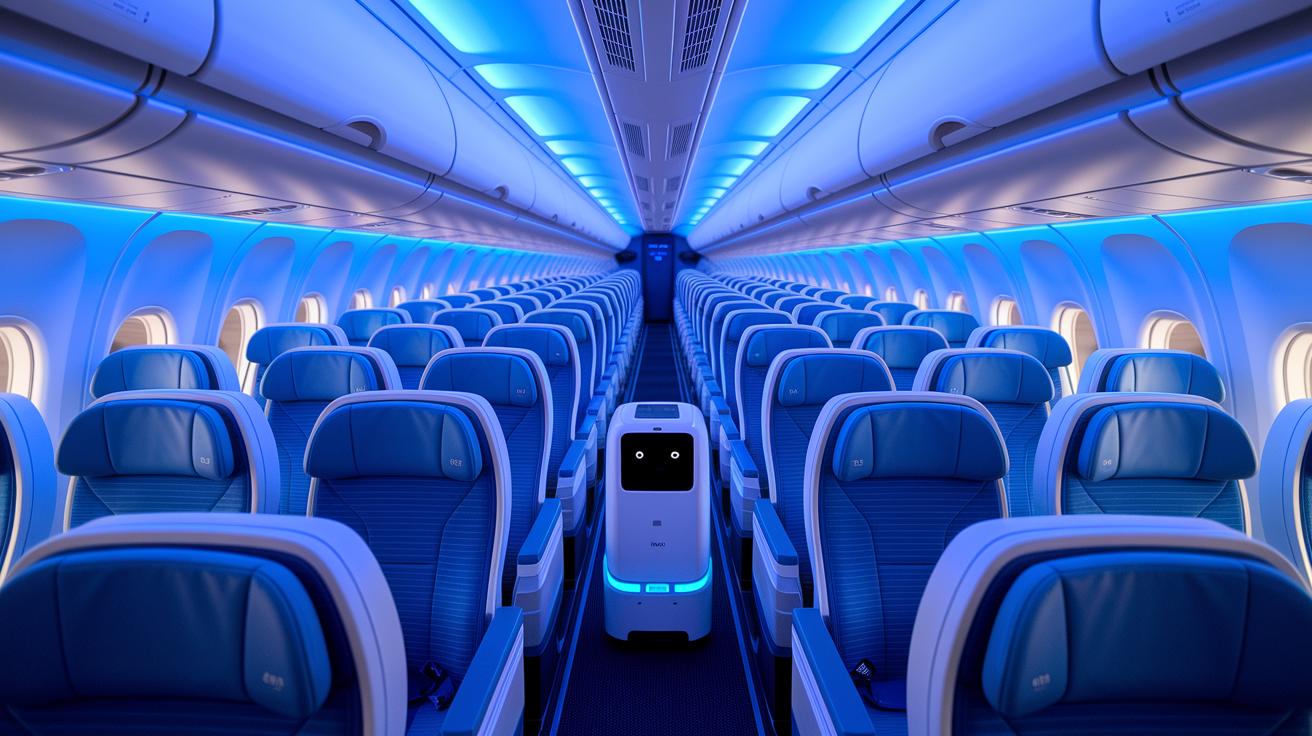
Airlines are now using robots and IoT devices to ease everyday tasks. Robots handle things like delivering meals and cleaning seats, which lightens the crew’s workload and speeds up service. Meanwhile, sensor networks keep an eye on the cabin by checking temperature, lighting, and any issues that pop up.
In 2022, the aviation IoT market was worth $7.4 billion, and it’s expected to grow to $50.9 billion by 2031. This near 24% annual growth shows that airlines are serious about boosting efficiency, keeping seats clean, and ensuring passenger safety. They’re even fine-tuning systems so that if a spill happens, a cleaning robot is triggered right away.
Sensors that spot spills can immediately signal a robot to jump in and clean up, which means less disruption for everyone onboard. Robots also help get meals to passengers right on time, while IoT data gives a better overall view of the cabin. Together, these smart tools are changing inflight service for the better, making flights more comfortable and responsive.
Emerging Inflight Entertainment and Immersive Technologies
Inflight entertainment began with simple film projections on TWA flights using Super 8mm systems. By the 1990s, on-demand video let passengers pick what to watch instead of following a fixed schedule. Today, airlines mix traditional seatback screens with modern streaming services. This combination turns every flight into a mini digital theater where you can choose your own entertainment.
New tools like VR and AR headsets along with mixed-reality displays are changing the game. For example, spatial computing tools like the Apple Vision Pro (devices that blend digital content seamlessly with real surroundings) offer interactive experiences. Passengers can now join live shows or explore digital travel guides, making the onboard experience both fun and immersive.
Experts predict that the inflight entertainment market will top $12 billion by 2030 as airlines keep investing in advanced technology. Robust security features and strong encryption protect passenger data while delivering high-quality content. As these systems develop, every flight becomes a mix of cutting-edge digital engagement and personalized cabin comfort.
Data Analytics and Personalization Strategies for Future Inflight Service
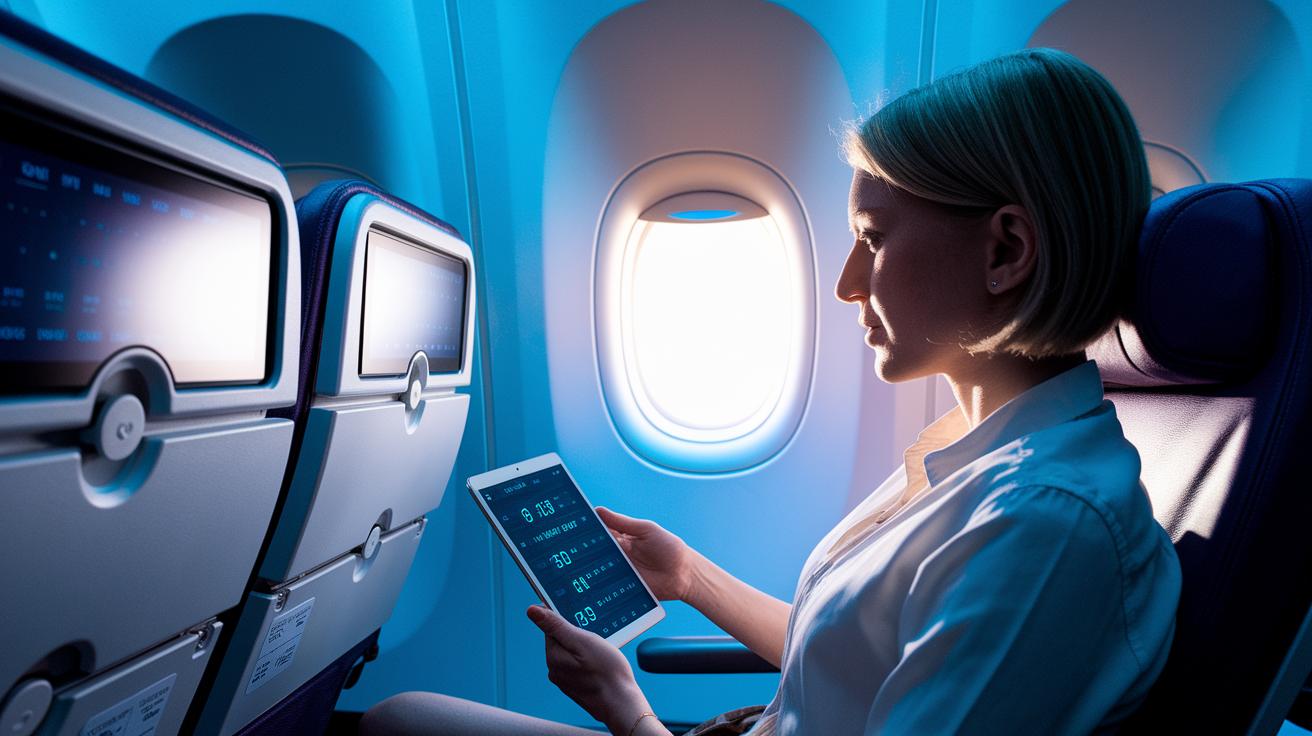
Airlines are upgrading onboard experiences by using data from apps and sensors. Real-time analytics adjust the cabin's lighting, temperature, and entertainment based on what passengers tell them. For instance, if you love a certain ambient glow when you read, the system can set the light just right as you settle in.
Using these insights, airlines tailor meal choices and cabin settings to match each passenger's preferences while cutting down waste. This smart tweak not only speeds up service during the flight but also makes the experience more satisfying. It's a clear example of how data-driven changes can truly enhance your journey.
Challenges and Regulatory Considerations for Deploying Future Inflight Technologies
Airlines are working through tough tech issues as they add new inflight technology. Inflight Wi‑Fi still struggles with security and reliability, which can mean weak connections or slower operations. New systems that update on the fly need proper certification and extra encryption (ways to protect data) to keep passengers and operations safe. Regulators are also cautious. They require detailed checks when new frequency bands and satellite services come into play, often leading to slow approval processes. This means airlines must innovate quickly and carefully.
Cost issues add another layer of challenge. High fees for certification and integration can push back when new tech rolls out. Both regulators and airlines need to balance keeping safety standards high while moving forward with new systems. New rules that speed up approval and ensure solid cyber protection (keeping data safe in real time) are key. Working together in the industry is crucial to overcome both money and technical problems.
Aligning with international standards is also a major concern. Merging innovative technology with older systems takes careful planning. Airlines should be ready for delays caused by regulatory checks and compatibility tests. Clear rules and open talks between regulators and airlines can ease these delays. A joint, steady effort will help make these new systems safe and reliable for everyone.
Final Words
In the action, this post showed how advanced connectivity, AI-powered automation, robotics, and immersive entertainment are reshaping onboard travel. It covered everything from satellite-based Wi‑Fi and adaptive cabin controls to smart personalization and regulatory hurdles.
The insights provided highlight how these technologies can smooth travel and reduce stress. By keeping an eye on data analytics and real-time updates, travelers can make better choices. It’s clear that future technologies in inflight service will bring a brighter, more responsive travel experience.
FAQ
What future technologies in inflight service 2023 will transform the experience?
Future inflight service will use satellite internet, AI, robotics, and IoT to improve efficiency, safety, and comfort for travelers.
What future airport technology can travelers expect?
Future airports will integrate smart security, automated check-ins, and biometric systems, along with enhanced connectivity, to create a smoother travel experience.
How are emerging aviation technologies shaping the future of commercial aviation?
Emerging aviation tech, like high-speed connectivity, AI-driven systems, and automation, will streamline operations, boost safety, and enhance comfort in commercial flights.
What does the future travel experience phone number refer to?
The future travel experience phone number represents dedicated, instant support channels that airlines may offer to help travelers quickly resolve questions and issues.
What changes will occur in air traffic control in the future?
Future air traffic control will use real-time data analytics, automation, and smart sensor networks to increase safety and handle flights more efficiently.
What is the future of inflight entertainment?
Future inflight entertainment will feature interactive systems, VR, AR, and on-demand streaming via high-speed internet to offer personalized and engaging content.
What are the top emerging technologies in aviation?
Top emerging technologies include satellite internet services, AI-driven automation, robotics, IoT sensor networks, and immersive entertainment systems that enhance safety and comfort.
How will airplane travel change by 2026?
By 2026, airplane travel will feature improved connectivity, automated services, and data-driven personalization that reduce delays, boost efficiency, and enhance the overall passenger experience.
What is the future of the airline industry?
The airline industry will rely on advanced connectivity, automation, and AI-enhanced services combined with smart regulatory integration to improve safety, efficiency, and customer satisfaction.