

Ever thought your everyday purchases could bring you closer to your next discount? Points-based loyalty programs let you earn rewards with every transaction. When you shop or refer a friend, each point adds up toward savings like discounts or free shipping. This approach not only makes shopping feel more rewarding but also helps the business grow. In this article, we explain how these programs work and why they benefit both customers and companies.
Understanding Points Based Loyalty Programs
Loyalty programs based on points give you rewards when you shop, refer friends, or join in on social actions. Every time you buy something or participate, a fixed number of points goes into your account, showing your progress toward a reward. Typically, one point is worth about $0.005 (half a cent). Over a few transactions, these points add up fast. Sometimes you might see a progress bar on a shopping app that lets you know how close you are to free shipping or discounts.
The system is easy to understand. Earn points and then use them for rewards such as discounts, free shipping, gift cards, or merchandise. The rules are straightforward: there are clear triggers for earning points and a set value for each point. This design links what you do every day with visible benefits, which helps build long-lasting loyalty.
- Accrual triggers: actions that earn you points.
- Point valuation: the set worth of each point.
- Reward tiers: different levels that unlock better rewards.
- Redemption flexibility: several ways to use your points.
- Tracking transparency: clear updates on your progress.
By outlining these steps clearly, points-based loyalty programs make it obvious how everyday purchases turn into valuable rewards. This setup not only encourages you to keep coming back, but it also builds a strong bond between your spending and the benefits you enjoy.
Designing Effective Points Accumulation Tactics

Using several ways to earn points helps you collect more rewards. Points may come from everyday activities like making purchases, referring friends, or even engaging on social media. By offering a variety of ways to collect points, customers can choose what fits their style best. Small perks for sharing content or inviting friends add a fun twist that encourages more participation.
Having multiple ways to earn points gives businesses room to try new methods and see what works best. Different rewards for different actions make the program both flexible and attractive. Customers appreciate having many options, which builds a stronger and more engaging loyalty program.
- Purchase multipliers
- Referral bonuses
- Social media rewards
- Time-limited promotions
Real-time updates are key for keeping the experience engaging. Many programs now use modern, connection-friendly software to track points instantly. With tools like Zapier and support for Visa Prepaid Cards, the system stays fully connected. This setup not only gives instant updates but also makes the rewards process more transparent. By linking digital innovation with simple integration methods, businesses boost customer satisfaction and strengthen loyalty.
Strategic Redemption and Reward Catalog Optimization
When customers have many ways to spend their rewards, they stay excited and involved in points-based programs. By offering several options for using earned points, users feel like they are in control of their benefits. They can choose from gift cards, merchandise, travel, fixed discounts on future purchases, or free shipping to match their personal needs. Catalogs with thousands of choices help each customer find rewards that fit their lifestyle and spending habits.
| Redemption Option | Customer Benefit |
|---|---|
| Gift Cards | Immediate cash-like value for everyday use |
| Merchandise | Access to popular products that enhance the shopping experience |
| Travel | Opportunities for memorable experiences and relaxation |
| Discounts & Free Shipping | Cost savings on future purchases and enhanced convenience |
Designing reward catalogs for different customer groups is important for a personalized experience. By studying customer habits and preferences, companies can fine-tune their reward choices. For instance, frequent travelers may lean towards travel rewards, while bargain hunters might prefer fixed discounts or free shipping. This tailored approach not only keeps customers coming back but also helps boost overall sales by showing the true value of the program.
Points Based Loyalty Programs Spark Growth

Adding a loyalty program to your CRM can change how you interact with customers. When you link customer information with the points they earn, you get a clear view of their spending habits and likes. API connections (tools that let different systems talk to each other) help match rewards with past purchases. This approach boosts targeted marketing and smooths out customer support, making the overall experience better.
Connecting the loyalty program with your payment and e‑commerce systems makes checking out effortless. Real‑time updates from retail systems and marketing tools mean reward options stay current. With features like Visa Prepaid Card support and platforms like Zapier, purchases and point redemptions work together without a hitch. This smooth process encourages customers to interact with your rewards more often.
By tracking online, in‑store, and mobile activities all together, you gain a unified view of each customer. Bringing all your data together shows clearly how rewards and payments interact across different channels. This unified view helps businesses tweak their strategies to match customer habits and drive steady growth.
Evaluating Scheme Performance and ROI
Measuring how well points-based loyalty programs work is key to boosting growth and bringing customers back. Tracking these programs shows where they shine and where they slow down. Studies even show that rewards can boost repeat purchases by as much as 20%. Still, tracking can be tricky and needs clear management and communication to avoid mix-ups. To see success and fine-tune plans, focus on key performance indicators that show how the program affects customer actions and overall revenue.
- Repeat purchase rate
- Redemption rate
- AOV lift (that is, the rise in average order value)
- Customer lifetime value
- Cost per enrolled member
Comparing these metrics with industry standards helps reveal how the program measures up. Setting clear targets for things like redemption rate and average order value lift lets businesses sharpen their engagement strategies. Checking repeat purchase behavior not only shows the program's effect on keeping customers but also points out areas to improve conversions. Regular reviews and honest reports help make sure the goals lead to a solid return on investment. In the end, these metrics drive tweaks that boost customer retention and build stronger loyalty across all channels.
Personalization, Gamification, and Tiered Membership Benefits
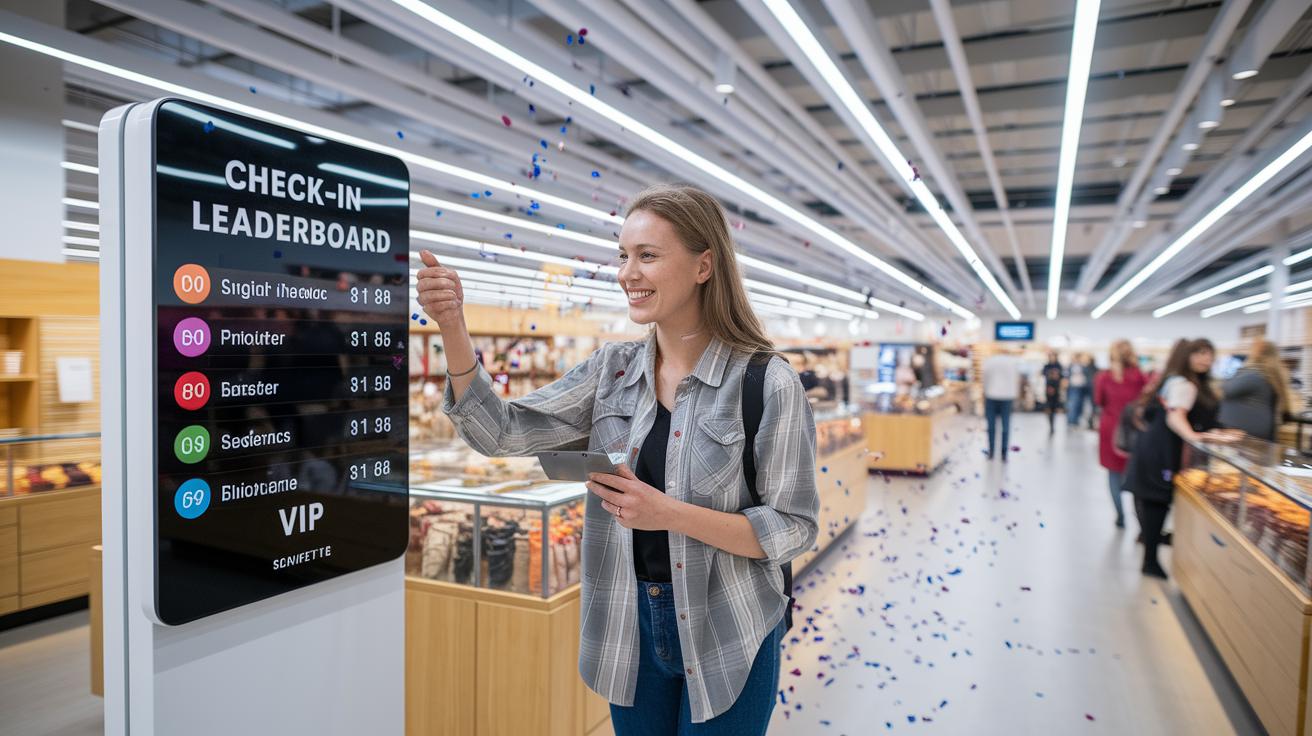
Tiered membership systems let customers move up the ranks, from regular to VIP or even elite, based on their engagement. This setup rewards loyal customers with unique perks, like early access to new products or services. It shows clear progress toward a higher status, which helps keep them involved over time.
Adding fun elements like instant-win games and social media contests makes earning rewards feel like a game. A quick prompt, such as "Win bonus points today!" encourages customers to check in regularly. Mixing these playful challenges with structured activities keeps the experience fresh and exciting, so every visit might lead to a pleasant surprise.
Using customer data to create special, limited-time offers can encourage action when it counts most. By looking at shopping habits and interaction patterns, businesses can match rewards to individual tastes, whether that’s extra bonus points or exclusive access to events. This personal touch, even across different languages, helps every customer feel like the program was made just for them, boosting engagement and long-term loyalty.
Case Studies and Best Practice Benchmarks for Points Based Loyalty
Real-world case studies show how points-based loyalty programs can boost growth. RewardSTACK™ highlights success across both B2B and B2C sectors, proving that every point, valued at about $0.005, can truly engage customers and improve business outcomes.
By comparing different studies, companies can spot trends that help refine their reward models. In other words, looking at membership trends and benchmarks teaches businesses to keep customers coming back and to drive sales.
Here are some key results:
- B2B sales growth: Methods that help widen enterprise channels.
- Retail retention boost: Increases seen in repeat purchases.
- Employee engagement rise: Stronger interactions within teams.
Important dates like July 17, 2024, and February 27, 2025, mark key milestones in rolling out and updating global SaaS and API-driven incentive programs. These benchmarks give companies a clear way to track progress and adapt to market changes.
Overcoming Challenges in Points Based Loyalty Programs

Tracking points for many users isn’t always clear. With so many transactions happening, mistakes can easily occur and leave users confused. To fix this, companies need strong systems that update in real time and clearly show progress. When everyone knows how points are earned and recorded, trust grows.
Keeping the program cost-effective and secure takes careful budgeting and risk planning. Businesses must balance rewards so that users feel encouraged without overspending. Frequent checks and clear rules help protect customer data and prevent misuse. These steps build confidence in the program’s operations.
Growing a points-based program while keeping users engaged and ensuring a good return on investment is no small feat. As more people join, the system must handle extra complexity without losing performance. By simplifying processes and using smart methods to retain customers, companies can make sure the program runs smoothly and stays connected with its users.
Final Words
In the action, our deep dive explored how points based loyalty programs work from earning points to valuable reward options. We covered tactics that boost point accumulation, smart redemption strategies, and seamless business tool integrations.
We also discussed scheme performance evaluation, personalized offers through gamification, and detailed case studies that illustrate real-life success.
This clear look at digital reward systems shows that with the right approach, you can enjoy a smoother travel experience and smarter booking decisions. Stay informed and ready for what’s next in your travel plans.
FAQ
What is a point-based loyalty program?
A point-based loyalty program is a system where customers earn points for shopping or engaging with a brand. These points later convert into rewards, discounts, or exclusive offers, encouraging repeat visits.
What are some examples of point-based loyalty programs and companies that use them?
The examples include retail rewards cards, airline frequent flyer programs, and digital apps designed for both large companies and small businesses. These programs often offer free point accumulation and redeemable benefits.
What is the most successful rewards program?
The most successful rewards program drives high engagement by offering clear benefits, easy tracking, flexible redemptions, and personalized incentives that keep customers coming back.
How much are 1000 Loyalty Points worth?
Based on standard point valuation of $0.005 per point, 1000 Loyalty Points are worth approximately $5, giving customers a tangible saving on future purchases.
What are the 4 levels of loyalty?
The 4 levels of loyalty typically start at entry, then progress through bronze, silver, and gold tiers. Each level grants increasing rewards and perks to motivate ongoing customer engagement.
What loyalty program apps or free loyalty programs work best for small businesses?
Loyalty program apps for small businesses help track points and customer behavior. Many free options offer essential features that drive repeat business and support growth without adding high costs.
What are some best practices for loyalty programs for small businesses?
Effective practices include clear communication of points and rewards, simple tracking systems, consistent reward offerings, and periodic updates that keep customers informed and engaged.
What types of reward programs benefit customers the most?
Reward programs work best when they offer point conversions into discounts, merchandise, travel, or free shipping. These options give customers clear, valuable choices that enhance their shopping experience.