

Ever thought checking your bag could be simple? This guide shows you how to use mobile apps and self-service kiosks to handle your baggage the smart way. Follow these quick airport steps to skip long lines and dodge extra fees by keeping your bag within size and weight limits. We'll share clear tips that save you time and cut out the stress before you even hit the terminal. Get set to simplify your travel so you can focus on enjoying your trip.
How to Check Baggage: Your Fast Guide at the Airport
Self-service kiosks let you check your bags quickly and skip the long lines. They often make the bag drop more than twice as fast as waiting for an agent. With these kiosks, you handle your own baggage drop with less hassle. Most airlines set a limit so that your bag’s total dimensions (length, width, and height) add up to 62 inches, and the weight should be 50 lbs or less. If your bag exceeds these limits, you could face extra charges. This simple process helps you get to your flight on time.
- Check in online or on your mobile before you reach the airport.
- Choose or buy your checked baggage allowance if needed.
- Print your bag tags at the kiosk or grab your digital tags from your airline’s app.
- Securely attach the tags on your bag and head to the drop-off area.
- Let your bag get weighed and measured; sort out any size or weight issues.
- Hold on to your baggage receipt for proof if you need it later.
Before you get to the airport, verify your baggage allowance online or through the airline’s app. This quick check helps you be sure your bag meets the size and weight rules and avoids any surprise fees. Keeping your receipt is key, as it could help resolve any issues with your luggage later on. Taking these steps makes your travel smoother and less stressful.
Checking Baggage Weight and Size Limits Before You Arrive

Weighing and measuring your bag at home can help you dodge those surprise extra fees at the airport. Use a scale to check the weight before you pack. When you measure, include every part of your bag, handles, wheels, and any attachments all add to the overall size. This simple check lets you know if your bag meets the common 62-inch (total dimensions) and 50-lb limits many airlines enforce.
By doing this ahead of time, you can avoid fees. For instance, if your bag is just a few pounds over, you might shift some items to your carry-on and skip paying an extra $30 at the counter.
| Airline | Weight Limit | Dimension Limit | First Bag Fee |
|---|---|---|---|
| Delta | 50 lbs | 62 in | $30 |
| Southwest | 50 lbs | 62 in | Free (first bag; credit-card perk) |
| United | 50 lbs | 62 in | $30 |
| American Airlines | 50 lbs | 62 in | $30 |
If you’re flying internationally, check your airline’s published guidelines. Some routes offer a higher free baggage allowance, so it pays to double-check what fees and limits might apply before you head to the airport.
Using Digital and Self-Service Options to Check Your Baggage
Many airlines now let you handle your baggage digitally. This means you can add and tag your bags using your mobile app or a self-service kiosk before you even hit the airport, cutting down on long waits at traditional counters.
Here’s how to use your airline app (Delta, Southwest, United, and American offer these options):
- Open the app and either enter your booking info or scan your boarding pass QR code.
- Choose your baggage allowance and see your digital bag tag on your screen.
- When you get to the airport, visit a self-service kiosk, scan your QR code or enter your confirmation number, and print your baggage tag in seconds.
Be sure to attach your printed or digital tag securely to your bag, and keep a digital confirmation handy for any follow-up inquiries.
how to check baggage: Easy Airport Steps
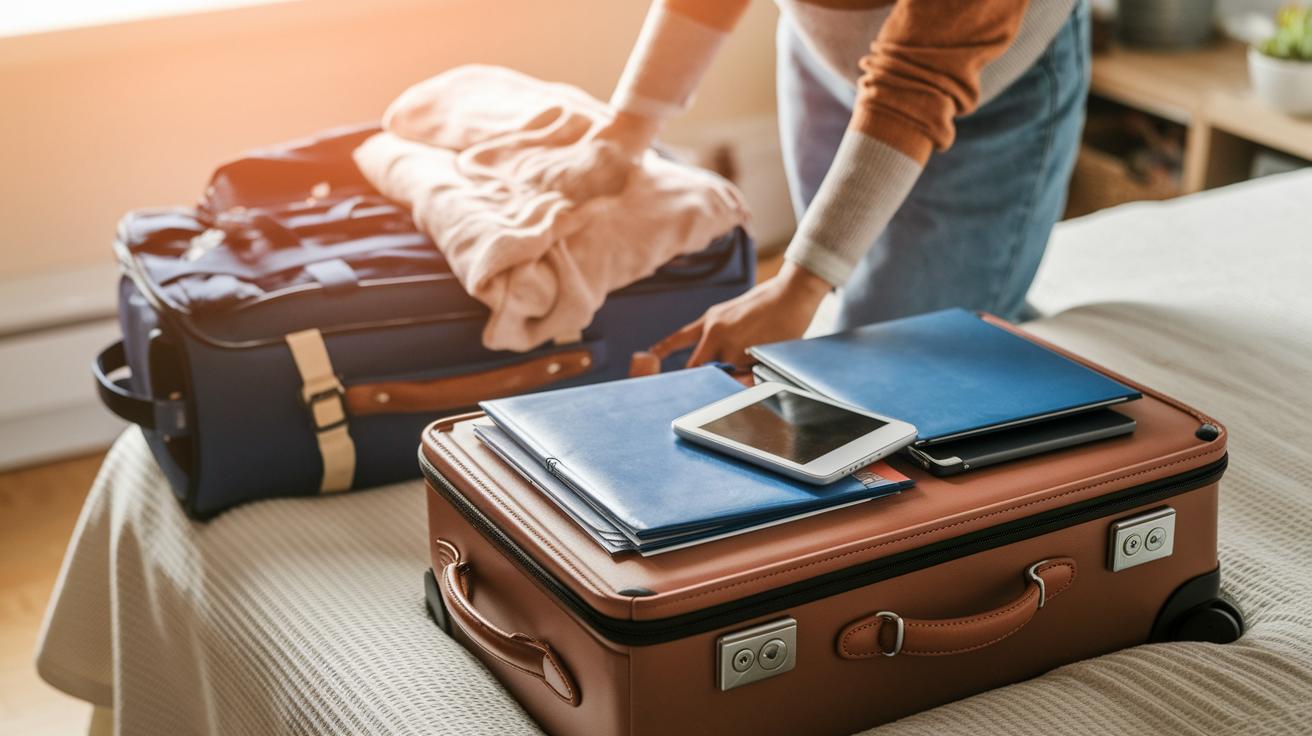
When you get ready for your flight, decide which items belong in your checked bag and which you need in your carry-on. Keep your important documents, medications, and electronics with you, and pack items like clothes, shoes, and extra toiletries in your checked luggage.
Remember to pack according to security rules. Liquids or gels over 3.4 oz must go in your checked bag, so keep smaller bottles with you. Also, know that hoverboards aren’t allowed in any bags. Place heavy items at the bottom of your suitcase to help keep it stable and leave some room for any last-minute additions. Wrap any fragile items in clothes or padding so they stay safe during handling.
Before you head to the airport, take a picture of your bag tags and keep your baggage receipt. Mark your bag with a bright marker or unique tag to spot it quickly on the carousel.
Airline-Specific Checked Baggage Procedures
Different airlines have unique ways of handling checked bags. Knowing the specific steps can help you save time and money.
Delta Airlines
Delta lets you choose between printed or digital baggage tags. You can tag your bag at a kiosk or counter, and the app shows a digital version too. If your bag weighs over 50 lbs, the kiosk will quickly direct you to counter assistance so you get the help you need fast.
Southwest Airlines
Southwest gives you one free checked bag on most tickets. They offer several drop-off options, from curbside to kiosk drop. Plus, if you have credit card perks, you might skip extra fees altogether. Imagine rolling up, tagging your bag in seconds, and dropping it off without any hassle.
United Airlines
With United, you can add checked bags on their mobile app before you get to the airport. There’s also a pay-at-drop option at their kiosks. Be sure to stick to the weight limits and drop-off deadlines. Arriving on time helps you avoid extra fees and delays.
American Airlines
American Airlines lets you register your bags online up to 24 hours before your flight. You can then choose to drop them at a counter or kiosk. Some airports even offer expedited lanes, blending digital ease with traditional service for more control over your travel.
For Alaska Airlines, the cost for your first checked bag starts at $30. Check their latest fee schedule online so you aren’t surprised by any changes.
Managing Fees, Extra Baggage, and Insurance for Checked Bags
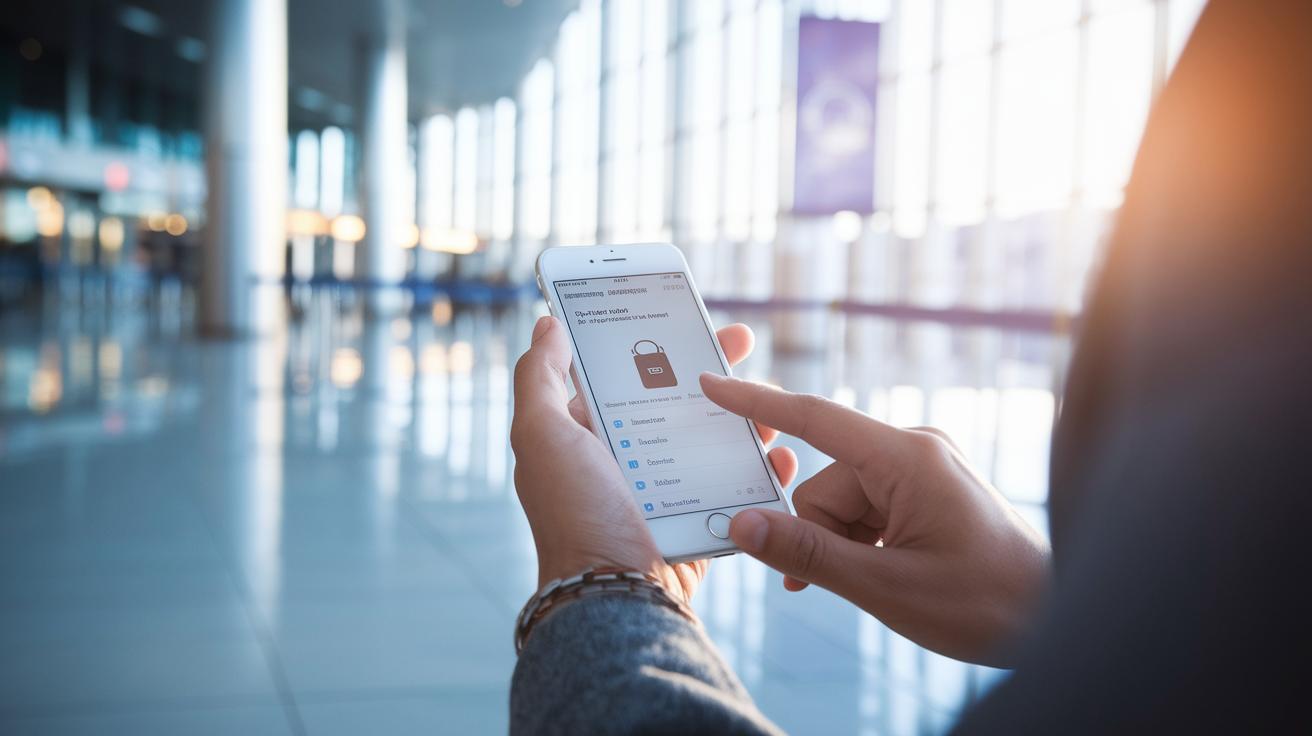
Paying your baggage fees online can save you money compared to paying at the airport. Online pre-payment options are usually cheaper, helping you avoid extra charges later. Some airlines even let certain credit cards cover or refund your checked-bag fees. If you plan ahead and pay online, you might keep more cash in your pocket and dodge last-minute surprises.
If you need to add an extra bag after checking in, most airlines allow you to do so easily through their mobile app or a self-service kiosk. Just open the app, tap the add-baggage option, and follow the prompts. This simple step helps you avoid long waits at the counter.
For lost or delayed baggage, travel insurance may cover some costs. In these cases, take clear photos of your bag’s contents and hold onto any receipts. This proof is important when you file a claim.
It also helps to keep all your receipts and documents in one place, either digitally or as physical copies. By organizing your paperwork from the start, you’ll be ready to file a claim or review expenses without any extra hassle.
Final Words
In the action, this article broke down a smooth process for checking bags, from self-service kiosks to airline-specific steps and managing fees. It provided a clear step-by-step verification process, ensured you know your baggage size and weight limits, and explained digital check-in options. Each section offered practical tips to reduce stress and save time at the airport. Next time you wonder how to check baggage, follow these steps to keep your travel routine fast and trouble-free. Enjoy your next flight with confidence!
FAQ
How do I check baggage on United, American Airlines, and international flights?
The process for United, American Airlines, and international flights starts with online check-in to add your baggage. Then, attach printed or digital tags at a kiosk or counter and drop off your bag.
How do I check in baggage online?
Checking in baggage online means using your airline’s website or mobile app. You complete check-in, select your baggage allowance, and receive digital or printed tags to speed up airport drop-off.
What is the step-by-step process for checking baggage at the airport?
The process starts with online or mobile check-in, then selecting your baggage allowance. You print or receive digital tags, attach them to your bag, drop it off, and finally, keep your baggage receipt.
Should I check in online or at the airport if I have baggage?
Checking in online is quicker. It lets you register bags and print digital tags ahead of time so you can drop your bag off faster once you arrive at the airport.
What are the rules for checked baggage versus carry-on items?
Checked baggage must follow size, weight, and security rules, while carry-ons have strict liquid and prohibited item limits. Review your airline’s guidelines to ensure your bags meet all requirements.
What is the size allowance for a checked bag on American Airlines?
American Airlines allows checked bags with a maximum combined linear dimension of 62 inches and usually up to 50 lbs. Bags exceeding these limits can incur extra fees.