

Do you get nervous when you near airport security? Many travelers feel that same stress when switching terminals or racing against the clock. A little planning can make a big difference. By preparing in advance, you can shorten your wait and dodge those last-minute scrambles. This guide shows you simple steps to save time and move more smoothly through the airport. That way, you start your trip feeling calm instead of rushed.
Step-by-Step Guide to Airport Security and Terminal Transfers
Plan your trip to the airport ahead of time to avoid stress and save time. If you're flying within the country, try to get there 1 to 2 hours before your flight. On busy travel days, give yourself extra time. For international flights, aim to arrive 2 to 3 hours ahead so you can handle customs and extra security checks. Remember, if you need to park or ride a shuttle, add about 20 more minutes. Also, check in online as soon as it opens 24 hours before departure to use your mobile or printed boarding pass.
| Task | Recommended Timing |
|---|---|
| Domestic Flight Arrival | 1–2 hours before departure (2 hours during peak travel days) |
| International Flight Arrival | 2–3 hours before departure |
| Parking & Shuttle Transfers | Add 20 minutes |
| Online Check-In | 24 hours before departure |
Pre-Flight Preparation and Carry-On Compliance
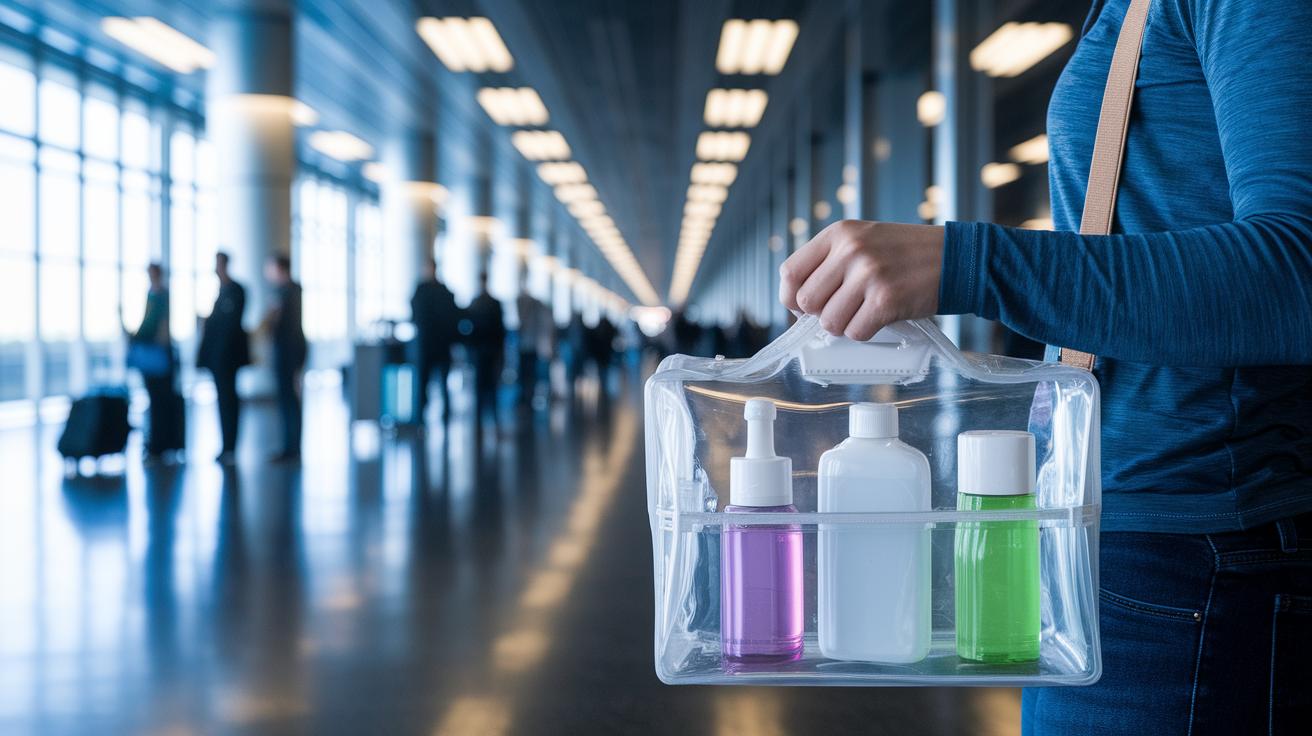
Getting ready before you head to the airport can make your travel day much smoother. A little planning cuts wait times and helps you avoid surprises at security. By checking in online and knowing your airline’s limits for bags, you could save 10–15 minutes and dodge extra fees.
- Print or download your boarding pass at least 24 hours before your flight to use mobile check-in.
- Pack liquids in 3.4‑oz or smaller containers and put them all in one clear, quart‑sized bag (this is known as the 3‑1‑1 rule).
- Make sure your carry-on and checked bags do not contain prohibited items like firearms or sporting goods.
- Check your airline’s size and weight rules ahead of time to avoid unexpected charges.
- Keep essential items like medication and travel documents in a spot you can easily grab.
- Pack laptops, tablets, and other electronics in a separate section so you can quickly place them in a security bin.
- Charge your phone and download the airline app to get real‑time flight updates.
Organize your travel documents by keeping your passport, visa (if needed), and any other ID in a safe, accessible place. Following these simple steps helps set you up for a hassle‑free journey.
Efficient Screening Procedures at Security Checkpoints
When you reach airport security, you'll go through both automatic scans and hands-on checks. Get ready to remove your laptop and liquids from your bag and place them into separate bins. You will also need to take off your coat, belt, and similar items. Follow the posted signs closely to get into the right lane. Knowing the TSA's 3-1-1 rule (which limits liquids in carry-on bags) and checking the list of banned items can save you from extra delays during busy travel times.
TSA Precheck and Global Entry
TSA Precheck and Global Entry can make security much faster. To join, you'll need to fill out an application, pay a fee, and attend an in-person interview. Once you're approved, you'll have access to special lanes that cut wait times, even when it's crowded. These programs let you keep your shoes, light jacket, and belt on. Often, you can also leave your laptop and approved liquids in your bag. This streamlined process balances ease and safety, giving you a smoother journey through the checkpoint.
Standard Screening Steps
In a standard screening lane, start by organizing your belongings into the bins provided. Place electronics, liquids, and personal items in separate containers as directed. Be prepared to remove outerwear such as coats, scarves, and sometimes even belts or shoes. If you're chosen for extra screening, remain calm and follow the instructions carefully. Listen for any announcements or changes, as signs on-site may guide you to switch lanes or adjust your setup. Paying attention to both the signs and staff cues will help you pick the best lane each time.
Strategies for Expedited Screening and Priority Lanes
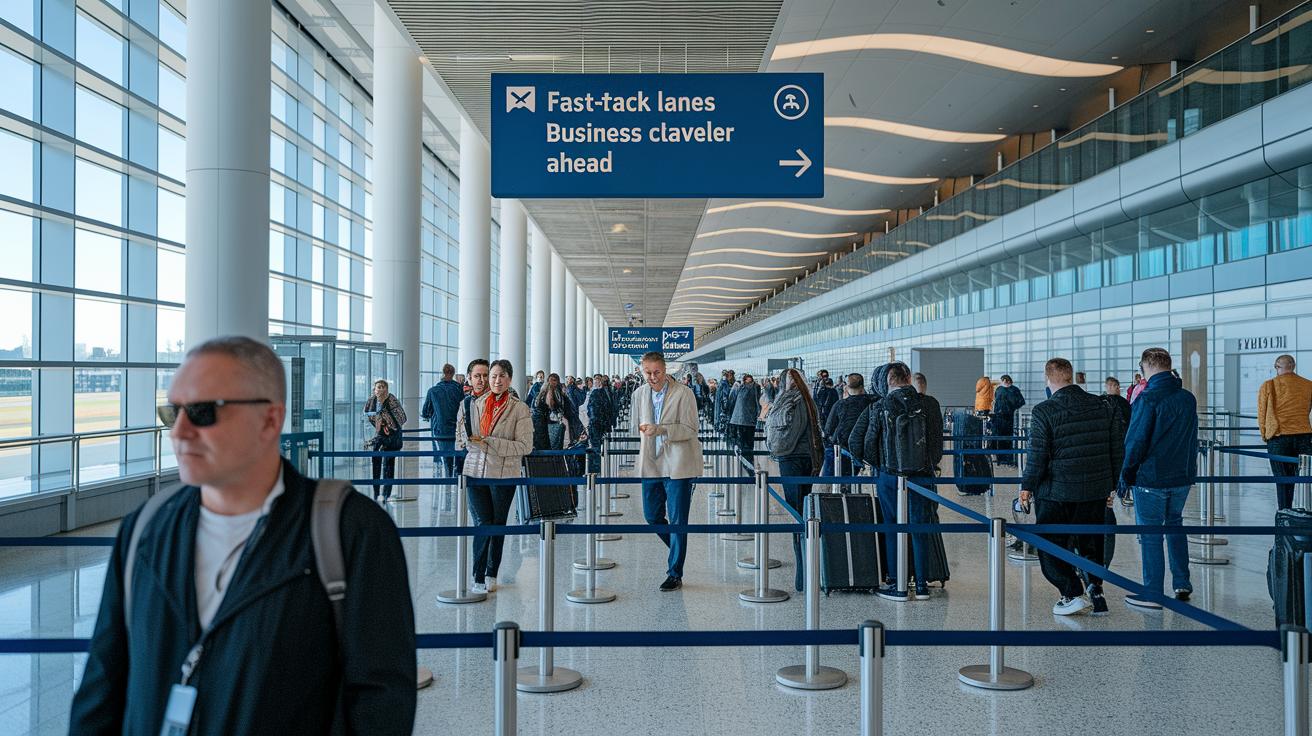
Premium-cabin travelers get special fast-track lanes at many major airports at no extra cost. Airlines offer these lanes as a perk for business and first-class passengers, which cuts wait times by as much as 30% during busy hours. Some airlines also let economy and premium-economy passengers pay for fast-track services so they can get through security faster. One traveler said, "I breezed through security while other lines were packed," showing why these lanes really work.
You can also save time with standalone expedited services and memberships. These programs let you use dedicated security lanes for both your departure and any connecting flights. With these options, your trip feels smoother and you move through security quickly. Using these services reduces delays and creates a calmer travel experience for everyone.
Mastering Terminal Transfers and Airport Layouts
Airports are often huge, with several terminals linked by trams or shuttle buses. Many travelers find themselves moving between these parts even multiple times during one trip. Using mobile apps and following clear signs can shorten your walk by around 15%, a real help when you're pressed for time. Remember, gates can change without warning, so it pays to check your airline's app regularly. When you’re in a busy airport, setting aside 30–45 minutes for transfers is a smart way to make sure you don't miss your next flight. One traveler even said, "I caught the shuttle just when I needed it and arrived with plenty of time to spare," showing that good planning really works.
Using Shuttles and Trams
Shuttle buses and trams are a reliable way to get between terminals. They have clearly marked boarding areas shown on airport maps and digital screens. These rides run often, especially during rush hours, so you usually won't wait long. When you board, keep your carry-on luggage manageable so you can get off quickly. A useful tip is to check the digital display on the shuttle to confirm you’re headed to the right terminal, one traveler put it best when they said, "Always verify your destination on the digital sign." This step helps avoid long detours or mix-ups that can delay your trip.
Wayfinding and Signage Best Practices
Airports use color-coded signs, pictures, and terminal maps to make it easier to get around. Look for signs showing transfer routes and terminal numbers. Many displays now provide real-time updates about delays or gate changes. Using an app with a built-in map feature can also clear up any confusion by guiding you along suggested routes. One traveler mentioned, "Following the arrows made the difference between a smooth transfer and a hectic search for my next gate." By keeping an eye on these details, you can move smoothly and confidently, even in unfamiliar terminals.
Managing Baggage Transfers and Claim Procedures
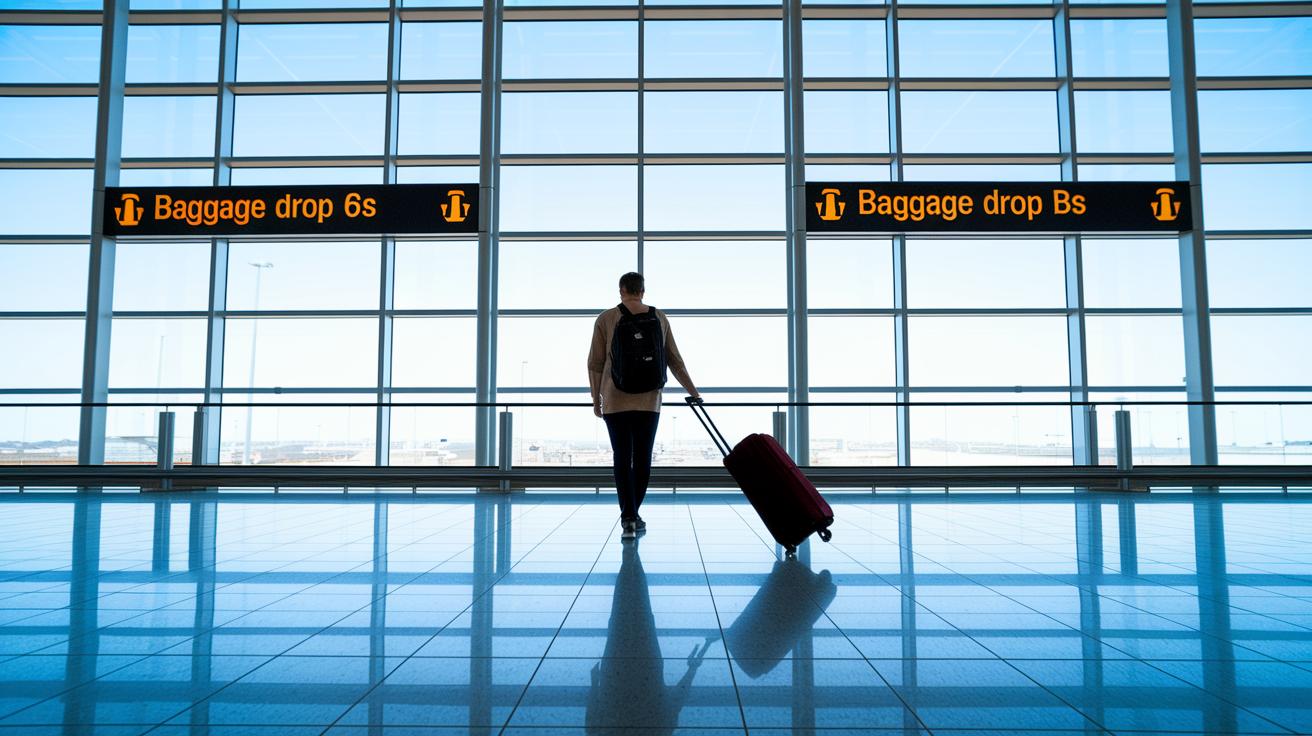
When your connecting flight means you'll need to recheck your bags, just follow the signs to the baggage drop zones. Most airports have clear directions in the transfer halls to help you hand off your checked luggage. A simple tip: add a final-destination label to your bag at check‑in. This quick step can stop your luggage from being sent to the wrong place and save you some stress when switching terminals.
At your final destination, watch the airport monitors for the right baggage carousel. Head straight to the claim area and check that the carousel number matches what you see on the screen. In busy airports, clear signs help you find your bag faster. If your luggage doesn't show up after a reasonable wait, go straight to the lost luggage counter for help.
For international arrivals, the next step after baggage claim is customs. Before you leave the area, have your passport and any needed customs forms ready. This preparation will speed things up at customs and let you collect your belongings with ease.
Time Management and Stress-Reduction During Transfers
Plan to add an extra 20 to 30 minutes to your minimum transfer time. This extra cushion helps you avoid a mad rush when delays or sudden gate changes occur. At busy airports, that additional time can mean a peaceful transfer instead of a frantic sprint. If you have access to an airport lounge, it offers a quiet spot to rest while you keep track of your flight updates. One traveler said, "I built in extra time and relaxed in the lounge, which really helped me keep calm even when my gate changed last minute." A short break like this can help you recharge before your next flight.
Airline and airport apps often send push notifications with real-time updates on gate assignments and security lines. That way, you never miss a critical change during your transfer. And if your device loses power or signal, having printed copies of your itinerary and terminal maps is a smart backup. Many travelers have found that paper guides work reliably when digital tools let you down. Keeping both digital and printed information handy smooths your journey and eases transfer anxiety.
Final Words
In the action, we mapped the path from arriving at the airport to managing transfers and baggage claims. The guide covers arrival windows, online check-in, TSA rules, fast-track security, and terminal transfers. It breaks down each step to reduce stress and keep your plans on track. Practical tips help with scheduling, handling shifting gate assignments, and following clear signage. Plan ahead to bank extra time and peace of mind, ensuring an overall smoother flight experience while confidently navigating airport security and terminal transfers.
FAQ
How do I navigate airport security and terminal transfers for international flights or with airlines like Delta?
Navigating airport security and terminal transfers means following clear signage, using mobile boarding passes when possible, and enrolling in trusted traveler programs. This approach helps reduce delays during both domestic and international trips.
What are the step-by-step airport procedures for both domestic and international flights?
Following airport procedures involves checking in online, arriving early, proceeding through security with proper documents, and verifying gate information. This step-by-step method makes the pre-flight process straightforward and stress-free.
How can I navigate an airport alone?
Navigating an airport alone means relying on clear signage, using a trusted navigation app, and planning your route ahead of time. It involves reading terminal maps and asking airport staff for help when needed.
What features should I look for in an airport navigation app?
An airport navigation app should show terminal layouts, real-time updates on gate changes, and step-by-step directions to your next area. These features help travelers move quickly and confidently through busy airports.
Do I have to go through security again when switching terminals?
Whether you go through security again depends on the airport layout. If you must exit the secure area to change terminals, you will typically need to clear security once more as per airport rules.
What is the 45 minute rule in airport transfers?
The 45 minute rule recommends allowing at least 45 minutes when transferring between terminals. This buffer accounts for walking, shuttle rides, and any additional security checks, helping you avoid rushed transfers.
What is the most confiscated item at airports?
The most confiscated items at airports are liquids exceeding allowed amounts and other prohibited items. Adhering to liquid limits and TSA guidelines can help prevent delays and confiscations.
What does the TSA 3-3-1 rule mean?
The TSA 3-3-1 rule means that liquids must be in 3.4-ounce or smaller containers, all packed in a single quart-sized clear bag. This rule helps speed up the screening process and reduce delays at checkpoints.