

Airlines are on track to hit nearly US$1 trillion in revenue. They are updating their fleets and using new tech to meet passenger needs. These changes are making travel smoother and boosting profits steadily. Airlines are moving fast to adapt, setting the stage for more growth and better service. Today's trends show the industry is ready to tackle new challenges.
Comprehensive Airline Market Overview

Global aviation revenue is set to pass US$1 trillion this year. Last year, airlines pulled in US$996 billion, showing a solid market base. These numbers prove that carriers can quickly adjust to market shifts while still keeping up with what customers want. They also point to a resilient industry that is ready for more investments.
Looking ahead, revenue is expected to hit US$1,008 billion in 2025 and climb to US$1,053 billion by 2026. That means about 4% growth in 2025 and 4.5% in 2026. Airlines are upgrading their fleets (modernizing their airplanes) and using digital tools to run more smoothly. Cirium even predicts that around 46,500 new aircraft will be delivered over the next 20 years. Such moves show how determined airlines are to boost capacity and service. Improvements in digital ticketing and overall operations are good news for both carriers and travelers. These forecasts reinforce confidence in the airline market as a strong engine for economic growth worldwide.
| Year | Revenue (US$ Billion) | Growth Rate (%) |
|---|---|---|
| 2024 | 996 | – |
| 2025 | 1008 | 4 |
| 2026 | 1053 | 4.5 |
More good news is on the horizon. Investments in digital ticketing, smarter route planning, and modern maintenance are cutting downtime and boosting efficiency. Upgraded airport facilities and better teamwork among carriers also support steady growth. At the same time, shifting passenger expectations push airlines to try out fresh service ideas. With these positive factors in play, the market is in a strong position to meet future travel demand and seize new opportunities. A solid foundation like this means better travel experiences for everyone ahead.
Passenger Demand Forecasts in the Airline Market

Air travel is growing steadily. Experts now forecast that passenger numbers will hit 5.2 billion by 2026, a 4.4% rise from 2025. This growth comes from more travelers worldwide and improved flight operations. Airlines now focus on forecasting to fine-tune their schedules and update their fleets to meet rising demand. Understanding these changes is key in a competitive market.
Cargo is on the upswing too. Forecasts show that cargo volume will reach 71.6 million tonnes in 2026, up 2.4% from this year. Airlines are working to match cargo capacity with passenger schedules by using the same forecasting methods. This increase in cargo adds another layer to the busy airline market.
These forecasts affect how airlines plan their flights and routes. They are adjusting flight frequencies and capacities with advanced forecasting tools. Global trends guide decisions on new routes and schedule changes to better serve growing travel needs.
Revenue Streams Driving the Airline Market’s Growth

Airlines rely on three main income sources that work together to keep growth steady. In 2026, total revenue is projected to hit US$1.05 trillion. This comes mainly from passenger ticket sales, cargo shipments, and extra services like baggage fees and premium add-ons.
Passenger ticket sales make up the biggest piece, with US$751 billion in revenue. This shows how crucial ticket sales are, as they help finance everything from fleet upgrades to better services. Airlines often adjust fares after watching how passengers respond to stay competitive.
Cargo operations contribute US$158 billion, while ancillary services add US$145 billion. These extra revenues help spread the risk and capture additional spending from travelers. They include things such as baggage fees and other premium offerings.
Fare competition also has a big impact. Airlines are constantly tweaking their pricing based on market signals and trends. Even small fare changes can shift market share. To get it right, carriers use smart pricing models that balance affordable fares with sustainable profits.
U.S. Market Trends within the Global Airline Market
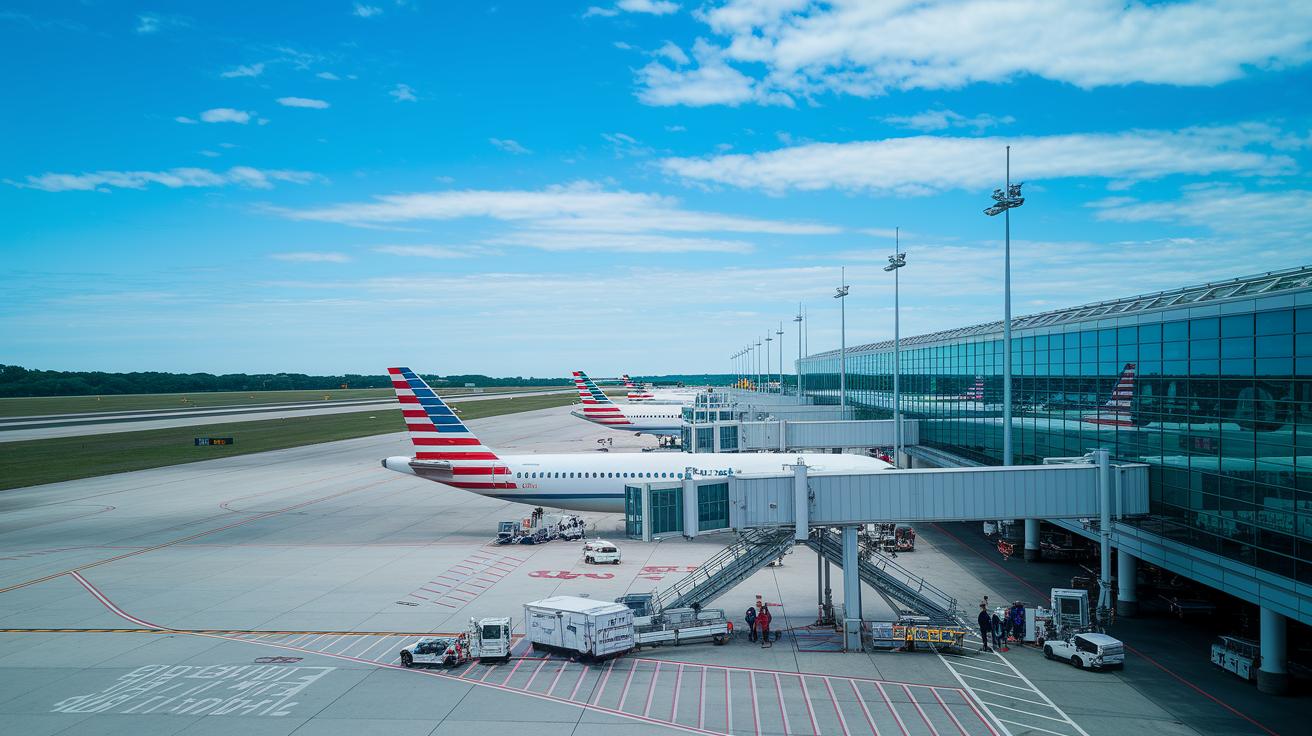
The U.S. airline market is showing great promise. In 2024, it is valued at US$84.98 billion, making it a vital part of the global aviation scene. Experts expect this market to rise to US$122.82 billion by 2035, with an average yearly growth of about 3.75% from 2025 to 2035. This steady climb is spurred by strong domestic competition and changing traveler needs, making it a key indicator of the industry's overall health.
| Year | U.S. Market Size (US$ Billion) |
|---|---|
| 2024 | 84.98 |
| 2035 | 122.82 |
Growth is driven by a rising demand for domestic travel and airlines expanding their networks. Carriers are fine-tuning their schedules and updating their fleets to tap into new regional markets. This focus on domestic routes helps keep fares competitive and boosts connectivity. With ongoing investments and smart route planning, the U.S. airline market is set to meet future traveler needs while delivering better service across the country.
Transatlantic Segment in the Airline Market

The transatlantic air market has grown a lot over the last decade, up 55% since 2010. By summer 2025, 49 airlines were flying these busy routes, making the competition fierce.
Major carriers like United Airlines and Delta Air Lines each hold about a 12% share. Virgin Atlantic also stands out by offering six round trips a week. It’s hard to believe that routes once served by just a few airlines are now bustling with nearly 50 competitors.
Airlines face several big costs, such as fuel expenses, crew wages, airport fees for takeoffs and landings, and the cost of leasing aircraft.
The leading names in this market are:
- United Airlines – about 12%
- Delta Air Lines – about 12%
Global alliances like Star Alliance, Oneworld, and SkyTeam help carriers work together on international routes. They coordinate schedules, share resources, and simplify operations. This teamwork lets airlines handle high costs while keeping fares competitive and service reliable. By planning flights together and sharing capacity, they boost route performance and ease daily pressures. In short, these coordinated strategies help airlines stay profitable and deliver a smoother experience for transatlantic travelers.
Consolidation and Alliance Strategies in the Airline Market

Market consolidation is reshaping the airline business. Carriers are teaming up to plan schedules, set fares, and manage capacity together. This wave of mergers and acquisitions boosts efficiency and builds stronger players. By sharing resources, airlines improve connectivity and split heavy costs, helping them stay competitive in a market with high expenses.
Star Alliance
Star Alliance is one of the longest-running groups with a broad network of airlines. Their joint scheduling creates smoother connections, better resource sharing, and steadier service across many routes. They also work together on pricing so members can adjust fares in concert while competing on a global stage.
Oneworld
Oneworld partners offer vast route options supported by revenue-sharing deals that make long-haul flights more practical. By syncing schedules and setting common service standards, these airlines deliver seamless itineraries. This cooperation reduces duplicate costs and allows the group to focus on top-notch service for travelers.
SkyTeam
SkyTeam airlines use strong code-sharing (when airlines share flight numbers) to extend their reach into new markets. The group aligns routes, schedules, and prices to stay competitive. This coordinated effort boosts operational efficiency, helping carriers manage smooth services even during busy travel times.
Regulators continue to examine these consolidation efforts closely. They review mergers and joint ventures to see how they affect market access and competition, ensuring that airline alliances benefit both the carriers and the travelers.
Technology and Sustainability Driving the Airline Market

Airlines are busy modernizing their fleets by buying new, fuel-saving planes. Cirium predicts that roughly 46,500 new aircraft will hit the skies in the next 20 years. This shows that carriers are looking to cut fuel costs and boost safety with better engines, redesigned cabins, and smarter features. These upgrades help lower operating costs and get airlines ready for the future.
Airlines are also taking strong steps to go green. Many are launching programs to reduce harmful emissions and balance out their carbon footprints. They are using fuel-efficient techniques and greener maintenance routines. Updated booking systems and improved app designs also mean less paper waste and lower energy use.
Digital upgrades are changing the way we travel too. Airlines now offer in-flight Wi-Fi, mobile ticketing, and smart booking tools that make travel easier and more reliable. Some carriers even use AI (artificial intelligence, which means computer programs that help make decisions) to find the best schedules and save fuel.
In short, upgrading fleets, embracing eco-friendly practices, and using digital tools all work together to make air travel smoother and more reliable. These changes help airlines cut delays, provide better service, and stay competitive as travel needs evolve.
Key Challenges and Future Outlook for the Airline Market

Airlines are struggling with rising costs, mainly due to wild fuel prices and crew shortages. These issues force carriers to work hard on saving fuel and managing staff better. When oil prices soar unexpectedly, many companies must quickly adjust their operations to keep running smoothly.
Airports have a fixed number of takeoff and landing slots, which means there’s little room to add more flights on busy routes. High leasing fees for new or replacement aircraft also squeeze profit margins. Carriers now face a tight balancing act: they need to maintain current routes while searching for new ones that offer the best earnings.
Passenger numbers are expected to grow by about 4.4% by 2026, and cargo volumes could see a 2.4% rise. This steady recovery in travel demand should help balance out high costs as revenues slowly increase. In other words, stronger demand might ease some of the economic pressure on airlines.
Looking ahead, airlines are focused on cutting costs, boosting fuel efficiency, and managing flight slots more wisely. These steps are key to keeping profits steady while adapting to a changing market.
Final Words
In the action, we explored shifts in the airline market with clear facts on revenue growth, demand trends, and key revenue streams. The discussion highlighted U.S. market trends, the role of transatlantic operations, and the impact of technology and sustainability on industry performance. We also touched on consolidation, alliance strategies, and the challenges faced by carriers as they adapt to rising operating costs. With steady growth and ongoing innovation, the outlook for the airline market offers positive prospects for smarter travel decisions.
FAQ
Q: What is the current state, size, and news of the airline market today, including its performance in 2021?
A: The current airline market reflects steady recovery and strong demand. Recent news highlights a global market nearing US$1 trillion, with trends from 2021 showing renewed activity and growth driven by both passenger and cargo sectors.
Q: How is airline market share distributed by airport, region, and worldwide?
A: Airline market share varies by region and airport. Worldwide, figures depend on individual carrier strengths, while European shares reflect regional competition. These spreads are influenced by network size, alliances, and local travel demand.
Q: What is the forecast for the airline market in the coming years?
A: The forecast indicates moderate growth, with revenue expected to rise from US$996 billion to US$1,008 billion and beyond. Growth is driven by increased passenger traffic, cargo demand, and gradual market recovery.
Q: Which airline is growing the most in the current market?
A: Certain leading carriers, including major players on transatlantic routes, are showing notable growth. Growth varies by market segment and region, with some airlines expanding rapidly through strategic route and service enhancements.
Q: How do airlines market their services and reach travelers?
A: Airlines market by promoting competitive routes, fares, and partnerships. They use digital platforms, social media, and tailored travel offers to attract diverse customers while emphasizing convenient booking processes and connected travel experiences.