

Have you ever wondered if your ticket might include surprises? Airline fare rules do more than just set prices; they explain what changes, cancellations, and extras come with your flight. Think of these rules like a map that shows you which routes lead to smooth travel and which come with extra costs. In this article, we explain how booking classes affect both the perks and the pitfalls of your ticket. Keep reading for tips that help you figure out if that cheap ticket is a bargain or a hidden trap.
Understanding Airline Fare Rules: Smart Travel Insights
Fare rules spell out what you can and cannot do with your ticket. They explain things like canceling a flight, changing your reservation, and rules for stopovers. Unlike flat tariffs, fare rules change based on the booking class you choose. For example, a fare in the Y class usually lets you cancel or change your flight without extra fees. It’s like having a safety net when you travel.
Booking classes are key to these rules. Each class, shown by a letter like Y, M, or Q, comes with its own mix of benefits and limits. The Y class often means you can get a full refund and change your flight for free. Lower classes might not allow refunds or might charge fees for changes. Think of a Y fare as an "all-access pass" that gives you more travel flexibility.
When you book a flight, look past the ticket price. A fare is a bundle of conditions that affect how you can use your ticket. A low-priced, non-refundable fare might seem attractive at first, but it can mean giving up perks like free checked bags or the chance to change plans without fees. Always read the fare rules carefully so you know exactly what you’re signing up for.
Components of Airline Fare Rule Structures
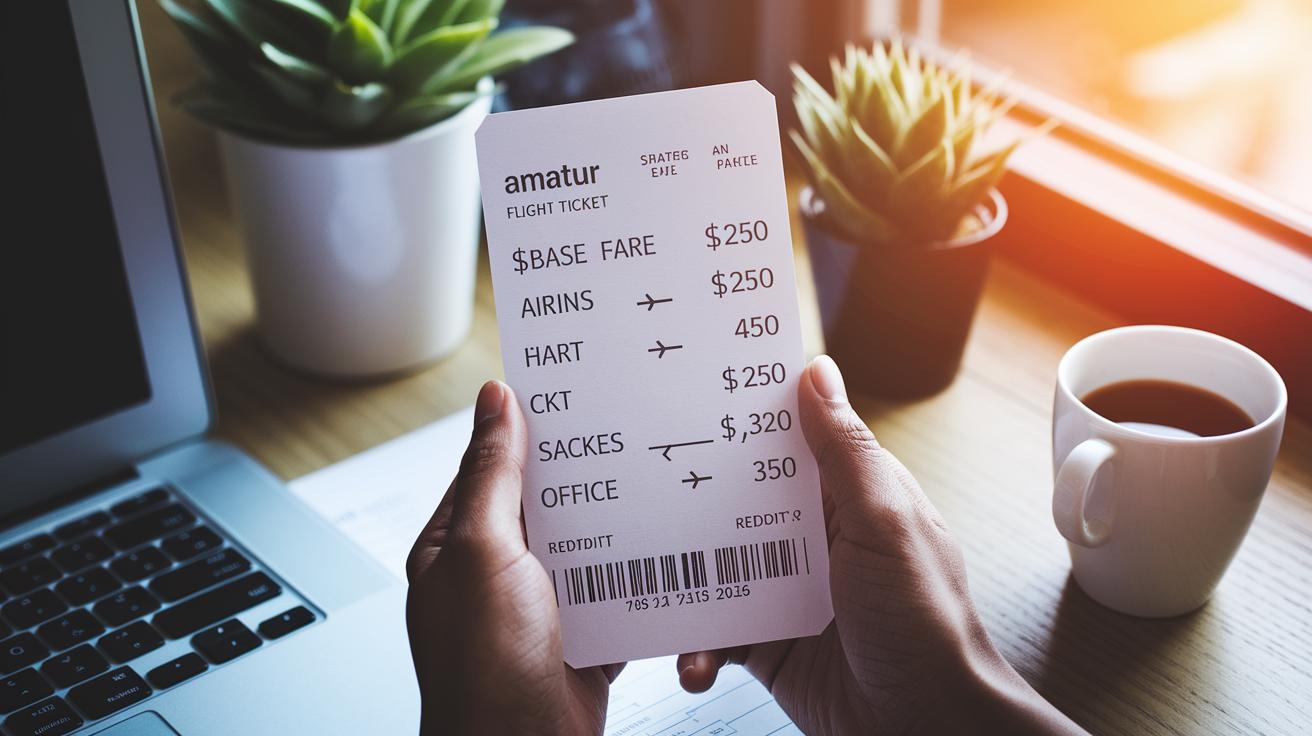
Airline tickets are priced by combining several parts. First, the base fare covers your basic travel cost. Next are carrier surcharges, which include fees for fuel or service. Finally, taxes set by governments and airports complete the total. For example, imagine a ticket with a $250 base fare, $45 in surcharges, and $30 in taxes. A simple breakdown would be: Price breakdown: $250 base fare, $45 surcharges, and $30 taxes.
Booking classes add more rules that affect your travel experience. The Y booking class is usually the most expensive in its group and often includes perks like full refunds, free changes, and maximum frequent flyer miles. Lower classes such as M or Q can come with added restrictions and extra fees if you need to change or cancel your ticket. You might see a note in Y class saying, "Enjoy the benefit of no change fees," while a lower class ticket warns, "Changes incur extra fees." This shows how your choice in booking class can influence both the price and the flexibility of your ticket.
Classification of Fare Types in Airline Fare Rules
Airline fare rules are more than just a price tag. They also set the conditions for changes, refunds, and travel credits. Knowing these rules can help you pick a fare that matches your travel plans.
Non-Refundable Fares: Characteristics and Examples
Non-refundable fares are usually the cheapest option. They rarely include free baggage or bonus miles and don’t offer travel credits if you cancel. Many travelers choose this option when their schedule is set, even though it gives little wiggle room if plans change.
Semi-Flexible Fares: Refund Penalties and Rebooking Credits
Semi-flexible fares give you a bit more freedom. If you cancel, you might have to pay a penalty, often around USD 200 for international flights, but you can use most of your ticket’s value on another trip. This option works well if you might need to change your plans but still want to save some money.
Flexible Fares: Full Refund/Change Freedom and Price Trade-Offs
Flexible fares let you cancel or change your flight without extra fees. They cost about two to four times more than semi-flexible fares. This is a good choice if your travel dates aren’t set, as you enjoy extra perks like free baggage and higher mileage benefits.
| Fare Type | Relative Cost | Change Fee | Cancellation Fee | Baggage & Miles |
|---|---|---|---|---|
| Non-refundable | Lowest | High or Not Allowed | Non-refundable | Basic |
| Semi-flexible | Moderate | Penalty (~USD 200 international) | Penalty applies | Limited |
| Flexible | Highest (2–4× Semi-flexible) | No Fees | No Fees | Full Benefits |
Handling Cancellations, No-Shows, and Partial Ticket Refunds

When you cancel just one part of your trip, the airline usually refunds you based on what you paid for that specific segment. If you drop one leg of a multi-stop journey, your refund equals the original cost of that leg, and the rest of your ticket stays in effect. A full ticket cancellation might let you get all your money back, but that only works if the fare rules allow it. Always read your ticket’s fare rules so you know if you can get a partial refund or a full one.
If you don’t show up without notifying the airline (what we call a no-show), you could lose any refund you might have received. To avoid this, let the airline know ahead of time if your plans change. A quick call or an online update can help protect any money you could get back. Taking these simple steps can save you from unexpected losses and keep your travel plans on track.
Accessing and Interpreting Airline Fare Rules during Booking
When booking a flight, take a moment to check the fare rules. These rules explain details like how far in advance you need to book, if you're required to stay the Saturday night before a flight, and what fees apply if you change or cancel your ticket. Knowing these details helps you decide if the fare suits your travel plans and budget.
Here’s how you can check the fare rules on most booking websites:
-
Choose your travel type
Pick whether you need a one-way, return, or multi-city ticket. This step sets the rules you’ll see. For example, a multi-city ticket search might show extra restrictions compared to a one-way ticket. -
Enter your travel dates
Type in your departure date and, if needed, your return date. This tells the system to include the right fare rules, like the 21-day advance-purchase rule, so the details match your trip. -
Click “Flight details” or “Fare rules”
Look for and click the button labeled “Flight details” or “Fare rules.” This section lists all the conditions attached to your ticket, letting you review everything before you buy.
Award Ticket Flexibility within Fare Rules

Award tickets often let you change your plans more easily than regular fares. Many loyalty programs let you cancel your award ticket for a small fee if your plans change. Some even allow free changes or let you reapply your miles for a new flight within a set time. This helps you switch flights with little extra cost and keeps your travel plans stress free.
Airlines share their fee schedules and stopover rules for award tickets on their loyalty program pages. Look for details on change fees and refund rules in the fine print. These guidelines show you what extra costs to expect if you change your flight. Taking a moment to review these details before booking can save you time and money.
Case Study: Deciphering a Sample Airline Fare Rule
Let's check out an example fare rule: “Refundable: Yes – No fee; Changes: Permitted; Advance Purchase: None; Min Stay: None; Mile Earn: 150%.” This simple note tells you what you can do with your ticket.
Breaking it down makes it clear. "Refundable: Yes – No fee" means you can cancel without paying a fee if your plans change. "Changes: Permitted" tells you it’s fine to make changes to your booking without extra cost. "Advance Purchase: None" shows there’s no need to book long before your trip, giving you more flexibility. "Min Stay: None" means you don’t have to stay in one place for a set number of days. And "Mile Earn: 150%" means you earn extra miles, which is a bonus for frequent flyers.
Frequently Asked Questions on Understanding Airline Fare Rules

-
Q 1: Are non-refundable fares ever refundable?
A: Non-refundable fares can only be refunded if the airline offers a special waiver. This happens rarely, so always check your ticket's fine print for any waiver details. -
Q 2: Can basic economy tickets be changed?
A: Basic economy tickets usually can’t be changed. This option is priced low, so if your travel plans might change, you might consider another fare type. -
Q 3: What if I miss my flight?
A: If you miss your flight, no-show rules take effect. To avoid losing any refundable value, call the airline before your flight departs. This step might help you secure a refund or rebook your trip. -
Q 4: Where are baggage allowances listed?
A: Baggage allowances are shown in the Fare rules or Baggage section on the booking site. Check there to see what your ticket includes. -
Q 5: Do flexible fares earn full miles?
A: Yes, flexible fares earn maximum miles, which helps boost your frequent flyer balance faster.
Final Words
In the action, this article broke down how fare rules work and why they matter. We outlined fare rules versus tariffs, explained booking class impacts, and detailed cancellation and no-show policies. Short steps on finding fare rules online and insights into award ticket flexibility rounded out the discussion. Embracing understanding airline fare rules helps you avoid surprises and plan with confidence. Smart, clear advice like this leads to smoother travel and fewer last-minute scrambles.
FAQ
What are airline fare rules, including for international and American airlines?
The airline fare rules explain cancellation policies, change penalties, and booking conditions. They cover both international flights and American airlines, helping travelers understand ticket restrictions and fees before booking.
What do IATA fare rules mean?
IATA fare rules refer to guidelines set by the International Air Transport Association. They standardize ticket pricing conditions and fee structures across multiple global airlines.
What are the fare rules for Turkish Airlines?
Turkish Airlines’ fare rules detail ticket restrictions, cancellation policies, and change fees. They guide how refunds or modifications work, similar to fare rules from other carriers.
What do flight class codes and airline ticket codes mean?
Flight class codes and ticket codes, like J, Y, and others, indicate specific seat types and pricing levels. They also define change, cancellation, and refund conditions for each fare.
What are fare rule categories?
Fare rule categories group tickets based on refundability and flexibility. They usually range from non-refundable fares to semi-flexible and fully flexible options, each with different restrictions and costs.
What is class V on a flight?
Class V on a flight designates a particular booking class with specific restrictions. Its rules, such as fees and change policies, depend on the airline’s own fare structure.
How do I read airline fare rules?
Reading airline fare rules means reviewing the provided details on conditions, fees, and limitations before purchasing. This approach helps you understand possible penalties for ticket changes or cancellations.
What are J, N, I, C, R, Y, B, and H class fares?
These letters represent different fare classes. Each class has its own pricing, baggage, and refund rules, with options like Y usually offering the highest flexibility and benefits.