

Ever felt lost in a busy airport? A simple, clear terminal layout can lower your stress and save you time. Smart travelers check the map before they arrive so that every sign guides them smoothly from check‑in to boarding. One traveler shared that reviewing a map before travel cut their stress in half. In this post, you'll see how easy designs, clear markers, and well-planned corridors can turn a hectic journey into a smooth one. Knowing the terminal layout can be your key to a calmer trip every time you fly.
How Airport Terminal Layouts Guide Efficient Passenger Movement
Terminal design shows how building layouts, operations, and human actions join forces to make travel smoother. Airports are planned to guide you from the curbside to check-in, then through security and on to the boarding gate. Looking at the airport map ahead of time is a smart move. One traveler said that checking the map before arriving helped cut travel stress in half because they knew exactly where to go.
When you view clear zone maps on the airport website, you get an easy-to-read guide covering check-in, security, lounges, shops, and boarding areas. Good design uses clear signs and simple markers at important points. This setup helps you skip extra walking and avoids backtracking.
A big part of terminal design is the flow that architects build into the space. They plan clear corridors and rest areas to keep your pace calm and steady, reducing stress and delays. Imagine a terminal where every sign takes you straight from security to your gate without any mix-ups. Such design relies on visual cues that are both simple and clear, so everyone can follow the way with little effort.
Smart travelers not only check the layout before arriving but also follow on-site instructions and digital maps once inside. With clear signs and well-designed corridors, a smart layout reduces crowding and keeps the journey relaxed. Knowing how a terminal is set up can be the difference between a hectic scramble and a smooth, easy passage from entrance to gate.
Mapping Core Terminal Zones for Streamlined Travel
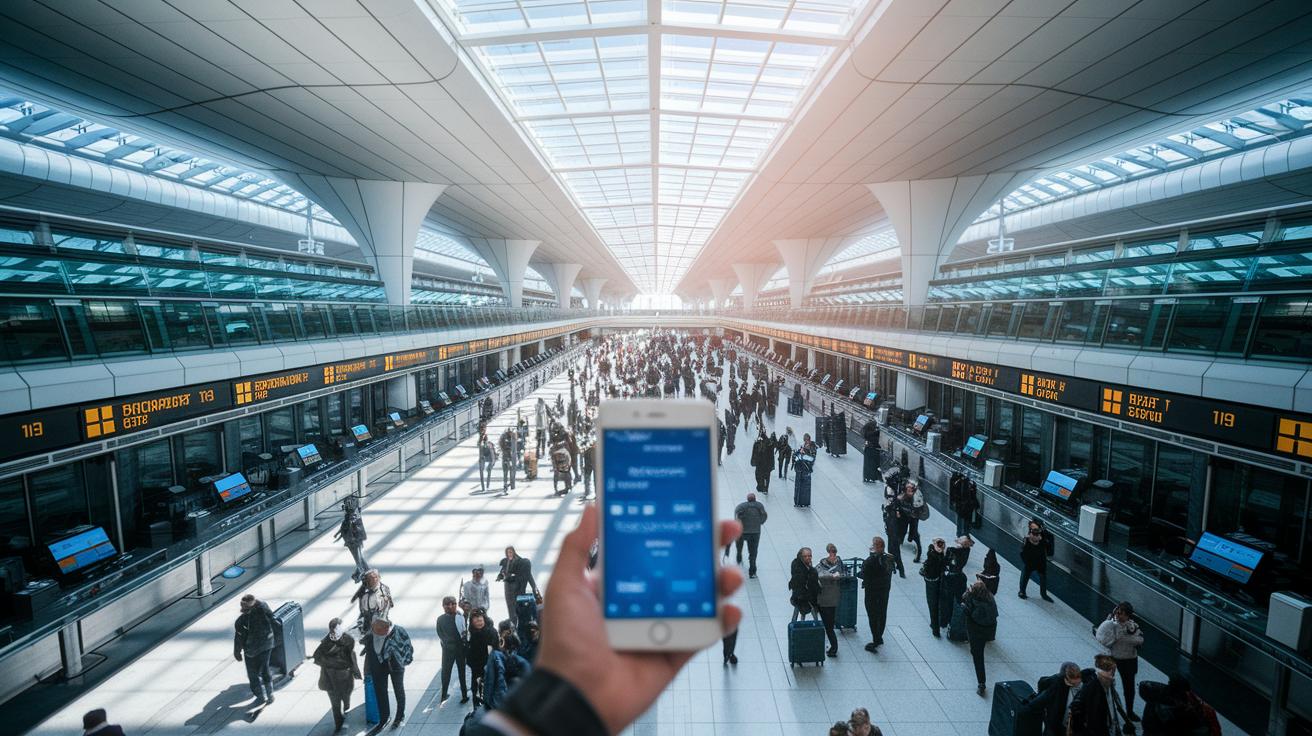
Airports are now using digital tools that give live updates alongside traditional printed maps. Travelers can check mobile apps for wait times at check-in and see which counters are open. For example, Los Angeles International Airport (LAX) now features interactive displays that show real-time counter availability. This change has cut wait times by 15% during busy periods.
Digital signs play a bigger role after check-in too. Many airports use sensors to monitor crowd flow through security. This system shows estimated wait times and suggests alternative, less crowded routes. It helps passengers adjust their pace based on current conditions.
At some airports, modern terminal designs blend physical displays with live data. Singapore Changi Airport (SIN) recently introduced touchless wayfinding kiosks. They guide passengers from security to retail, lounges, and boarding gates. These dynamic displays have reduced passenger confusion by 20%.
- Check-in: Use mobile apps to see live counter availability.
- Security: Follow digital signs that show current wait times.
- Lounges & Retail: Look for touchless kiosks that direct you to amenities.
These advancements clarify terminal layouts and help reduce unnecessary waiting and missteps.
Speeding Through Terminals: Route Optimization Techniques
Start by checking in online 24–48 hours before your flight. This simple step helps you skip long lines at the counter and lets you pick a good seat in advance. One traveler said online check-in saved precious minutes and allowed them to head straight to their gate.
Traveling with only hand luggage saves even more time. Without checked bags, you can bypass the baggage drop-off and claim areas, making your trip quicker and reducing mix-ups.
In large terminals, take advantage of moving walkways and airport shuttles to cover long distances faster. These options come in handy, especially if you face tight connections. Some airports even have specific shuttle routes between terminals to make transfers smoother.
Also, look out for shortcut corridors. These less crowded paths often lead directly to departure gates, shaving off extra minutes and easing your stress.
Remember these easy tips:
- Check in online 24–48 hours before flying.
- Pack light with only hand luggage.
- Use moving walkways and shuttle buses when available.
- Find shortcut corridors to cut down on walking time.
With these simple strategies, you can turn a rushed airport trip into a more relaxed and efficient journey.
Leveraging Digital Maps and Wayfinding Apps in Terminals
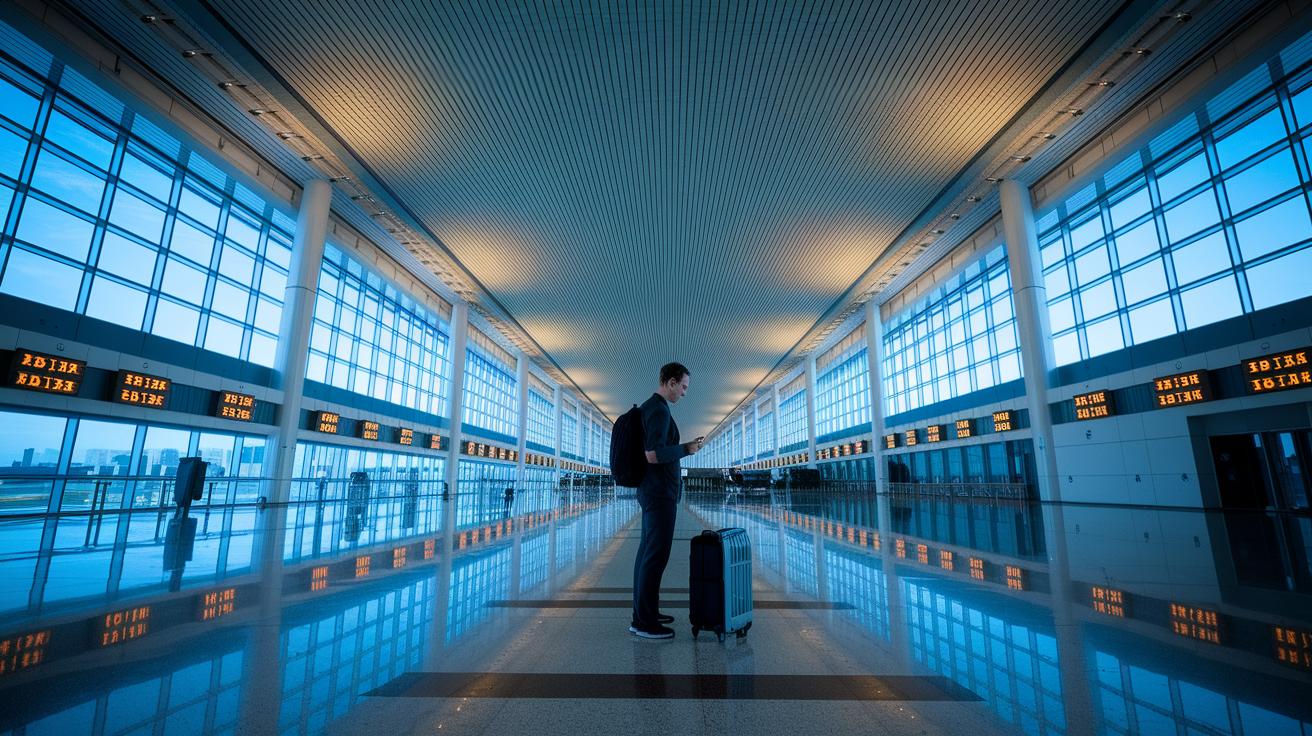
Digital maps and wayfinding apps are fast becoming must-have tools for travelers. Most airports now offer mobile apps that show interactive terminal maps updated in real time. One traveler said, "The real‑time display of counter status kept me informed during a hectic morning at the airport." These maps use indoor positioning (via Bluetooth beacons and Wi‑Fi signals) to tell you exactly where you are and help you quickly find check-in desks, security checkpoints, and boarding gates.
Third‑party apps add extra help. Apps like GateGuru and FlightAware give updates on gate transfers and show walking times. One user mentioned how checking these details saved them from a rushed sprint through the terminal. They also display clear symbols that mark important zones, making it easy to choose the best routes when terminals cover large areas.
Keep your device charged and think about carrying a portable charger. That small step keeps you connected to the latest map updates when you need them most.
- Check your app settings when you arrive.
- Look for live updates on gate changes.
- Use map symbols to spot key terminal zones.
Digital maps and wayfinding apps can turn a stressful airport visit into a smooth trip by offering clear, timely directions exactly when you need them.
Navigating Major Hub Airports: Concourse and Terminal Transfers
Major airports often look like small cities. They cover many terminals linked by trains, shuttles, or automated people movers. When you have a connecting flight, knowing your departure terminal ahead of time is key. Busy hubs like Los Angeles International (LAX), John F. Kennedy (JFK), and Heathrow use complex signs to help you find your way. One traveler put it simply: "Knowing which terminal to go to saved me from a frantic search at JFK."
At many airports, transfers are handled with timed shuttles or special corridors. These services tell you when to move, which can ease the worry of missing your flight. In one busy hub, a dedicated passage let travelers move quickly from one concourse to another without long waits.
Many airports use unique walkway designs to help you move more easily. Consider these types:
- Covered Walkway: Helps you stay dry or cool when the weather is harsh, protecting you and your luggage.
- Horizon Walkway: Provides a wide, open path that makes important signs easy to spot.
- Zenith Walkway: Focuses on a straight path so you won’t take unnecessary detours.
- Nova Walkway: Uses clear markers to guide you quickly back to your connecting gate if you’re in a rush.
Navigating different levels matters, too. Each floor might serve a different purpose, such as check-in, security, or boarding. Look for clear directional signs to switch levels smoothly. Some terminals also feature well-marked escalators, elevators, or stairs.
When you’re at a large airport, keep these tips in mind:
- Check your departure terminal and gate information
Locating Amenities: Hydration, Lounges, and Rest Areas

Airports are designed with your comfort in mind. Right after you clear security, you'll often find a hydration station waiting to help you refill your bottle. One traveler mentioned, "After emptying my bottle for screening, I found a hydration station right away where I could refill quickly." This easy access helps keep you refreshed during the busy parts of your journey.
Lounges, rest areas, art exhibits, spas, and even small cinemas are usually placed near major concourse intersections or premium gates. These spots offer a quiet break when you need to relax or recharge during a long layover.
Duty-free shops line the main corridors for convenient shopping, so remember to check your customs rules to avoid surprises at your destination. And if you're ever unsure where to go, friendly airport staff are there to guide you.
Remember these tips:
- Find hydration stations right past security.
- Look for lounges and rest areas at major junctions.
- Keep an eye on duty-free limits and ask staff for help if needed.
These well-placed amenities help create an easier, more enjoyable travel experience, so you can focus on what matters, your journey ahead.
Emerging Terminal Design Trends Aiming for Smoother Navigation
Airports are embracing modular designs that make it easier for passengers to find their way. New design series such as Heritage, Panorama, Classic, Crescent, Apex, and Cypress mix modern ideas with straightforward architecture. One traveler said it felt like following an easy map right to the gate, showing how these changes improve the travel experience.
Specialized walkways are also making journeys smoother. Covered Walkways protect travelers from harsh weather, while Zenith Walkways provide a clear, direct route. Nova Walkways are marked clearly to guide you quickly to your destination. These designs aim to keep paths simple and cut down stress during busy times.
Airports are adding eco-friendly touches too. Solar-covered parking and sturdy roofing systems save energy and protect against bad weather. Plus, thoughtful features like UV, heat, and hail protection help keep busy areas safe and comfortable, even during extreme weather.
Advances in layout technology are changing the game. New systems adjust lighting and temperature in real time, letting terminals adapt easily as passenger numbers change. With modular architecture, smart walkways, and responsive environmental features, airport terminals are becoming places that reduce confusion and make travel a breeze.
Final Words
In the action, the post walked through how terminal layouts shape efficient movement. It explained directing passengers through check-in, security, lounges, and gates. We looked at ways to speed up airport transfers and use digital maps to guide each step. Plus, the guide covered spotting amenities that make travel more pleasant. Keeping these tips in mind can help polish your travel experience through practical steps and clear signs, all while gaining a better edge at understanding airport terminal layouts for smoother travel.
FAQ
What are airport terminal design concepts?
The airport terminal design concepts combine architecture, passenger flow, and clear signage to ensure smooth movement. They create spaces that guide travelers from check-in through security and onward to their gates.
What is an airport design plan?
An airport design plan sets out how key areas—from check-in to boarding gates—are organized. It helps create efficient pathways that reduce stress and improve travel flow.
What does an airport layout entail?
An airport layout details the arrangement of spaces like check-in, security, lounges, and gates. This plan directs travelers along clear, logical routes, making movement through the terminal easier.
How does airport travel design affect luggage handling?
Effective airport travel design places clear signage and dedicated zones for baggage drop-off and claim areas. This thoughtful layout helps streamline luggage handling and speeds up overall processing.
What are some hidden airport design tricks experts explain?
Experts explain that hidden design tricks include subtle cues like lighting, floor patterns, and well-placed signage. These details help guide passengers, reduce confusion, and promote quicker movement through the terminal.
What is the most efficient airport design?
The most efficient airport design features clear, direct routes, centralized check-in zones, and accessible gates. This layout minimizes walking distances and wait times, making travel smoother and stress-free.
What is Saarinen airport design known for?
Saarinen airport design is known for its innovative curves, generous natural light, and open spaces. This approach creates a calm atmosphere and inspires modern designs in many current airports.
Which design is considered the best airport design?
The best airport design is one that merges intuitive layout, smart signage, and passenger-first zones. Such a design eases navigation, reduces delays, and enhances the overall travel experience.
What is the 45 minute rule at the airport?
The 45 minute rule suggests that travelers should plan for at least 45 minutes to clear busy airport processes. This buffer helps manage security and other delays, ensuring a smoother transit.
How can I get through an airport smoothly?
Getting through an airport smoothly means reviewing the terminal map beforehand, arriving early, and using digital wayfinding tools. Following clear signs and being prepared reduces stress and saves time.
What are the characteristics of an ideal airport layout?
An ideal airport layout features distinct zones for check-in, security, and boarding, clear signage throughout, and a design that balances open spaces with efficient pathways to ease passenger movement.