

Ever wonder how new tech is changing air travel? Artificial Intelligence (AI, which means computers that learn and solve problems) is making a big difference. Airlines now use smart tools to plan flights, keep planes in top shape, and stay in touch with passengers. These digital tools help spot trouble early and change flight schedules to avoid delays.
By using clear, data-based insights, airlines can fix issues before they mess up your trip. This means more on-time flights and happier travelers. In our post, we show how AI makes flying simpler and more efficient, so your journey is smoother and less stressful.
AI Airline Applications: Transforming Operations and Passenger Experience
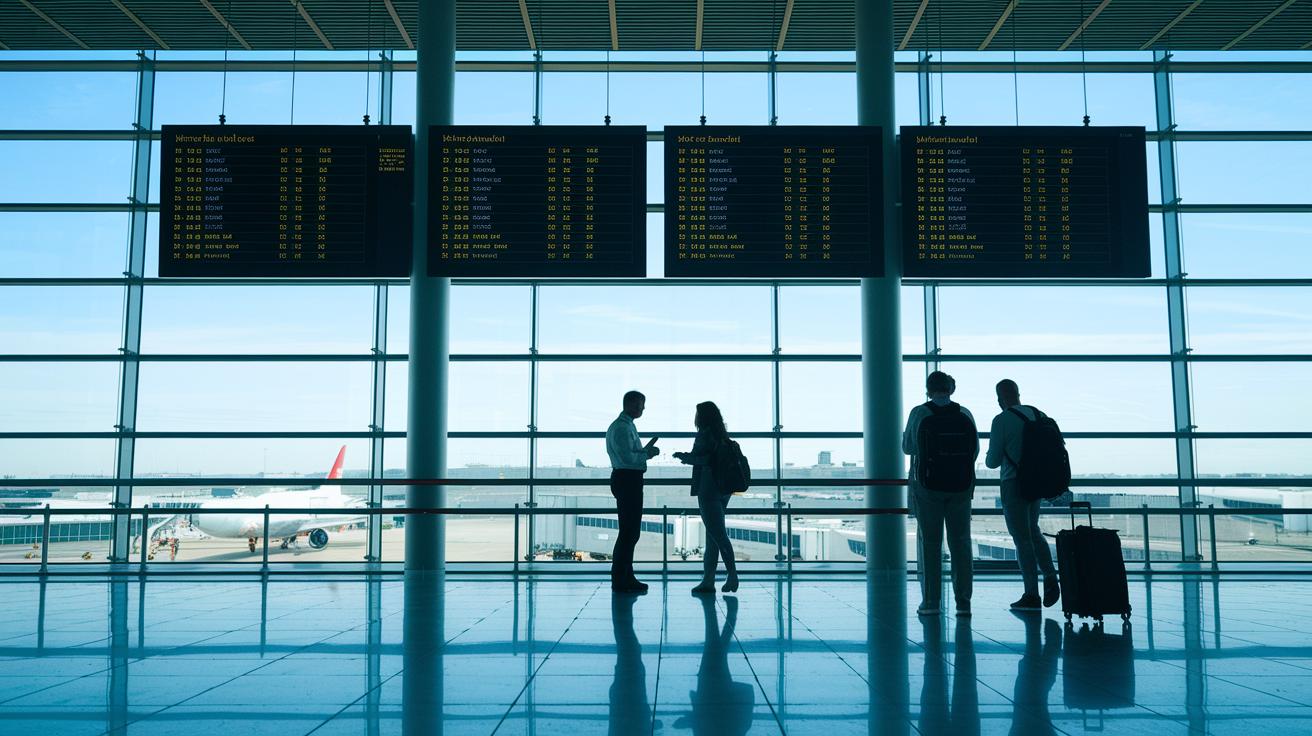
The AI aviation market has grown fast. In 2021, its value hit $653.74 million, and experts expect it to near $10 billion by 2030. This surge shows that airlines around the world are jumping on board with AI to upgrade their operations.
Airlines are using AI for everything from flight scheduling to handling customer questions. These digital tools help improve flight operations and make processes more efficient. For more details on how AI is reshaping the skies, visit https://keysunair.com?p=214.
United Airlines offers a practical example. Its ConnectionSaver tool delayed a Chicago flight so that 13 passengers could catch their connecting flight to London on time. This smart move used predictive analytics, a method that uses data to foresee issues like weather disruptions, which cause about 75 percent of delays. By embracing digital tools, airlines make decisions faster and keep flights running smoothly.
AI also makes the travel experience better. New systems now customize in-flight entertainment and send updates based on your travel history. This digital shift makes managing your journey simpler and keeps you informed in real time. Thanks to ongoing AI improvements, flying becomes more convenient and reliable for everyone.
AI Airline Predictive Maintenance and Safety Enhancements
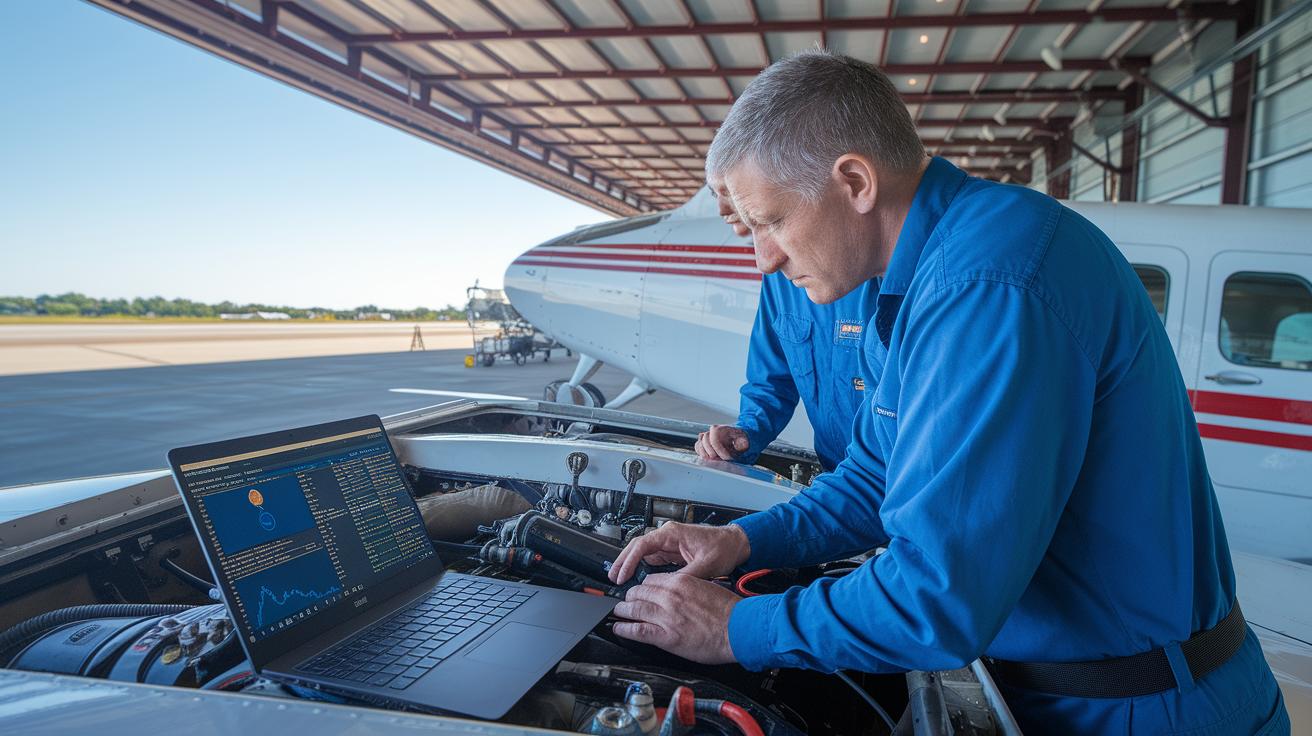
Modern airlines use AI tools to predict when a part might fail. These smart systems check equipment and schedule repairs before problems turn serious. This helps keep planes flying on time while lowering fuel costs. For more details, see "ai-powered predictive maintenance in aviation" (https://keysunair.com?p=122).
- Cuts unscheduled downtime by spotting issues early.
- Saves fuel by keeping systems in top shape.
- Boosts schedule reliability with accurate fix-up timing.
- Streamlines maintenance planning to improve efficiency.
- Helps meet sustainability goals with smart energy use.
AI also makes flying safer. Planned maintenance means planes are less likely to face issues during a flight. Airlines like Austrian Airlines already use this technology to keep flights on schedule and secure. Continuous equipment checks help ensure that both passengers and crew enjoy a safer air travel experience.
AI Airline Pricing Strategies: Dynamic Ticketing and Revenue Management
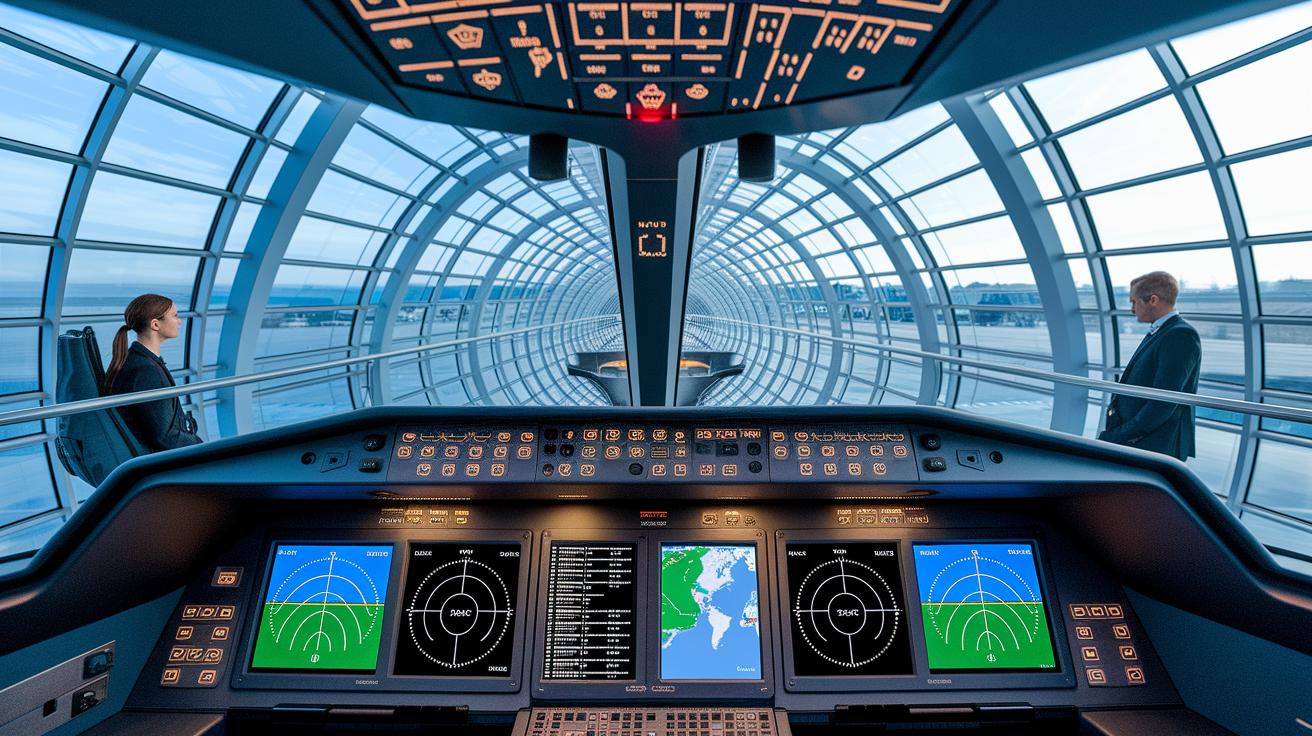
Airlines now lean on AI to set ticket prices in real time. These systems look at booking trends, market demand, and competitors' fares to adjust prices quickly. They also check how full a flight is and seasonal trends to offer the right fare for passengers while boosting revenue. Prices can change in minutes, keeping airlines agile in a fast-paced market.
Delta Air Lines is one example testing this approach. Their system adjusts ticket costs based on live data and even gives in-flight entertainment suggestions to keep passengers engaged. Other airlines use similar smart tools to sift through millions of data points. This helps them offer personalized fare deals and promotions that save lost seats and capture extra earnings. The blend of technology with customer insights is shaping a more responsive, traveler-friendly pricing system.
AI Airline Route Optimization and Flight Scheduling
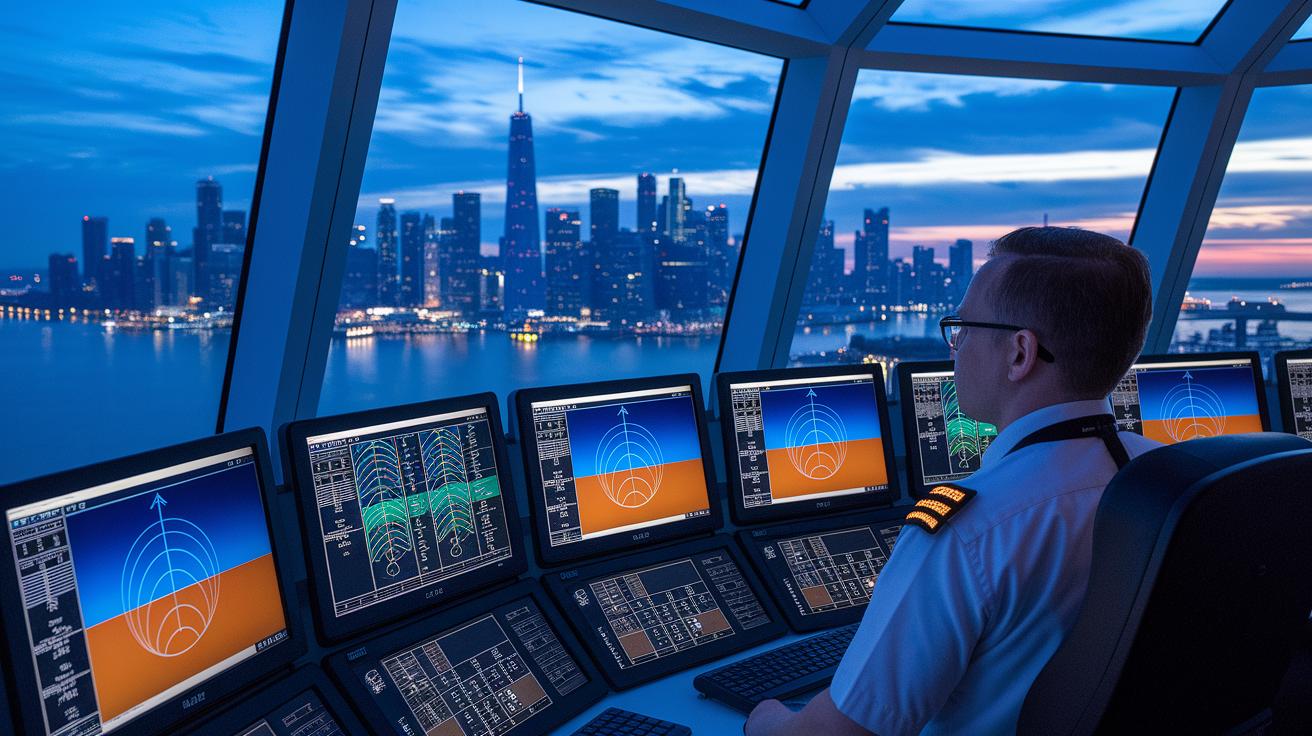
Airlines are using smart systems to plan their routes. With advanced AI, flight paths and schedules can be adjusted on the fly to save time and cut fuel costs. The new tech reviews weather, traffic, and other signals to help fine-tune paths and keep flights running smoothly.
Neural Network-Based Route Optimization
Neural networks study lots of data like weather conditions, air traffic, and past flight paths to find the best routes. For example, Alaska Airlines uses an AI-powered system that works like a digital map in the sky. It reviews route options instantly and picks ones that lower delays and reduce fuel use. This means flights can dodge stormy weather and cut costs.
AI Flight Scheduling Algorithms
Airlines also depend on smart scheduling tools that balance crew shifts, aircraft use, and maintenance needs. These algorithms look at both past trends and current information to craft a schedule that meets many demands at once. For instance, during busy times, an airline’s system can adjust its timetable automatically to keep flights on schedule without stressing the crew.
Real-Time Operational Adjustments
AI is also key when delays or unexpected events hit. If a takeoff is held up, the system quickly updates departure times and may reassign aircraft or crew. This real-time fix helps reduce the knock-on effects of delays and keeps passengers informed while smoothing out overall operations.
AI Airline Customer Service: Chatbots, Virtual Assistants, and In-Flight Personalization

Airlines are boosting their AI customer service to help you get answers faster. Experts say chatbots could handle up to 95% of questions by 2025. These digital helpers work 24/7, so you can easily rebook flights, check your itinerary, or get live flight updates when you need them.
- Chatbots reply to common questions right away, letting human agents focus on tougher issues.
- Virtual travel assistants walk you through schedule changes and extra service options.
- AI flight attendants offer meal ideas that match your taste while cutting down on food waste.
- An AI-powered Trip Finder smooths out travel planning by suggesting flights and hotels that fit your needs.
- Automated care systems study frequent questions to spot and solve problems before they grow.
New in-flight systems now track what each traveler likes in real time. Using past data and immediate feedback, airlines can adjust entertainment, dining, and more during the flight. This mix of smart automation and personalized help not only keeps you happier but also makes flights run more smoothly.
AI Airline Data Analytics: Real-Time Monitoring and Predictive Insights

Airlines today use smart machine learning tools that sift through enormous amounts of data to catch even the smallest irregularities. These systems mix old records with live data to spot changes that might affect flight operations. For instance, if the sensors pick up a slow rise or drop in temperature, the system can alert teams before a delay happens.
New real-time monitoring tools combine regular flight status feeds with clever anomaly detection. They pull data from sensors, control towers, and weather stations into one place. One algorithm even notices tiny shifts in fuel use during a flight, so crews can take action quickly.
Thanks to machine learning, predictive tools now study live weather and other operational hints while learning from historical trends. This lets airlines get ahead of potential issues. For example, spotting a sudden change in wind patterns can allow teams to adjust routes and lessen the risk of delays.
AI Airline Future Trends: Autonomous Operations and Sustainable Aviation
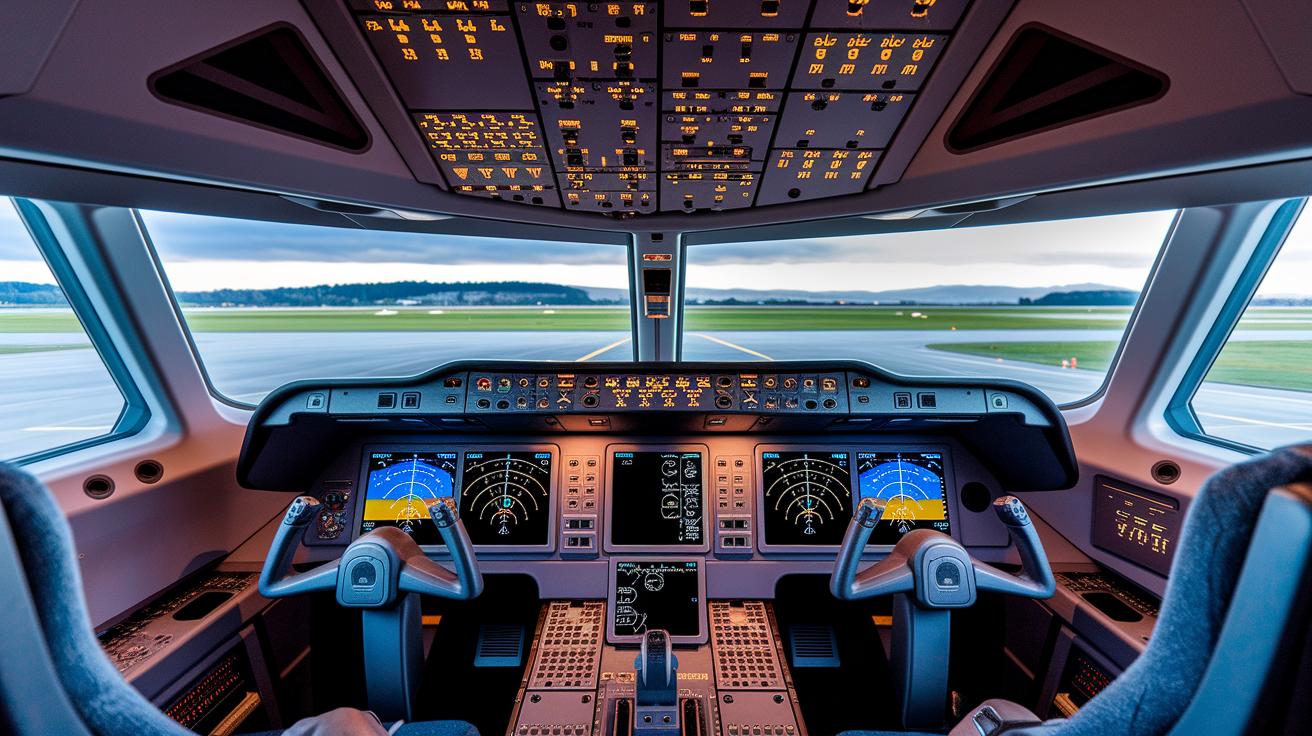
Airlines are trying out new tech that helps planes take off, land, and even taxi without human help. They use smart digital models (digital twins) and modern flight systems that fine-tune decisions in real time. This means flight paths can be adjusted as needed, and airports can handle traffic better during delays. Recently, International Airlines Group (IAG) named a Chief AI Scientist to boost these advancements.
AI is also key to reducing fuel use and cutting emissions. These advanced systems track how well a plane performs and help manage risks so that flights meet safety rules while being eco-friendly. This approach is setting a strong, sustainable path for the future of air travel.
Final Words
In the action, the article showed how technology is reshaping flight operations and passenger care. It covered practical uses of AI in route planning, pricing, maintenance, and customer service.
We saw real examples like United Airlines’ ConnectionSaver tool and Alaska Airlines’ routing system.
These insights highlight how ai airline applications make travel smoother, saving time and money while reducing stress. Embrace new tools that promise safer, more efficient flights and a better travel experience ahead.
FAQ
How can I purchase airline tickets?
Purchasing airline tickets involves using airline websites or trusted travel portals. They compare fares and offer deals on cheap airlines, helping you quickly secure the best price for your trip.
How can I book a flight with Alitalia Airlines?
Booking with Alitalia Airlines means visiting their official website or contacting a reliable travel agent. They guide you through selecting dates, seats, and payment details to confirm your flight.
What does the airline code AI mean?
The airline code AI stands for Air India. This official IATA code appears on tickets and schedules and helps passengers track flight information with ease.
How do I contact Air India customer care?
Contacting Air India customer care involves visiting their official website for phone numbers or using online chat services. This ensures you receive quick help and accurate information for your travel needs.
What information is available about US airlines?
US airlines include major carriers like American, Delta, and United, as well as budget options. They offer numerous domestic and international flights, with schedules and services accessible online for planning trips.
Who owns Alliance Airlines?
Alliance Airlines is privately held by its group of investors. Official company disclosures and their corporate website provide details on ownership and operational structure.
Which airlines are using AI technology?
Airlines such as Delta and United are using AI technology for dynamic pricing, route optimization, and customer service. This innovation improves efficiency and enhances the overall travel experience.
What defines airlines like Vistara, Air India Express, ITA Airways, IndiGo, Emirates, and British Airways?
These airlines are known for quality service in international and regional travel. They offer a range of options, including premium experiences and budget-friendly flights, suiting various traveler needs.
What is Tata Airlines?
Tata Airlines refers to aviation ventures supported by the Tata Group in India. These operations focus on high service standards, and current details are available on their official platforms.
How can I find information about airline flights?
Information on airline flights is available on official airline websites, flight tracker apps, and travel portals. These sources provide current schedules, delays, and updates to help you plan your journey.