

Can artificial intelligence change the way we fly? It looks like it can. Experts say the AI market in aviation could almost quadruple by 2028 as airlines put ideas into practice. Today, smart tools help optimize flight paths, check aircraft parts, and cut down on delays. Airlines are slowly updating old systems using simple, step-by-step programs like CAMP Connect and CORRIDOR Go. AI isn’t just a trendy term, it’s creating a safer, smoother, and more efficient future for commercial flights.
How AI Will Redefine Commercial Aviation Operations
The AI aviation market is set for rapid growth. It will climb from USD 223.1 million in 2022 to USD 914.1 million by 2028, showing a strong annual increase that pushes the field from theory to real-life use. Airlines now turn to AI to fine-tune routes, streamline operations, and jumpstart their digital upgrades.
Airlines are adopting step-by-step approaches like CAMP Connect and CORRIDOR Go. These tools let carriers update old systems bit by bit, making it easier to add new technologies. One airline applied modular AI for data reporting, and tracking real-time operations helped boost efficiency while cutting unexpected downtimes. It’s a clear sign that practical tech can bring measurable benefits.
Data collection, around-the-clock monitoring, and strong service support are part of this change. Carriers now use AI to sift through huge amounts of data, spot trends, and better plan maintenance and resource use. These smart tools work with solid back-end support so that major changes happen smoothly without disrupting daily flights. With such systems in place, airlines can catch issues early and avoid costly delays or safety risks.
AI isn’t just improving safety and upkeep. It’s also changing how airlines interact with customers and manage internal tasks. New tools are being tested to enhance everything from flight scheduling to crew management, all while ensuring a smoother travel experience. This transformation marks a big shift in the industry, as artificial intelligence becomes a core part of running commercial flights.
AI-Driven Predictive Maintenance Elevating Aircraft Reliability

Airlines now use smart sensors to monitor aircraft parts. These sensors watch parts in real time and keep track of how long they've been used and under what conditions. It’s like having a car’s dashboard alert you when something might be wrong.
Predictive models check this data and warn maintenance teams ahead of time so they can fix issues before they cause delays. This lets airlines plan the best times to repair or replace parts, which not only keeps flights on schedule but also saves money and boosts safety.
Generative AI helps spot faults faster by going through huge amounts of technical records. Instead of waiting for a breakdown, these smart systems flag problems early. Another tool, computer vision, inspects parts by comparing live images to past pictures, spotting small changes that might show wear.
Imagine a plane where small issues are caught hours before they become a big problem. These new systems are changing routine checks and making flights run more smoothly and safely.
Integration of Autonomous Flight Control and Smart Air Traffic Management
Autonomous Flight Control
Today, AI works like a trusted co-pilot. Modern systems use smart flight envelope protection (safety checks based on the plane's current status) to keep the aircraft within safe limits. Autopilot improvements powered by these algorithms help save fuel and react quickly when surprises pop up. For example, automated route re-planning uses live data on weather or mechanical issues to adjust the flight path, so pilots don't need to manage every detail. This lets crews concentrate on watching over the flight rather than adjusting controls constantly. Picture a plane that constantly checks itself and makes tiny fixes along the way, boosting safety with little human touch.
Smart Air Traffic Management
Smart air traffic management takes these ideas further by watching over the entire sky. Real-time systems monitor weather, changing light conditions, and the flow of air traffic. Using algorithm-led route planning, these systems adjust flight paths on the fly to handle situations like turbulence or crowded airspace. One clear example is how AI-driven route changes helped Alaska Airlines cut nearly 30 minutes off some transcontinental flights. During busy periods, these systems balance takeoffs and landings to reduce congestion. They link up neatly with ground control centers so everyone stays connected. In projects like the UK's Project Bluebird, which received £3M to test real-time solutions, such technology shows promise by adapting routes as weather, traffic, and airline constraints change. Together, these innovations aim to make flying smoother, safer, and more reliable for everyone.
Machine Learning Safety Innovations and Advanced Hazard Detection
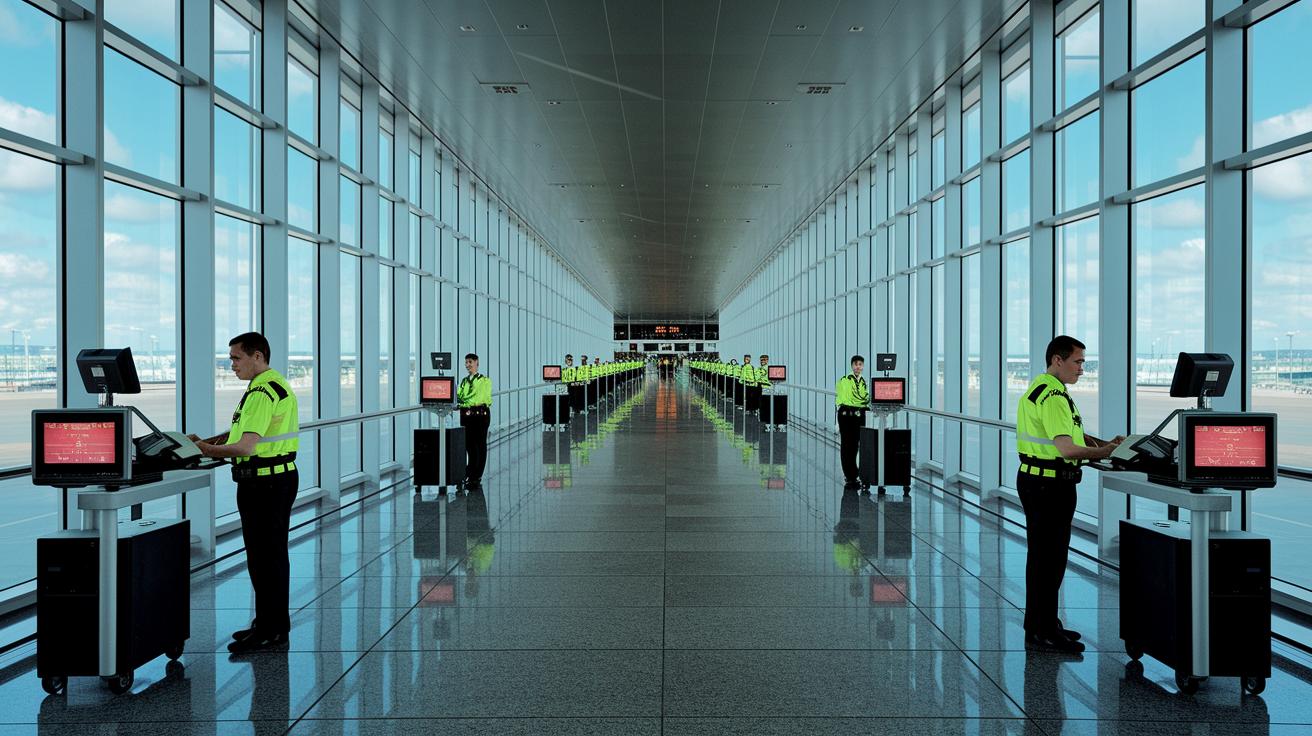
Airports and airlines are now using artificial intelligence to boost safety. Sensors placed in terminals keep an eye on how people move around and alert staff if someone enters a restricted area. For example, if a sensor notices unusual movement, it sends an alert right away to help keep everyone safe.
Inside the aircraft, smart systems analyze real-time data from crew members. They watch facial expressions and listen to voice patterns to check for signs of stress or fatigue. Imagine a system that picks up on a small change in a pilot’s tone during routine communication and immediately warns the team so that safety steps can be taken before a small issue grows.
New hazard detection models are getting better all the time by mixing large amounts of flight data with fast analytics. With strong encryption and round-the-clock network monitoring, sensitive flight data stays protected from breaches. These innovations strengthen both the physical and digital sides of aviation safety, building trust one sensor alert at a time.
Personalized Passenger Experience Through AI Innovations
Airlines are using AI to make your journey feel more personal and interactive. Chatbots and virtual assistants answer your questions quickly. Imagine asking about your meal or movie options and getting an instant reply. It's like having a friendly travel guide right in your pocket.
AI learns what you like by looking at your past trips and choices. It can suggest meal options that match your taste and even adjust in-flight quizzes, entertainment menus, and extra services just for you.
Live data makes a huge impact as well. You now get real-time updates on boarding, delays, and baggage status, so you're never left wondering what’s next. A pop-up on your mobile might say, "Your flight is moving ahead now," keeping you in the loop.
By mixing chatbots with live updates, airlines can meet your needs fast. This quick digital feedback combined with smart suggestions ensures every traveler starts the flight feeling informed and appreciated. As these tools get better, each flight becomes smoother and uniquely designed just for you.
Case Studies: AI Success Stories in Commercial Aviation
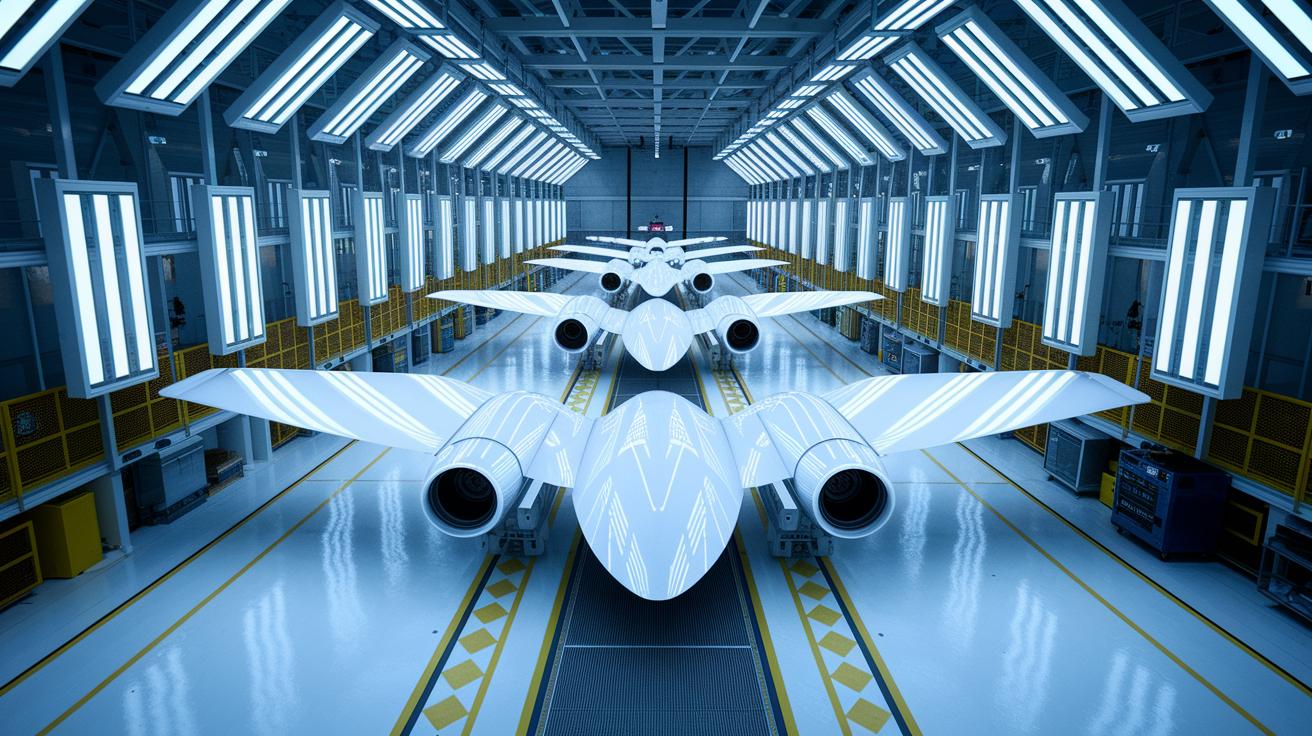
Airlines and aircraft makers are already seeing big benefits from artificial intelligence. Real-life examples show that smart tools and automation can speed up production, improve customer service, and help manage air traffic better. For example, one top manufacturer uses robots powered by AI for tasks like drilling, painting, and assembly. These machines work faster than people, which cuts production time and makes the process more reliable.
Another case comes from a well-known airline that has started using AI chatbots to answer customer questions. These chatbots reply in seconds, reducing phone wait times and boosting overall satisfaction.
There is also a project sponsored by the UK government called Project Bluebird. This test looks at how AI can make air traffic control more efficient. The system changes flight routes in real time, which saves fuel and uses the airspace better. It is part of a larger effort that involves cloud integration and digital twin technology (digital twins are virtual models of aircraft or systems that help forecast problems and plan repairs).
| Company | AI Application | Results |
|---|---|---|
| Boeing | Robotic automation in manufacturing | Faster build times |
| Singapore Airlines | AI chatbots for service | Improved response speed |
| UK Airspace Project | AI air traffic management | Fuel savings, efficiency gains |
These examples show that AI is quickly becoming a key tool in aviation, helping drive both efficiency and quality.
Regulatory Framework and Market Outlook for AI in Aviation
Regulatory authorities are making new rules for AI safety certification and data privacy. They want to keep up with rapid tech changes while keeping passengers safe and data secure. These new guidelines force airlines to adopt AI systems in a careful way and to use solid compliance checks that cover everyday risk and global network monitoring.
Investors are showing strong confidence. Market forecasts predict that the AI aviation sector will jump from USD 223.1 million in 2022 to USD 914.1 million by 2028. This growth highlights a big push to bring digital tools into air travel while following tougher rules that protect both data and safety. Industry leaders back systems that boost efficiency and meet strict standards for data analysis and security.
Key areas under review include:
- Setting safety certification standards for AI systems.
- Enforcing data privacy rules to protect sensitive flight and passenger information.
- Integrating compliance checks within current risk management processes.
As these policies develop, airlines are encouraged to use AI in ways that are clear and swift. Ongoing updates to the rules will help shape future investments and tech rollouts in commercial aviation. These steps promise a balanced approach where innovation and oversight work side by side to deliver safe and effective AI solutions in the skies.
Final Words
In the action, the article showed how AI is reshaping aviation operations. We saw predictive maintenance cut downtime, automated flight control streamline routes, and smarter systems boost safety and passenger service. Real-world examples highlight how these changes can cut delays and improve the travel experience. With strong regulatory support and solid market data, the future of AI in commercial aviation looks promising. Stay tuned as technology helps keep travel simple and efficient.
FAQ
What is the future of AI in commercial aviation for 2022 and 2025?
The future of AI in commercial aviation from 2022 to 2025 shows rapid growth in areas like predictive maintenance, autonomous controls, and enhanced passenger services, with significant market expansion and real-world deployment of AI solutions.
What do published research papers and PDFs on AI in aviation cover?
Research papers and PDFs on AI in aviation compile studies on safety, efficiency, and operational improvements, offering insights into advanced technologies, regulatory challenges, and evolving industry practices.
What are the risks of AI in aviation?
The risks of AI in aviation include cybersecurity concerns, over-reliance on automated systems, and challenges with regulatory compliance, all of which require careful oversight and robust safety measures.
How has the history of AI in aviation evolved?
The history of AI in aviation began with early research ideas and has evolved into real-world applications that enhance safety, operations, and customer service through advanced technology and data analysis.
How is AI enhancing aviation safety?
AI enhances aviation safety by predicting maintenance needs, detecting hazards through advanced sensors, and monitoring flight operations, which reduces downtime and improves overall operational security.
Will AI replace commercial pilots?
AI will not replace commercial pilots; instead, it will act as a valuable assistant by enhancing decision-making, supporting safety protocols, and providing operational insights.
Can AI take over air traffic control?
AI is not expected to completely take over air traffic control but will assist controllers by managing routine tasks, optimizing route planning, and processing data to support safer airspace management.
Will AI fly planes on its own?
AI will not fly planes entirely on its own but will help automate certain systems and support pilots in complex tasks, contributing to increased efficiency and safety.
Will AI replace flight attendants?
AI will not replace flight attendants; instead, it will support them by handling routine inquiries, providing real-time updates, and allowing the crew to focus on passenger care and safety.