

Ever wonder why plane tickets seem to cost more these days? Rising fuel prices, fewer available planes, and staff shortages push fares up. Airlines now use smart tools to update prices in real time as they cover their growing expenses. Extra fees for checking a bag or choosing your seat add to the overall cost. This post breaks down the main reasons behind higher airfares and shows you how each cost driver affects what you pay when you book your flight.
Major Factors Behind Expensive Airline Tickets

Airline fares are higher these days mainly because airlines are juggling rising costs and strong travel demand. After the pandemic, more people started flying again and there aren’t enough planes to meet this demand. This imbalance pushes prices up. One big cost driver is jet fuel, which can be 30–40% of an airline's expenses. In 2022, fuel prices jumped up to 150%, adding extra pressure on ticket prices.
Other factors also play a role. Many airlines are facing a shortage of pilots, flight attendants, and ground staff, which forces them to pay higher wages. Global inflation means that even basic items like spare parts and airport food get more expensive. Airlines adjust their fares in real time using smart pricing tools that change the cost based on how many seats are sold and when you book. They may also charge extra for baggage or choosing your seat. Plus, when airlines merge or consolidate, there’s less competition, so prices tend to rise even further.
Here’s a quick look at the main reasons for these higher fares:
| Cost Driver | Impact |
|---|---|
| Rising jet fuel costs | Fuel surcharges add to ticket prices |
| Limited number of aircraft | Supply and demand imbalance pushes fares up |
| Labor shortages | Higher wages for pilots, attendants, and ground staff |
| Global inflation | Increased costs for spare parts and airport services |
| Dynamic pricing algorithms | Fares change in real time based on demand |
| Industry consolidation | Less competition means fewer lower-cost options |
All these factors add up, making it harder for airlines to avoid passing on their higher costs to passengers. When you book a flight, the price you see reflects not just fuel costs but also these wider challenges in the industry.
Fuel Prices and the Cost of Airline Tickets
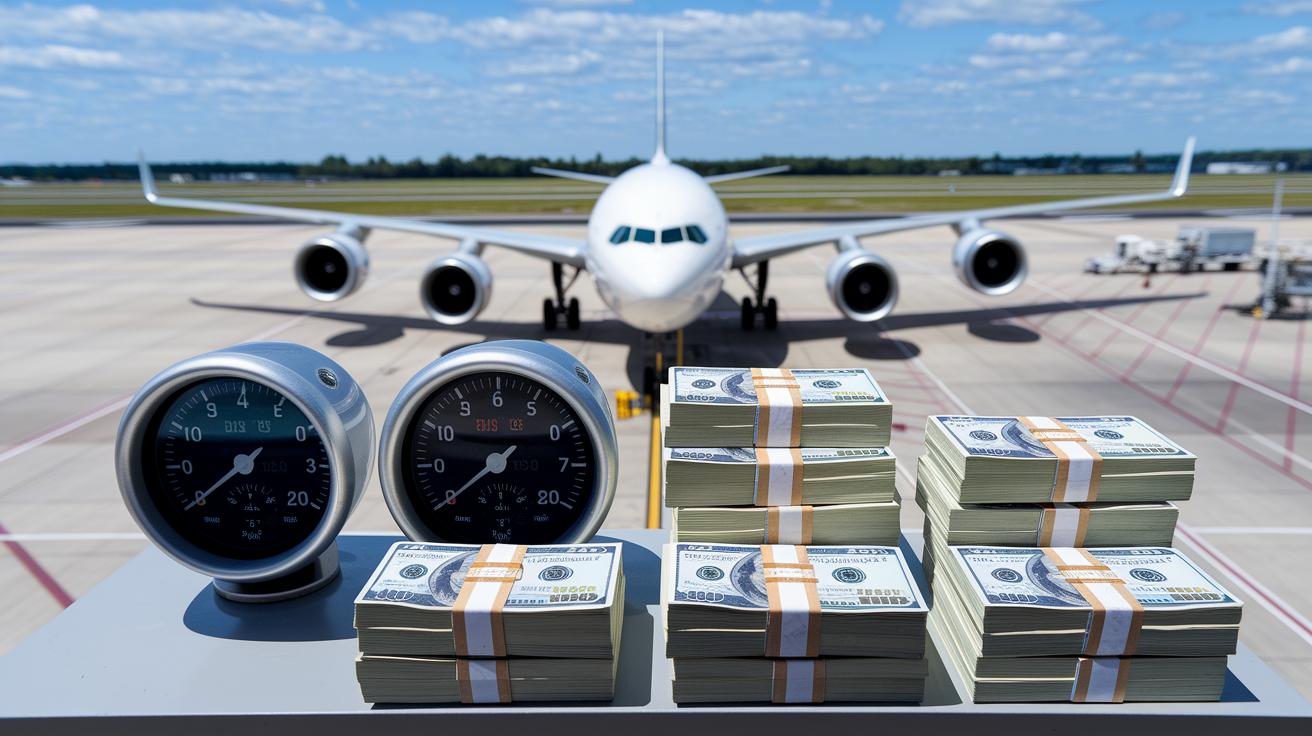
Airlines spend about 30 to 40% of their operating budgets on jet fuel. Even a small change in fuel prices can lead to noticeable differences in ticket costs. That's why carriers keep a close eye on fuel spending.
In 2022, unstable global oil prices pushed jet fuel rates up to 150% higher than before the pandemic. This steep increase forced many airlines to adjust their budgets as wild swings in oil prices continued.
To offset these rising costs, many airlines now add fuel surcharges directly to their ticket prices. When a hedging strategy (a method used to lock in fuel prices) expires, the extra cost of crude oil is passed on to you. In short, if you see a fuel surcharge on your ticket, it means that higher oil prices are affecting airlines across the board.
How Airline Operating Costs Drive Up the Price of Airline Tickets

Global inflation is pushing up more than just fuel prices. Airlines now face higher costs for spare parts, ground handling, and even airport food. They spend more on everything from engine components to onboard meals. This means even routine services like scheduled cleaning or repairs cost more, and those costs ultimately show up in your ticket price.
Labor costs have also surged. With fewer workers available and tougher union negotiations, airlines have increased wages for pilots, flight attendants, and ground crews. They’re also spending extra on training and keeping skilled employees. All of these factors make it hard to trim expenses without hurting service quality, especially as travel demand remains high.
Airlines are also investing in better traveler experiences. Upgraded Wi-Fi, lounge access, and more flexible ticket options add extra, appealing features. These improvements, however, come at a cost. To balance the books, airlines pass these extra expenses on to passengers by raising ticket prices.
How Taxes and Fees Increase the Cost of Airline Tickets

When you first see an airline ticket, that price only covers the basic fare. You still have to pay extra, like government taxes, airport fees, and airline surcharges. So when you book a ticket, the final cost includes these hidden charges that aren’t shown in the initial price.
- Checked baggage fees
- Seat selection charges
- Onboard meal costs
- Priority boarding surcharges
- Flight booking fees
Airlines call this method unbundling. They separate out services that used to be part of the ticket price. Low-cost airlines often advertise very low base fares, but then add charges for extras such as carry-on baggage or meals. In the end, you pay more than the price you first saw, which can lead to surprises at checkout.
Supply and Demand Imbalances Raising Airline Ticket Prices

Revenge travel has changed how we book flights. Airlines are retiring older planes, which means fewer seats. Even off-peak flights sell out in just a few hours, forcing last-minute bookings at higher prices. For instance, some nonstop flights can have a 20% higher fare during the holidays as seats vanish quickly, showing how tight supplies push prices up.
Pilot and crew shortages add to the problem. Fewer flights on busy city pairs mean travelers have limited choices even when demand is high. As these few flights fill up fast, airlines raise fares further on nonstop services.
Seasonal peaks make this situation worse. Record numbers of passengers since COVID mean even routes that once had plenty of seats now sell out quickly. This rapid sellout leads to much higher prices on the most in-demand services.
Dynamic Pricing Models Shaping Airline Ticket Costs

Airlines now use smart computer tools that adjust ticket prices every minute. These systems use machine-learning (computers that learn from data) to set fares by looking at details like how far ahead you book, your search history, the number of available seats, and what other airlines charge. When many travelers search for a flight at the same time, the tool may raise prices. If fewer people are looking, the system can lower fares. This way, airlines set prices that match real-time demand.
These pricing models crunch large amounts of data quickly. They assess several factors at once and adjust prices in seconds with every search. This keeps ticket prices flexible and in tune with current travel trends.
For travelers, these fast-changing prices can be confusing. Searching for a last-minute ticket might mean paying more than expected. Understanding how these tools work can help you pick the best time to book your flight.
Seasonal and Geopolitical Factors Affecting Airline Ticket Expenses

During busy times like Christmas and Thanksgiving, flight prices can jump by 20–30%. Airlines know that many travelers are eager to fly, so they raise fares to match the high demand. In fact, during peak holiday periods, last-minute bookings can cost a lot more.
Summer travel usually comes with higher prices because families and vacationers fill up the flights. On the other hand, off-peak winter months can mean tickets are 10–15% cheaper, which can be a welcome break for those watching their budgets.
Sometimes, political events force airlines to change their usual routes. For instance, if a flight is redirected because of airspace closures over conflict zones, it can add up to three extra hours of flying and more fuel costs. That extra time and expense lead to noticeably higher ticket prices.
In short, both the season and global events play big roles in how much you pay for a flight. While crowded holidays and summer trips push fares up, off-peak times and unexpected route changes can affect costs too.
Industry Consolidation and Competition’s Role in Airline Ticket Pricing

Since the Airline Deregulation Act, many mergers and bankruptcies have reshaped the market. Big carriers like American Airlines, Delta Air Lines, and United Airlines now control most domestic routes in the United States. With fewer players to challenge them, these airlines can charge higher fares without the pressure of strong competition.
When travelers have very few choices, the airlines feel less pressure to lower prices. They set fares high to cover rising costs. This pattern is also seen in parts of India where low-cost options are limited. When there are not many low-cost operators, airlines have little reason to reduce prices, and limited flight capacity drives fares up.
Economic factors make this problem even worse. With fewer competitors, airlines aren’t forced to lower prices even when their costs go up. Instead, they pass those extra expenses on to you, the traveler. In simple terms, the way airlines have consolidated over the years pushes ticket prices higher for everyone.
Final Words
In the action, we broke down the forces behind rising airline ticket prices. We looked at rising fuel costs, higher labor expenses, extra taxes and fees, demand and capacity mismatches, digital pricing models, and industry consolidation. Each of these elements plays a role in the puzzle of why are airline tickets so expensive.
By understanding these factors, travelers gain practical insights for smarter planning. Despite the challenges, being informed helps keep travel decisions clear and positive.
FAQ
Q: Why are airline tickets so expensive?
A: The high price of airline tickets reflects rising fuel costs, limited seat availability, increased labor and maintenance expenses, and additional fees. These factors have all intensified post-pandemic as travel demand surged.
Q: Are flights more expensive because of government shutdown?
A: The cost increase during a government shutdown is not the main driver of high fares. Instead, airlines face rising fuel, labor, and operational expenses that significantly impact ticket pricing.
Q: What is the cheapest day to buy a plane ticket?
A: The cheapest day to buy a plane ticket is often Tuesday. Many airlines launch midweek deals, making it a smart time to search for lower fares.
Q: What is the cheapest time to book flight tickets?
A: The cheapest time to book tends to be a few months before your departure. Early bookings usually secure lower fares as airlines offer better pricing before demand peaks.
Q: How can I get 50% off on flight tickets?
A: Getting 50% off relies on special promotions or flash sales. Keeping an eye on airline newsletters and travel alert websites can help you catch these discounted deals.
Q: Will flight prices go down closer to the departure date?
A: Flight prices rarely drop as the departure date approaches. Last-minute fares tend to be higher due to limited availability and increased demand, though occasional short-notice offers may appear.
Q: What should I know about Southwest, Frontier, Spirit, Sun Country, American, and United Airlines?
A: Each airline has a unique fare structure. Budget carriers often use add-ons to boost revenue, while larger carriers include more services upfront. Comparing options helps you find a deal that fits your needs.