

Are higher wages hurting airlines or helping them? Airline labor now makes up about a third of all expenses, and wages have steadily increased since 2019. Pilots and flight attendants see pay hikes between 8% and 15%, and ground staff wages jump by 6.2% each year. New tools like AI-driven crew scheduling (smart systems that plan shifts efficiently) help keep costs per unit of work almost unchanged. This analysis explains these changes and shows why, even with higher costs, airlines might still look to a brighter financial future.
airline labor costs analysis: Optimistic Outlook
Airline labor expenses make up about one-third of all operating costs and have been rising steadily since 2019. Pilot and flight attendant wages are increasing by 8% to 15% between 2023 and 2025 as airlines work hard to attract skilled workers. Ground staff pay is up by 6.2% year-over-year, showing that this trend is consistent throughout the industry.
Experts now expect total airline labor costs to hit $253 billion in 2025, a 7.6% increase from 2024. Even with overall labor expenses rising, the cost for each unit of work has only grown by around 0.5%. This small increase comes from new productivity measures like AI-enhanced crew scheduling and dynamic pricing, tools that help keep unit costs low and set clearer salary benchmarks.
Shifts in labor costs are also influenced by events like strikes, which can create sudden price spikes. These moments serve as reminders of how delicate the balance is between cost management and workforce stability. With labor market trends constantly changing, it’s important for airlines to monitor these figures closely to shape effective financial strategies.
Drivers of Airline Labor Cost Fluctuations
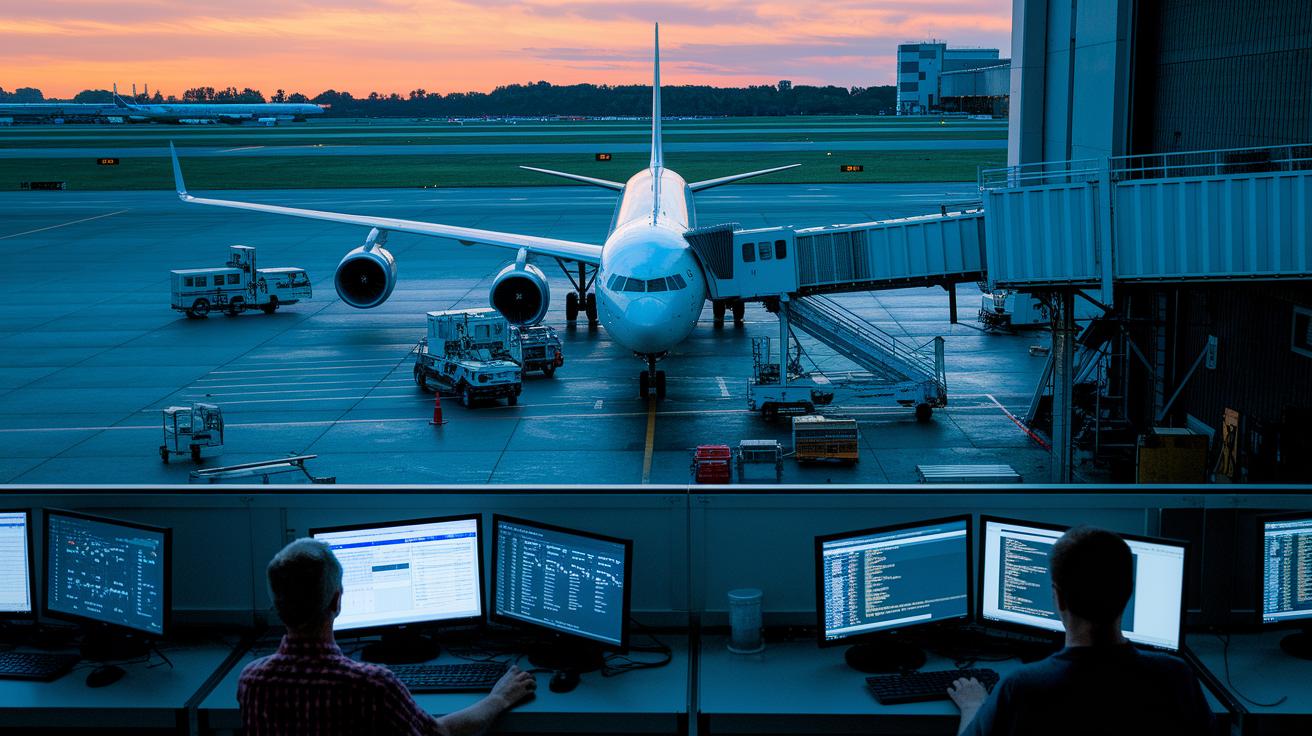
Airlines deal with many changing factors that affect their labor costs each year. It’s not just about base wages; added benefits and overtime pay also boost the overall expense. Picture an airline that pays extra overtime to cover a shortfall in its schedule – even small changes like that can really add up.
When new planes are delayed, airlines must stick with older fleets for longer periods. These aging aircraft need more upkeep, which means higher maintenance costs. At the same time, airlines are spending more on cybersecurity staff (the people who protect against digital threats), adding another expense to the mix.
New sustainable fuel rules also push airlines to put extra resources into meeting tougher regulations. Even though these changes aim for a greener future, they create more pressure on airline budgets.
Union talks play a big role too. Multi-year contracts with pilots and crew often include gradual wage increases that follow market trends. Recent deals have shown steady wage hikes, providing long-term stability while pushing costs up.
With market conditions and regulations constantly shifting, airlines have to adapt fast. Every department keeps a close eye on expenses, working hard to make sure every dollar spent on a skilled workforce counts.
Detailed Breakdown of Airline Labor Cost Components
Airline labor costs go way beyond base pay. They cover things like overtime, training costs, retention bonuses, pension contributions, health benefits (about 20% of wages), and hiring expenses. For example, a pilot’s regular training and performance bonuses boost both job satisfaction and overall efficiency.
Pilot wages now hit the six-figure mark, with mid-career pay rising about 10% from 2023 to 2025. At the same time, flight attendants have seen their average earnings increase by around 12%, while ground staff wages grew by about 6.2% each year. Just imagine a flight attendant who earns bonus pay for extra hours, it all adds up to the complete picture of employee compensation.
| Role | 2023–2025 Wage Growth | Average Salary Range |
|---|---|---|
| Pilots | +10% | Six-Figure |
| Flight Attendants | +12% | Varies, mid-range |
| Ground Staff | +6.2% | Lower range |
Airlines also invest a lot in training programs and retention plans. These efforts help lower hiring costs and reduce expenses from high employee turnover. Health benefits add roughly one-fifth to a worker’s base pay, and pension plans plus overtime pay add even more layers to the wage structure.
For instance, think of a pilot who earns a six-figure salary along with strong retention bonuses and full health benefits. These measures keep the team stable and boost performance, clearly showing how airlines put their money into taking care of their crew.
Historical Trends in Airline Labor Costs Since 2019

Since 2019, airline labor costs have grown from roughly 30% of operating expenses to a bit over 33%. This rise stems from the industry's recovery after the pandemic and scheduled pay raises built into worker contracts. For example, wages for pilots and flight attendants increased by 18–20%, while those for ground staff rose by about 15%.
Picture this: a pilot’s paycheck climbs steadily like a plane rising gracefully after takeoff. These figures tell the story of how market recovery has reshaped compensation across the industry.
Forecasting and Productivity Impacts on Airline Labor Costs
In 2025, airlines are set to spend about $253 billion on labor, which is a 7.6% jump from 2024. Even though wages are climbing, smart productivity tactics have kept the cost increase per unit to only around 0.5%.
Experts create these forecasts by mixing historical wage data, planned staffing levels, union contract raises, and inflation estimates. They now add modern tools like AI-powered scheduling (software that matches crew assignments with flight demand) to cut down on wasted time. Before, delays often led to scheduling chaos. Now, smart algorithms make crew assignments flow smoothly.
Airlines also trim costs by cross-training staff to handle different jobs during busy times and by using lean staffing models that prevent extra hands. Early tests show these moves could raise dynamic pricing revenue by 12–18%, cut aircraft downtime by 35%, and reduce maintenance labor costs by 25%.
Strategies for Airline Labor Cost Optimization
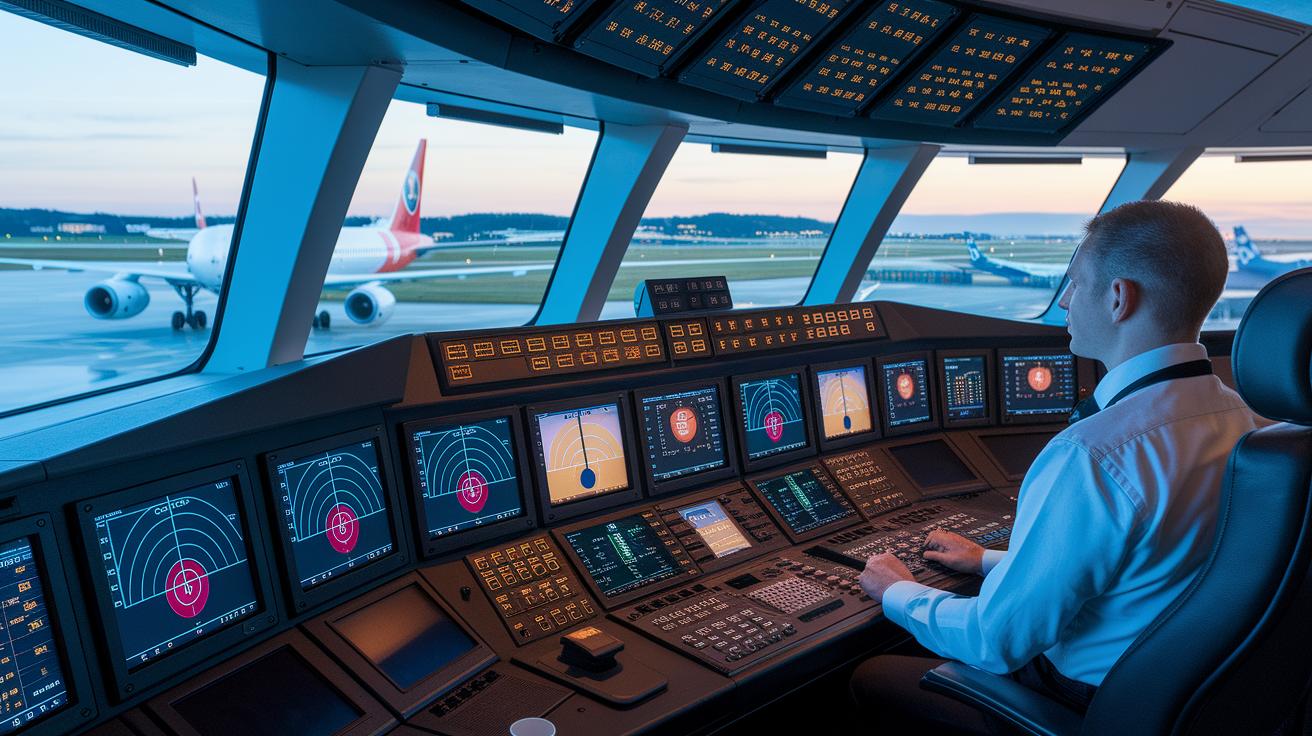
Remember our earlier deep dive into cost details and forecasting? Here’s a quick summary of practical ways to keep labor expenses down.
- Try AI-powered crew scheduling. These tools match crew members to flights in real time, like a smart digital planner.
- Use predictive staffing models to cut down on idle time and unnecessary overtime.
- Speed up turnaround times by automating routine tasks, which helps lessen delays.
- Upgrade baggage handling with automated systems that sort luggage quickly, much like a well-oiled assembly line.
- Align staffing needs with actual flight demand by using dynamic pricing and real-time analytics.
Final Words
In the action, we detailed key trends across rising wages, benefit expenses, and evolving workforce needs. We broke down roles from pilots to ground staff and linked bench‑marked figures with future forecasts. We also outlined practical strategies like AI-driven scheduling that help curb labor cost pressures while maintaining service quality.
This airline labor costs analysis provides clear insights to guide smarter travel decisions. Looking ahead, these insights offer a positive roadmap to manage costs effectively and enhance overall efficiency.
FAQ
What is detailed in an airline labor costs analysis PDF?
An airline labor costs analysis PDF explains trends in wages, benefits, and expense breakdowns. It provides historical data and future forecasts to help operators optimize staffing expenses.
What does the airline labor costs analysis 2021 review?
The airline labor costs analysis 2021 reviews wage increases, benefit expenses, and labor share of operations. It offers insights for comparing past trends and informing future budgeting and planning.
What is covered in an airline cost breakdown?
An airline cost breakdown details fixed versus variable expenses, highlighting labor costs such as wages, overtime, and benefits. This information supports effective cost management and operational improvements.
What does an airline cost index list show?
An airline cost index list ranks expense categories like labor, fuel, and maintenance. It helps carriers benchmark their efficiency and identify areas for reducing operational costs.
How much does a delay cost an airline per minute?
A delay costs an airline per minute by increasing labor and operational expenses. Exact costs depend on factors like route and staffing, stressing the need to manage schedules closely.
What insights come from the Oliver Wyman Airline Economic Analysis?
The Oliver Wyman Airline Economic Analysis examines labor trends and cost drivers such as wage growth and benefit expenses. It offers valuable forecasts that help carriers implement strategic financial planning.
What factors contribute to the overall cost of running an airline?
Running an airline involves costs such as fuel, maintenance, and significant labor expenses, including wages and benefits. Understanding these factors guides effective budgeting and resource allocation.
What are airline fixed costs?
Airline fixed costs include expenses like labor salaries, lease payments, and overhead that remain constant regardless of flight numbers. Recognizing these costs is essential for accurate budgeting and financial planning.