

Airlines are gearing up for a big comeback. Global passenger numbers could hit nearly 5 billion this year and double over the next 20 years. With travel rules easing, leisure travelers are taking the lead and boosting confidence in flying. At the same time, carriers are streamlining their services to meet growing demand. This blog takes a close look at how post-pandemic trends point to more than just recovery, they signal a strong resurgence in airline economics.
Economic Recovery and Passenger Demand Shifts in Post-Pandemic Airlines
Airline experts see big growth ahead. They expect global passenger numbers to double in the next 20 years. By the end of 2024, about 4.96 billion people are set to fly. This positive outlook comes after a slow recovery while airlines and airports adjust to new ways of operating. These numbers build a strong case for recovering revenue and reviving travel after the crisis. They also suggest that international travel and domestic flights are on the rise.
Regional markets are showing strong signs too. In the United Kingdom, airport passengers increased from 83.9 million in 2023 to 88.7 million by the third quarter of 2024. This jump proves that travelers are regaining confidence as flight restrictions ease. Airlines are reshaping their networks and schedules to meet this surge, preparing for more growth in the future.
| Metric | Value | Timeframe |
|---|---|---|
| Global Passenger Growth | Double in 20 years | Next 20 years |
| Forecasted Traveler Count | 4.96 billion | End of 2024 |
| UK Airport Passenger Growth | 83.9M to 88.7M | 2023 – Q3 2024 |
Since travel restrictions lifted, the mix of passengers has changed. Leisure travelers now outnumber business folks. With better safety measures and looser travel rules, more people are flying for vacations and to reconnect with family and friends. In response, airlines are shifting their services to better serve these vacationers and tap into new travel opportunities.
Post-Pandemic Cost Optimization and Operational Efficiency Improvements in Airlines

Airlines are working hard to cut costs while updating their systems. They are using digital ticketing and automated check-ins to speed up service and reduce mistakes. This smart shift lowers errors and means passengers spend less time at counters, so airlines can focus on other important tasks.
Safety still comes first after the pandemic. Airlines have stepped up cleaning routines and added contactless options. These steps help passengers feel safe and keep lines moving fast through terminals. By investing in health measures, airlines show they care about travelers, which helps boost revenue.
Technology upgrades are paying off, too. More efficient ground work and better fleet scheduling have slashed turnaround times. New tools in maintenance make it easier to predict issues, which cuts fuel and labor costs. These improvements save money and put airlines in a strong spot as travel demand bounces back.
Pricing Strategies, Ancillary Revenue Streams, and Loyalty Program Evolution in the Post-Pandemic Era
Airlines are now using flexible pricing that changes fares in real time. Prices can shift within minutes depending on how many people are booking, so travelers might see ticket costs go up or down as demand changes. Systems like the one behind those expensive-looking tickets help airlines capture extra revenue during busy times.
Airlines are also finding smart ways to earn more money by charging for extra services. They collect fees for checked bags, seat selections, onboard Wi‑Fi, and even premium add‑ons. Think of it like paying a small fee to secure a window seat that makes your flight a bit more comfortable.
Loyalty programs are changing too, with a new focus on leisure travelers. Now, airline programs offer layered perks and bundled extras that reward you for using add‑on services. For example, you might rack up bonus points when you choose a premium option, eventually unlocking special benefits. This approach not only builds customer loyalty but also increases the money earned per passenger.
Sustainability Trends and Green Aviation Initiatives Shaping Airline Economics
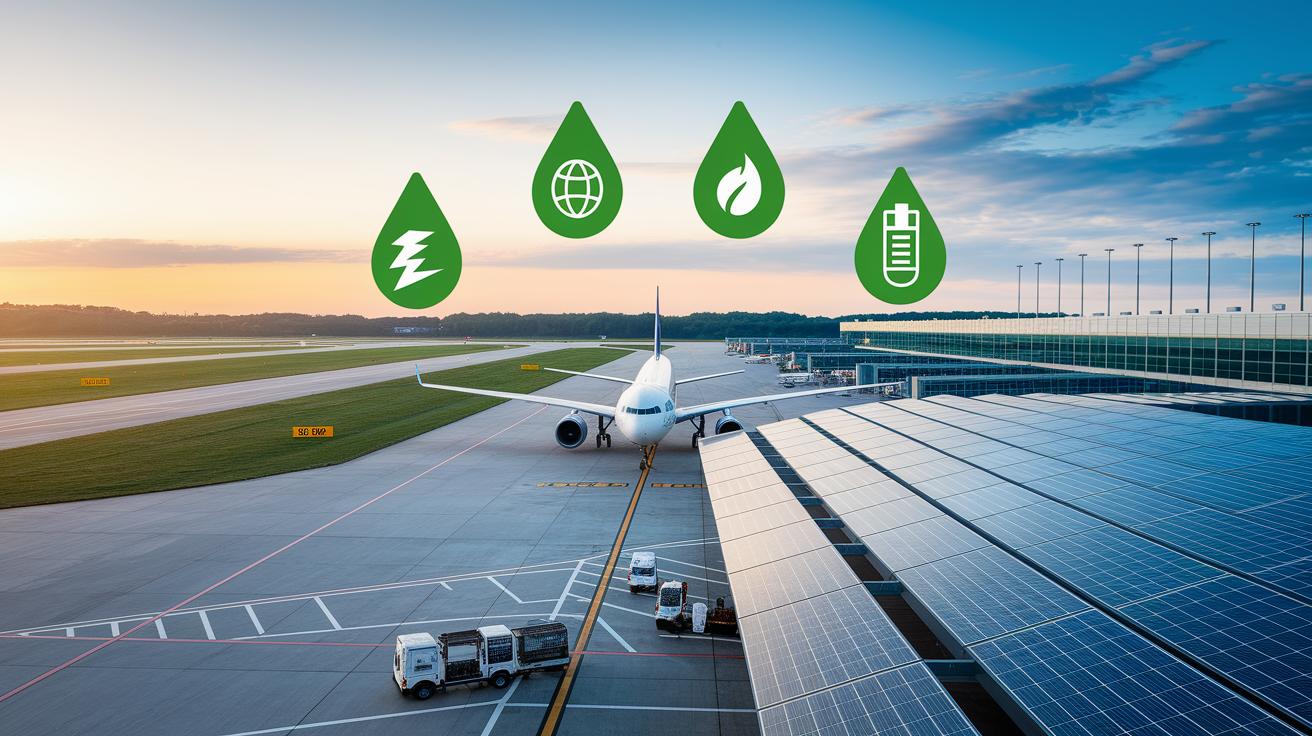
Airlines and airports are making big changes to go greener. They are turning to sustainable aviation fuel (a cleaner type of jet fuel) and using lighter materials so planes use less fuel and emit fewer gases. New designs now feature eco-friendly materials that cut weight and lower fuel use, helping the industry tackle climate change head on.
Rules and regulations are getting stricter too. Governments and international bodies now require detailed environmental reports and set tough net-zero targets (goals to balance greenhouse gases). These demands push airlines to upgrade to cleaner tech and change how they work, which is reshaping costs all across the board.
Big events like Inter airport Europe 2027 and The Airport Show 2026 are also putting green tech in the spotlight. Experts from around the world share smart, sustainable ideas that help move the industry forward. These shows not only spread practical tips but also spark more investments in eco-friendly solutions.
Post-Pandemic Capacity Management, Network Adaptation, and Route Profitability Analysis
Airlines are adjusting how they manage flights now that travel is picking up after the pandemic. They are changing the number of seats and how often flights run. Key international routes are being brought back based on how much money they make. Using data and simple analysis, they decide which routes to ease up on or boost. These methods help airlines run flights efficiently and keep passengers happy while making the most money on each trip.
Carriers are also fine-tuning their networks using profitability checks and digital tools. Real-time data helps them see which routes perform best and where to make changes. Small tweaks like changing schedules on the fly or adding flights on busy routes ensure more value on competitive markets. This approach cuts down on wasted capacity and improves overall financial health.
| Technique | Application | Expected Benefit |
|---|---|---|
| Dynamic scheduling | Adjust flight times and frequencies to fit demand | Better seat use and higher revenue |
| Yield analysis | Watch how well key routes do | Improved profitability on top routes |
| Digital monitoring | Use live data for quick decisions | Faster network adjustments |
Airlines are also forming alliances and merging to strengthen their networks. By teaming up, they stretch their global reach without heavy new investments. This sharing of routes and resources helps them all adapt when market needs change.
Future Outlook and Strategic Resilience in Airline Economics
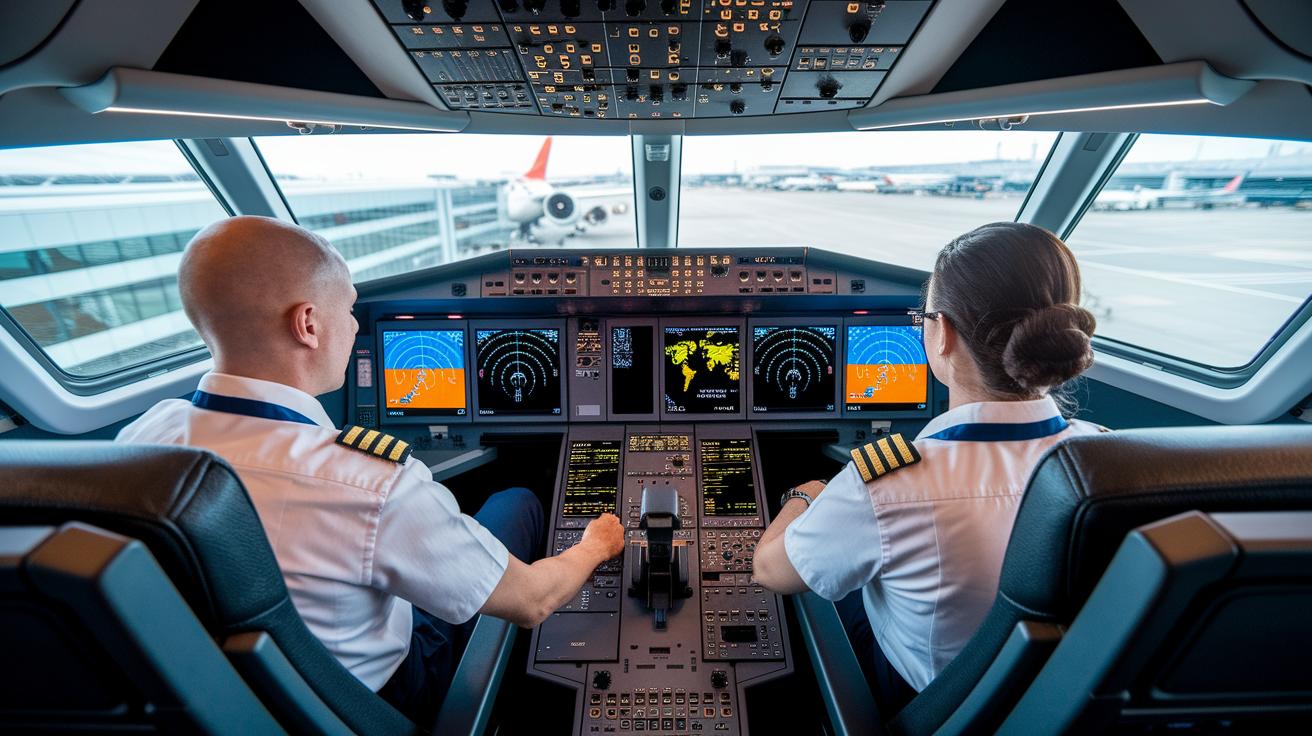
Experts expect the aviation market to grow steadily over the next few years, with record passenger numbers by 2024. Airlines are gearing up for a travel boom as the global economy bounces back. Strong growth trends and positive signals point to higher load factors on domestic and international flights.
Investor confidence is on the rise thanks to strong stimulus measures and proactive government support. Capital markets are taking a fresh look at the sector, and many carriers now predict improved earnings. By hedging fuel costs (protecting against fuel price jumps) and boosting extra revenue streams, airlines are making smart moves that reassure investors and brighten the industry's outlook.
Airlines are weaving crisis management and financial restructuring into their everyday plans. They’re setting up solid backup plans to handle unexpected shocks and adjust costs quickly. This strategy protects immediate profits while building trust with stakeholders.
Long-term planning continues to play a crucial role. Airline leaders are mapping out strategies that shield the industry from ups and downs by investing in flexible technology and forming strong partnerships to spread risk. These proactive steps help airlines face future challenges while steadily moving toward a resilient and profitable future.
Final Words
In the action, this article broke down how airlines have rebounded in numbers and efficiency, from global recovery figures to on-the-ground digital shifts and greener operations. We looked at flexible pricing and improved loyalty programs, alongside a realignment in capacity management that supports smoother networks.
Reviewing cost, safety, and sustainability, the post-pandemic airline economics trends show a strong commitment to resilience that benefits every traveler. The industry is on an upward path, making future travel decisions a little easier and brighter.
FAQ
What are the post pandemic airline economics trends from 2020 through 2023 and how did COVID‑19 shape them?
The post pandemic trends from 2020 to 2023 show airlines recovering with shifts from business to leisure travel, digital check‑ins, and tighter health protocols. COVID‑19 accelerated adjustments in demand, cost management, and operational safety.
What is the airline industry outlook for 2025 and 2026?
The airline industry outlook for 2025 and 2026 points to strong passenger recovery, increased investor confidence, and strategic network adjustments. Airlines are embracing technology and dynamic pricing to improve revenue and performance.
What are the current trends in the aviation industry?
Current trends include greater use of digital ticketing, improved operational efficiency, greener practices, and flexible fare models. Carriers are adapting by investing in tech upgrades and cost‑saving measures to meet evolving traveller needs.