

Ever get lost in a huge international airport? Many travelers face confusing signs and winding corridors that make it hard to find their way. A little planning can set you up for a stress-free start. Prepare a day in advance and use airline apps and digital boarding passes to spot key areas like security, gates, and lounges. Follow these simple tips to turn a hectic terminal into a clear, manageable space that helps you travel with ease.
Essential Steps for Large International Airport Travel
Plan ahead by starting your airport routine a day before your flight. Download your airline’s app right away and check in online as soon as possible to pick your seat. Save a digital copy of your boarding pass and even take a screenshot. This little step can calm your nerves if trouble pops up at security.
Take a moment to look over the airport’s map. Know where the curbside drop-off, security, your gate, lounges, and baggage claim are. Studying the layout saves time and cuts stress. When you get there, use self-service kiosks to print bag tags and boarding passes. They can save you minutes compared to waiting in a long line.
Before you leave, check that your travel documents are in order and packed in a secure folder. Keep an eye on your airline app for any last-minute updates.
- Download the airline app and check in early
- Save a digital copy of your boarding pass
- Review the airport map to know key areas
- Use kiosks to print documents and bag tags
Doing these steps one by one makes the whole process smoother. A little prep can turn a hectic start into a calm departure, so you can focus on the excitement of your international trip.
Understanding Large International Airport Terminal Layouts

At many big airports, arrivals are on the ground level while departures happen on the upper floors. This means you might need to change levels to get to check-in, immigration, or your boarding gate. To help you find your way, terminals usually label gates with letters like A or B or numbers like 1 or 2.
Airports are built to feel natural. You’ll often see related services like security, shops, and dining grouped in color-coded zones. For example, Changi Airport in Singapore even has a connector that links several areas together so travelers can move between services more easily.
Keep an eye out for directional signs. Many airports display maps and screens that show you where automated trains or shuttle buses stop at different concourses. Using these transport options can save you time if your gate is farther away than you expected.
Always note the layout of floors and zones. If the departure hall is on a higher level, find the nearest stairs or elevator early so you don’t have to backtrack later. Reading the terminal layout carefully can help you move smoothly through check-in, immigration, and exit points.
Streamlining Security at Large International Airports
When you’re traveling internationally, saving time at security is key. Signing up for programs like Global Entry or TSA PreCheck lets you skip long lines and use special lanes. For example, if you wear slip-on shoes without metal parts, you can breeze through the ID check and bag screening much faster.
Plan your outfit wisely. Clothes without metal help you move quickly through scanners. Pack your liquids in 3.4 oz containers inside a clear, quart-sized bag, and keep your electronics in an easy-to-reach top pocket. Also, leave items like pocketknives, full bottles of water, or aerosol sprays at home since these can cause extra screening.
Before you head to the terminal, check live wait times on your airline’s app. This simple step lets you better plan your time at the checkpoint and avoid delays.
- Sign up for Global Entry or TSA PreCheck for quicker lanes
- Wear shoes and clothes without metal for smoother scans
- Keep liquids and electronics easily accessible
- Don’t bring prohibited items, so you avoid extra screening
For more tips on speeding through security and smart packing, visit Aviation Security Guidelines.
Managing Transfers in Large International Airport Hubs
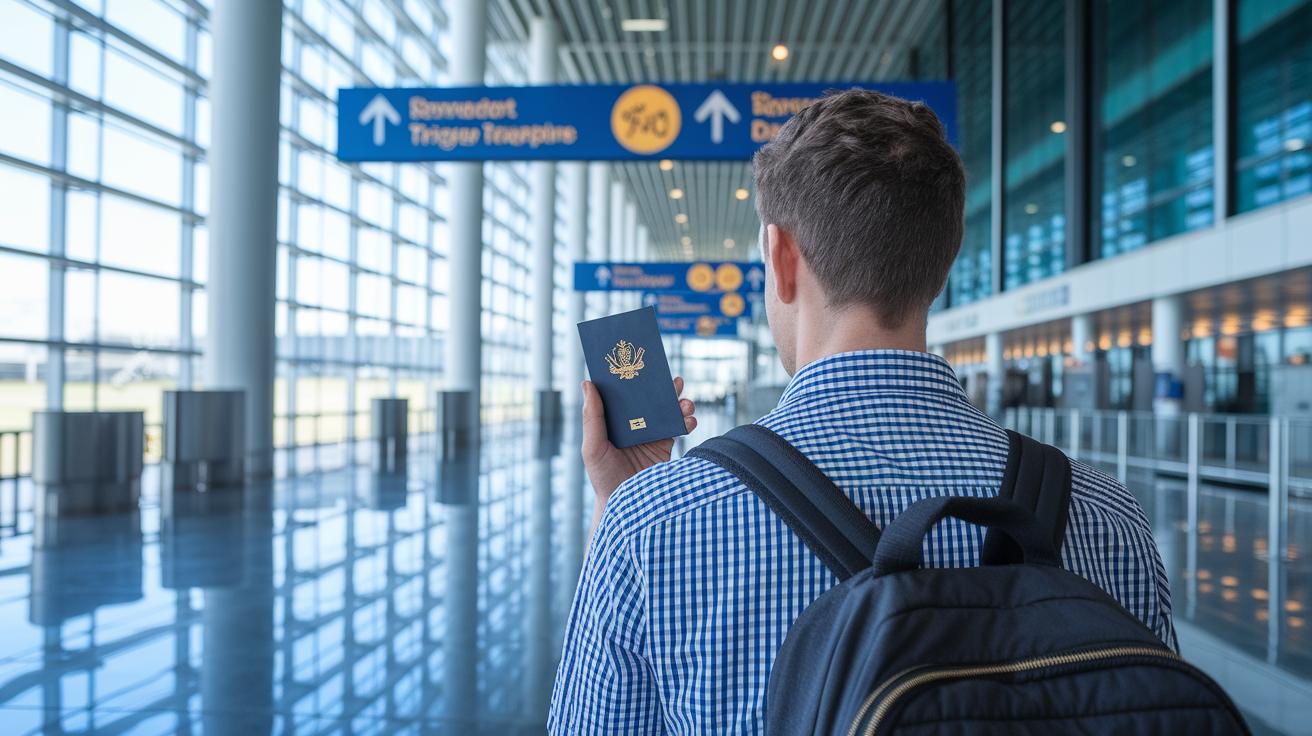
Understanding your transfer process can help you avoid stress. Start by checking the minimum connection times with your airlines and looking for clear airport signs. Find out if your luggage moves on its own or if you'll need to collect and re-check it. If you're unsure, call your airline before you travel.
Before you reach the terminal, get your travel papers in order. Keep your passport, visas, and any customs forms ready. This speeds up both immigration and customs checks. When switching between international or domestic flights, follow signs for transfer-only corridors or sky-bridges. These marked paths help you move quickly and reduce extra walking.
Keep an eye on the airport layout. Look for “Transfer Desk” signs and speak with staff near the arrival gates. They might give you tips on bypassing busy areas or finding shortcuts to a different terminal. Their advice can really smooth out your journey.
- Check connection times using airline schedules and airport screens
- Determine if your bags transfer automatically or need re-checking
- Prepare all your travel documents well ahead of time
- Follow designated transfer corridors and look for transfer desks
These tips can help you navigate the airport more efficiently. Pay close attention to signs and ask for help when needed. It saves time and makes your transition as smooth as possible.
Leveraging Technology for Large International Airport Wayfinding
Download your airline and airport apps to access live, interactive maps of terminal layouts. These tools show you detailed maps that make reading complex travel hubs simple. Real-time directions help you avoid long walks and find key spots like security, boarding gates, and baggage claims quickly.
Another handy tool is indoor navigation software. These apps give you step-by-step directions as soon as you land. Imagine getting a push notification that tells you when your gate changes or directs you to the nearest charging station. It makes your journey through the airport much smoother.
Turn on push notifications to get real-time flight updates on your mobile device. This alert system keeps you posted on boarding calls, gate changes, or delays so you’re never left guessing. Think of it as your personal travel guide, right on your phone.
And consider investing in an eSIM or a multi-country data plan. This keeps you connected without needing public Wi-Fi. By using these digital maps and navigation tools, you can dodge last-minute sprints and missed flights, moving through the airport with ease.
Optimizing Comfort and Amenities in Large International Airports

Use your wait time wisely by finding spots to relax and recharge. Many premium credit cards or day passes let you into airport lounges. These lounges offer a quiet spot away from busy gates and long corridors. One traveler said, "Choosing a lounge with plenty of comfortable seating and charging outlets made my layover unexpectedly pleasant."
While you stroll through the terminal, check out different dining choices. Food courts and small specialty kiosks serve local dishes that are a nice break from fast food. Sometimes, you might even discover a hidden gem that fits your taste and budget.
Also, keep an eye out for duty-free shopping. Look at prices for items like electronics, spirits, or cosmetics and compare them with local prices. This can help you decide if that cool accessory or tech gadget is worth buying on the go.
For extra ease, find free water refill stations and clearly marked restrooms. Look for charging outlets and quieter seating areas to make your travel experience more relaxed.
- Use premium credit cards or day passes to access lounges
- Find quiet seating away from busy spots
- Explore food courts and duty-free shops for smart buys
Coping with Delays and Common Issues at Large International Airports
Always pack your carry-on with what you need, medications, a change of clothes, chargers, and similar essentials. Keeping these items nearby means you’re ready if your flight is delayed or if a connection falls through. It also helps to save important airline numbers and booking details on your phone so you can quickly reach an airline representative when it’s time to rebook.
Using a flight tracker app can really ease your mind. These apps give you live updates about delays and, in some cases, can even rebook your flight automatically. This simple tool can turn a stressful situation into one you feel more in control of.
When the terminal gets crowded, take a moment to look for quieter spots. A short walk to a less busy area or a spot near a closed gate can give you a calm place to relax or catch up on emails. And if your plans change, don’t forget to let your transportation service or hotel know your new arrival time using a messaging app.
| Travel Tip |
|---|
| Keep essentials in your carry-on |
| Store key airline and booking details on your phone |
| Use a flight-tracker app for real-time updates |
| Find a quiet spot when terminals are busy |
These simple steps can help you navigate delays and crowded terminals with less stress.
Final Words
In the action, travelers build a solid plan by preparing digital check-ins, reviewing terminal maps, and packing smart. You can speed through security by using pre-check options and self-service kiosks. Understanding terminal layouts and transfer tips means you spend less time searching for your gate and more time enjoying your flight. This guide shows how to navigate large international airports with confidence. Simple, clear steps lead to smoother transitions and a less stressful travel experience. Enjoy your streamlined travel and keep moving forward with a smile.
FAQ
How do I navigate large international airports near California, Texas, or as discussed on Reddit?
Navigating large international airports involves using airline apps for check-in, reviewing terminal maps for signage, and following clear directions to key points like security, gates, and baggage claim.
What are the step-by-step procedures at international airports?
The step-by-step procedures include online check-in, using self-service kiosks for boarding passes and bag tags, proceeding through security checkpoints, and following terminal signs through immigration and baggage areas.
How do I navigate an airport alone?
Navigating an airport alone means planning ahead, using digital maps and self-service kiosks, following clear signage, and keeping travel documents ready for a smooth, stress-free experience.
How do I check in for an international flight at the airport?
Checking in for an international flight includes using a self-service kiosk or counter, confirming your travel documents, and ensuring you have printed or digital boarding passes along with required visas and passports.
What is the 3-3-3 rule at the airport?
The 3-3-3 rule means carrying liquids in containers of 3.4 oz, all placed in one clear quart-sized bag, which helps you comply with standard airport security regulations for carry-on items.
What is the 45 minute rule at the airport?
The 45 minute rule advises allowing extra time of 45 minutes during certain airport transitions, helping travelers manage unexpected delays or quick changes in terminal procedures.
What is the 3-1-1 rule for international travel?
The 3-1-1 rule means you may carry liquids in 3.4 oz bottles, all fitting in one clear quart bag, and only one such bag per person, meeting typical security guidelines for international flights.