

Ever been stuck in an airport maze, feeling rushed and uncertain? Many travelers face this daily, but a few smart changes can really help. Imagine skipping long lines and breezing through security so you can focus on your flight. With tips like checking in online, arriving early, and packing light, you can cut down on stress and save valuable time. This guide shows you how a few simple adjustments can turn an overwhelming airport trip into a calm start to your journey.
Pre-Flight Planning Tips for Efficient Airport Terminal Navigation
Begin your travel steps before you even leave home. Many airlines let you check in online 24 to 48 hours before your flight. This helps you pick a seat and pay for your luggage ahead of time, cutting down on long lines.
Be sure to arrive early. Aim to get to the airport about 1.5 to 2 hours before domestic flights and 3 hours before international trips. This extra time covers parking, security checks, and any surprises along the way. Keep a short checklist to pack only what you need, which can save weight and stress.
Get your travel documents in order now. Keep your passport, boarding pass, and travel insurance together in one spot. A travel wallet with RFID-blocking (protection that stops digital theft) is a smart choice to keep your personal info safe and make security easier.
Pack smart by bringing an empty, reusable water bottle. Many airports have refill stations, so you can avoid paying high prices for bottled water. Also, pack light snacks in your carry-on to avoid pricey food options at the airport. A simple list of essentials, like your phone charger and a change of clothes, will make your packing quick and efficient.
Follow these pre-trip tips to save time and reduce stress. Planning your check-in, arrival, and packing from the start sets you up for a smoother journey.
Streamlined Check-In and Security Strategies for Efficient Airport Terminal Navigation
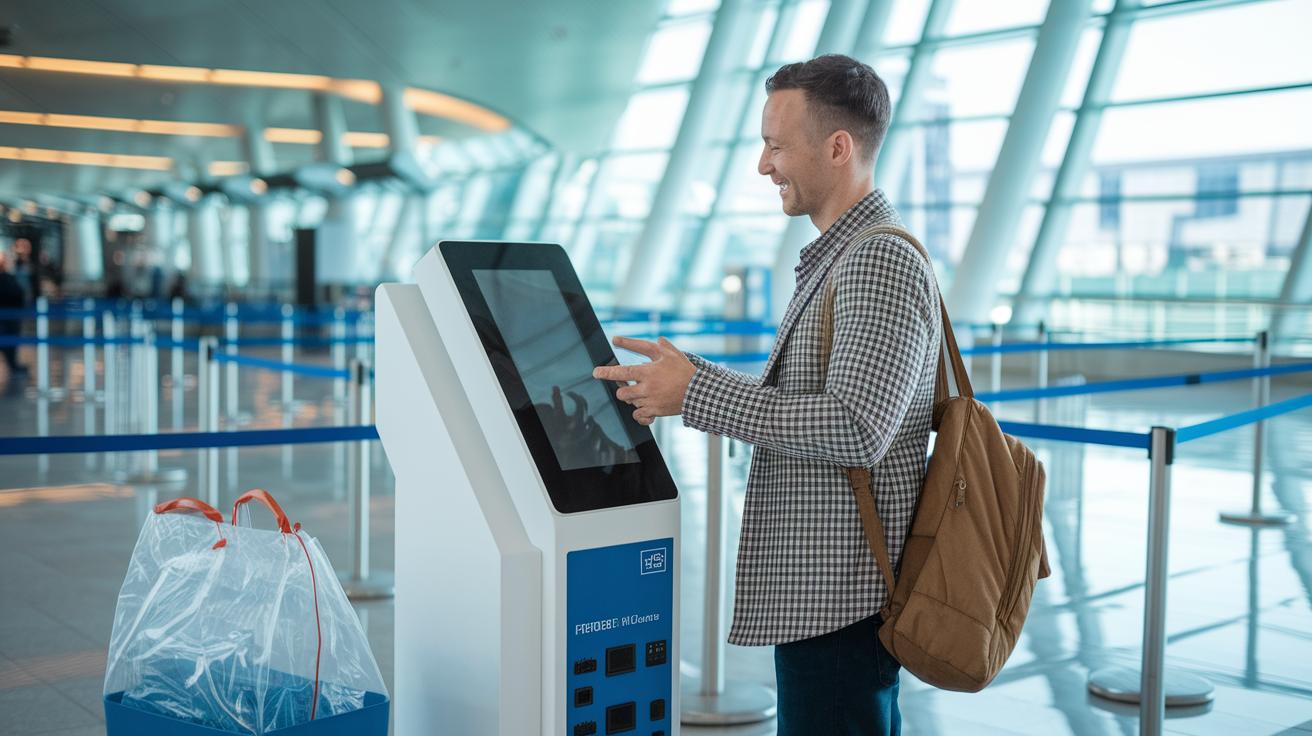
Use self-service kiosks or curbside bag drops to skip long check-in lines. Many airports now offer these handy options so you can avoid waiting in queues. Pick a kiosk that prints your boarding pass and tags your bag for a fast, easy start.
Follow TSA rules by packing your liquids in a clear bag (3-1-1 means containers of 3.4 ounces or less, one bag per traveler) and placing your electronics in a separate bin. This small step helps speed up security. Wear slip-on shoes and limit metal accessories when you layer your clothes so you can quickly remove outer layers at the checkpoint.
Keep your travel documents and boarding pass handy, such as in a front pocket or travel wallet, so you can show your ID fast. Also, arrange your carry-on with electronics and liquids in clear bags within easy reach. This organization avoids delays and gets you through security faster.
Following these simple steps can cut down on delays. Think of packing your carry-on like packing for school, everything you need is right at hand. This smart approach makes navigating the airport easier and helps you catch your flight without the stress.
Terminal Layout and Wayfinding for Efficient Airport Terminal Navigation
Before you head out, check the terminal map online or on your airline’s app. Mark key spots like check-in counters, security stations, departure gates, restrooms, and food outlets. A clear map makes it simple to follow the quickest route through a busy airport.
Look out for gate numbers and color-coded signs that point the way. Landmarks such as art displays or signature shops can serve as helpful guides when the map looks a bit complicated.
As you plan your path, pinpoint major stops and decide where you might take a quick break. Many busy airports offer shuttle trains or people-movers (small vehicles that connect different parts of the terminal) to help you get around faster. Noticing these features can save you time and prevent unexpected delays.
Taking a few extra minutes to review the layout can turn a stressful experience into an easy walk to your gate. Keep an eye out for temporary signs that might indicate construction or changes in layout. With these tips, you’ll navigate the terminal confidently and get to your flight without any extra hassle.
Mobile Apps and Digital Tools for Efficient Airport Terminal Navigation

Download official airport apps and tools like FlightAware or GateGuru to get live updates on your gate, flight details, and terminal maps. These apps keep you in the know with instant alerts if your gate changes or if delays arise. With interactive maps, you can easily figure out the fastest route through the terminal. For instance, you might see a tip like "Head straight past the duty-free shops and turn left at the second exit." Such guidance can save you valuable time when every minute matters.
Use mobile boarding passes, digital check-ins, and RFID bag tags to skip long ticket counters. This tech-savvy approach helps you breeze through airport procedures with less hassle. Plus, download offline maps so you can still follow your route even in areas with low signal. Having this backup plan can really cut down your wait times.
These digital tools do more than just check boxes. They actively streamline your movement through busy terminals, reducing downtime and getting you to your boarding gate faster. Enjoy a smoother airport experience by keeping these smart apps at your fingertips.
Crowd Evasion Tactics for Efficient Airport Terminal Navigation
Busy airport terminals can feel overwhelming, but a few smart tips can make a big difference. Try to plan your restroom or snack breaks during off-peak times. For example, stopping shortly after clearing security might help you avoid long lines later.
Another trick is to look for service corridors or side halls. Often, these less-used paths let you bypass the busiest areas. Keep an eye on exit signs or gate letters that point to quieter walkways. A short detour can ease the stress of navigating packed sections.
Also, listen carefully to boarding zone announcements over the speakers. These alerts tell you when it’s a good time to head back to your gate without battling a crowd. It might be best to wait calmly until boarding starts and the rush dies down.
- Plan your breaks during less busy times.
- Use side halls or alternate corridors to dodge congestion.
- Listen for boarding announcements before moving.
These simple tactics can help you glide through the terminal with less hassle and more peace of mind.
Rapid Connection and Gate Transfer Practices for Efficient Airport Terminal Navigation

When you’re catching a connecting flight, every minute counts. Domestic connections typically need around 45–60 minutes, so check your airline’s suggested minimum connection time and plan the quickest route to your next gate in advance. Using express shuttles or airside trains makes it easier to cover long hallways and keep your transfer on schedule.
Here are some quick tips for a smooth transfer:
- Use express shuttles or airside trains to move quickly between areas.
- Follow signs for “flight connections” and look for security lanes meant only for transfers.
- Check transfer maps for staff passageways or extra corridors that cut down your walking time.
- Travel light with just a carry-on to speed up deplaning and boarding.
Also, take a moment before you travel to review the airport layout and note any temporary signs that could point you towards quicker routes. Knowing where express connections are located helps you plan a faster, less stressful transfer. A clear plan makes all the difference between a smooth transition and a rushed scramble through busy corridors.
Final Words
In the action, you learned key steps to ease your airport experience. We covered pre-flight planning basics, smarter check-in methods, and clear ways to read terminal maps. You also saw how digital tools and crowd evasion tactics let you bypass busy spots with ease. Rapid gate transfer practices add a smooth finish to your routine. Apply these tips for efficient airport terminal navigation to make your next travel day smoother, less stressful, and even more enjoyable.
FAQ
What are some efficient airport terminal navigation tips from Reddit and free sources?
The efficient airport navigation tips shared on Reddit and free sources include checking terminal maps online, using mobile apps for updates, planning your route ahead, and knowing your check-in and security procedures.
What are the step-by-step actions to take at an international airport?
The step-by-step process at an international airport starts with arriving early, checking in online, dropping off bags, proceeding through security, reviewing your gate information, and then waiting for boarding.
How can you navigate an airport alone?
Navigating an airport alone means preparing in advance by studying terminal maps, using mobile apps for wayfinding, organizing your documents, and allowing extra time for security checks and transfers.
How do you check in at the airport gate?
Checking in at the gate involves confirming your flight details with airline staff, showing your boarding pass, and sometimes dropping off small bags if the airline allows gate check-in for baggage.
What does “Arriving at an airport 7 Little Words” refer to?
The phrase hints at a mnemonic that reminds travelers of key arrival steps like check-in, bag drop, security, finding the gate, refreshing, boarding, and exiting the terminal.
What should I do at the airport after checking in online?
After checking in online, you should store your boarding pass securely, drop off your baggage if needed, review terminal directions, and head to security in time for boarding.
What is TSA PreCheck and how does it improve travel?
TSA PreCheck is a program that speeds up security screening for approved travelers, letting you keep on shoes and light jackets while leaving laptops and liquids in your bag, reducing wait times.
What airport navigation tips does American Airlines offer?
American Airlines offers tips like using their online check-in, verifying gate information through their app, and arriving early so you can take advantage of streamlined check-in and security processes.
What are Southwest Airlines’ recommendations for airport efficiency?
Southwest Airlines recommends quick mobile check-in, early arrival, and following clear terminal signage, which help keep your airport experience smooth and stress-free.
What strategies does Delta Air Lines use for efficient terminal navigation?
Delta Air Lines encourages using their mobile app for updates, checking in online to skip lines, and reviewing terminal layouts beforehand to help you move quickly through the airport.
How does Frontier Airlines simplify the airport experience?
Frontier Airlines simplifies the airport experience by offering online check-in, digital boarding passes, and clear airport maps, making your navigation through the terminal less complicated.
What are United Airlines’ tips for navigating airports?
United Airlines emphasizes early check-in, using digital tools for real-time updates, and familiarizing yourself with terminal layouts before travel to help speed up your airport navigation.
What guidance does British Airways provide for airport navigation?
British Airways recommends planning your schedule in advance, taking advantage of mobile features for gate updates, and arriving early so you have ample time to complete check-in and security tasks.