

Ever wonder why flying can feel so smooth, even on a busy day? Airlines work hard to keep your trip stress-free. They use smart tech like AI (advanced technology that spots problems before they happen) to catch delays early and speed up processes like digital check-ins and baggage handling. On board, you’ll find comfy seats, personal media screens, and a friendly crew that help create a relaxed vibe. This post explains how these improvements make your travel experience truly enjoyable.
How Airlines Improve Passenger Experience Across Every Touchpoint
Travelers now enjoy a smooth journey from start to finish. Every detail matters, from the moment you book your ticket until you leave the plane. For example, airlines are now using artificial intelligence (AI, a computer system that helps predict problems) to spot delays before they happen. This extra effort saves you time and reduces stress.
Airlines put money into four key areas to boost your travel experience. They use digital tools like AI and machine learning (computer programs that learn from data) to avoid issues before they start. They make in-flight time better with improved seating, personalized media options, and meals that feature flavors from around the world. They also train their staff to offer friendly, personalized service that quickly handles any issues. On the ground, digital kiosks and smart baggage handling systems speed up check-in and security.
When all these improvements work together, your journey becomes smooth and stress-free. Digital systems work alongside comfortable seating and helpful cabin crews to quickly fix any unexpected problems. With every step carefully planned and updated in real time, you feel cared for from takeoff to landing.
Streamlining Booking and Check-In to Elevate Passenger Experience
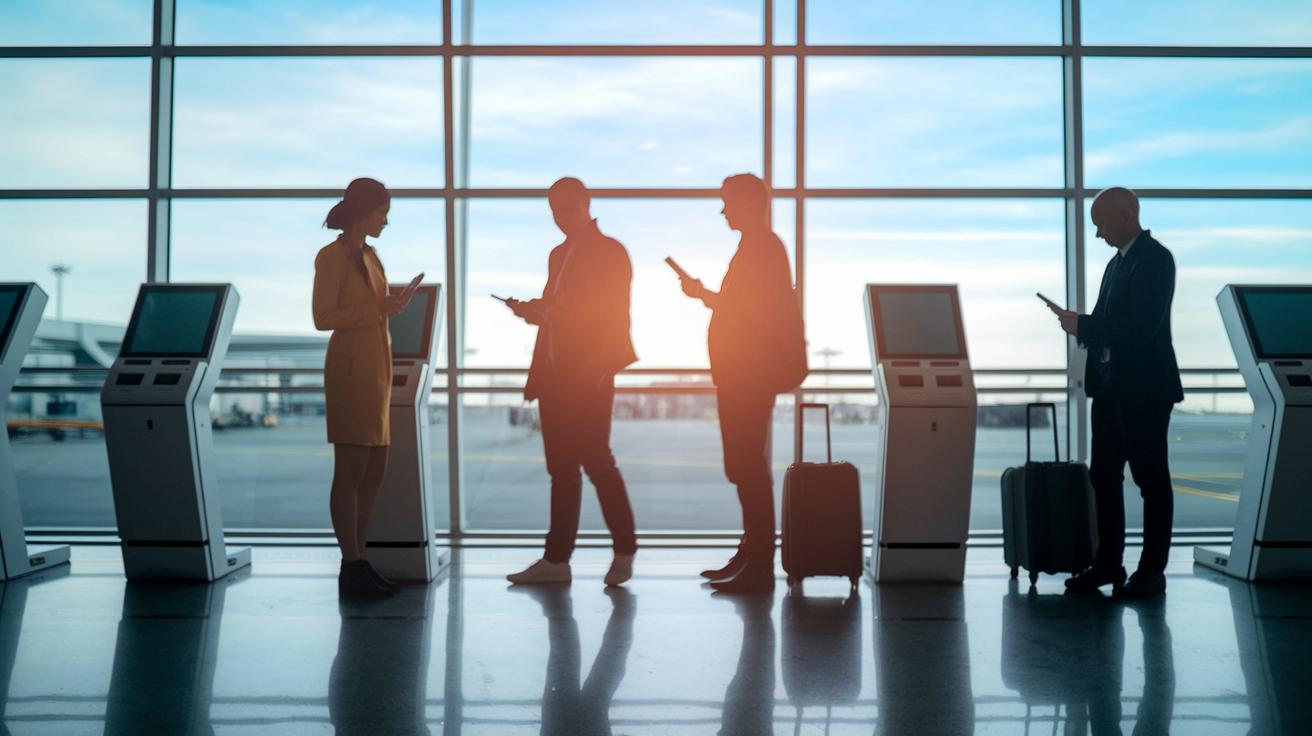
Airlines and airports are speeding up the travel process with new digital tools. Today, passengers can check in using smartphone apps to get digital boarding passes. This simple step cuts down long waits and eases travel stress. Many airports now offer self-service kiosks that let travelers print tickets and drop off bags quickly. This fresh, modern approach sets the tone for a smoother trip.
- Mobile check-in apps and digital boarding passes: Get your boarding details directly on your smartphone, saving time at the gate.
- Self-service kiosks for ticketing and bag drop: Automated options that cut queues and keep check-in simple.
- Express bag-drop services (e.g., HKIA’s sub-1-minute process): Speed up luggage handling so you get to your flight faster.
- Contactless security screening and payments: Lower the risk of germs by reducing physical touch during busy times.
- Enhanced seat-selection visuals via ATPCO integration: Clear, real-time seat maps help you choose the best spot on the plane.
These updates are changing the travel experience for the better. By reducing delays before the flight, airlines help make your journey calmer and less hectic from the moment you book until you board your flight.
2. how do airlines improve passenger experience: delight
Airlines are upgrading cabins to turn a routine flight into a more relaxing journey. They are adding more comfortable seats, fast in-flight Wi‑Fi, global food options, and lighting that sets a calming mood.
New seats come with better legroom and a smooth recline that help reduce the tired feeling from long hours in the air. Adjustable LED lights mimic natural daylight, which can help you sleep better. Noise reduction tech along with HEPA filters create a quieter, fresher cabin, so many travelers say they can rest easier and enjoy the flight.
| Amenity | Comfort Feature | Passenger Benefit |
|---|---|---|
| Ergonomic Seats | Optimized pitch & recline | Less fatigue |
| Advanced Wi‑Fi | High‑speed connectivity | Staying connected |
| Premium Dining | Global cuisine options | Elevated meal experience |
| LED Lighting | Adjustable color & brightness | Better sleep cycles |
These upgrades boost comfort and reduce stress, which makes flights feel more like a mini getaway. Passengers appreciate the quieter and more refined cabin, which leads to a better travel experience and builds trust in the airline.
Integrating Digital Technology for a Seamless Passenger Experience

Airlines now use artificial intelligence and machine learning to predict delays before they happen. These smart systems dig through weather reports, maintenance records, and other details to spot problems early. They send automated alerts straight to your device so you know about any schedule shifts before they disrupt your trip. For example, one airline used AI to spot a possible delay, giving its team time to adjust plans and keep things running smoothly.
Airlines are also boosting service with round-the-clock chatbot support and all-in-one travel apps. Chatbots answer flight questions anytime and provide live updates, easing last-minute worries. Whether you reach out on a mobile app, via text, or at an airport kiosk, you get the same reliable information. With a single travel app, you can see your booking details, digital boarding pass, and notifications all at once, making your journey easier to manage.
Digital wayfinding systems in airports help you get around tricky terminals with clear, step-by-step directions so you won't miss your connection. Plus, secure mobile payments let you pay quickly and safely without needing cash. These digital tools work together to simplify travel and lower stress for everyone.
Crew Training and Service Excellence to Boost Passenger Experience
Airlines put a lot of effort into training their crews so that every passenger feels cared for. From the moment you step on board, crew members are ready with clear, friendly communication and personal attention. They go through training that covers the basics of customer care, building empathy, and handling conflicts. For instance, they practice role-playing exercises to learn how to calm heated situations or help passengers with special needs. This way, they stay calm and effective even when things get busy.
Airlines also have programs that let crew members make quick decisions right on the spot. When a problem pops up, staff can act fast without waiting for extra instructions. This quick service builds trust with passengers because problems are sorted out on the spot. When crew members feel empowered to act, they not only boost customer satisfaction but also help build strong loyalty to the airline. Many passengers notice and appreciate when a crew goes the extra mile, making the whole travel experience more pleasant.
Optimizing Boarding and Ground Operations for Better Passenger Experience

Airports and airlines now use zone-based boarding systems that group travelers by seat location or travel class. This change cuts long lines and shortens wait times. Automated boarding gates quickly verify tickets without needing manual checks. Plus, flow-management technology uses real-time data to track passenger movement. This minimizes crowding and keeps everyone moving steadily. For example, one major hub saw a 20% drop in boarding time after adding automated gates and advanced flow analytics, proving how smart technology can streamline boarding.
Improved luggage handling and coordinated ground operations add to the ease of travel. Ground crews work closely with automated baggage tracking systems to process checked luggage and load it onto planes quickly. This synchronization helps reduce delays from lost or misplaced baggage and gets bags to passengers sooner. With efficient luggage handling and smooth check-in and boarding, the whole journey, from entering the airport to departing through the gate, feels calm and stress-free.
Harnessing Personalization and Feedback to Refine Passenger Experience
Airlines ask for feedback right after your flight using short surveys, forms, and NPS surveys (a simple score showing how likely you are to recommend the airline). They use smart analytics to track behavior, read comments, and even check posts on social media. One airline, for example, heard complaints about long boarding waits and fixed things in just a few weeks. This constant feedback helps them see where service can improve and learn what travelers truly need.
This feedback lets airlines create a travel experience that feels just for you. They adjust services and offers based on your past choices and preferences. If you often pick a window seat, you might soon see special offers for flights with the best seating options or travel packages that suit your style. Every update is guided by real data so that each change feels personal and useful. This ongoing loop of listening and tweaking keeps the travel experience fresh and always improving.
Embracing Sustainability to Enhance Future Passenger Experience

Airlines are switching to sustainable aviation fuels (clean fuels that lower carbon emissions) to cut down on fossil fuel use. They’re also choosing lighter, eco-friendly cabin materials that reduce the plane’s overall weight and using smarter flight paths to save on fuel. Some airlines even report that tweaking flight routes not only saves fuel but also lowers emissions, proving that simple changes can really make a difference.
These green steps are building trust with travelers who care about the environment. By reducing their impact on the planet, airlines are winning loyalty from passengers who support green practices. In the end, this commitment creates a better travel experience for everyone and helps protect our planet.
Final Words
In the action, airlines boost passenger service from booking to boarding by investing in smart digital tools, comfortable cabins, and dedicated crew training.
Travelers see improvements through faster check-ins, upgraded in-flight amenities, efficient ground operations, and personalized feedback. These combined efforts show how do airlines improve passenger experience while making travel less stressful and more enjoyable for everyone.
FAQ
How do airlines improve passenger experience pdf
Airlines improve passenger experience by integrating digital tools, upgraded in‑flight services, and attentive customer care. Detailed PDF guides explain methods like AI scheduling, ergonomic seating, and efficient service from booking to deplaning.
What defines customer experience in the airline industry
Customer experience covers every touchpoint from booking to arrival. Airlines focus on smooth check-in processes, comfortable cabins, and well‑trained staff to make every stage of travel pleasant.
What role does Condor Airlines play in enhancing passenger experience
Condor Airlines serves as an example of how airlines enhance travel by offering modern in‑flight amenities, clear passenger communication, and efficient operations that boost overall satisfaction.
How can airports improve the travel experience
Airports improve travel by adopting self‑service kiosks, contactless security, and streamlined baggage handling systems. These technologies reduce wait times and create a more comfortable and smooth transit environment.
What is the 45 minute rule at the airport
The 45 minute rule generally refers to a guideline for minimum connection times or quick security procedures. It helps travelers plan their transfers and manage airport processes with greater ease.
How would you ensure a great customer experience for your passengers
Ensuring a great customer experience involves clear communication, prompt resolution of issues, and personalized service. Airlines invest in staff training, digital technologies, and passenger feedback to meet traveler needs.
How do airports improve passenger confidence
Airports build passenger confidence by implementing strong safety protocols, digital check‑in systems, and real‑time flight updates. These measures help travelers feel secure and well‑informed throughout their journey.