

Have you ever thought that one small mistake in the air could lead to a disaster? History shows that missed signals, skipped checks, or engine glitches have taken lives and forced airlines to update their safety rules. In this post, we take a look at seven major crashes that changed the aviation world. These events remind us that every little detail counts when so many people depend on a safe flight.
Overview of the Worst Commercial Aviation Disasters in History
These tragedies remind us how small errors in communication, upkeep, and operations can lead to huge loss of life. They not only shocked the public but also pushed the industry to update and improve safety rules. Many of these incidents happened even though the technology was growing advanced, showing that many mistakes were avoidable. For a full timeline of these events, check out the aviation accidents by year.
| Flight | Date | Location | Fatalities | Primary Cause |
|---|---|---|---|---|
| Tenerife Airport Disaster | March 27, 1977 | Los Rodeos, Tenerife | 583 | Miscommunication and dense fog |
| Japan Airlines Flight 123 | August 12, 1985 | Over Japan (Haneda to Osaka) | 520 | Aft pressure bulkhead rupture |
| Charkhi Dadri Mid-Air Collision | November 12, 1996 | Near New Delhi, India | 349 | Altitude miscommunication |
| Turkish Airlines Flight 981 | March 3, 1974 | Near Ermenonville, France | 346 | Cargo door blow-out |
| Air India Flight 182 | June 23, 1985 | Off the coast of Ireland | 329 | Bombing |
| American Airlines Flight 191 | May 25, 1979 | O’Hare, Chicago | 273 | Engine/pylon separation |
| American Airlines Flight 587 | November 12, 2001 | New York (JFK departure) | 265 | Wake turbulence |
| TWA Flight 800 | July 17, 1996 | Over Atlantic (post-JFK takeoff) | 230 | Fuel-tank explosion |
Tenerife Airport Disaster: The Deadliest Runway Collision
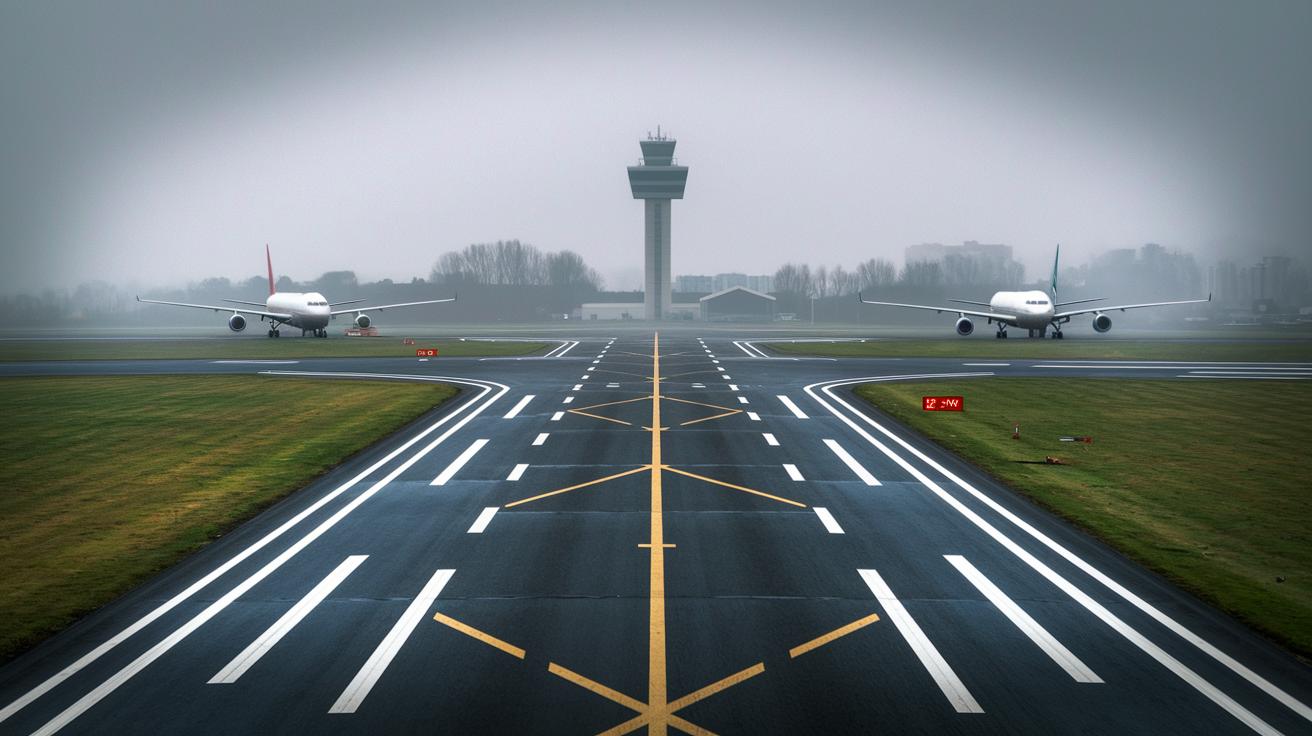
On March 27, 1977, Los Rodeos Airport in Tenerife became the scene of a terrible accident. Two Boeing 747 jets – one from KLM and one from Pan Am – collided on the runway in dense fog. A mix-up in taxi instructions and unclear signals from air traffic control led the KLM captain to take off without proper clearance. Out of the 583 people on board the two planes, only 61 survived on the Pan Am flight. This event shows how a moment of miscommunication can lead to disaster.
Human error played a big part in the tragedy. Both the flight crews and the air traffic controllers struggled with vague instructions and misread signals. Even a simple mistake in communication turned into a fatal error.
In the aftermath, aviation safety protocols changed a lot. Air traffic controllers now use standard phrases to make instructions clear. In addition, all crew members have to learn crew resource management, which is training on teamwork and double-checking instructions. These changes have helped to make air travel safer and show how hard lessons can lead to lasting improvements.
Japan Airlines Flight 123: Catastrophic Mechanical Failure and Aftermath
On August 12, 1985, Japan Airlines Flight 123 left Tokyo Haneda for Osaka. At about 24,000 ft, the plane suffered a rupture in its aft pressure bulkhead. A repair mistake made in 1978 caused a rapid loss of pressure, which quickly destabilized the aircraft.
Investigators later found major maintenance oversights and design flaws contributed to the disaster. The faulty repair work had weakened the bulkhead, so it could not handle the stress of high-altitude pressure cycles. This single error, paired with inherent design limits, led to the deadliest non-terrorist crash in aviation history.
After the accident, airlines tightened repair standards and introduced mandatory fail-safe modifications to bulkheads. These changes have reshaped maintenance procedures to help prevent such catastrophic failures in the future.
The Charkhi Dadri Mid-Air Collision: Miscommunication at Cruising Altitude
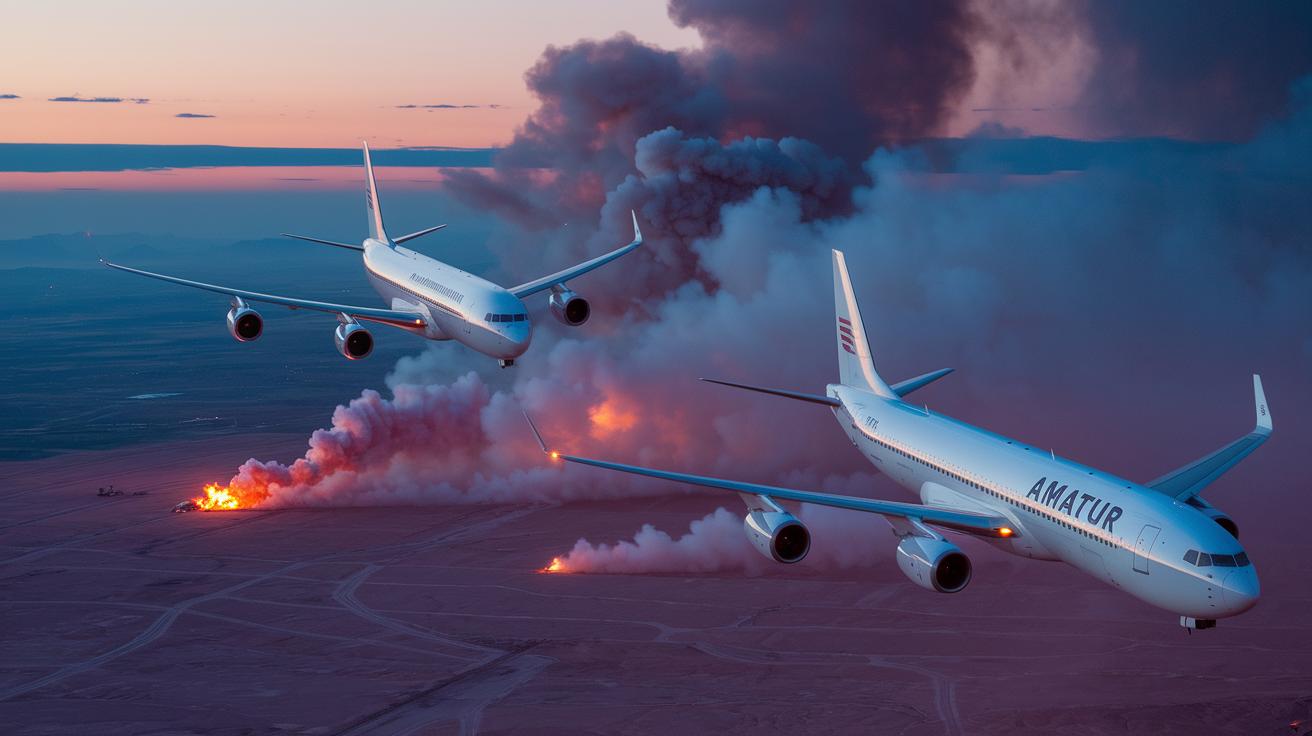
On November 12, 1996, a tragic mid-air collision shook the skies near Charkhi Dadri in India. Saudi Arabian Airlines Flight 763 and Kazakhstan Airlines Flight 1907 met in a fatal crash when the Kazakhstan flight dropped below its assigned altitude. Both pilots were caught off guard, as voice recordings show alarm and confusion in the cockpit when they noticed the unexpected drop and the other aircraft coming too close.
In the rush of mixed radio messages and rapid altitude changes, the safety cushion disappeared. Sadly, 349 lives were lost in the disaster. The investigation later revealed that not having a Traffic Collision Avoidance System (TCAS, which alerts pilots to potential collision hazards) made the situation even more dangerous. In response, regulators like the International Civil Aviation Organization quickly made it mandatory for all commercial jets to carry TCAS, ensuring that pilots and air traffic controllers share clear altitude information and greatly reducing the risk of future accidents.
Bombings and Structural Failures: Air India 182 & Turkish Airlines 981
On June 23, 1985, Air India Flight 182 experienced a mid-air explosion when a bomb hidden in checked luggage went off over Ireland on its Montreal–London–Delhi route. The blast claimed the lives of 329 people. Nearly eleven years earlier, on March 3, 1974, Turkish Airlines Flight 981 crashed after a cargo door suddenly blew out. This failure caused rapid decompression and loss of control during its Istanbul–Paris–London journey, resulting in 346 fatalities. Both events highlight how gaps in security and design can lead to severe loss.
Key lessons from these tragedies are:
- The bombing exposed flaws in baggage screening and gaps in intelligence sharing.
- The cargo door incident revealed risks in aircraft design and missed preflight checks.
- Air India 182 drove the industry to boost security protocols internationally.
- Turkish Airlines 981 led to a complete redesign of cargo door latch systems.
Following these disasters, the aviation industry made sweeping safety improvements. In response to Air India 182, airlines around the world enhanced their baggage screening methods and strengthened cooperation with global security agencies to catch potential threats before boarding. At the same time, the crash of Turkish Airlines Flight 981 prompted regulators and manufacturers to redesign cargo doors and enforce stricter preflight inspections. These changes have become key safeguards, helping prevent similar tragedies in the future.
U.S. Commercial Aviation’s Deadliest Crashes and Learned Lessons
In the United States, a few tragic airline crashes have led to big changes in flight safety. These events showed that careful inspections, better crew training, and strict procedures can really make a difference when it comes to keeping flights safe.
- American Airlines Flight 191, May 25, 1979: 273 lives lost when a DC-10 lost an engine and its pylon.
- American Airlines Flight 587, November 12, 2001: 265 fatalities after wake turbulence affected the jet during takeoff.
- TWA Flight 800, July 17, 1996: 230 victims lost in a center wing-tank explosion right after takeoff.
- Northwest Airlines Flight 255, August 16, 1997: 155 lives lost following a missed step in the takeoff checklist.
- Pan Am Flight 759, July 9, 1982: 145 fatalities when sudden wind shear from a microburst disrupted the flight path.
- PSA Flight 182, September 25, 1978: 144 people died in a mid-air collision with a light aircraft over San Diego.
- Delta Flight 191, August 2, 1985: 137 fatalities as microburst conditions led to a loss of control.
Investigations into these incidents, as shown in official aviation accident reports, sparked major regulatory changes. Today, authorities require stricter maintenance checks and better pilot training to deal with both weather and mechanical issues. Airlines now use updated inspection routines and advanced weather tools like Terminal Doppler Weather Radars (radars that help spot dangerous weather conditions) to keep flights safer. By focusing on clear communication and following set procedures, the industry has reduced the chances of similar tragedies, making air travel safer for everyone.
Post-Crash Reforms That Transformed Commercial Aviation Safety
A number of well-known crashes forced the airline world to rethink safety. Rather than treating each accident as a one-off event, the industry learned from every mistake. Problems like poor in-flight communication, weak teamwork among pilots, outdated collision detection, maintenance issues, and security gaps all played a part. These hard lessons led to regular tech upgrades, better pilot training, and thorough system checks that work together to keep flights safer.
The FAA (the federal aviation administration) and the International Civil Aviation Organization now keep a closer eye on safety. They update certification rules, conduct regular audits, and match global safety practices with real-world experiences.
- New communication rules based on lessons from past incidents
- Required Crew Resource Management training to improve teamwork
- Traffic Collision Avoidance Systems (TCAS, which help prevent mid-air collisions) now in use
- Overhauled maintenance checks that focus on engines and pylons
- Stronger security steps like advanced baggage screening and tougher cockpit doors
Final Words
In the action, we explored key events that reshaped air travel safety. Each disaster, from runway collisions to mechanical failures and mid-air crashes, reveals how shocking losses led to vital safety improvements. We covered timeline events, ongoing investigations, and the reforms that continue to shape industry practices. Studying the worst aviation disasters in history (commercial) gives us a clear look at lessons learned and how today’s travel is safer. It's a strong reminder that every improvement comes with hard-earned insights.
FAQ
What are some of the worst plane crashes and aviation disasters in history?
The worst plane crashes include events like the Tenerife disaster and Japan Airlines Flight 123. These tragedies resulted in hundreds of fatalities and spurred major improvements in aviation safety.
How many commercial planes crash each year?
The incidence of major commercial plane crashes remains very low. Strict safety protocols and rigorous maintenance keep severe accidents rare relative to the millions of flights conducted annually.
What was the deadliest commercial aviation accident?
The deadliest commercial aviation accident is the Tenerife Airport Disaster, where a runway collision resulted in 583 fatalities and reshaped global air traffic control practices.
Which commercial aircraft has crashed the most?
The Boeing 747 is often noted due to its long operational history and its involvement in several high-profile accidents, yet no single model consistently shows a higher crash rate compared to others.
When was the last major commercial airline disaster in the US?
One of the last major US commercial airline disasters with significant fatalities was American Airlines Flight 587 in 2001, leading to enhanced pilot training and revised safety protocols.
Did anyone survive Spanair 5022?
There were no survivors of the Spanair 5022 crash, a tragic event that further emphasized the need for rigorous safety and operational standards in commercial aviation.