

Ever notice how airport terminals seem to fix all your travel worries? These busy centers do a lot more than check in passengers and store bags. They help you get through security, find places to shop, and catch your connections on time. In this article, we look at how smart international airport terminal designs cut wait times, prevent surprises, and make your trip smoother overall. Clever layouts and efficient transit systems keep you moving so your journey feels as simple as it should.
Understanding International Airport Terminals
International airport terminals are big buildings that serve both departures and arrivals. They include ticket counters, security checks, shops, dining spots, and lounges. This is where you check in, drop off your bags, and wait for your flight. You might see screens showing flight details like "Flight AA 123 departing from Gate 5" when you arrive.
Large airports use several terminals to handle many travelers. For example, Los Angeles International Airport (LAX) has nine terminals, and Dallas/Fort Worth International Airport (DFW) has five. This design helps manage high passenger volumes. Remember, a terminal is not the same as a concourse. A concourse is an area inside a terminal that leads to the gates. Miami International Airport (MIA) splits its services into three terminals: North (Concourse D), Central (Concourses E and F), and South (Concourses G and H).
Before you travel, check your terminal assignment on your airline website or in your confirmation email. Knowing your terminal ahead of time can smooth your journey. Also, if you switch terminals, you may need to go through security again. Checking these details before you fly can help you avoid any surprises.
Connectivity & Transit Systems in International Airport Terminals
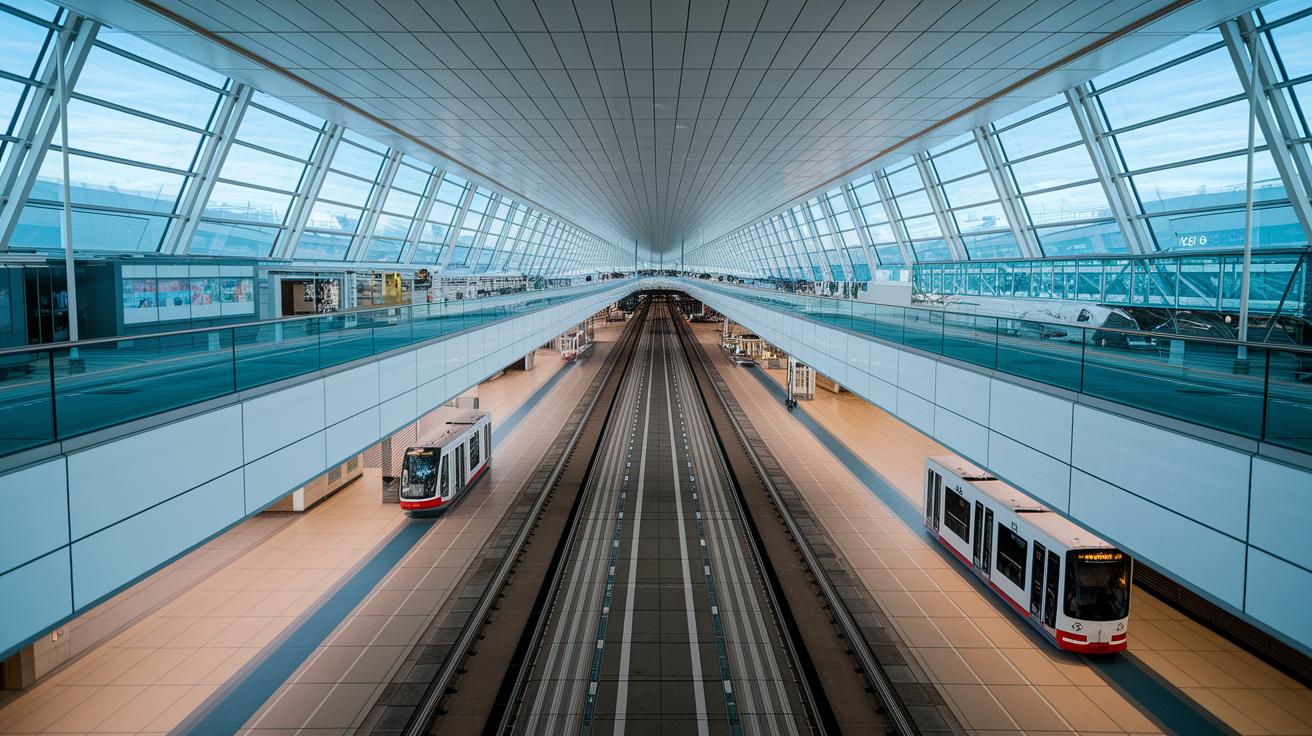
At ATL, everything is built for smooth travel. An underground walkway links the Domestic North and South terminals so you can switch between them quickly. The SkyTrain runs every 2–3 minutes between the Domestic Terminal and Concourse T, which makes it easy to catch your connection even during busy times. Plus, a 24/7 Automated Plane Train connects all the concourses and terminals without a break. Over at Las Vegas Harry Reid International, a tram takes passengers straight from the curb to Terminal 1 C Gates. All these choices help keep wait times short and lower stress, even when flights are delayed or plans change.
Other airports focus on easy transfers too. In San Diego International, American Airlines flies from Terminal 2 East where efficient transfer systems help you make your connections fast. Miami International uses people movers to join its three terminals, showing its dedication to smooth travel. In fact, the SkyTrain there shows up every 2–3 minutes right when you need it, making moving between areas nearly effortless. Whether you're walking, riding a train, or taking a tram, these systems keep you moving without any hiccups.
Passenger Processing in International Airport Terminals: From Check-In to Customs
When you step into an international airport, everything is set up to keep your journey smooth and stress-free. Right away, modern check-in counters and self-serve kiosks help you print your boarding pass. Your terminal details are usually confirmed by email or on the airline’s website. For example, American in San Diego leaves from Terminal 2 East, while Southwest at Harry Reid uses Terminal 1, reached by a quick tram ride to its C Gates. Plus, automated baggage processing means you aren’t stuck waiting around.
After check-in, you move on to the security area. New scanning machines and improved security systems help speed things up as you pass through. Depending on the airport layout and your flight, you might have to go through extra screening if you switch terminals. Even then, the system is designed to work with each airport’s setup, keeping the process fast and hassle-free.
Once it’s time to head to your gate, the airport guides you to dedicated immigration halls that lead into customs areas. Automated immigration kiosks and biometric systems (technology that uses your unique physical features to verify your identity) work together smoothly. This tech-driven approach makes moving from immigration to customs nearly effortless. Every step, from self-check-in to automated immigration, is designed to help you travel with ease.
Passenger Amenities in International Airport Terminals: Lounges, Dining & Retail

Atlanta airports make your wait feel shorter by turning transit time into genuine downtime. Each concourse features the calm of Delta Sky Club lounges, while Concourse T hosts the Admirals Club, where you can enjoy a variety of food and drinks. For a taste of local flavor, Club ATL serves up regional dishes, and Minute Suites offer a quiet place to work or rest. Need a last-minute item? Retail shops are ready with books, gadgets, and travel essentials.
These spots blend comfort with ease. Some dining areas serve hearty Southern meals alongside familiar national chains, and helpful concierge services are on hand to arrange hotel shuttles or Blacklane chauffeur rides. This smart mix of convenience and travel-friendly care turns a typical wait into a chance to recharge.
- Premium airline lounges
- Café and restaurant outlets
- Specialty retail shops
- Private suites and nap pods
- Spa and wellness centers
- Concierge and ground-transport services
From the moment you step in, the range of services helps keep you both comfortable and in touch. Every amenity is designed to ensure that your airport experience feels connected and stress-free, adding a bright spot to your travel day.
Modernization & Architecture of International Airport Terminals
Pittsburgh International Airport recently opened a $1.5 billion terminal upgrade that brings a fresh, modern feel to travel. This new design uses green materials and energy-saving systems to make the space both efficient and stylish. Big hubs like LAX (Los Angeles International Airport) with nine terminals, DFW (Dallas/Fort Worth International Airport) with five, ORD (O'Hare International Airport) with four, and LHR (London Heathrow Airport) with four set the stage for what international airports can achieve today.
Modern updates now favor modular layouts that let designers easily adjust spaces as travel needs change. New architectural trends mix energy-saving tech with smart space planning. This means tomorrow’s terminals can grow and adapt while keeping a focus on being kind to the environment.
Sustainable building practices are key in these updates. By choosing eco-friendly methods and materials, architects are cutting energy use and supporting smooth travel. These energy-efficient changes lower operating costs and help reduce carbon emissions at busy international hubs. In short, thoughtful design can make airports both forward-thinking and eco-friendly.
Comparing Major International Airport Terminals Worldwide
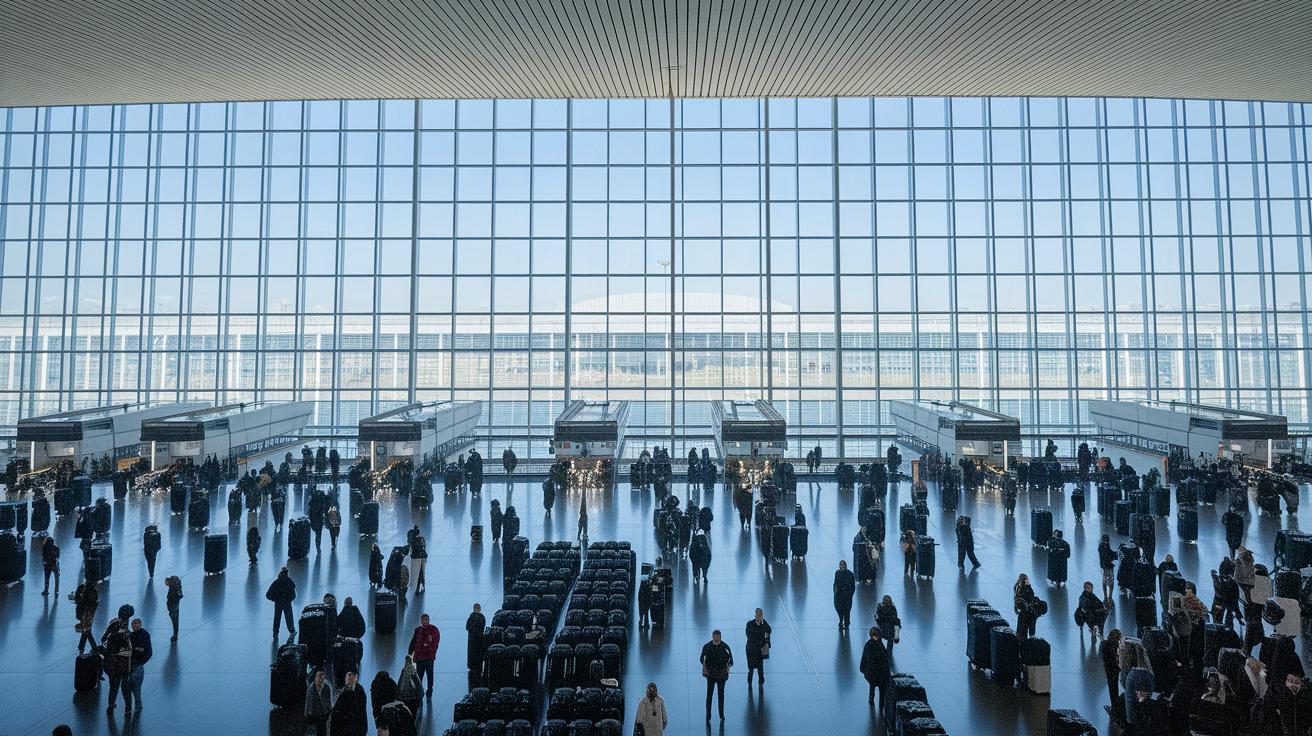
International airport terminals come in many designs, each built to handle large numbers of passengers. Travelers at Los Angeles International (LAX), Dallas/Fort Worth (DFW), Chicago O'Hare (ORD), London Heathrow (LHR), and Rome Fiumicino (FCO) see different setups that work for millions of arrivals and departures each year. For example, LAX has nine terminals arranged in a fan shape to serve global routes. DFW uses five terminals linked by a Skylink system that makes moving between them easy. Meanwhile, ORD, LHR, and FCO each have four terminals. Their layouts use satellite concourses or tunnels connecting city terminals to help passengers navigate quickly.
| Airport | Number of Terminals | Concourse Structure |
|---|---|---|
| LAX | 9 | Fan-shaped layout |
| DFW | 5 | Linear terminals with Skylink |
| ORD | 4 | Satellite concourses |
| LHR | 4 | City terminals linked by tunnels |
| FCO | 4 | Radial modular terminals |
These details show that airport design is more than just numbers. The number of terminals and how they connect plays a big role in smooth travel. Smart design cuts congestion and helps passengers move around quickly, making the whole journey easier.
Case Study: Hartsfield-Jackson Atlanta International Airport Terminal
At ATL, the airport is built to make travel easy. It is split into two main parts. The domestic area has North and South terminals linked by a simple walking path. The Maynard H. Jackson Jr. International Terminal, located at 2600 Maynard H. Jackson Jr. Blvd, makes it easy for passengers to switch between domestic and international flights with little fuss.
Inside, transit systems keep everyone moving. A SkyTrain runs every 2–3 minutes to Concourse T, and an automated Plane Train connects all concourses around the clock. These frequent rides help cut down waiting times so that even when flights face delays or schedules change, you can move quickly from one area to another.
Parking at ATL is designed with travelers in mind. There are reserved spots to skip ticket lines, hourly parking close to the terminal for quick trips, and daily covered parking for longer visits. A free International Park Ride shuttle whisks you from the parking lot to the terminal in just three minutes. Additional lots like ATL West and ATL Select offer shuttle bus service, making your journey smooth from start to finish.
Ground transport and on-site services add to the hassle-free experience. Lounges such as Delta Sky Club, Admirals Club, Club ATL, Minute Suites, and United Club offer peaceful retreats. Dining options serve both local Southern flavors and your favorite dishes, while retail shops stock travel essentials and specialty items. Hotel shuttles serve Renaissance Concourse Atlanta Airport Hotel and Hilton properties, and the SkyTrain links directly to Marriott Gateway. With Blacklane chauffeurs available, any extra transit worries are quickly eased.
Final Words
In the action, this article broke down what makes an international airport terminal work, from its basic layout and scale at major hubs to the details that set terminals apart from concourses.
It also explained how transit systems and passenger processing keep everything moving smoothly.
The post offered clear insights on amenities, modern design trends, and practical tips to double-check your terminal assignment, helping you save time and money. Everything comes together to make travel less stressful and more enjoyable.
FAQ
How do I access international airport terminal maps and arrival details?
International airport terminal maps and arrival information are provided through official airport websites and apps, offering clear layouts with gate positions and real-time arrival updates to help plan your trip.
How do airport terminals differ from gates?
The distinction is that an airport terminal is a large building offering check-in, security, and amenities, while a gate is a smaller boarding area within the terminal where you board your flight.
What types of terminals exist, and what is a terminal area?
Terminals can be domestic or international. The terminal area refers to sections where you check in, shop, dine, and go through security, with international terminals having extra border control and customs areas.
Which airport has the most terminals in the world?
Los Angeles International Airport (LAX) operates nine terminals, making it one of the largest hubs in terms of terminal count and serving a wide range of global and domestic flights.
Which terminal at ATL handles international flights?
At Atlanta, international flights use the Maynard H. Jackson Jr. International Terminal. Unlike other terminals labeled with numbers, this dedicated terminal has border control and customs areas for processing international travelers.
What should I know about major international airport terminals like ATL, MSP, DFW, LAX, ORD, and Denver?
Major hubs such as Hartsfield-Jackson Atlanta, Minneapolis–Saint Paul, Dallas Fort Worth, Los Angeles, Chicago O’Hare, and Denver feature multiple terminals with efficient transit systems, varied amenities, and clear signage to streamline passenger flow.
How can I verify my terminal assignment and flight details?
Your airline confirmation, itinerary, or the airline’s website will list your terminal assignment. Always double-check these details before traveling, as terminal assignments can change based on airport layout and flight schedules.