

Have you ever wondered if planes might soon fly smarter than pilots? AI is no longer just a bonus tool. It now helps airlines plan flight schedules, keep up with maintenance, and cut down on delays. Airlines like Swiss and Lufthansa are using smart computer programs to run their fleets better. They’ve even added roles like Chief AI Scientist to manage this new tech, keep risks low, and make your journey smoother. In short, AI is changing how we fly, saving money and making travel easier for everyone.
Overview of AI Transformations in Airline Industry
Airlines are changing how they run their business. They no longer treat AI as just a backup tool; now, it's the key part of planning and managing flights. For instance, Swiss International Air Lines used AI to improve their scheduling and ended up saving $5.4 million in a year while boosting efficiency on more than half their flights. This shows a growing trend of relying on data to make smarter choices.
Airlines use smart computer programs to dig through huge amounts of data, from weather details to trends in how people travel. Lufthansa, flying out of Zurich Airport (ZRH), improved their wind forecasts by 40 percent thanks to AI. That improvement has helped cut down delays and cancellations. It’s a big change from the past when airlines only reacted after problems occurred. Now, AI helps prevent many issues before they even happen.
The smart use of AI is boosting both everyday performance and financial results. International Airlines Group recently welcomed Ben Dias as its Chief AI Scientist, a role that underlines AI’s rising importance in both short-term flight planning and long-range risk management. Airline leaders are now blending machine learning into daily tasks so that every flight plan and fuel decision benefits from real-time insights.
Airlines across the globe are merging older systems with fresh, innovative tools. This change not only saves money but also makes flights more reliable and safer for passengers. In a market as competitive as today’s, these streamlined operations make a real difference.
Streamlining Airline Operations with AI-Powered Maintenance and Scheduling
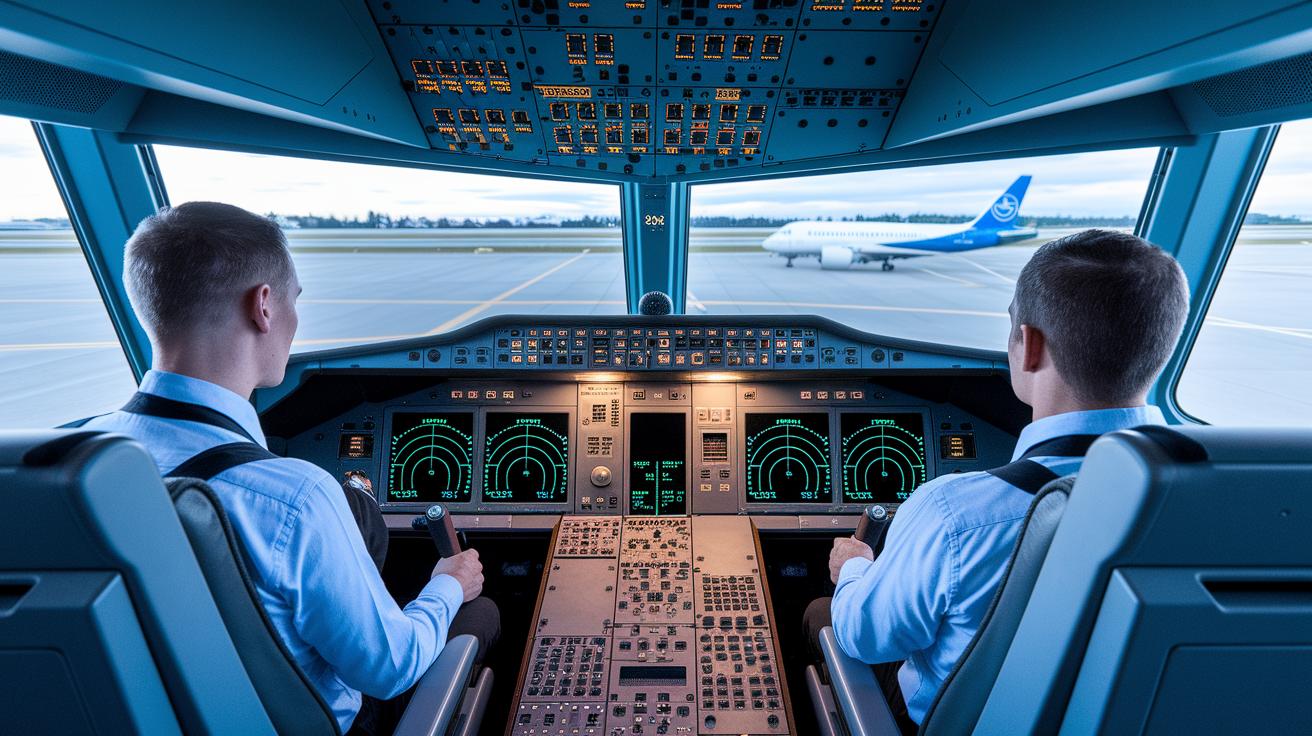
Airlines now use smart sensors and machine learning to spot problems well before they become serious. Imagine if your car warned you of a potential breakdown, airlines do the same with their planes. For example, a sensor can pick up odd signals from an engine. One airline’s AI system even predicted an engine fault 48 hours before it turned into a safety hazard. This tech cuts unscheduled maintenance by up to 25%, leading to fewer delays and a steadier flight schedule.
Deep learning (advanced computer pattern recognition) is a key part of the process. It reviews engine and airframe data like a doctor checks test results, quickly spotting issues that need fixing. Automated aircraft health monitors use live data to fine-tune maintenance schedules, which means less downtime and faster turnarounds. This approach not only saves money but also keeps more planes in the air, boosting overall fleet availability.
Below is a quick look at how these innovations improve maintenance:
| AI Application | Operational Benefit |
|---|---|
| Sensor Integration | Prevents component failures days in advance |
| Deep Learning Diagnostics | Cuts unscheduled maintenance by up to 25% |
| Automated Health Monitoring | Optimizes maintenance schedules and reduces downtime |
Enhancing Flight Safety Through AI-Driven Risk Assessment
Airlines now use smart computer programs to check for dangers and boost safety. New models pull in weather details, flight traffic numbers, and past maintenance records to spot potential problems early. This means that glitches in the weather, sudden crowding in the skies, or maintenance issues get flagged long before they turn into real trouble. For instance, if the system picks up unusual engine vibrations, it sends an alert well ahead of a serious issue.
Real-time data is a game changer for catching faults before they become big problems. Sensors on the aircraft constantly send data, and AI tools look for odd patterns. When these tools see something off, they sound an early warning. Think of it like a digital health check for the plane that helps airlines act quickly instead of waiting for problems to grow.
Lufthansa’s wind-forecasting AI shows just how helpful this tech can be. Its improved model is 40 percent more accurate, cutting down weather-related delays a lot. This boost in accuracy helps keep flights running smoothly and makes skies safer for everyone.
Elevating Passenger Experience with AI-Driven Personalization
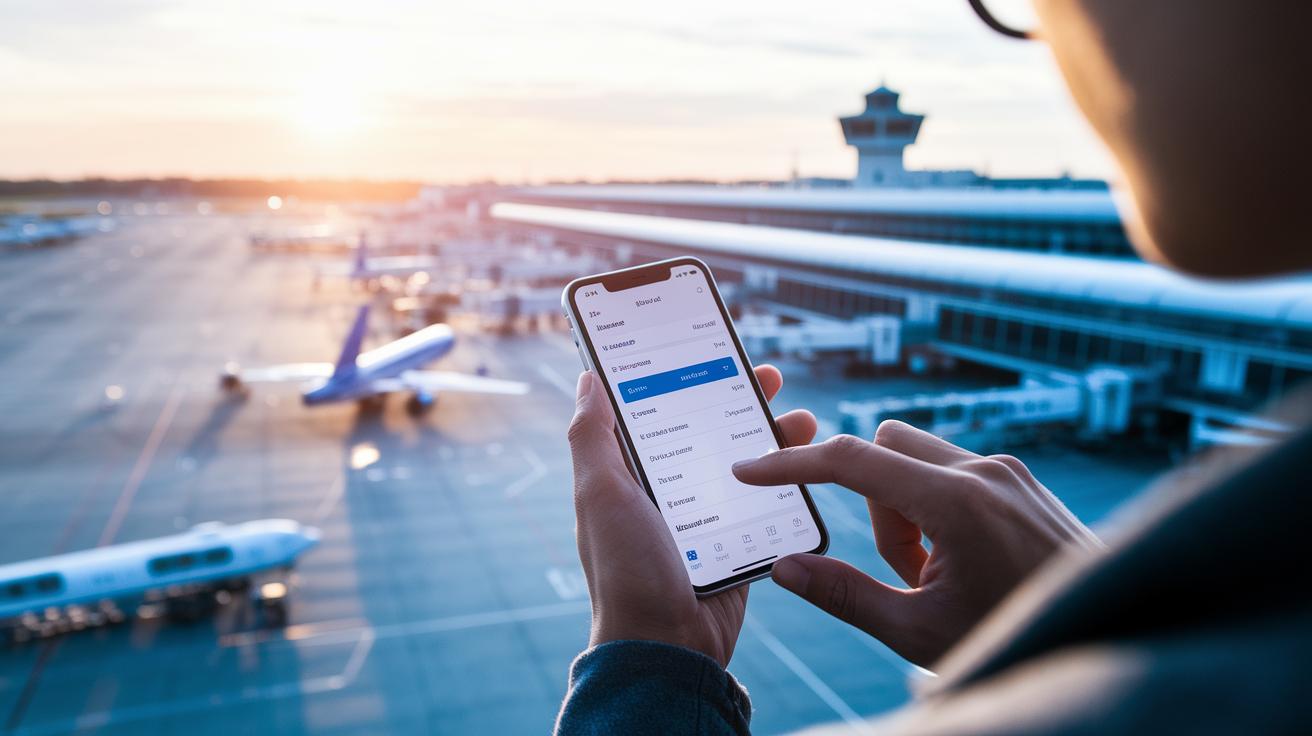
Airlines are using AI (computer technology that learns and adapts) to improve your travel experience in real ways. For example, American Airlines’ app lets you rebook flights instantly if there’s a delay or cancellation. Imagine waiting at the airport and having your new flight arranged automatically, as if a digital helper were on call 24/7.
AI chatbots now answer simple questions, which leaves human agents free to tackle tougher issues. This change cuts response times by about 60%. Picture sending a quick text about your baggage or gate and getting an immediate reply. It makes travel feel less stressful and more personal.
• Instant rebooking boosts travel confidence
• Chatbots reduce wait times and improve support
• Customized inflight options elevate satisfaction
These smart AI tools work at every step of your journey, from check-in to landing. Every update and tweak helps turn a basic flight into a connected and reassuring experience.
Real-World Case Studies of AI Implementation in Airlines
Swiss International Air Lines shows how AI can truly change the game. Its smart scheduling system cut costs by $5.4 million in one year and streamlined over half its flights. Think of it as a digital planner that adjusts the schedule automatically to save time and money.
Korean Air is also stepping up its technology game. By moving from old systems to a centralized, cloud-based platform, the airline is ready to use AI for better customer service when unexpected events occur. This update helps the team handle surprises faster, making travel less stressful for everyone.
Lufthansa, along with Fraport at Frankfurt Airport, now uses smart cameras to watch ground operations in real time. These cameras monitor baggage handling, catering, and refueling, which helps improve turnaround times. A simple tool like a smart camera can make a big difference in keeping flights on time.
IAG recently hired an AI scientist, marking a clear move toward smarter flight planning. By using advanced computer models, they are setting up better predictions and smoother operations. This step shows a commitment to using data to guide everyday decisions.
| Airline | Key AI Initiative | Measured Benefit |
|---|---|---|
| Swiss International Air Lines | AI scheduling systems | $5.4M saved; >50% flight optimization |
| Korean Air | Cloud modernization | Enhanced disruption management |
| Lufthansa & Fraport | AI-powered cameras | Improved turnaround punctuality |
| IAG | Advanced flight planning | Strategic role via AI scientist |
Addressing Challenges and Governance in Airline AI Adoption

Airlines using artificial intelligence need to balance the benefits of new technology with careful oversight. Experts say that AI can speed up response times and boost efficiency, but it still needs smart people to keep an eye on it. New roles are emerging to manage AI systems safely, and regulators now require clear certification for AI-based maintenance and inspections to keep things safe.
Airlines also face issues with data privacy, getting different systems to work together, and setting industry standards. These challenges must be met for AI to be successful. Operators are adopting risk management tools alongside AI innovations while following strict guidelines. Automated checks on aircraft systems are reviewed often to ensure high performance, and certification for smart maintenance programs is now essential for holding everyone accountable.
Airlines are boosting training programs to help teams understand the details of AI oversight while following industry rules. These efforts blend digital innovation with proper control. A solid governance framework ensures that new technology goes hand in hand with safety and trust in air travel. This mix of expert oversight and strong certification creates an environment where AI can improve operations without jeopardizing regulatory standards.
Future Trends in AI for Airline Industry: From Sustainability to Autonomy
Airlines are now using virtual models of their aircraft, known as digital-twin platforms. These create a real-time mirror of a plane’s performance so engineers can spot when parts may need repair before any issues arise. Think of it as a smart tracker that shows which part to check next.
Using sensors across the aircraft adds even more accuracy. Tiny devices monitor fuel use and other key data, helping airlines manage fuel better and cut waste. It’s similar to a car that automatically adjusts its engine settings to run efficiently.
The industry is also testing planes that might someday fly without human pilots. These autonomous aircraft prototypes are on the frontier of future travel. They are part of controlled tests to see if machines can handle takeoffs, flights, and landings safely.
At the same time, more research programs and certification courses in AI for aviation are emerging. With the need for over 2.3 million skilled workers in the next 20 years, universities and technical schools are training a new generation to design and maintain these systems. These trends merge sustainability with smart technology, paving the way for a more efficient, reliable, and greener future in aviation.
Final Words
In the action, advanced ai in airline industry reshapes scheduling, maintenance, and risk assessment. The post detailed how cutting costs, boosting safety, and personalizing passenger experience drive smarter travel choices. Real-world case studies show tangible gains while strict oversight keeps technology safe and effective. Emerging trends like digital twins and IoT promise to make operations even smoother and more reliable. Better travel experiences are on the horizon as airlines embrace AI to optimize both operations and customer service. A promising future awaits.
FAQ
What role does AI have in the airline industry, including insights from 2022, PDFs, and research papers?
AI in the airline industry drives smarter scheduling, predictive maintenance, enhanced safety, and personalized passenger services. Research papers and PDFs show its cost-saving and operational benefits, making AI a strategic asset.
How is AI being used in the airline industry?
AI is being used to optimize routes, predict maintenance issues, boost flight safety through advanced risk assessment, and deliver tailored passenger experiences via smart apps and chatbots.
Will AI take over the aviation industry or replace flight attendants?
AI will not take over the aviation industry or replace flight attendants. Instead, it supports operations and customer service while humans remain essential for personal interactions and oversight.
Which airlines are using AI in their operations?
Airlines like Air India, EVA Air, IndiGo, Emirates, Etihad Airways, and Singapore Airlines use AI to improve scheduling, enhance customer service, and drive operational efficiencies.
What future trends are emerging for AI in aviation?
Future trends include digital twin platforms, IoT sensor networks for efficient fuel management, and steps toward autonomous systems while continuing to improve safety and cost management.