

Can smart data tools beat flight delays? Modern airlines are ditching old, fixed timetables and turning to live data. They use past records along with up-to-date weather and airspace info to adjust routes on the fly. This smart planning helps cut delays, save fuel, and boost safety. When traditional methods fall short, data-driven planning makes flying easier for everyone.
Data-Driven Airline Route Planning Sparks Smarter Flights

Airlines now use live and past flight data to plan routes instead of relying on fixed timetables. The old manual system couldn’t keep up when weather or passenger numbers changed. Today’s method taps into real-time updates from sources like Boeing 777 logs and weather feeds, helping airlines adjust flights quickly.
The system pulls in key data such as records of past on-time performance and maintenance, along with current weather conditions and airspace rules. This blend of old and new information fuels advanced software that helps schedule flights based on what’s happening right now.
- Predictive modeling: Looking at past trends to guess future demand.
- Geospatial analysis: Mapping out routes by studying terrain and airspace limits.
- Dynamic scheduling: Changing departure and arrival times on the fly.
- Fuel-consumption simulation: Calculating fuel use based on current details.
- Load-factor tracking: Keeping an eye on seat occupancy to boost revenue.
Using these techniques, airlines reduce fuel use and cut delays. The improved planning leads to shorter flight times, better crew management, and timely maintenance, all of which make travel safer and more enjoyable for passengers.
Key Data Sources for Data-Driven Airline Route Planning
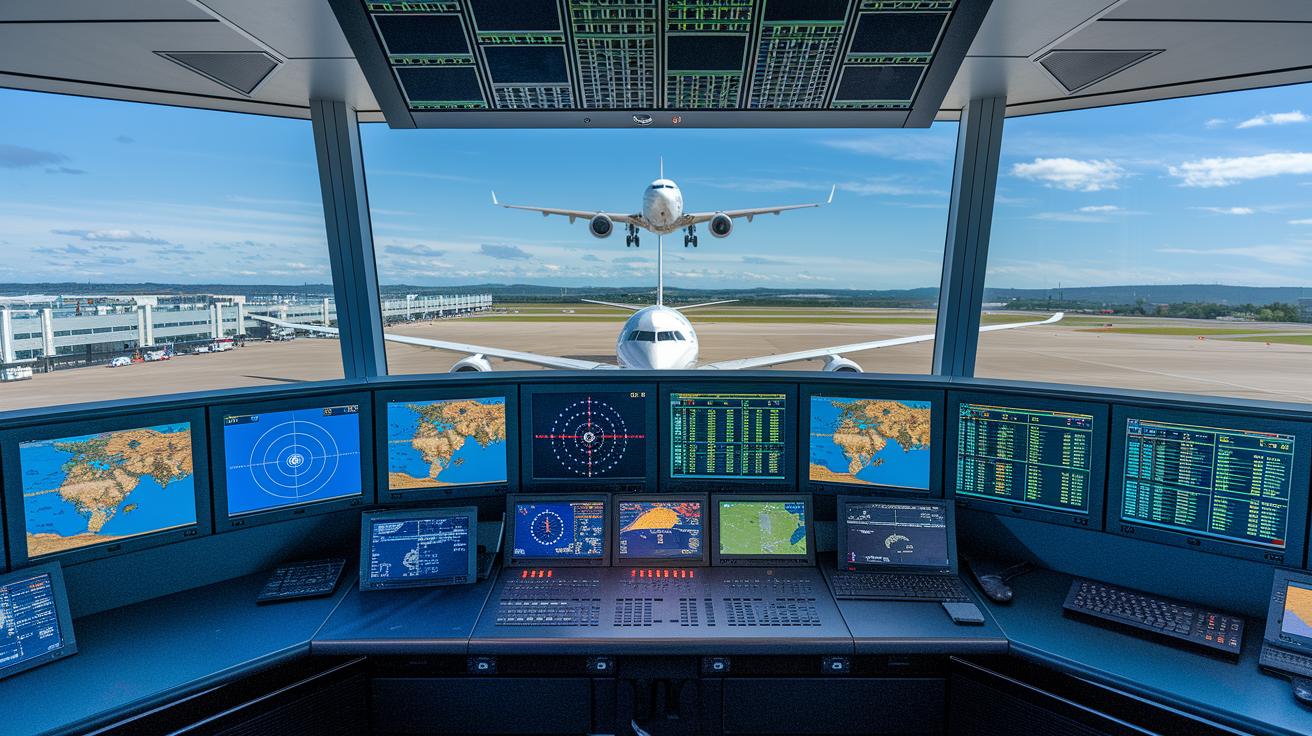
Airlines pull from many data streams to plan their routes. They mix old flight records with current weather updates and other details to see the full picture. These pieces, like past performance and maintenance logs paired with live weather reports and air traffic updates, help create safe and efficient routes.
All these data points are combined in one easy-to-use analytics platform. This system brings together historical logs, maps of airspace, live weather feeds, and ticket booking trends. With everything in one place, airlines can quickly see where they can cut costs or improve operations.
| Data Source | Description |
|---|---|
| Historical Flight Logs | Records of flight hours, on-time performance, and maintenance history |
| Geospatial Charts | Maps showing airways, waypoints, terrain, and traffic flow |
| Weather Feeds | Real-time weather forecasts and air traffic control updates |
| Passenger Demand | Booking trends and load factors linked to revenue systems |
| Regulatory Constraints | Guidelines on environmental rules, noise corridors, and emission limits |
Analytical Methodologies in Data-Driven Airline Route Planning
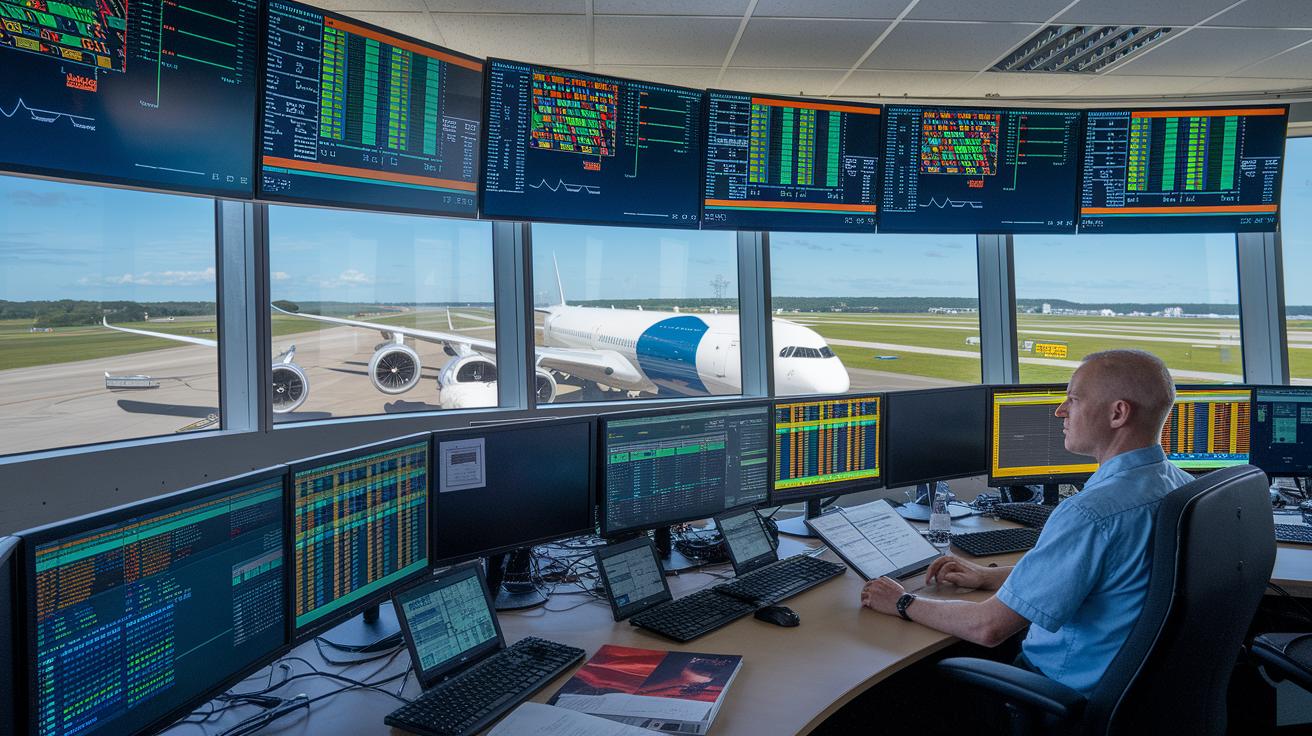
New techniques in route planning use huge amounts of data instead of simple rules. They mix past records with real-time data to help make decisions on flight paths, fuel use, and scheduling that stay current.
Predictive Analytics for Demand Forecasting
This method looks at past trends, seasonal changes, and day-to-day patterns. It checks how many passengers or how much cargo there might be while considering weather and slot availability. This way, airlines know ahead of time when and where demand will peak.
Machine Learning Algorithms for Flight Routing
Airlines now use computer models that range from basic formulas to advanced neural networks. These models help pick the best routes to save fuel and avoid delays by automatically adjusting flight paths. Learn more at how does artificial intelligence improve airline operations.
Statistical and Algorithmic Modeling
Data and math work together to keep flights on time. Statistical checks spot common delays, while scheduling engines manage crew hours, gate use, and maintenance needs. This ensures that the schedule fits both past trends and live changes.
- Gather flight records, weather updates, and passenger bookings.
- Check and clean the data for accuracy.
- Train machine learning models and run simulations to optimize routes.
- Keep the models updated with new data to improve predictions and schedules.
Use Cases and Benefits of Data-Driven Airline Route Planning

Airlines are shifting away from fixed schedules and moving toward flexible, data-based planning. They use tools like passenger demand forecasting, fuel use estimates, and detailed route profit checks to save money and boost earnings. For example, adjusting routes by season with live demand data has raised load factors by about 4-6%. Fine-tuning the climb, cruise, and descent phases helps cut fuel use by up to 5%. And blending these methods with smart revenue management has increased yields on key transatlantic routes by around 7%. This approach helps airlines drop less profitable legs and focus on expanding the high-performing ones.
- Higher load factors and better seat use
- Lower fuel and maintenance expenses
- Improved on-time performance and happier customers
- More informed decisions for network growth
These advances help airlines stay competitive. By continuously updating routes with real-world data, carriers strengthen their financial health while giving passengers a smoother travel experience. Optimized routes also build resilience, helping airlines tackle changing demand and deliver reliable service. As data analytics grows even more sophisticated, the industry is on track to see flights that work better for both profit and passenger satisfaction.
Challenges and Mitigation Strategies in Data-Driven Airline Route Planning

Airlines now face several roadblocks as they shift to route planning driven by data. For example, pulling data from different IT systems can be messy, dealing with old systems often means handling varied data formats, and real-time processing can really push systems to their limits. On top of that, changes in rules or quick reassignments of landing slots can throw off plans, and the busy holiday or weekend travel times demand fast and accurate responses.
Here are some practical ways to tackle these challenges:
| Challenge | Solution |
|---|---|
| Siloed IT systems | Move data to the cloud to bring everything together |
| Inconsistent data formats | Create a common data lake that smooths out integration issues |
| Legacy platform issues | Use automated checks to keep data consistent |
| Demand surges | Run simulation tests to predict and manage increased loads |
| Regulatory changes | Adopt agile governance to quickly adjust to new rules |
Keeping a strong handle on data in a complex regulatory world means blending technology with solid compliance practices. Airlines can update their risk plans regularly to match new guidelines and invest in scalable, cloud-based systems that take the pressure off real-time processing. Plus, close teamwork between IT teams and compliance experts ensures that the system stays flexible and robust. These steps help smooth out the transition, improve efficiency, and keep costs in check in a fast-changing market.
Future Trends and Innovations in Data-Driven Airline Route Planning

Airlines are blending AI with simple sensors to adjust flight paths as weather, air traffic, or fuel prices change. Planes now send real-time data on both performance and passenger experience, allowing systems to tweak routes on the fly. This mix of smart technology and live updates is changing how flights are planned. For more details, check out future of AI in commercial aviation.
Next-generation tools are making route planning even smarter. Advanced models now simulate networks with several hubs and help decide whether using larger or smaller planes is best. Friendly, interactive dashboards show key numbers like delay rates and load-factor heat maps so airlines can make quick, clear decisions.
Other trends are shaping this shift too. Unpredictable fuel prices and tougher sustainability rules push airlines to plan smarter. They’re investing in efficient, data-rich systems that lower emissions and meet new environmental standards while keeping costs in check.
- Automated analytics modules
- Digital twins for networks
- Prescriptive AI engines
Final Words
In the action, data-driven airline route planning transforms static timetables with real-time and historical insights.
The article broke down key data sources, analytical methods, and operational benefits. It also covered cost-saving strategies and smart route decisions that reduce delays and cancellations.
These techniques help airlines improve efficiency and boost performance. Embracing data-driven airline route planning can lead to smarter itineraries and a smoother travel experience. Here’s to a future of reduced stress and better travel choices.
FAQ
Q: What does the data driven airline route planning PDF show?
A: The data driven airline route planning PDF explains how airlines use real-time and historical data for route selection. It outlines analytical techniques, performance metrics, and benefits like fuel savings and schedule improvements.
Q: What is an example of data driven airline route planning?
A: A data driven airline route planning example demonstrates how flight data, weather feeds, and fuel-consumption estimates are integrated with AI models to optimize flight paths, reduce delays, and lower operating costs.