

Ever wonder how flight prices can jump up overnight? In just a few years, some fares have risen by as much as 73%, which can throw your travel plans off track. We keep an eye on thousands of flights and over 2,000 sources so you can understand these rapid changes. Think of our guide as a handy tip for booking before prices climb even higher. By keeping up with these trends, you can make smart choices and stay one step ahead of rising costs.
Comprehensive Overview of Airfare Pricing Trends
Every week, our flight data updates from more than 2,000 sources, tracking thousands of flights across the globe. It covers all seat classes, from First to Economy, and even notes last-minute cancellations. One report mentioned a flight with 4,000 seat updates in one day. That shows our data is very active and can change fast, which might affect your travel plans.
Recent data shows big shifts in prices. In May 2022, airfares jumped by 73% compared to May 2020. Meanwhile, domestic travel in the U.S. saw fares rise 50% in Summer 2022 compared to Summer 2021, and 25% higher than in Summer 2019. These numbers highlight a market with rising costs and rapid changes that everyone from travelers to industry experts is watching closely.
These trends help researchers, analysts, and travelers make smarter decisions. Looking at past data lets you see long-term trends and spot unusual changes. For example, a quick price spike might mean it's best to book early before fares go even higher. This kind of insight is key for planning the best routes and getting the most value for your money.
| Comparison Period | Airfare Price Increase (%) |
|---|---|
| May 2022 vs May 2020 | 73% |
| Summer 2022 vs Summer 2021 | 50% |
| Summer 2022 vs Summer 2019 | 25% |
Dynamic Pricing Methodologies and Revenue Management Insights in Airfare Trends
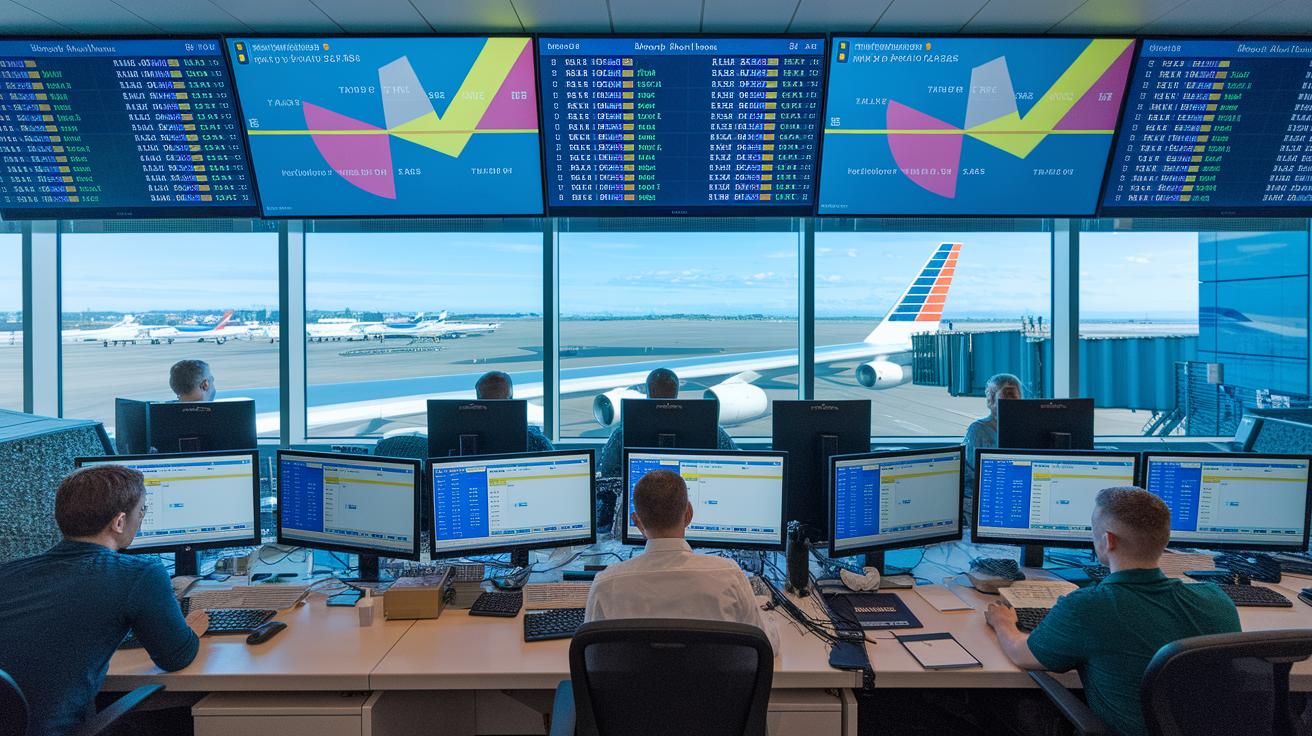
Dynamic pricing is a key tool airlines use to set fares instantly. Ticket prices can change many times a day based on how popular a route is. This method helps airlines adjust prices as conditions change. They use updates on available seats, cancellation numbers, and even estimates of fuel burn. Over 2,000 data sources feed into these systems to ensure each fare matches the current market and cost details.
Airlines build fares using several factors:
- The base price
- Taxes and government fees
- Ticket rules and refund options
- Booking class assignments
- Fare grouping strategies
- Real-time signals (like available seats, cancellations, and fuel burn forecasts)
Airlines also use yield optimization, which means smart algorithms adjust rates automatically. They mix live demand data with past performance info using machine learning (computer models that learn from data) to fine-tune prices. This reduces the need for manual changes and makes sure fares match both operating costs and what travelers are willing to pay. Many experts see this smart pricing method as a key part of modern airline strategies.
Revenue managers use these dynamic tools to act fast when market conditions shift. By watching these factors closely, they adjust fares to capture the best revenue while staying competitive. Quick changes might follow sudden cancellations or unexpected drops in available seats. This agile approach helps airlines balance attractive fares with strong revenue goals.
Historical Cost Analytics and Flight Cost Pattern Evaluation in Airfare Pricing Trends
Historical data helps us see how airfares change over time. It shows clear price cycles and sudden spikes, like when demand goes up or there are limits on available seats. By tracking fares for months, experts can spot trends that guide future pricing plans.
Time-series analysis breaks down large amounts of fare data to show how prices move day by day or week by week. For example, if a particular route slowly increases in cost during certain times, this method pinpoints when that happens. It also catches unexpected surges that come from sudden market changes. These tools help distinguish steady patterns from occasional random spikes.
Comparing fares across different airlines and routes gives even more useful insights. Analysts can see which carriers raise prices more aggressively during busy periods. This information not only helps travelers find better deals but also guides industry professionals in adjusting their pricing strategies.
Seasonal Ticket Price Analysis and Route Fare Fluctuation Study in Airfare Trends

Airfare is deeply influenced by the time of year. Busy periods like summer vacations or holiday seasons push ticket prices up and down. When demand is high, airlines raise fares to match the limited seat supply. This tactic helps them fill flights when more people are on the move.
Seasonal Ticket Price Analysis
During busy times, prices rise as more people book tickets. For example, when schools break for summer or winter holidays, travel data shows a spike in bookings. This surge makes airlines push prices higher because there are simply fewer seats available. Airlines also watch real-time booking and cancellation data. If cancellations stay low, it confirms that demand is high and justifies further fare increases. For instance, in the summer months, a 10% jump in bookings can lead to nearly a 15% rise in fares on domestic routes.
Route-Specific Fluctuation Patterns
When we look at specific routes, several factors come into play. Seat usage, fuel cost forecasts, and competition all help shape ticket pricing. A busy route between two major cities might see rapid price jumps if rising fuel costs and low seat availability signal intense demand. On the other hand, routes with fewer passengers or more competition tend to have more gradual price shifts. Nearby cities or alternative travel options can soften the rise in fares. Overall, while busy travel months push prices up broadly, each route's unique mix of factors ultimately determines the final fare levels.
Key Economic and Operational Factors Influencing Airfare Pricing Trends
Airlines set ticket prices to cover rising fuel costs and other operating expenses. With jet fuel prices soaring, even short flights see higher base fares to include extra fuel expenses. Maintenance costs and new safety measures add to these rising expenses, meaning every ticket reflects both market demand and the increased cost of running an airline.
When airlines run smaller fleets and face staffing limits, prices can climb even higher. With fewer seats, busy travel times stretch available capacity, which pushes prices up. Limited crew numbers may lead to fewer flights, further tightening schedules and boosting costs during peak travel periods.
Carriers also factor in environmental charges and extra service fees. Many airlines now include fees that help offset carbon emissions and meet regulatory requirements. Additional charges for baggage, preferred seats, and onboard meals add to the overall fare structure. This mix of costs lets airlines manage rising expenses while keeping fares competitive for travelers.
Predictive Fare Modeling and Travel Cost Forecasting in Airfare Pricing Trends

Forecasting is key for airlines and market watchers. They combine past data with live feeds to power models that predict future fares. This approach gives a complete view for planning routes and making smart pricing decisions even when demand shifts.
Machine Learning Trend Forecasting
Airlines use machine learning to study old fares along with real-time signals like booking trends, cancellations, and changes to flight schedules. These algorithms pick up patterns that traditional methods might miss. For example, mixing past price trends with live market updates helps identify small changes that can forecast future fares.
These models give clear, actionable insights. They update often so airlines can react quickly when travel patterns change unexpectedly. This regular fine-tuning means fares stay competitive while helping carriers keep their earnings strong.
Elasticity-Based Rate Structuring
Understanding price elasticity is essential. This means airlines measure how sensitive travelers are to fare changes. By looking at booking and schedule data, they can time price adjustments based on current market cues.
With elasticity-based models, airlines refine their fare structures all the time. This flexibility helps them match prices with local demand and competition, capturing extra revenue as market conditions shift.
Together, predictive analytics tools that blend machine learning with elasticity-based pricing help airlines optimize fares in near real time while responding fast to market changes.
Comparative Airfare Pricing Trends: Domestic vs International Routes Analysis
Domestic air travel in the United States has become notably more expensive. Fares are now 50% higher than they were in summer 2021 and 25% above summer 2019 levels. Even with ticket prices climbing, TSA checkpoint numbers are at 89% of 2019 levels, showing that many people are still flying.
Global data now lets us compare domestic and international fares side by side. This helps us see where price hikes are biggest. In the U.S., limited seating, smaller fleets, and high operating costs push prices up. On many international routes in regions like EMEA (Europe, the Middle East, and Africa) and APAC (Asia-Pacific), market conditions, local fees, and consumer habits mean fares don’t rise as quickly. For more background, check out the details in this article on global trends in airline economics.
For both travelers and industry pros, knowing these differences is key. This data gives clear hints about current fare pressures and helps with planning trips, buying tickets smartly, and managing travel budgets in a competitive market.
Final Words
in the action, our review tracked historic data, examined dynamic price shifts, and broke down seasonal fare changes. We looked at how economic, operational, and consumer factors shape ticket costs. The article also explored machine learning forecasts and thoughtful comparisons between domestic and international fares. This practical airfare pricing trends analysis offers clear insights that help you make smart travel moves. Stay informed and use these insights to steer your next booking in the right direction.
FAQ
Q: What is international airfare pricing trends analysis?
A: International airfare pricing trends analysis reviews historical data, current market shifts, and demand changes on global routes to help travelers forecast future ticket prices.
Q: How does Reddit discuss airfare pricing trends analysis?
A: Reddit discussions on airfare pricing trends combine shared data insights and personal experiences to explain fare fluctuations, offering practical tips and real-world observations.
Q: What is the average round-trip plane ticket cost?
A: The average round-trip ticket cost depends on the route and season. Studies show that market demand, fuel prices, and booking timing significantly influence these costs.
Q: What does the average airline ticket price history tell us?
A: The average airline ticket price history reveals long-term cost trends, showing how prices have shifted over time to reflect changes in market conditions and operating expenses.
Q: Why will flights likely be expensive in 2026?
A: Flights in 2026 are expected to be expensive due to rising operating costs, higher fuel prices, and strong travel demand, as suggested by current historical trends and market forecasts.
Q: What insights does a flight price history graph provide?
A: A flight price history graph offers clear visual trends of price changes over time, highlighting periods of high demand or price drops to help travelers spot optimal booking times.
Q: What does the international flight price history illustrate?
A: International flight price history illustrates how fares vary by region over time, showing the impact of economic shifts, fuel costs, and local market conditions on pricing.
Q: Will airline prices decrease in 2026?
A: While some models hint at small drops, airline prices in 2026 depend on fluctuating fuel costs, market demand, and capacity changes. Price forecasting remains uncertain and variable.