

Ready to rethink what makes air travel costly today? Fuel prices are changing, and they give us clues about big shifts ahead. Recent data shows that jet fuel prices have stayed steady in the United Kingdom (UK) and United States (US). Yet, in other areas, prices are starting to climb. These changes affect not only what airlines pay but also what you end up paying for your flight.
This post breaks down how fuel price trends shape the aviation world and what that might mean for your next trip.
Current and Historical Aviation Fuel Price Trends
Current market reports show that in Q2 2025, jet A fuel costs were around USD 2.04 per gallon in the United Kingdom and about USD 2.10 per gallon in the United States this past June. The average for 100LL avgas is roughly USD 6.00 per gallon, while Jet A is near USD 6.29 per gallon. This snapshot helps airlines and travelers see how fuel prices directly affect operating costs and ticket prices. Think of fuel prices as a barometer; when they shift, they signal broader changes in the aviation market.
Historically, the jet fuel market has seen strong growth. In 2024, global jet fuel was valued at nearly USD 176.7 billion. Now, forecasts suggest the market could reach around USD 470.5 billion by 2033, growing at about 10.20% per year. This rise is driven by more flights and higher passenger counts as travel rebounds after the pandemic. It shows an industry that is quickly evolving and facing new challenges and opportunities.
Fuel cost changes are closely linked to crude oil trends since crude oil is the main ingredient in jet fuel. When oil prices move, jet fuel prices follow suit. Shifts in market demand, trade policies, and production practices all add to this mix. Each change in price gives us a real-time look at the many factors at work in today’s fuel market.
Key Market Drivers Affecting Aviation Fuel Pricing Trends
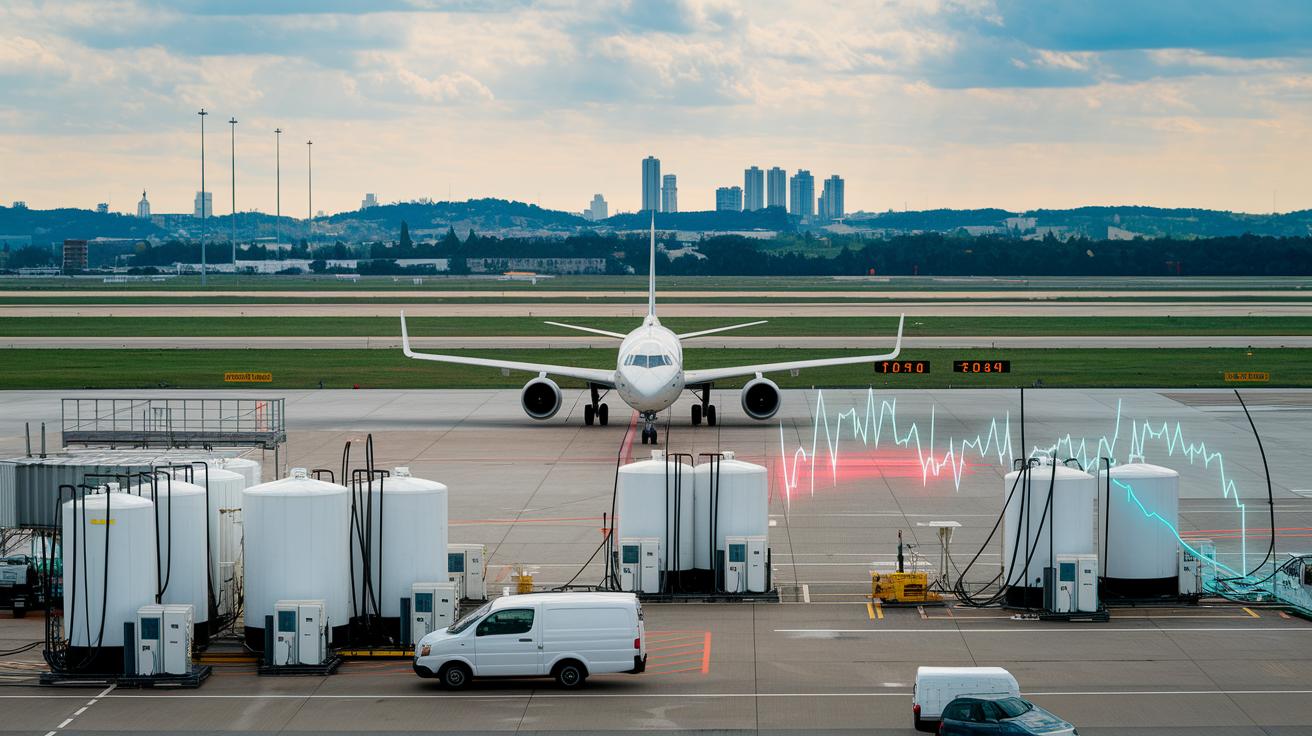
To follow fuel prices, it helps to understand the many factors behind them. Worldwide trends mix with local conditions to set how much fuel costs. Changes to trade rules, taxes, and refinery work have become key since travel bounced back after the pandemic. With more flights and busy routes, even small shifts in supply or regulations can change prices fast. That's why it's important to know what's driving these changes.
• Global crude oil prices: When oil prices move around the world, they can raise or lower jet fuel costs.
• Refinery capacity shifts: Refineries adjust their output to meet the rising need for jet fuel.
• Supply chain bottlenecks: Delays in getting fuel can tighten local supplies.
• Regulatory and tariff measures: Local policies and taxes can push prices higher in some markets.
• Travel-demand fluctuations: More flights for passengers and cargo use more fuel, driving costs up.
• Geopolitical tensions: Events like the crisis in Ukraine can cause quick price hikes and add uncertainty.
All these factors mix together to create the swings seen in fuel prices today. When oil prices change, jet fuel prices usually follow. At the same time, issues at refineries and in supply chains add extra complexity. Shifts in rules and travel demand also play a role in making prices jump. And when geopolitical events occur, they bring sudden changes and extra uncertainty, which is why keeping a close watch on the market matters for everyone involved.
Regional Variations in Aviation Fuel Price Trends
Regional factors shape aviation fuel prices in many ways. Differences in logistics, how close an area is to refineries, and local infrastructure all play a part. In remote spots, fuel costs can rise simply because it takes more work to get supplies on time. This impacts both small private planes and large commercial flights.
North America shows clear pricing differences. For example, in Alaska, fuel used in small planes like 100LL avgas costs about USD 10.20 per gallon. This high cost is due to the long distances and challenges of transporting fuel to remote locations. In the Central US, where refineries are nearby, the same fuel averages around USD 5.95 per gallon. Across the Atlantic, the United Kingdom recorded jet A fuel prices near USD 2.036 per gallon in Q2 2025. In Europe in general, prices have surged with jet A1 fuel jumping 115% in the past 12 months, and the fuel index rising from 303.8 to 383.4 in March 2022.
These price gaps force airlines to adjust their planning and budgeting. They need to account for higher costs on routes that reach remote areas and lower costs in regions with strong refining networks. This means changes in flight schedules, pricing, and even ticket fares for passengers.
Impact of Aviation Fuel Price Trends on Airline Economics
Fuel is one of an airline's biggest expenses, sometimes making up 30 to 40% of their operating costs. Even small changes in fuel prices can take a toll on profit margins, so airlines keep a very close eye on these trends.
To manage rising fuel costs, many airlines use techniques like fuel hedging (locking in prices ahead of time) and negotiating with suppliers. For example, GlobeAir’s Procurement Department runs an annual tender to secure fixed rates and better volume discounts. Locking in a fuel price helps reduce the uncertainty of any future price hikes.
When fuel prices spike, carriers often pass some of the extra costs on to passengers through fare adjustments. Events like the Ukraine war and recent tariff changes have shown just how volatile these prices can be. As profit margins narrow, airlines look for ways to trim budgets and keep ticket fares competitive while still managing their rising expenses.
Forecasting Aviation Fuel Price Trends and Risk Management
Airlines and fuel buyers need a clear view of upcoming fuel prices. Experts gather solid data like trade policy updates, raw material supply trends, and new technology changes. They use simple math models that mix current market info, past trends, and regulatory shifts to predict prices in the near future. For example, when a new tariff comes in, fuel prices can change quickly, and forecasts need to adjust.
Companies also run "what if" tests to prepare for surprises. They check how things like political unrest, refinery outages, or sudden policy changes might affect prices. This helps fuel buyers, whether for commercial use or defense fleets, decide on the best buying strategy. One case saw a sudden geopolitical event push a company to choose long-term contracts, which unexpectedly steadied costs.
To manage risks, businesses use tools like dynamic hedging (locking in prices ahead of time), working with several suppliers, and adding fuel surcharges. These methods allow companies to set flexible contracts that adjust as the market changes. This proactive plan helps them handle sudden price swings and keep operating costs more stable. For instance, one carrier locked in better rates through dynamic hedging before conditions changed.
Sustainable Aviation Fuel Alternatives and Future Price Trends
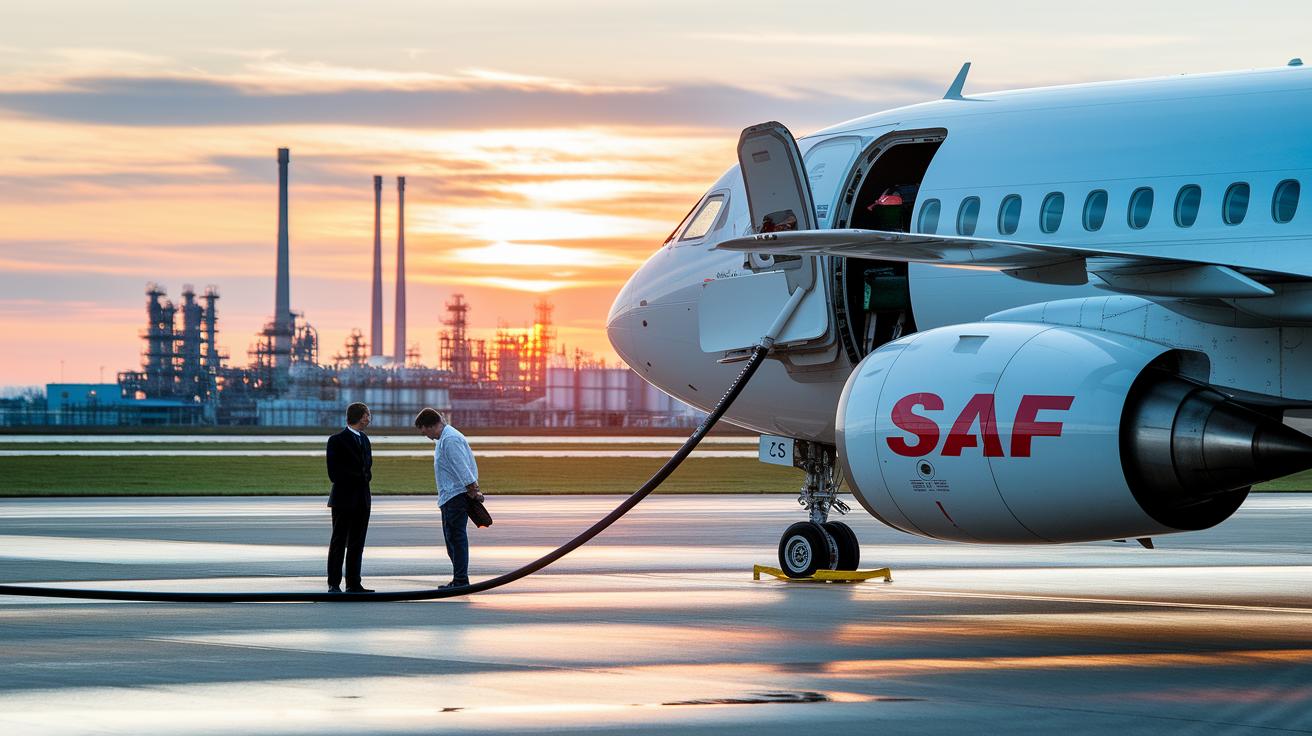
Sustainable aviation fuel (SAF) production is set to double in 2025, marking a big turning point for how airlines fuel up. Although more SAF is coming online, it still costs more than regular jet fuel. To help ease this difference, policies like blending mandates and tax credits (about USD 1.25 per gallon) are in place. These measures aim to cut carbon emissions while keeping fuel performance steady.
New electric propulsion systems and hybrid technologies are also on the rise, especially for short regional trips. These innovations could lower fuel costs by offering a fresh pricing model for regional flights. As airlines try out these electric and hybrid options, we might see a drop in operating expenses over time. Plus, government incentives that support renewable energy may further ease fuel costs, paving the way for a more balanced and sustainable market.
Final Words
In the action, our article covered current fuel costs, historical benchmarks, and the key drivers impacting airline operations. We broke down regional price differences and risk management tactics while comparing conventional fuels with emerging alternatives.
Aviation fuel price trends reveal how market shifts and crude oil changes steer operational costs. These insights point to ways for airlines and travelers to adjust strategies and manage budgets effectively.
Optimistic industry moves signal smarter choices for a smoother travel experience.
FAQ
What are the aviation fuel price trends for 2023 and 2022?
The aviation fuel price trends in 2023 and 2022 show shifts driven by market dynamics and supply-demand changes. Historical data reflects fluctuations that help inform forecasts and future pricing expectations.
What are the flight fuel price per litre and jet fuel price per gallon rates?
The flight fuel price per litre and jet fuel price per gallon offer conversion measures that help compare costs across regions. These rates support consistent pricing assessments in various local markets.
What do the Platts and Argus US jet fuel price Indexes indicate?
The Platts and Argus US jet fuel price Indexes serve as key benchmarks that track price movements. They provide valuable market data, guiding airlines and buyers in fuel procurement decisions.
What is the prediction for aviation fuel prices and are they going down?
Predictions suggest aviation fuel prices may see modest declines amid occasional spikes from market and geopolitical pressures. Price trends remain sensitive, with both downward movements and brief upswings observable in forecasts.
What is the average price of jet fuel expected in 2025?
Forecasts estimate that jet fuel prices in 2025 average around USD 6.29 per gallon in some markets, while regional variations exist between economies like the UK and US due to differing market conditions.
How does a jet fuel price calculator work?
A jet fuel price calculator converts measurement units and applies current market data to estimate fuel costs. This tool assists operators and travelers in budgeting and quickly comparing fuel prices.
How do jet fuel prices vary by country?
Jet fuel prices vary by country because of factors like logistics, local taxes, and supplier contracts. Such differences influence regional cost structures and require airlines to adjust their fuel procurement strategies accordingly.