

Are airlines just guessing their fares, or is there a clever system at work? Today, airlines use smart methods like dynamic pricing (prices that change with demand) and personalized fares to set their rates. They look at booking trends, competitor prices, and market signals to change prices on the fly. This guide shares practical tips on how airlines fine-tune their pricing systems to boost revenue and stay competitive.
Airline fare optimization tips boost revenue smartly

After deregulation in 1978, airlines were free to set their own prices. By 1983, they started using yield management techniques, which allowed them to change fares based on market demand rather than stick to fixed prices.
Today, airlines use dynamic pricing. This means fares adjust in real time based on factors like rising jet fuel costs, growing travel demand, and even pilot shortages. These changes have led to a noticeable increase in flight prices compared to the years right after 1980.
| Key Strategy |
|---|
| Dynamic pricing |
| Demand forecasting |
| Revenue management |
| Competitor benchmarking |
| Tech integration |
| Ancillary-fee structuring |
| Customer segmentation |
These strategies work together as part of a smart system that helps airlines fine-tune their ticket prices. Airlines keep track of flight costs and use strong revenue and yield management techniques to quickly adapt to new market trends. New technology ties all these steps together, ensuring that every fare update is current and competitive. By assessing needs like add-on fees and individual customer groups, airlines deliver personalized prices that boost revenue and keep them ahead in the market.
Dynamic Pricing Strategies in Airline Fare Optimization
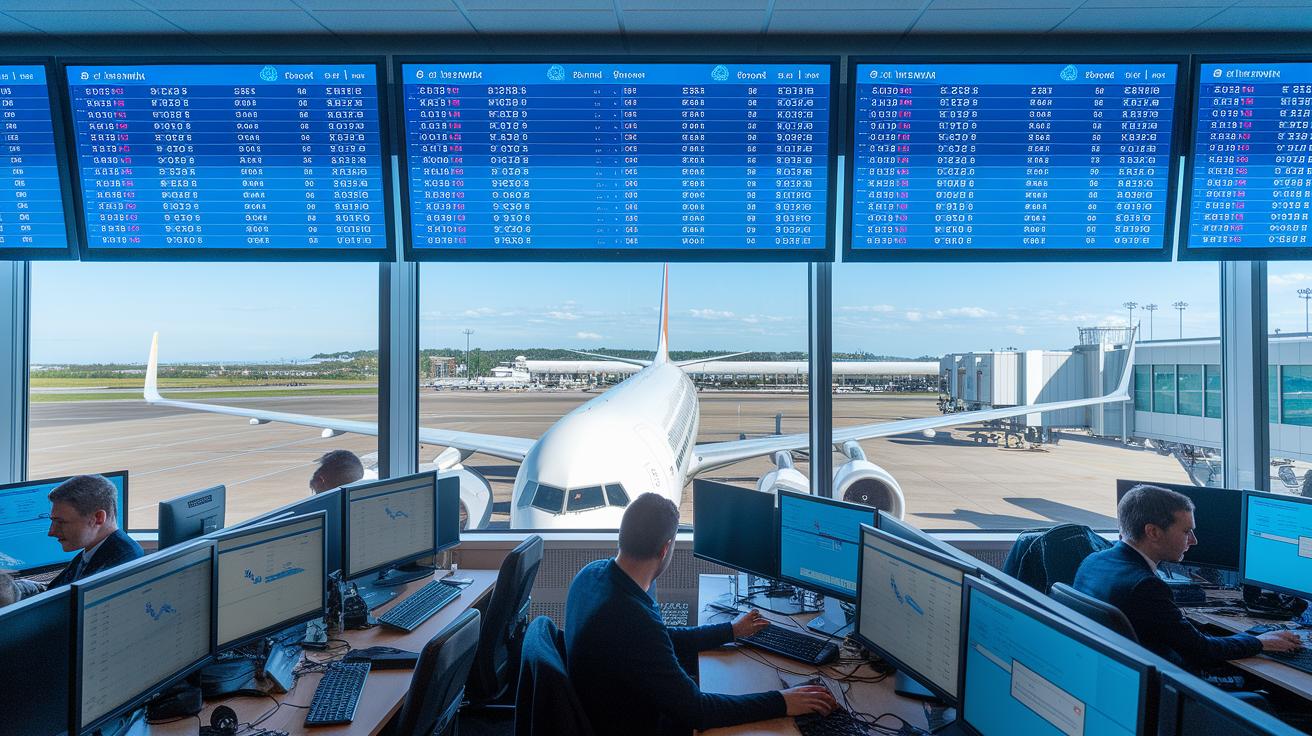
Airlines now adjust fares in real time using dynamic pricing systems. They look at booking trends, competitor prices, and signals of demand to boost revenue and cover high costs. They rely on current market data along with real-time context to change fares as needed.
Price Segmentation Methods
Airlines break down fares into groups for different customers, such as business and leisure travelers. They create fare buckets based on booking class and buying habits. By studying search behavior, loyalty status, and booking channels, airlines can offer prices that match what each group is willing to pay. For example, a business traveler might see a premium bundled offer, while a leisure traveler gets a more budget-friendly option.
Real-Time Adjustment Mechanisms
Immediate fare changes depend on smart algorithms that watch live data feeds. These systems use API links (digital connectors that allow software to talk to each other) to adjust fares right away when market conditions change. Constant monitoring of booking trends gives airlines the chance to update prices instantly as demand shifts.
Airlines also keep a close eye on their pricing rules. They regularly test and tweak their algorithms and check that data feeds are working well. This careful oversight helps them mix real-time signals with fare adjustments in a way that smartly lifts revenue.
Demand Forecasting Models for Airline Fare Optimization

Airlines are using smarter forecasting tools to set ticket prices and boost profits. These systems look at past booking trends, competitor fares, search activity, and even general economic trends to suggest the best times to adjust prices.
They mix simple techniques like regression (finding patterns in data) and time series analysis with modern machine learning to understand how passengers buy tickets. Studies show that solid booking data helps make these predictions more accurate. In essence, machine learning groups travelers by how they make purchases and how sensitive they are to ticket prices. This lets airlines offer fares that better match different customer needs. Of course, using high-quality data is key, bad data leads to poor forecasts.
AI is a big part of this process, constantly reviewing real-time data to fine-tune predictions on the fly. It can adapt to new trends almost immediately, striking a careful balance between aggressive pricing for last-minute travelers and cautious pricing that guards against losing revenue.
When airlines nail their demand forecasts, they can optimize how many seats they fill and improve overall revenue. Better predictions help them manage seat inventory more effectively and adjust prices instantly, making dynamic pricing work to their advantage and boosting overall financial performance.
Revenue Management and Inventory Control in Airline Fare Optimization
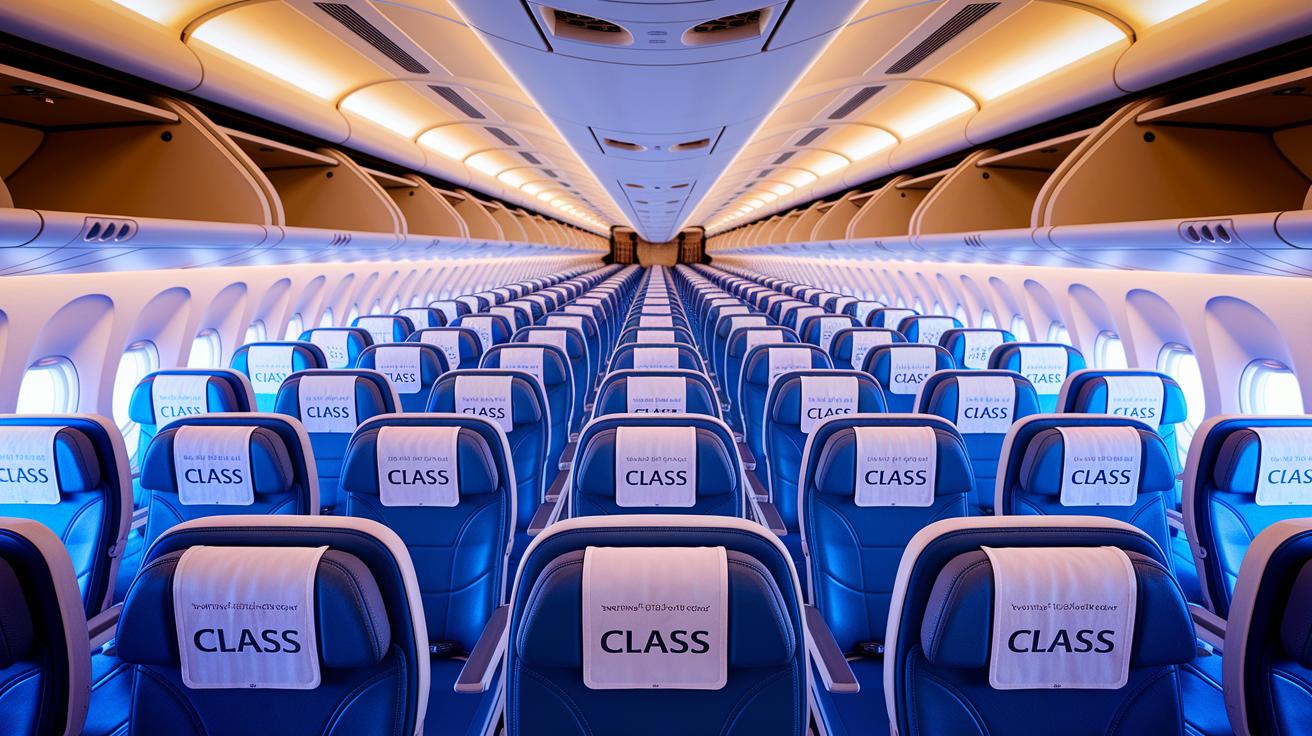
After deregulation allowed airlines to set their own fares, they changed how they manage seat capacity. Today, airlines use smart revenue management techniques to split seats into different fare groups based on expected demand. They rely on past booking data to divide seats by fare classes and spot trends. Methods like overbooking (selling extra tickets to cover no-shows), planning fare mixes, sharing seats with partner airlines, and adding fees for baggage or seat upgrades all play important roles. Statistical yield management uses historical data to fill more seats, cut wasted capacity, and lower costs from bumping passengers, which helps boost overall profits.
| Method | Key Features | Revenue Impact |
|---|---|---|
| Overbooking | Selling extra tickets to cover no-shows | +2–5% load factor |
| Fare Class Restrictions | Limiting seats available in each fare group | +1–3% yield |
| Seat Blocking | Setting aside seats for premium fares | +0.5–2% extra revenue |
| Real-Time Inventory Adjustment | Changing seat availability as bookings come in | +1–4% total revenue |
By keeping a tight control on inventory and aligning it with their fare strategies, airlines make sure every seat adds value. They watch booking patterns closely and adjust seat availability to mix premium prices with more competitive offers. This approach not only fills more seats but also taps into extra revenue from add-ons, all while cutting costs and boosting profits.
Competitive Benchmarking and Market Analysis for Airline Fare Optimization

Airlines depend on watching their competitors to keep up in a fast-changing market. They track rivals' fare changes and seasonal travel peaks to adjust their prices quickly. This approach lets them know what others offer, so they can time their own fare changes to win more customers in both busy and slow seasons.
Seasonal changes and economic factors play a big role in setting fares. For example, airlines notice that last-minute booking fees tend to drop during summer high season and winter holiday periods. This helps them plan special promotions. They use market scanning tools to check pricing ranges on specific routes, study key economic signals like GDP growth and fuel price trends, and observe how consumers behave. This real-time information is crucial for keeping fares competitive.
Airlines keep a close eye on the market to update their offers quickly. They look at simple measures like how their fares differ from competitors and the best times to offer discounts. By monitoring these factors, carriers can adapt when economic conditions change or when they expand to new routes. This ability to adjust in real time helps them stay competitive while protecting their revenue.
Technological Tools and Automation in Airline Fare Optimization

Airlines depend on strong behind‑the‑scenes systems to get the best fares. They combine central databases that hold live booking and pricing info with cloud computing power to quickly handle massive data. This solid setup drives digital change and makes mapping a passenger’s journey straightforward.
Today’s automation platforms come with AI and ML tools (computer programs that learn from data) to manage inputs from many sources. They gather real-time details from mobile check‑ins, extra service offers, and fare card loadings. For instance, one system instantly adjusted bundled deals when booking trends changed. This quick response helps airlines set prices and package deals based on real‑time market feedback. In short, these tools not only react to changes but also predict them by mixing customer behavior with current market trends.
Real‑time dashboards play a key role by showing constant updates from multiple channels. This live view lets airlines spot trends, catch any changes early, and respond fast to market shifts. It also improves passenger journey mapping by tracking interactions at every step.
Of course, there are challenges. Connecting different systems, keeping data accurate, and fine‑tuning AI models all demand careful planning. The best approach is to test thoroughly, roll out changes gradually, and update regularly to keep everything running smoothly and fares optimized.
Final Words
In the action, we covered fare evolution from historical pricing shifts to the latest in dynamic pricing, demand forecasting, revenue management, competitive benchmarking, and tech tools. We looked at key strategies like optimizing dynamic offers, analyzing booking trends, and using real-time data to adjust fares on the fly.
These airline fare optimization tips offer a clear framework to boost yield and manage risks. By applying these strategies, travel planning can become smarter and less stressful, resulting in better outcomes for your budget and itinerary.
FAQ
What are the best airline fare optimization tips?
The best airline fare optimization tips rely on using dynamic pricing, demand forecasting, and revenue management paired with advanced tech tools. This helps airlines adjust fares quickly based on market signals.
What is an airline pricing strategy PDF?
An airline pricing strategy PDF details techniques like dynamic pricing and revenue management. It offers insights on setting competitive fares and analyzing market trends to maximize revenue.
How does an airline dynamic pricing algorithm work?
The airline dynamic pricing algorithm works by adjusting fares in real time. It reviews current demand, booking patterns, and competitor prices to set rates that maximize revenue.
How can I beat dynamic pricing to get discounted flights?
Beating dynamic pricing means using fare comparison tools and booking during off-peak times. Platforms like Google Flights and Skyscanner help spot lower fares by tracking real-time price drops.
Do flight prices actually drop on Tuesdays?
Flight prices sometimes drop on Tuesdays when airlines update their fares midweek. However, price changes vary by route and season, so it’s wise to monitor fares regularly.
What role do platforms like Google Flights, Skyscanner, Expedia Group, and KAYAK play?
These platforms collect and compare flight data from various carriers. Their tools help travelers spot lower fares and track market trends for better booking decisions.
What is flight algorithm search and how does it work?
Flight algorithm search uses computer programs to rank flight options based on price, schedule, and demand. This system lets travelers quickly find the best deals from many carriers.