

Ever wonder why one airline lets you bring a big bag while another cuts you off? It all comes down to each airline’s personal item rules. Knowing these measurements can save you time and money. Because every airline sets its own limits, what works on one flight might not on another. This guide breaks down clear numbers for items, from small laptop bags to slightly larger purses. Follow these simple tips to pack smart and steer clear of extra fees at the gate. Read on to know what each airline allows for your personal item.
Airline Personal Item Size Guidelines at a Glance

Each airline sets its own size rules so your bag will fit under the seat. Some airlines only allow small items like a purse, briefcase, or laptop bag, while others let you bring a slightly larger bag. For instance, Allegiant accepts bags up to 16 × 15 × 7 inches, whereas American Airlines allows items that measure up to 18 × 14 × 8 inches. The table below shows each airline’s limits and any extra details you might need when packing.
Knowing these size limits can save you from extra fees or delays at the gate. For example, Delta only cares that your item is a purse, briefcase, or laptop bag but does not set strict dimensions. In contrast, United has specific measurements for basic economy travelers. Also keep in mind that carry-on rules might include weight restrictions or special allowances for items like jackets or diaper bags. Use the table as your quick guide to compare personal item size limits and any extra rules.
| Airline | Personal Item Max Dimensions (in) | Weight Limit | Notes |
|---|---|---|---|
| Alaska Airlines | Purse/briefcase/laptop | N/A | Must be one of the approved types |
| Allegiant | 16 × 15 × 7 | N/A | Carry-on fees $15–$75 apply |
| American Airlines | 18 × 14 × 8 | N/A | Soft-sided garment bags total 51 in allowed |
| Breeze Airlines | 17 × 13 × 8 | N/A | Carry-on weight limited to 35 lb |
| Delta | Purse/briefcase/laptop | N/A | Carry-on max 22 × 14 × 9 (45 in total) |
| Frontier | 18 × 14 × 8 | N/A | Diaper bags allowed; carry-on 35 lb cap |
| Hawaiian Airlines | Laptop bag/briefcase/backpack | N/A | Must fit under the seat; carry-on weight 25 lb |
| JetBlue | 17 × 13 × 8 | N/A | Exceptions for duty-free or diaper bags |
| Southwest | ≤ 18.5 × 13.5 × 8.5 | N/A | Extras like jackets not counted |
| Spirit | ≤ 18 × 14 × 8 | N/A | Fees apply if no paid carry-on |
| United | ≤ 17 × 10 × 9 | N/A | Jackets/assistive devices allowed |
Distinguishing Personal Items from Carry-On Baggage

A personal item is a small bag that fits completely under the seat in front of you. You might use a purse, briefcase, or small backpack for this. This bag is where you keep essentials like your passport, phone, or laptop so they’re always within reach during your flight. In short, it’s for the things you’ll need right away.
A carry-on is a larger bag that goes in the overhead bin. Airlines usually allow carry-ons up to 22 × 14 × 9 inches, offering more room for extra belongings. Because you can’t easily reach it during the flight, this bag is best for items you won’t need immediately, like extra clothing or bulkier accessories.
Airlines stick to these size rules to prevent extra fees and delays. If your personal item is too big to fit under your seat, you might have to check it in, this could cost you extra money. By knowing the size limits for both types of bags, you can pack smartly, keep important documents close, and enjoy a smoother boarding process.
Key Factors Influencing Airline Personal Item Size Limits

Airlines don't use a one-size-fits-all rule for personal items because several factors shape their guidelines. The available space on each plane and the way passengers are processed both play a role.
Different aircraft have different under-seat space. Some planes offer more room than others, which means the size of the bag you can bring may change depending on the model. Airlines also design rules to keep the boarding process smooth and the gate area clear.
Measurement standards can vary, too. Many international airlines list baggage sizes in centimeters, while U.S. carriers use inches. This can lead to small differences when you convert the numbers. Also, rules might change based on the route. For example, domestic flights can have different limits than international ones because of the different plane setups.
Sometimes the allowances change with the season. When travelers need to pack extra winter gear or accessories, airlines might temporarily allow bigger items.
Before you pack, it’s a great idea to check your airline’s specific size limits. Knowing these details can help you pack smarter and choose a bag that fits your flight’s requirements perfectly.
Practical Tips for Measuring and Verifying Your Personal Item Size
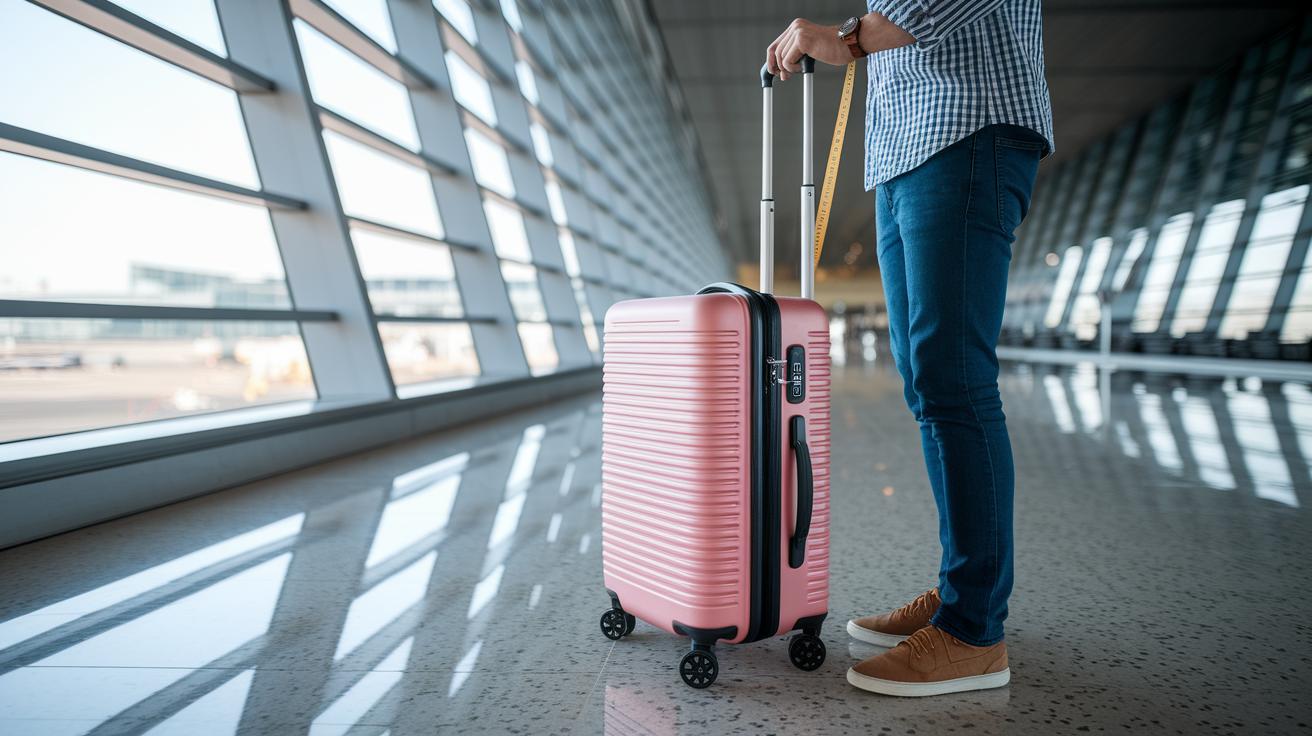
When it's time to pack, having the right tool can really help. Use a retractable tape measure to get all your bag's dimensions. This tool makes sure you include wheels, handles, and any bumps. One smart traveler once found that checking early saved them from a late repacking and high fees.
First, measure your bag’s height (top to bottom), width (side to side), and depth (front to back). Be sure to measure over any handles or wheels. Write down each number and match them with your airline's rules before you pack. You might also use an online cabin baggage calculator to be extra sure your bag fits.
At the airport, don’t hesitate to use gate sizers or ask an agent to double-check your bag. This quick check can help you avoid delays and extra charges when you board.
Packing Strategies Within Personal Item Size Constraints
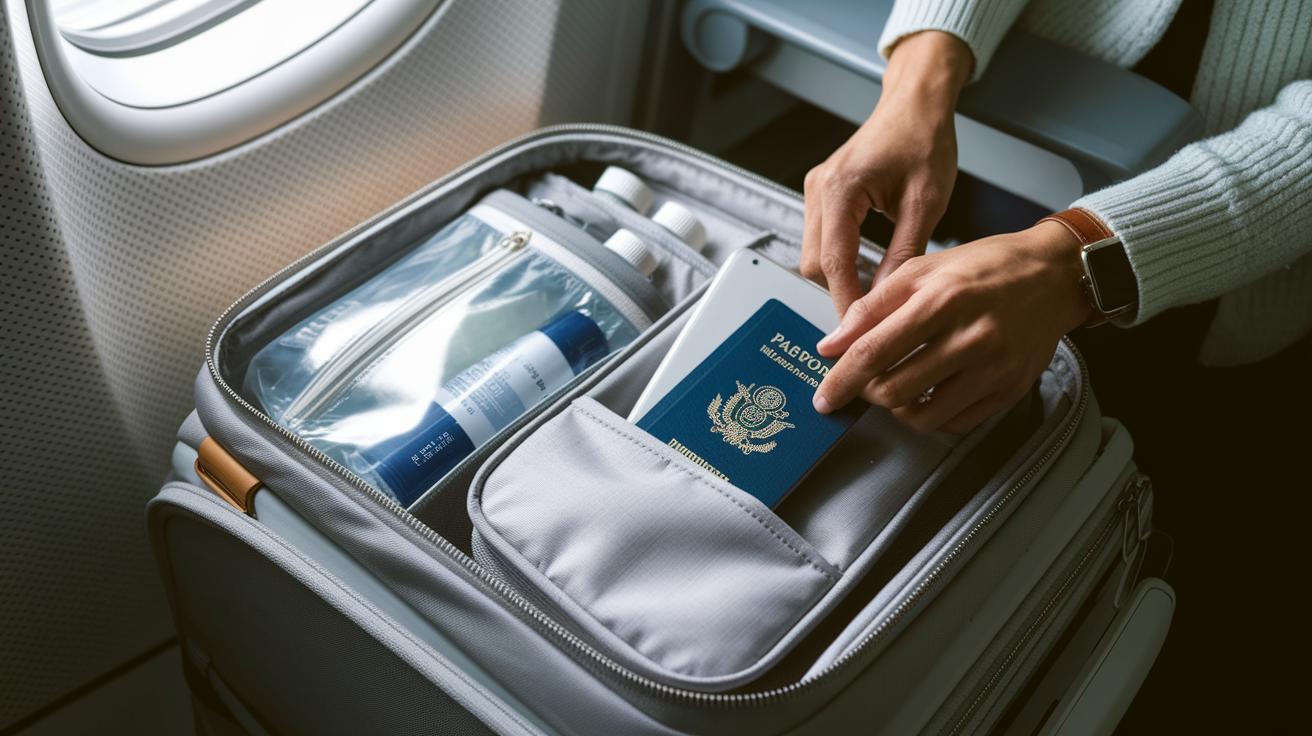
When you pack your personal item, keep your must-haves secure and stay within airline size rules. Make sure your passport, ID, and boarding pass are easy to reach by placing them in a secure, zippered pocket. With limited space, every compartment should have a clear purpose. Think about what you'll need during the flight, like a light tablet or a small book.
Keep your electronics safe by sliding laptops or tablets into padded sleeves. Tuck any cables into a small pouch so they don’t get tangled. Place liquids in a clear, resealable plastic bag, and remember each bottle should be no more than 100 ml. Leave behind items like sharp objects, large gels, or flammable materials. If your airline allows extra carries, such as duty-free purchases, diaper bags, jackets, or umbrellas, pack these in a separate spot.
- Use a secure pocket for your passport, ID, and boarding pass.
- Protect laptops and tablets with padded sleeves.
- Organize cables by keeping them in a compact pouch.
- Pack liquids (up to 100 ml per container) in a clear, resealable plastic bag.
- Avoid including aerosols, gels over 100 ml, or flammable items.
- Separate extra allowances like duty-free buys or diaper bags.
- Keep lightweight items like jackets or umbrellas apart so they don’t bulk up your bag.
For more ideas on travel-friendly accessories, check out this link: gadgets for travel.
Domestic vs. International Personal Item Size: Key Comparisons

In the U.S., most airlines set personal item limits at about 18 × 14 × 8 inches and carry-on sizes at roughly 22 × 14 × 9 inches. These sizes ensure your bag will fit neatly under the seat or in the overhead bin. Typically, a personal item means a purse, briefcase, or laptop bag.
In Europe, airlines follow metric standards. Carry-ons usually measure 55 × 40 × 20 cm and personal items are around 40 × 30 × 20 cm, which is close to 16 × 12 × 8 inches in U.S. measurements. Because converting these numbers can be off by about 0.5 inches, it's smart to check both metric and U.S. sizes when planning your packing.
Asian airlines often set carry-on limits at 56 × 36 × 23 cm and personal items around 45 × 30 × 15 cm. The differences in measurements and rounding between meters and inches mean you should measure your bag carefully. Always compare your baggage with the airline's posted guidelines before you travel to avoid any surprises.
Airline personal item size: Clear carrier limits
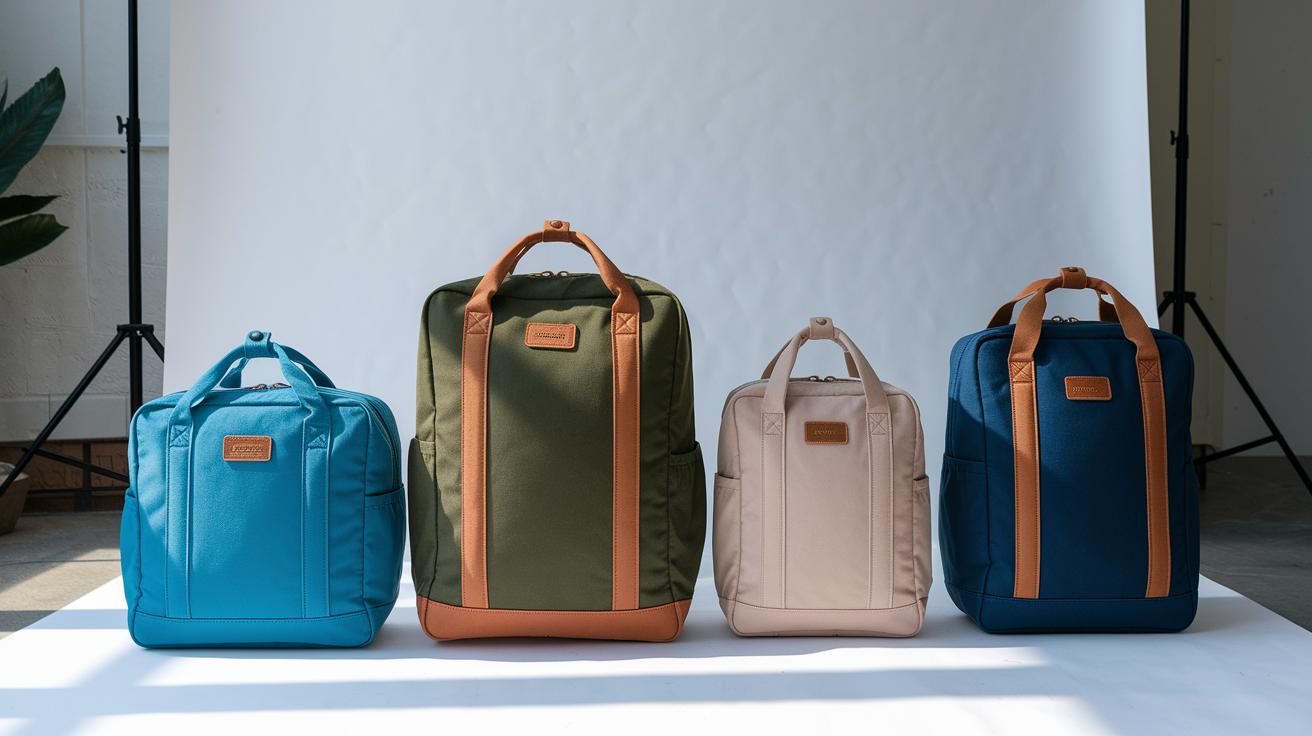
If your airline sets moderate size limits, the Sherpani Camden is a great bet. It measures 10 × 18 × 6 in and fits most U.S. carriers that allow a standard purse, briefcase, or laptop bag. For stricter airlines like Spirit or United basic economy, pair it with the smaller Sherpani Dispatch at 9 × 13 × 5.5 in to stay within limits.
Need extra space? The Sherpani Juno, at 11 × 17.5 × 7.5 in, offers a bit more room for carriers that allow larger items. On the other hand, if you like compact efficiency, the Sherpani Metro measures 7 × 12 × 3 in and works well when space is super tight.
For a mix of easy access and plenty of storage, the Sherpani Soleil at 11 × 15 × 4.5 in is a smart choice. And if you’re looking for solid midsize options, the Sherpani Stride (14 × 18 × 5.5 in) and Terra (13.5 × 17 × 6 in) cover a range of carrier needs.
Final Words
In the action, this guide compared personal bag limits, carry-on dimensions, measurement techniques, and packing strategies. It broke down airline policies from U.S. carriers to international standards, offering a side-by-side look at size limits and practical tips. Readers learned how to measure bags accurately and choose the right travel accessory. These insights help you meet airline personal item size guidelines, making travel simpler and less stressful. Keep these tips in mind, and you’ll be set for a smoother, more relaxed travel day.
FAQ
What are typical airline personal item dimensions on U.S. carriers?
The airline personal item guidelines vary. American Airlines allows a bag up to 18×14×8 in, Delta accepts a small purse or backpack, and United basic economy limits items to 17×10×9 in. Always check with your carrier.
How do airline personal item sizes differ internationally?
International airlines often list dimensions in centimeters. Many use personal items around 40×30×20 cm (roughly 16×12×8 in), so verify your flight’s requirements to stay compliant.
How much can I pack in a 40×20×25 bag?
A 40×20×25 cm bag holds about 20 liters. This capacity is enough for essentials like a passport, phone, and wallet, but may be tight if you need additional items.
What size is a personal item on 2025 flights?
There are no announced changes to personal item dimensions for 2025. The current size restrictions remain in effect until airlines update their policies.
What if my personal item is 1 inch too big?
If your bag exceeds the allowed size by 1 inch, it might not fit under the seat. This could lead to fees or require you to check the item, so measure carefully before you travel.