

Ever wonder what makes an airline truly succeed? Airlines use hub locations to gather flights in one spot. It’s like a school bus picking up friends along its route, filling seats and cutting costs.
Good hub placement lets airlines add more routes and stick to a tight schedule. That means smoother trips for everyone. In this story, we show how the right hub can shape an airline’s network and keep things on track.
Assessing Hub Locations’ Influence on Network Efficiency
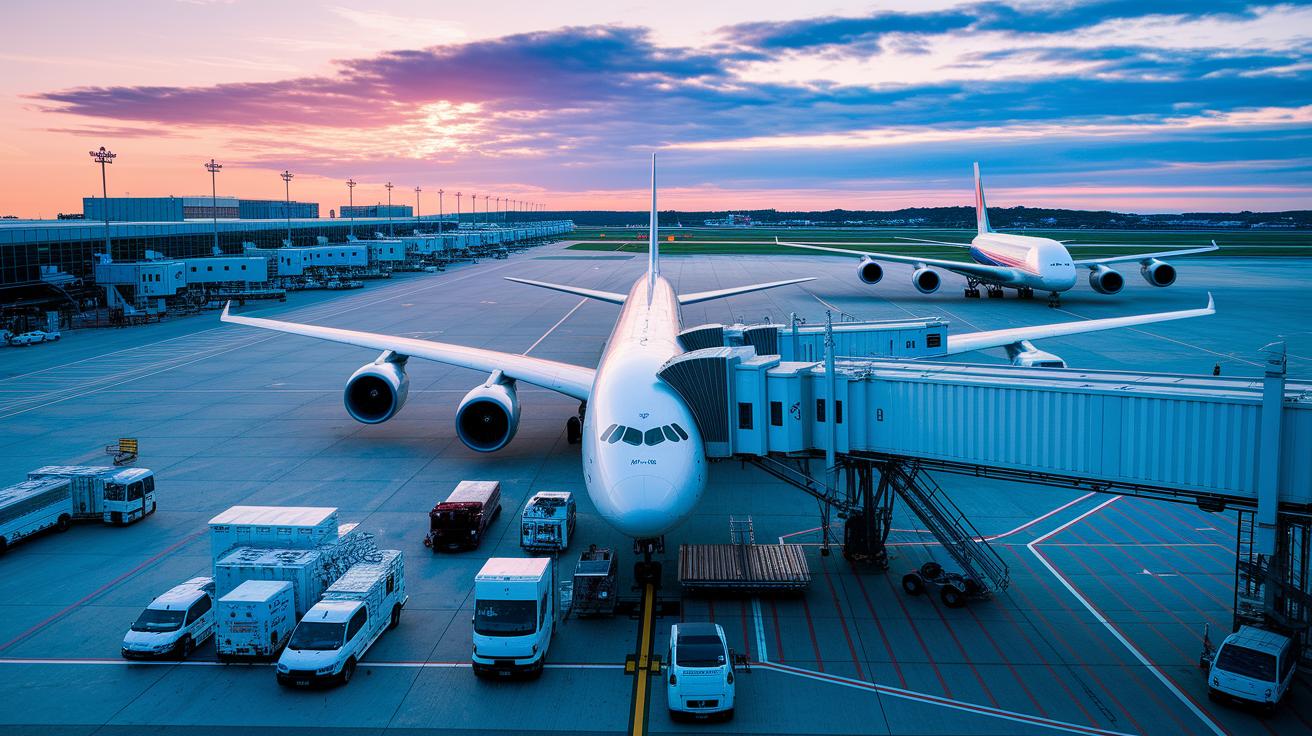
Where an airline sets up its main airport plays a big role in cutting costs and boosting connections. Airlines use a hub-and-spoke system, meaning they route smaller flights into one busy airport. This cuts down on empty seats and saves money. For example, running four routes from one hub can give you direct flights between four city pairs and transfers that add six more pairs, making 10 pairs in total.
Emirates shows how this works. The airline uses its Dubai hub to combine passengers from different origins. This allows them to run many flights every day, even on large planes like the A380. Imagine a busy station where travelers meet up from various routes to catch their next flight.
Smart hub placement does more than create more connections. By gathering flights in one spot, airlines can fill more seats and lower costs per seat. They can put bigger planes on busy routes and stick to a tight schedule, so delays are fewer and passengers are happier. Airlines even use real-time data from these hubs to adjust flight frequencies and airplane assignments to keep routes both profitable and competitive.
Using data to plan hub locations helps balance low costs with enough flight options, a key factor in today’s competitive travel market.
Evaluating Geographic Advantages of Hub Placement

Airlines choose hub locations by studying regional demand and planning their routes carefully. For example, Alaska Airlines has picked Seattle–Tacoma International Airport (SEA) as its main base on the West Coast. It also uses San Diego (SAN), Boise (BOI), and San Jose (SJC) to connect travelers from different nearby areas and keep feeder routes running smoothly.
American Airlines follows a similar method with its network of ten hubs. Dallas/Fort Worth (DFW) handles over 200 million passengers each year and is a key part of its system. The airline stopped concentrating on Austin (AUS) in 2024 as part of its ongoing plan to focus on areas with more demand and a strong local market.
Delta also benefits from smart hub placement. It uses Atlanta’s Hartsfield–Jackson International Airport (ATL) as a major global hub, which served 108.1 million passengers in 2024. Atlanta’s location makes it easy to connect different regions, helping the airline keep its network strong and efficient.
Route Optimization and Scheduling Dynamics in Hub Networks
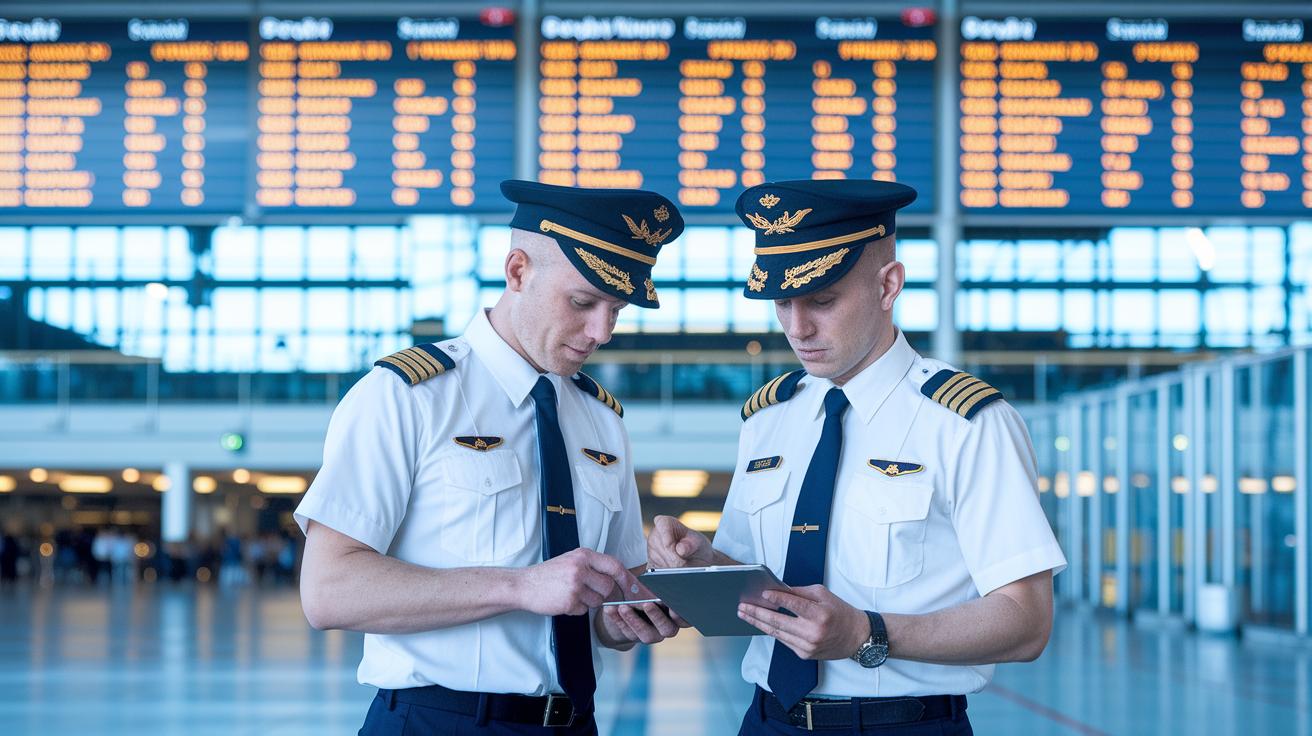
Airlines plan departures from major hubs to get the most use out of each plane and reduce downtime. United Airlines took this strategy further when it grew its Denver International Airport (DEN) hub after merging with Continental. Adding extra gates and more flights each day gives United greater flexibility, which means fewer long layovers and a smoother travel experience.
Delta proves that well-timed flights really matter. At Atlanta’s Hartsfield–Jackson International Airport (ATL), the airline set its flight times close together to cut down on waiting times for those connecting to other flights. With over 108 million passengers expected in 2024, these timing changes help keep connections fast and the network running on schedule.
American Airlines uses similar methods across its ten hubs. The airline carefully assigns planes so that busy routes get larger jets, while smaller aircraft serve less busy markets. This smart balance keeps planes busy and allows the network to adjust quickly when travel needs shift.
Airlines also rely on data and real-time checks to update their schedules. By tweaking flight times based on passenger numbers and other factors, they can make quick decisions about gate use and plane assignments, keeping everything running smoothly.
Passenger Flow Analysis and Transfer Efficiency at Key Hubs
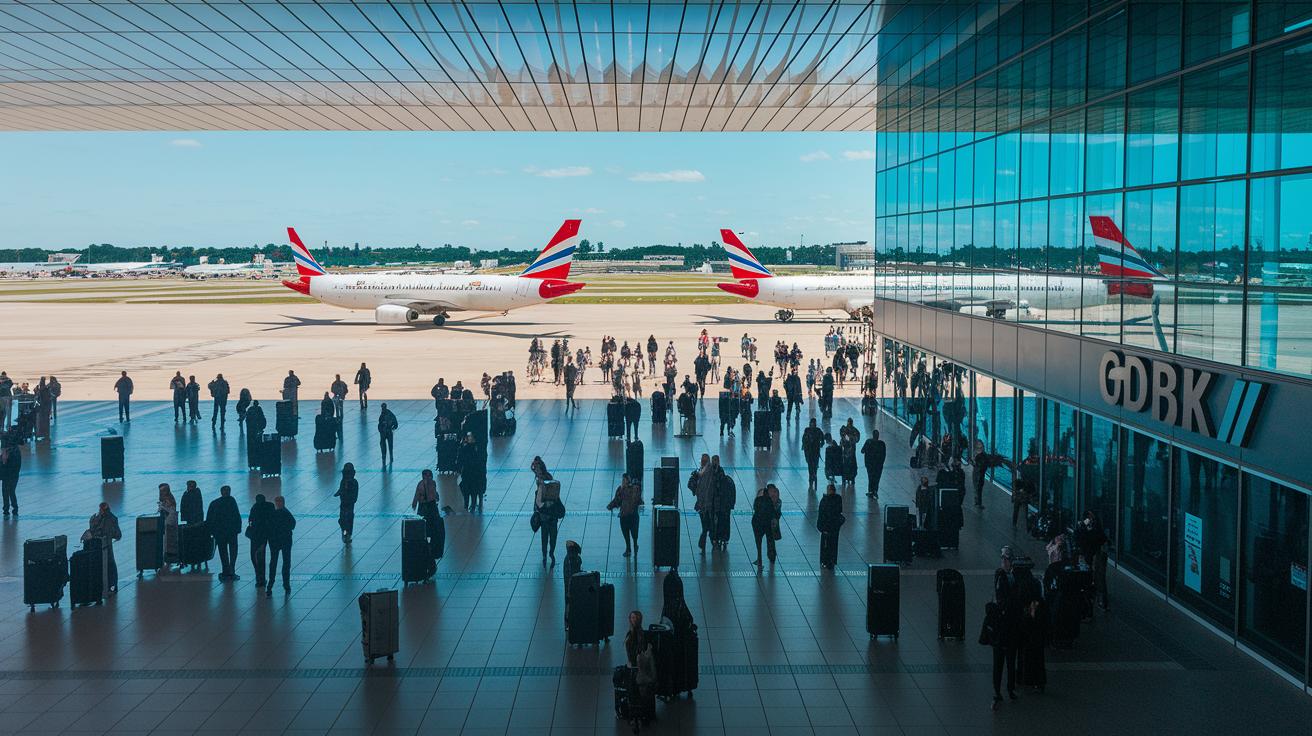
At central hubs, airlines bring together travelers from many origins to make moving between flights easier and boost network strength. Hub-and-spoke systems help fill planes by consolidating connecting traffic. For instance, at Dallas/Fort Worth (DFW) and Atlanta’s Hartsfield-Jackson International Airport (ATL), smart scheduling creates more than 200 million travel plans every year by feeding many routes into one hub. This approach builds extra capacity so that even if one flight is delayed, most passengers can still catch their connecting flights.
Airlines also focus on how hubs are laid out. Coordinated gate assignments and well-planned terminal designs reduce the time passengers spend moving from one flight to another. Clear signs and short walking distances help lower missed connections, keeping on-time departures above 75 percent. The design of these hubs makes transfers quick and comfortable.
Airlines use data to make further improvements. They study how passengers move through waiting areas, security checkpoints, and boarding gates to find parts that need tweaking. When planners adjust arrival and departure times, they create a smooth door-to-door connection that benefits everyone. This data-driven approach not only improves efficiency but also eases the stress of tight transfer times.
| Key Metric |
|---|
| Connection window duration |
| Terminal transfer walking distance |
| Inter-terminal transit availability |
| Coordinated baggage handling |
| Synchronization of arrival and departure blocks |
Cost Implications and Profitability Drivers of Hub Concentration
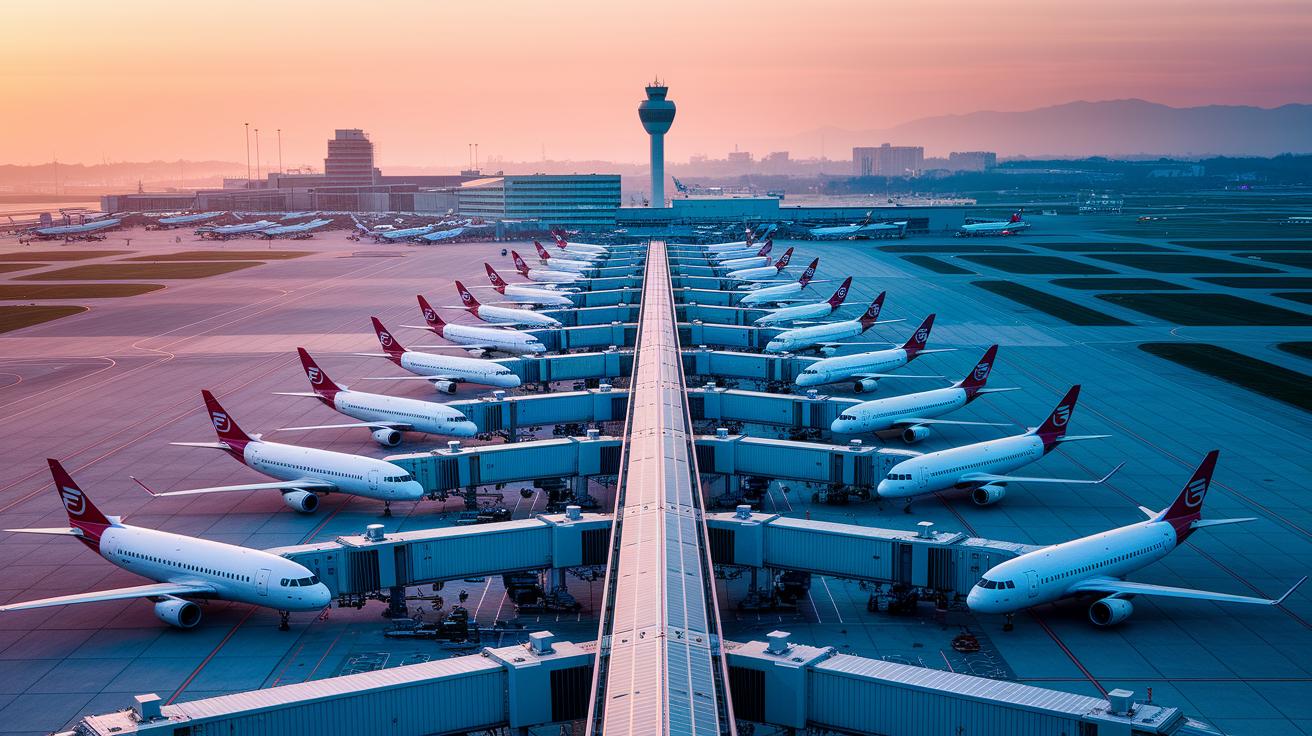
Centralizing flights at key hubs cuts unit costs in a big way. By routing feeder flights through main hubs, airlines reduce empty legs and can use larger aircraft on busy routes. This hub-and-spoke method brings savings of up to 15 percent on the cost to run one seat over one mile (CASM).
Airlines also benefit by pooling ground handling, maintenance, and staffing at these hubs. Running most operations from one central spot streamlines processes and lowers costs per flight. For example, when operations are consolidated, resources are used more efficiently, which helps drive overall profit.
Using larger aircraft adds another layer of savings. Bigger planes carry more passengers, which improves the match between capacity and demand. This leads to tighter scheduling and better revenue on each flight.
In practical terms, hub concentration means fewer underused flights and smoother daily operations. Airlines then pass on these cost savings as competitive pricing. Centralized scheduling keeps load factors high, so each flight brings in more profit.
Centralizing hub operations can reduce costs so effectively that some airlines see up to a 15 percent saving on every available seat mile. This directly impacts ticket prices and helps keep routes sustainable. It’s no wonder many airlines continue to refine their hub networks to boost both efficiency and profitability.
Resilience and Risk Assessment in Hub-Centric Networks
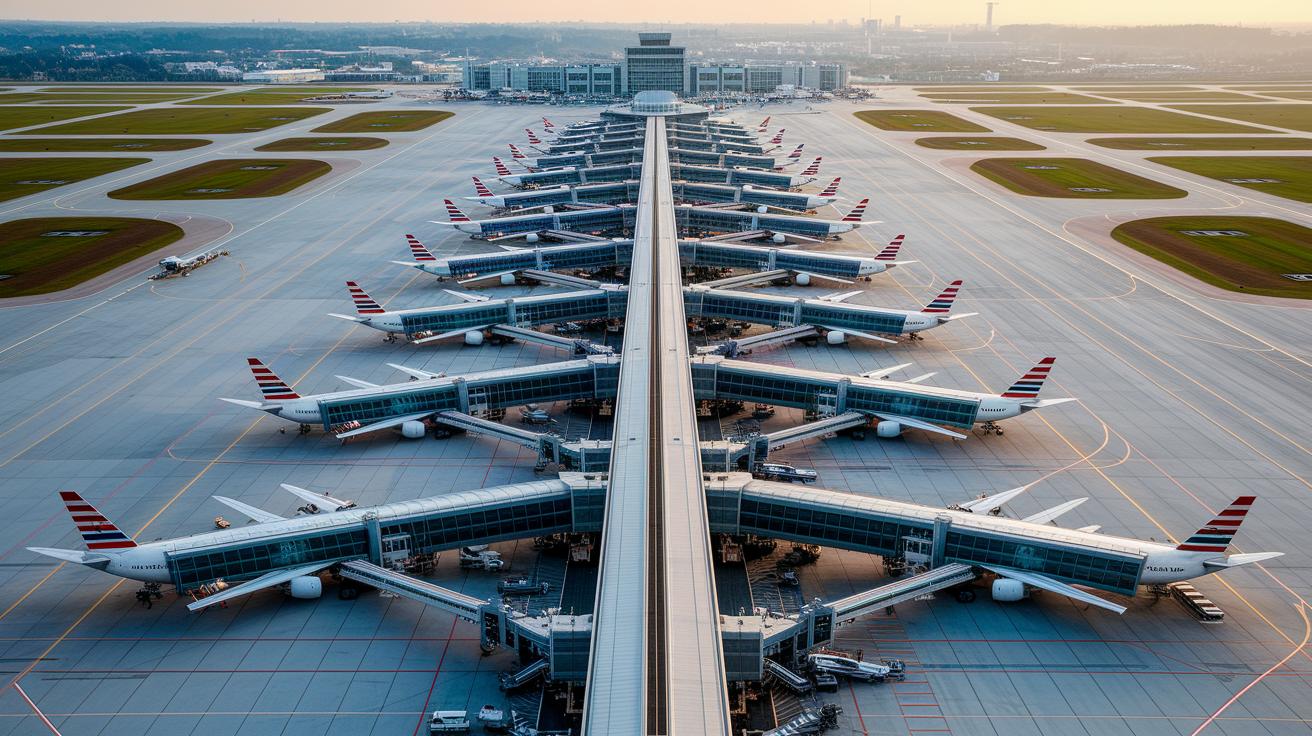
Hub-and-spoke systems make flights run efficiently by funneling them through busy hubs. But if a problem hits a hub, delays can ripple through the entire network. Severe weather or technical issues at a main hub can cause many connecting flights to run late. This happens because the system depends heavily on one central point.
Older airlines adopted the hub model after deregulation in 1978. This change boosted route options but also raised the risk of delays. To fight this, airlines now use secondary hubs and focus cities to spread out flights. They also have plans in place to move aircraft quickly when unexpected events occur.
By spreading operations across different locations, airlines can lessen the impact of local issues. Even if one spot faces a setback, service can keep going. Assessing how resilient hub-centric networks are means balancing efficient routing with reducing risks from relying too much on one hub. This evaluation is key to keeping air travel smooth in an unpredictable world.
Case Studies: Major U.S. Airline Hubs and Network Outcomes

Alaska Airlines builds its network around Seattle–Tacoma International Airport (SEA). The carrier also runs smaller routes from San Diego (SAN), Boise (BOI), and San Jose (SJC) to serve nearby areas. For instance, a traveler might fly from Boise to SEA to catch a connecting flight. This hub-and-spoke method ensures solid local links that feed into a nationwide system.
American Airlines runs a system with ten main hubs, with Dallas/Fort Worth (DFW) leading the pack. Serving over 200 million passengers each year, the airline offers frequent and reliable connections. Imagine stepping off a regional flight and hopping onto a larger jet at DFW, that’s the benefit of a well-planned hub strategy.
Delta Air Lines operates out of nine major hubs, with Atlanta’s Hartsfield–Jackson International Airport (ATL) at its core. In 2024, ATL welcomed 108.1 million passengers, handling both domestic and international flights. By adding Orlando (MCO) as a focus city, Delta shows it is committed to expanding its network even further.
United Airlines uses seven hubs in its network. Chicago O'Hare (ORD) and an expanded Denver International Airport (DEN) (the expansion came after merging with Continental Airlines) serve as key centers. In addition, significant operations at Newark (EWR) and Houston-Intercontinental (IAH) help keep flights well-connected.
Hawaiian Airlines focuses on dual hubs at Honolulu (HNL) and Kahului (OGG) while also operating focus cities at Kona (KOA) and Lihue (LIH). Meanwhile, Frontier Airlines centers its West Coast service on Denver (DEN) and runs nine focus cities on the East Coast. Sun Country Airlines primarily works from Minneapolis-Saint Paul International Airport (MSP) and further supports its network with operations at Dallas-Fort Worth (DFW) and Las Vegas (LAS).
| Airline | Primary Hub(s) | Passenger Volume | Network Structure |
|---|---|---|---|
| Alaska Airlines | SEA; plus SAN, BOI, SJC | Moderate | Hub-and-spoke |
| American Airlines | DFW | Over 200 million | Multi-hub |
| Delta Air Lines | ATL | 108.1 million | Multi-hub |
| United Airlines | ORD; expanded DEN | High | Hub-and-spoke |
| Hawaiian Airlines | HNL & OGG | Specialized | Dual hubs |
| Frontier Airlines | DEN | Lower | Point-to-point with focus cities |
| Sun Country Airlines | MSP | Smaller scale | Hub with additional focus cities |
Future Trends in Hub Network Design

Airlines are rethinking hub planning as new technology changes the game. They now use real-time data to adjust hub operations as travel trends shift. Data tools help schedule flights and deploy planes based on today's demand. New AI tools, which predict how many passengers will fly, allow carriers to plan capacity and tweak routes quickly. Some airlines are already trying these tools to cut down on idle time and match flight frequency with what travelers need.
Mergers and partnerships are also changing how networks are built. When carriers team up, they combine connecting traffic and share hubs to boost efficiency. This approach lowers operating costs and makes flights more flexible during busy times. For example, alliance partners now share resources between regional and international hubs. Early efforts in using AI for dynamic hub planning show promising results.
As carriers adopt these new methods, network planners can adjust flight schedules faster and tailor hub operations to current trends. This shift promises more responsive and affordable hubs that meet both passenger expectations and airline needs.
Final Words
In the action, the post illustrated how airlines optimize their networks by strategically placing hubs to boost route connectivity, cost savings, and schedule efficiency. It explained how key hubs like ATL, DFW, and SEA transform passenger flows and impact the impact of hub locations on airline network. The analysis showed the balance between centralization benefits and potential delays, offering insights for smarter travel planning.
• Connection window duration
• Terminal transfer walking distance
• Inter-terminal transit availability
• Coordinated baggage handling
• Synchronization of arrival and departure blocks
FAQ
What is the impact of hub locations on airline networks as detailed in the PDF?
The PDF on hub locations shows that central hubs improve network efficiency by lowering costs and boosting connectivity. It explains how funneling flights through key airports streamlines operations and increases service frequency.
How did the 2021 analysis highlight the effects of hub placement on airline networks?
The 2021 analysis revealed that strategic hub placements create more direct and connecting routes while reducing operating costs. It shows how centralizing flights helps carriers optimize performance and improve passenger transfers.
- Connection window duration
- Terminal transfer walking distance
- Inter-terminal transit availability
- Coordinated baggage handling
- Synchronization of arrival and departure blocks