

Ever wonder how one letter can change your flight? Airlines use simple booking codes to show perks like flexible schedules, seat upgrades, or full mileage rewards. This guide explains each code so you can choose tickets that match your budget and travel plans. Whether you're booking a quick getaway or a long trip, knowing these codes helps you avoid surprise fees and make smart flight choices. Read on to see how one tiny letter can bring big benefits to your journey.
Airline Booking Class Fundamentals

Airline fare classes use one-letter codes like Y, J, or S to show key ticket details. These letters tell you if you can change your flight without huge fees, get an upgrade, or earn full frequent-flyer miles. In simple terms, the code lets you know what perks your ticket includes and what limits might apply. For instance, a Y ticket in economy usually offers more flexibility and full mileage rewards, whereas other letters might come with restrictions or different benefits.
The first letter of your booking code is a quick guide to what your ticket offers. It outlines the basics like pricing, refund rules, and the possibility for changes, along with baggage guidelines and mileage accumulation. This system lets you compare your options at a glance and decide if a fare fits your travel needs and budget.
Economy Booking Class Variations Explained

When you book an economy ticket, not every option is the same. Airlines offer different fare buckets, each marked by a letter, that change what you get with your ticket. These letters can decide if you can change your flight, choose your seat early, or carry extra baggage. Even a small letter can make a big difference in your travel experience.
Take British Airways as an example. Their top economy fare is called the Y class. This ticket lets you change your plans easily and earns you all the miles you fly as rewards. Some U.S. airlines figure your rewards based on how much you pay, while others use the flight distance. Think of it like using two different kinds of money where the exchange rate is not the same.
Basic economy and discounted fares have stricter rules. These tickets often limit your options for changing plans or picking a seat. Baggage rules can be tighter too, with smaller carry-on limits or fewer checked bags allowed. Understanding these differences helps you decide if saving money now might lead to extra costs when your plans change.
Premium Economy Booking Class & Seat Configuration
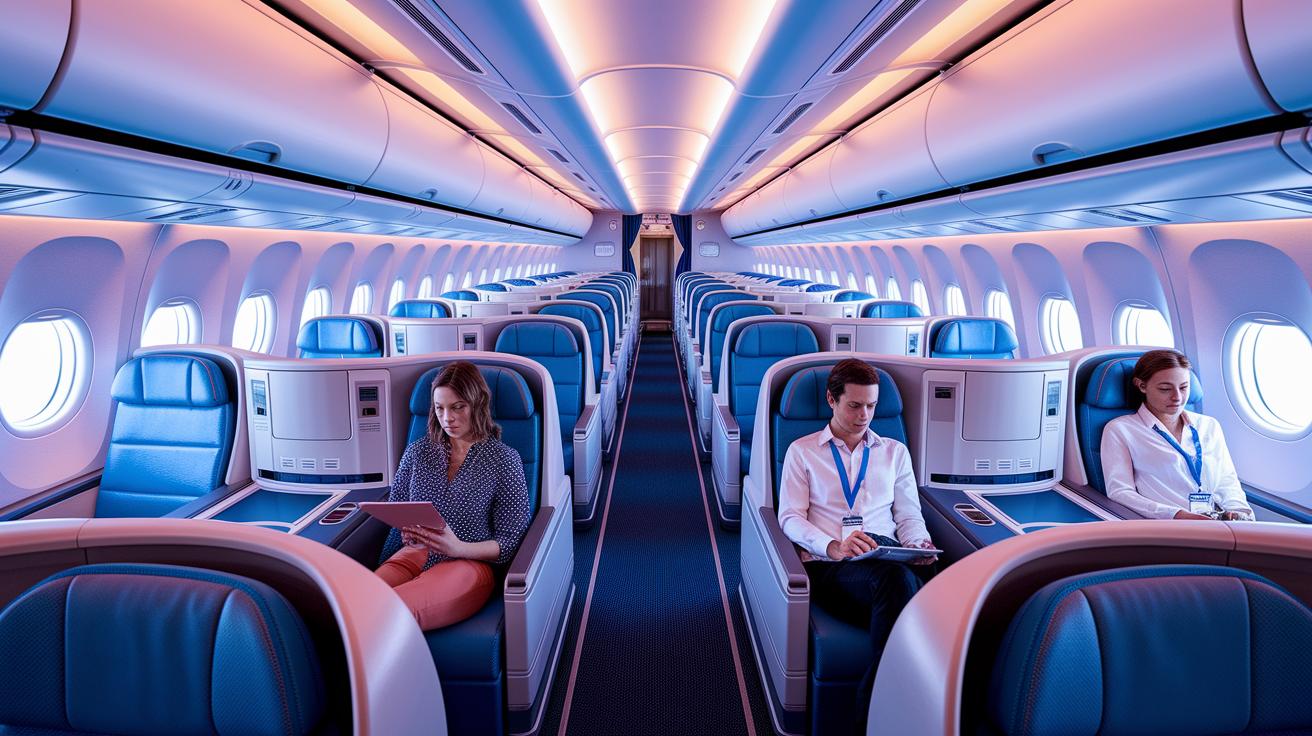
Premium Economy is a great choice if you want extra comfort without the high cost of Business Class. The seats are wider and give you more legroom than standard Economy. You also get priority boarding and extra perks that can make a big difference during your flight.
The cabin is set up to feel more open and relaxed, so you can settle in easily before takeoff. Whether you want to stretch your legs on a long flight or simply have more room to work or relax, the extra space and faster service add a welcome boost.
Take Singapore Airlines S class as a good example. This option lets you change your travel plans with fewer restrictions and even offers the chance to upgrade to Business Class. The flexibility means you can adjust your schedule when needed. Overall, the added comfort and roomier seating make Premium Economy a smart pick for savvy travelers.
Business Booking Class Options and Upgrade Paths

Business Class tickets come with many benefits that go beyond what you get in Economy. They offer extra comfort, better seats, and travel perks that can make a real difference on your journey. While these tickets come with a higher price tag, they also bring more flexible rules and added extras. Often, the fare type tells you if you'll enjoy perks like extra legroom, lounge access, or lower fees for changing your flight. In short, the booking code signals whether you get benefits like a higher baggage allowance and full access to frequent flyer rewards.
Emirates’ J class is a standout example of flexible Business travel. It not only delivers excellent in-flight service but also gives you a solid chance to upgrade to First Class. Fun fact: Emirates once used the J class ticket as a route to offer premium service upgrades, letting travelers boost their luxury experience. This booking detail can be a game changer. With J class, you can change your travel plans without paying huge fees, and the fare structure is designed to give you better odds for additional upgrades along the way.
If you book a Business ticket, you'll likely enjoy benefits like priority boarding, lounge access, and extra baggage allowance. Keep in mind that refund and change rules differ by carrier and ticket type, some tickets come with strict conditions while others offer more wiggle room. Checking the fare rules before you buy is a smart way to balance cost and flexibility. This clear setup helps you plan a flight that fits your travel needs while leaving room for those valuable upgrades.
First Class Booking Class Amenities and Limitations

Flying first class means you're in for a truly luxurious ride. These tickets come with detailed rules that create a unique travel experience. You get the best in comfort and flexibility, with easy changes, full fare benefits, and top rewards for your miles. Clear booking guidelines also help you move up to even more premium options if they are available. It’s all about making your journey as smooth as possible, with perks like private check-in and excellent onboard service.
Lufthansa’s F class tickets are a great example. They offer completely flexible fares and strong upgrade choices. These tickets earn you the most points and give you access to extra features that make long flights more comfortable. The fare details set out clear rules for cancellations and changes, helping you plan with confidence. Knowing exactly what your ticket includes lets you make smart travel decisions.
- private suite
- gourmet meals
- premium lounge access
- flat-bed seats
- highest mileage multipliers
Decoding Fare Basis Codes and Booking Strategies

Airline booking codes are more than just numbers and letters. The first character shows your booking class and hints at what your ticket offers. For example, if your ticket starts with Y, it usually means you have a full fare economy option. The remaining code reveals pricing rules and other details, making it easier for you to compare fares and choose what fits your trip.
After the booking class letter, other parts of the code tell you if you're eligible for an upgrade or if you can earn extra frequent flyer miles. Some codes show that you might upgrade to a higher cabin, while others explain how many miles you'll collect. This can help you get the most benefits if you often travel and chase rewards.
The code also gives clues about cancellation policies, change fees, and route limits. Certain numbers and letters might mean you need to book early or stay a minimum number of days. For example, a code like YA might indicate you have to plan ahead or that there are restrictions on changes. Knowing these rules early can help you avoid surprise charges later.
Before you lock in your booking, take a moment to check the fare code. Visit the airline's website or use a trusted tool to understand all the fare details. This strategy helps you uncover tickets with smooth upgrade paths, flexible change options, and great mileage rewards so that you can make a smart flight choice.
Final Words
In the action, this post broke down key points on airline booking class fundamentals, from fare codes and seat features to upgrade paths and fare basis codes. We explored differences across Economy, Premium Economy, Business, and First Class options, giving you a clear look at each level.
This airline booking class guide helps you understand ticket flexibility, baggage allowances, and mileage benefits. Keep these insights in mind to make smarter, stress‑free travel decisions. Enjoy a smoother travel experience and safe skies ahead!
FAQ
What is an international airline booking class guide?
The international airline booking class guide explains how airlines group tickets by fare rules, seating types, and benefits like mileage accrual. It helps travelers compare options and plan international trips effectively.
What are flight class codes and airline class codes?
The flight and airline class codes show different ticket types and service levels. They indicate fare rules, baggage allowances, upgrade potential, and mileage earning, which guide you in choosing the best option.
What is Class Y on a flight and what does Y economy mean?
Class Y and Y economy both refer to a full-fare economy ticket. They offer better flexibility, superior mileage accrual, and more upgrade options compared to discount or basic economy fares.
What do the letters J, N, I, C, R, Y, B, and H represent in fare classes?
These letters indicate various fare types. For example, J typically signifies business class, while Y represents full-fare economy. Each code comes with its own set of rules on flexibility and benefits.
Where can I find an airline ticket codes list or a booking class guide on Reddit?
An airline ticket codes list or Reddit booking class guide offers insights from experienced travelers. They share detailed explanations of fare codes and booking rules to help you make informed travel choices.