

Ever wonder how airlines boost their profits with extra fees? In 2024, charges for bags, choosing seats, and changes helped carriers earn billions beyond ticket sales. These add-ons act like secret boosters that keep costs low and profits high. With these extra services now making up a bigger chunk of income, this look explains why and how these fees work for airlines. Keep reading to see how these charges help carriers stay competitive and keep ticket profits flying high.
Evaluating Financial Impacts in Airline Ancillary Revenue Analysis
Airlines around the world brought in around $150 billion in non-ticket revenue in 2024. That's $32 billion more than the previous year. This jump shows how optional services are no longer just extras but have become major income sources.
These add-on services now account for 15 percent of total airline revenue compared to just 5 percent in 2010. Airlines that see passengers spending at least $20 on these extras earn an average return on invested capital (ROIC) of about 8.2 percent. This rate is more than five percentage points higher than airlines with lower add-on spending. This clear difference points to how focused ancillary offers can boost profits and help airlines stay competitive.
Low-cost carriers, in particular, use these extra sales to keep base fares low while still earning more per passenger. They offer choices like seat selection and onboard retail to make every part of the travel experience count. In comparison, full-service airlines must balance keeping competitive ticket prices with adding fees in a way that doesn't upset their customers. In short, varied approaches to ancillary revenue are a strategic tool in today’s highly competitive market.
Dissecting Primary Ancillary Revenue Sources and Fee Structures

Airlines rely on extra fees to boost their profits. They no longer depend only on ticket sales but add charges that bring more money, even though these fees can also cause extra costs. Here’s a simple look at the main fee types that drive additional revenue:
- Baggage fees: These lead the pack, even as they add more check-in work and extra fuel use from the added weight.
- Seat selection fees: Picking a seat or an upgrade earns good revenue, often bundled with perks like priority boarding.
- Change and cancellation fees: U.S. carriers earned about $2.8 billion from these charges in 2019, with domestic fees averaging around $200 per flight.
- Flight service add-ons: Services like in-flight Wi‑Fi, meals, and retail items have moved from being free to becoming important profit centers.
Airlines set these fees based on their business style. Budget carriers split services up to offer lower base fares while earning extra from add-ons. Full-service airlines, on the other hand, aim to create fee structures that grow revenue without upsetting customers. Balancing the cost of operations with new revenue streams is key in today’s competitive market.
Trends in Digital Revenue Channels and Dynamic Pricing Models
Airlines are moving their focus to web and mobile platforms to connect with travelers through personalized add-on offers at every booking step. Now, when you book a flight, you can choose from seat upgrades, extra baggage, travel insurance, and more right on the airline’s website or app. Airlines use real-time data and smart tools (data tools that turn raw numbers into useful insights) to match the offers with your route, current demand, and travel profile.
Digital Revenue Channels
Airlines now rely on mobile apps and websites to show extra options. When you book a flight, you might see choices like priority boarding or bundled perks at check-in. These options add convenience and help boost the money each passenger brings in. Airlines are also rolling out subscription services, like Ryanair Prime for $105 a year, which already has 30,000 subscribers and hopes to grow to 100,000. They team up with partners such as hotels and car rental companies. For example, rental deals start at a commission rate of 5 percent, while insurance add-ons average about 24 percent.
Dynamic Pricing Models
Smart algorithms are changing the way extra services are priced. By using advanced pricing models (methods that adjust fees in real time), airlines like airBaltic have seen up to a 6 percent boost in extra revenue per passenger, with one carrier in Europe, the Middle East, and Africa seeing up to 20 percent growth. Prices change based on market demand and booking history, ensuring offers stay competitive and profitable. For more details on these pricing strategies, check out the airline pricing insights at https://keysunair.com?p=1533. These digital innovations continue to improve the way airlines make extra revenue and set new standards in the industry.
Benchmarking Ancillary Revenue Performance with Metrics
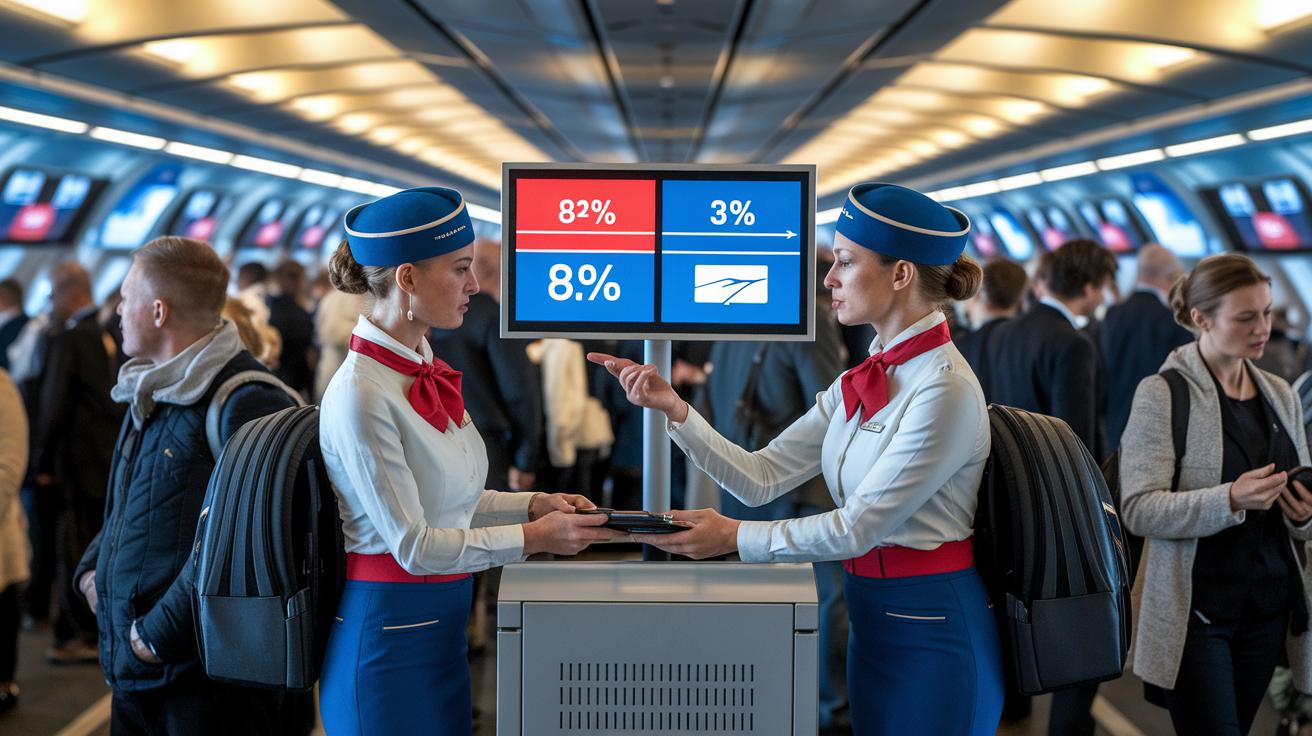
Airlines that encourage extra spending by passengers, spending at least $20 each beyond the ticket price, show much stronger financial results. These high‐spend carriers post an 8.2% return on invested capital, while peers with lower extra spending see returns below 3%. Today, extra revenue streams contribute 15% of an airline’s overall income. Still, the best airlines earn more than half of their total revenue from services beyond just tickets.
The table below lays out key numbers like return on invested capital, the portion of revenue from extra services, and year-to-year revenue growth for both high‑spend and low‑spend airlines:
| Metric | High-Spend Airlines | Low-Spend Airlines |
|---|---|---|
| ROIC | 8.2% | Below 3% |
| Ancillary Share of Total Revenue | Over 50% | Less than 10% |
| Revenue Growth Rate | 12% YoY | 4% YoY |
This data shows that airlines making the most of extra services score higher returns and earn a bigger slice of their income from non-ticket sources. In short, a strong focus on additional revenue streams can boost an airline's overall performance and give it a clear edge over competitors.
Fee Diversersification Models: Bundles, Subscriptions, and Innovative Structures
Finnair is leading the way by combining seat selection with in-flight Wi‑Fi. Now, airlines can enhance these bundles to include meals, lounge access, and priority boarding using tools like Amadeus Nevio. This approach gives travelers a full package that makes their journey more rewarding.
Ryanair Prime uses a smart subscription model. With a yearly fee, members get free seat selection on 12 flights plus travel insurance. This model not only offers clear benefits to travelers but also provides airlines with a steady flow of income.
Airlines such as Flydubai and Air Canada are mixing free perks with paid extras. They offer complimentary meals and in‑flight entertainment for economy passengers while still charging for items like checked baggage. Their goal is to avoid making passengers feel nickeled-and-dimed while keeping essential revenue intact.
The key is to balance what travelers value with growing revenue streams. When bundled correctly, these packages improve the overall travel experience without hurting customer trust. With a smart mix of bundles, subscriptions, and selective complimentary services, airlines can keep investing in quality service and maintain steady financial performance.
Case Studies and Comparative Revenue Studies in Ancillary Success

British Airways Holidays puts together travel packages that include flights, baggage, transfers, and car rentals. By doing this, they capture all the profit from the package. Travelers enjoy a smooth, all-in-one trip while the airline benefits from the full revenue.
Plusgrade is a Montreal-based company founded in 2009 with 608 employees. They use a high-tech auction system that lets passengers bid for seat upgrades and extra services. This system makes booking more fun and generates extra income from competitive bids for added comfort.
Studies show that both methods offer clear benefits. The bundled packages from British Airways Holidays work well for travelers who like everything in one go, while Plusgrade’s auction system gives passengers a flexible choice and a chance to win better travel experiences. Even low-cost carriers like Spirit and Southwest succeed by offering simple, a la carte extras. Together, these examples prove that mixing bundled packages with digital auction techniques can boost profits and improve the travel experience.
Regulatory and Operational Challenges in Ancillary Revenue Analysis
Airlines now have to follow strict fee rules set by both EU and U.S. regulators. They must clearly list every extra fee so that no hidden charges creep in. This open approach helps travelers see exactly what they pay for and builds trust right from the booking stage.
Airlines are also dealing with higher costs for these extra services. For example, handling baggage now needs more check-in staff and extra fuel because of the added weight. To deal with these rising costs, airlines are investing in new technology and training their teams better. They must find the right balance between covering costs and keeping fees fair.
There’s also a concern that relying too much on extra fees could overload the market and upset customers. Some full-service airlines have faced criticism when added fees made passengers feel overcharged. That risk means airlines need to carefully decide how many extra charges to use, ensuring they protect customer goodwill while still boosting revenue. Regular checks on fee structures are key to keeping both profits and passenger satisfaction on track.
Strategic Recommendations for Maximizing Airline Ancillary Revenue

Airlines can grow extra income by using data to create personalized add-on offers. They study past travel behavior and booking patterns to suggest choices like extra legroom or meal bundles right before the booking is complete. This smart method turns simple data into real revenue.
Another effective tactic is to share fee offers on every channel. Whether a traveler is browsing on a website, using a mobile app, or checking in at a kiosk, the add-on options come through clearly. This steady presentation boosts the chance that passengers will choose extra services, no matter how they book their ticket.
Staying on top of industry trends also helps airlines remain competitive. By regularly comparing their fee offers and uptake to those of other airlines, they can adjust prices in real time. Forecasting tools let airlines see upcoming market shifts early. For more details about these trends, check out the global trends in airline economics.
Clear cost communication is key. When fees are shown upfront before the final booking, travelers know exactly what they’re paying for. Honest and simple disclosures build trust, reduce frustration, and lead to fewer complaints. This open approach not only makes customers happier but also helps boost profit margins.
Final Words
In the action, our deep dive showed how airlines increase revenue through smart fee setups, technology-driven pricing, and data-backed strategies. We broke down key metrics, from global revenue boosts to ROIC differences between low- and high-spend carriers. We also highlighted case studies and regulatory challenges impacting fee models. This airline ancillary revenue analysis offers practical insights for making better travel decisions and streamlining operations. The future holds promise, with clear opportunities for improving passenger experiences and airline profits.
FAQ
Q: What is airline ancillary revenue analysis pdf?
A: The airline ancillary revenue analysis pdf compiles key data like fee structures, growth trends, and benchmark metrics to help carriers understand non-ticket revenue streams.
Q: What does international airline ancillary revenue analysis cover?
A: The international airline ancillary revenue analysis covers global trends in fee-based services, showing how carriers boost income through add-ons such as baggage, seat selection, and in-flight services.
Q: What insights do airline ancillary revenue analyses from 2020 to 2022 provide?
A: The airline ancillary revenue analyses from 2020 to 2022 reveal evolving fee structures, increasing non-ticket income, and higher passenger spend, reflecting changes in market strategies and economic impacts.
Q: What is the CarTrawler yearbook of ancillary revenue?
A: The CarTrawler yearbook of ancillary revenue offers detailed performance metrics and trend analyses, helping industry players gauge fee impacts and benchmark revenue growth in ancillary services.
Q: What does Ideaworks ancillary revenue analysis discuss?
A: The Ideaworks ancillary revenue analysis reviews effective fee strategies and statistical performance, providing actionable insights to optimize airline non-ticket revenue streams.
Q: What is expected in the 2025 Yearbook of ancillary revenue?
A: The 2025 Yearbook of ancillary revenue projects future non-ticket revenue trends, updated benchmarks, and fee innovations, assisting airlines in planning for enhanced ancillary income streams.