

Think aviation news is dull? Think again! Airlines are adding fresh routes and making bold moves. Weather disruptions and new safety steps are shaking up air travel worldwide.
In this update, we explain how these changes might affect your plans. We'll cover everything from last-minute cancellations to exciting route launches and updated safety rules for the latest aircraft. Stay tuned to see how these updates may impact your next trip.
Today’s Top Aviation Headlines and Global News
Today, global aviation experienced significant changes that affect airlines and travelers alike. Here’s a quick look at eight key headlines:
- 2026 – Emirates is set to open new routes for its A380 SuperJumbo. The carrier will use both Airbus and Boeing planes to grow its network in the coming years.
- Recently – Amsterdam’s Schiphol Airport cancelled over 3,200 flights due to harsh winter weather. This marks one of its toughest operating days.
- Today – Finnair launched its first regular flight to Australia, establishing a vital link to the Oceania market.
- December 4, 2025 – China Eastern kicked off the longest route connecting three continents. The first flight left at 2:19 a.m. local time.
- November 28, 2025 – Luxair took delivery of its first Embraer E195-E2 (LX-LEA), updating its fleet capabilities.
- Latest – Airlink expanded its services from Cape Town and Johannesburg, bolstering its presence in southern Africa.
- Recently – IndiGo cancelled more than 900 flights in just four days, leading to widespread traveler disruption.
- New – Etihad Airways began operating A380-800 flights between Abu Dhabi and Tokyo Narita, adding a premium route to its network.
Regulatory Alerts and Safety Updates in Aviation Today

FAA officials have introduced new pilot training rules for electric vertical takeoff and landing (eVTOL) aircraft. The new standards require dual controls during training, an extra step meant to boost safety. However, this change adds complexity for operators. Meanwhile, the agency has postponed sharing detailed safety guidelines for eVTOLs, leaving many awaiting clear certification instructions.
A leading House Democrat has also thrown support behind the Department of Transportation's push to lower flight cancellations. This comes after a review of worrisome safety numbers. At the same time, U.S. airlines have taken legal action over a passenger limit at Dublin Airport, which they label as "discriminatory." These court cases are challenging older rules and sparking broader industry debates.
Separately, legislators from both parties have revived a tax credit for sustainable aviation fuel. The goal here is to help airlines make the switch to cleaner fuels and improve the overall environmental footprint of U.S. air travel. This funding change shows the government balancing economic and environmental concerns.
Lastly, the FAA has announced mandatory inspections for the horizontal stabilizer (a part that helps keep the aircraft level) on certain Boeing 737 models. This plan could affect thousands of aircraft and comes as part of ongoing technical reviews. The move is one of several steps aimed at updating safety protocols while addressing new operational challenges.
Flight Disruptions and Operational Challenges in Today's Aviation News
Today, rough weather and other challenges have thrown flight schedules into disarray. Heavy winter snowfall blanketed Amsterdam Schiphol recently, forcing over 3,200 flights to cancel in just a few days. Meanwhile, IndiGo has canceled more than 900 flights in the past four days because of not enough crew and equipment, leaving many travelers stranded.
In the U.S., Lufthansa has reduced its Airbus A340 flights by 42% for the winter season as demand has fallen and conditions have worsened. On an Air Canada flight, a baggage handler accidentally stayed in the cargo hold when the plane taxied, sparking immediate safety concerns. And on another flight, a lithium power bank caught fire on an Asiana aircraft but was quickly controlled by the crew, preventing further troubles.
Furthermore, a pressurization issue on an EasyJet A320 was linked to improper de-icing methods. This incident highlights the need for strict safety practices, especially during harsh winter conditions. Each of these events shows the ongoing challenges airlines face from bad weather, staffing issues, and technical hitches.
| Incident | Location | Impact | Date |
|---|---|---|---|
| Severe winter snowfall | Amsterdam Schiphol | 3,200+ flight cancellations | Recent |
| Flight cancellations | IndiGo network | 900+ flights cancelled | Past four days |
| Service reduction | U.S. routes | 42% cut in A340 services | Winter season |
| Cabin incident | Air Canada flight | Baggage handler trapped | Recent |
| In-flight fire | Onboard Asiana | Fire contained in 3 minutes | Recent |
| Pressurization event | EasyJet A320 | Linked to de-icing lapse | Recent |
Airline Business Moves and Fleet Developments in Aviation Today

Big airlines are making important moves that could reshape how they compete and strengthen their fleets. This week, many carriers announced plans to secure their future through key financial and operational decisions. They are using mergers, smart investments, and updated service plans to keep up with what passengers expect. One airline even added a local twist by serving Texas barbecue on select long-haul flights. Moves like these not only boost a brand’s appeal but also build stronger customer loyalty in tough economic times.
At the same time, more consolidation and new investments in infrastructure are driving growth. Airlines and airports are joining forces and expanding facilities to improve route choices and handle more passengers. They are updating their strategies to meet new technology trends and market demands. Political backing and lender confidence have also helped these projects move forward. All of these changes aim to build a more efficient and competitive travel network that benefits everyone.
- Spirit Airlines secured a $50 million lifeline from creditors during a tough financial period.
- Allegiant Air and Sun Country decided to merge their U.S. operations to streamline services.
- Ethiopian Airlines is investing $12.5 billion in Africa’s first mega-hub, which is expected to open in 2030 and serve over 100 million passengers each year.
- BWI Marshall Airport started a $520 million expansion project that will enable Southwest to increase its services.
- American Airlines celebrated its 100th anniversary by adding Texas barbecue to its first-class service on key routes.
- Delta reversed its planned service cuts at an Upstate New York airport after political lobbying helped keep the flights running.
Cutting-Edge Aviation Technologies Highlighted in Today’s News
Garmin’s Emergency Autoland system debuted on December 20, 2025, marking a big boost in flight safety. This technology lets an airplane land by itself if the pilot is suddenly unable to control it. Picture a moment when a pilot loses control, Emergency Autoland takes over to guide the plane safely to the ground. Airline operators now have extra protection in emergencies, a step that many hope will save lives and reduce accidents. Regulators are carefully watching its impact on everyday flights.
Whisper Aero recently introduced the Whisper Jet eVTOL, an electric vertical takeoff and landing aircraft designed for short journeys. Meanwhile, Boeing is planning a new passenger plane that includes Wisk’s Gen 6 autonomous eVTOL design. These changes signal a move toward more unmanned and automated systems in the skies. Some experts are excited about how AI and advanced automation can help in emergencies, while others advise waiting until the technology is fully proven. The debate continues as testing and certification go on.
Pratt & Whitney is working with Airbus to bring the A320 Rate 75 engine into production. This next-generation engine is designed to boost performance and lower environmental impact. In simple terms, a more efficient engine can lead to smoother flights and help airlines cut costs. At the same time, airlines quickly patched A320 software after a risk was found from solar flare radiation. This fast response shows how important constant updates are in keeping flight operations safe and current.
Military and Defense Aviation Briefings in Today’s Reports
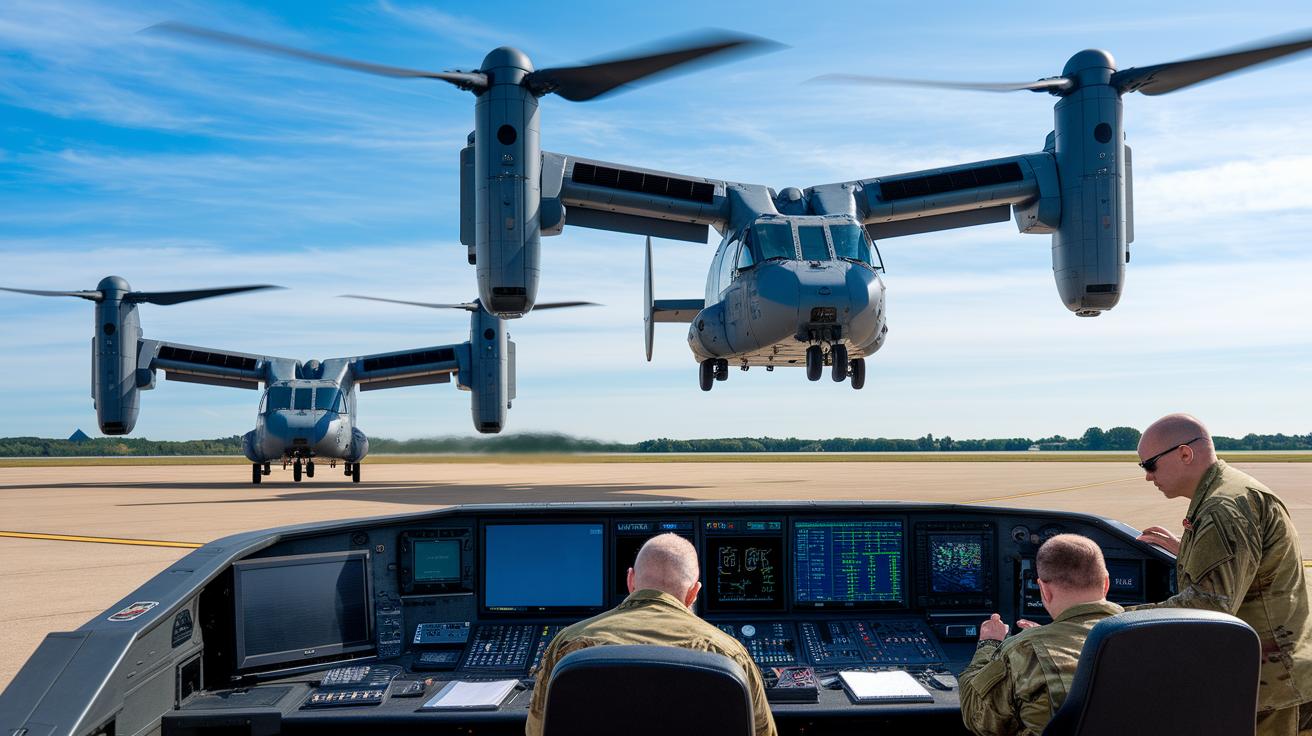
A recent review by Naval Air Systems Command (NAVAIR) confirmed that serious safety issues still plague the V-22 Osprey tiltrotors (aircraft that can take off like a helicopter and fly like a plane). One expert warned, "When key systems show risks that haven't been fixed, pilots must be extra careful." Leaders are now urged to take a closer look at how these aircraft are maintained and how crews are trained.
FAA officials have also issued a warning about dangerous effects from faulty space launches. These mishaps can disturb onboard systems, which may lead to higher risks for military aircraft. The message is clear: even the latest technology needs thorough safety checks before it becomes part of defense operations.
Boeing’s recent purchase of Wisk’s eVTOL technology (electric vertical takeoff and landing devices) could shift defense strategies. This move points to a future where unmanned systems and self-flying capabilities are more common in military use. While some experts see strong potential, others remain cautious because of possible certification hurdles.
Meanwhile, experts continue to face challenges in certifying AI-driven combat platforms. They are working to balance rapid technological innovation with the strict demands of national security and dependable operation.
Final Words
In the action, we covered a range of headline updates. We highlighted airline trends, operational hiccups, business maneuvers, technological strides, and defense highlights. Each section broke down complex news into bite‑size details that matter to you. The roundup offers quick facts you can use to plan smoother trips and smarter travel decisions. Stay informed with aviation news today and keep your travel plans flexible. Enjoy your next trip with newfound clarity and confidence.
FAQ
What is the latest aviation news?
The latest aviation news covers global headlines, including fleet developments, route launches, regulatory alerts, and operational disruptions. It keeps you up to date on military, civil, and US aviation matters.
Why is the FAA canceling flights?
The FAA is involved in flight cancellations due to safety concerns, weather conditions, and equipment issues that can disrupt operations. These actions aim to protect passengers and crew.
What’s causing all the flight delays?
Flight delays are driven by severe weather conditions, crew shortages, equipment issues, and regulatory changes that affect the regular flow of departures and arrivals.
Is live aviation news available today?
Live aviation news streams offer real-time updates on global and US flights, reporting on cancellations, delays, and major headlines to keep travelers informed as events unfold.
What topics do aviation news sources cover?
Aviation news covers a wide range of topics such as worldwide headlines, military updates, civil operations, fleet investments, route changes, and regulatory and safety updates affecting travel.