

Air Travel’s New Look in a Crisis
When COVID-19 hit, airlines had to change fast. Overnight, familiar services like snack delivery and relaxed cabin care were replaced with strict cleaning, health checks, and extra room between seats. In just a few weeks, carriers cut some flights and reworked onboard routines to keep everyone safe.
These quick adjustments turned a challenge into an opportunity. Today, many of these changes still help shape the way we fly.
Immediate Disruption to Airline Inflight Service from COVID-19
When COVID-19 hit, airlines had to change nearly everything in a flash. In March and April 2020, many carriers slashed their schedules by 80 to 95 percent, pausing service to many markets and even stopping all passenger flights for a while. Routes were dropped, and planes were quickly reconfigured to seat fewer people. One surprising fact: in just a few weeks, American Airlines retired 99 aircraft early while KLM took its entire Boeing 747 fleet out of service, making it really hard for passengers to book a seat.
Airlines soon switched to a new way of doing things that focused on keeping crew safe and adjusting to less revenue. Because global travel plummeted, they redesigned plane interiors for lower capacity and more space between passengers. Traditional inflight service just didn’t work in the new reality, so carriers updated their protocols and rushed to put new cancellation policies in place.
The inflight service landscape changed overnight. For more details on what is normally included in inflight service, check the inflight service information.
Airline Inflight Service Health Protocol Overhaul for Crews and Cabins

Airlines have quickly changed how they manage cabins to protect everyone on board. They now clean the cabins every day, and some even sanitize the space after each flight. Health checks before boarding screen both passengers and crew to catch any symptoms early.
Flight attendants and other team members follow strict guidelines. They wear masks and gloves during every flight. One carrier even held a quick hands-on session so crews could practice putting on and taking off their gear correctly.
Airlines have also rearranged seating by blocking the middle seat. This helps keep passengers farther apart. They now use detailed cleaning checklists, and crew training on virus control means every area, from seat belts to tray tables and lavatory fixtures, is given special attention.
New pre-flight briefings share the latest COVID-19 rules. With clear instructions on how to sterilize the cabin, these guidelines protect both crew and passengers.
Airline teams are fine-tuning their methods based on new health mandates and feedback, all to keep every flight as safe as possible.
Advanced Disinfection Technologies in Airline Inflight Service
Airlines have quickly adopted new cleaning methods to keep cabins safe and virus-free. Many carriers now clean the inside of their planes every day, and some even disinfect after each flight. They use electrostatic sprayers that spread a fine mist over surfaces, ensuring every nook is covered. One airline said their sprayers reach every spot, leaving no area unchecked.
Several airlines now add UV-C sterilization robots to the mix. These robots travel down the aisle and use ultraviolet light to kill germs on tray tables, armrests, and seat pockets. The system is automated to reduce human error, and some carriers run the robots between flights to have the cabin ready for the next group of passengers.
Airlines have also teamed up with third-party experts to earn sanitization compliance certificates. These certificates prove that the airline meets strict cleaning standards. At the same time, many have upgraded their ventilation systems with HEPA filters, which clean the air by trapping tiny particles and improving passenger safety.
Together, these disinfection practices and improved ventilation are part of a broader effort to meet COVID-19 safety guidelines and keep air travel safe.
Digital and Contactless Innovations in Airline Inflight Dining Service
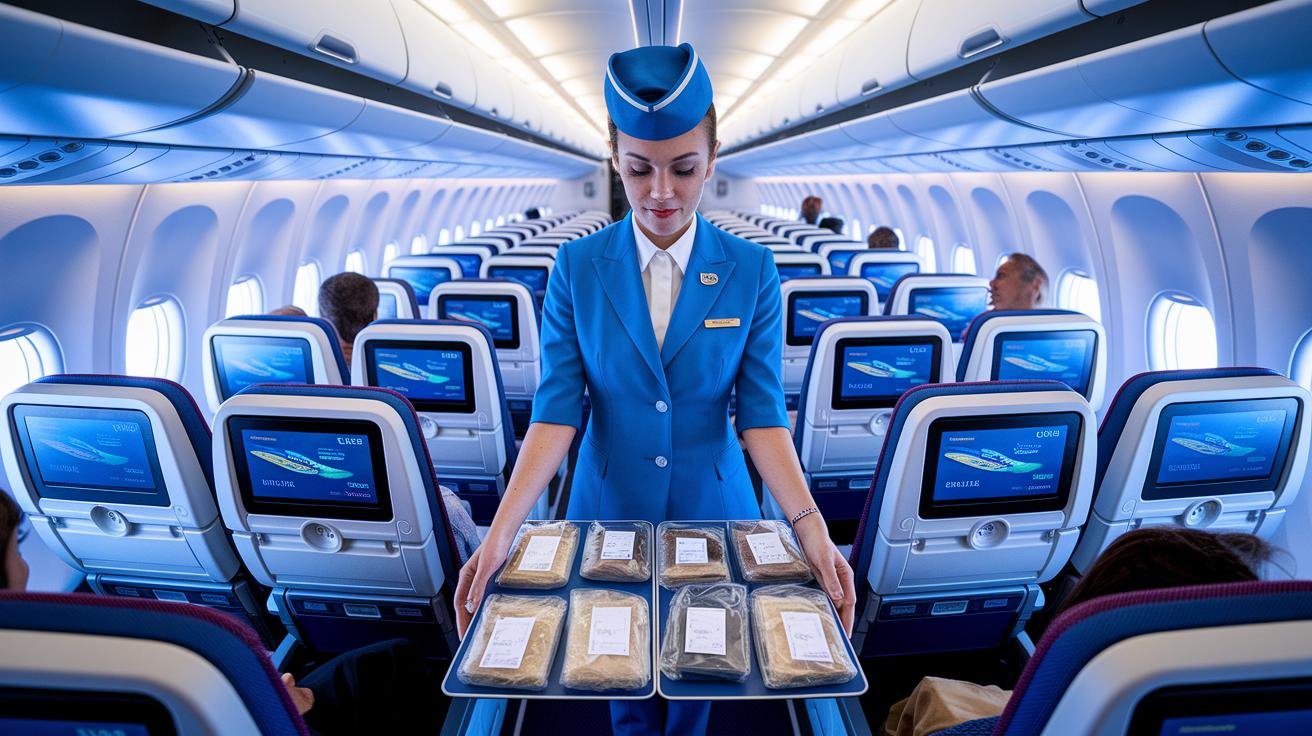
Airlines are revamping how they serve food during flights to cut down on health risks. Private jets now use pre-sealed, single-use packages, and major carriers serve meals in boxes or bags. This change means passengers no longer share utensils or service items, which helps lower the chance of spreading viruses.
Carriers are testing digital ordering solutions that let you use your smartphone to check out a digital menu. With a simple QR code scan, you can order your meal without ever touching a physical menu. These systems work well with contactless payment methods too, so there's no need to handle cash or shared devices.
In addition, airlines are introducing self-service technology that fits right into the onboard dining system. You can order food, see the status of your order, and even give instant feedback, all from your phone. One airline even rolled out a user-friendly digital interface designed for a quick and smooth ordering experience. Each new step follows COVID-19 safety rules, keeping both your health and inflight service in mind.
Crew Training, Safety Mandates, and Passenger Support in Inflight Service
Airlines quickly changed their crew training and safety steps. They introduced new courses that teach proper use of personal protective equipment (PPE, like masks and gloves) and updated cleaning routines. Flight attendants now wear masks and gloves on every flight and follow simple checklists for every service area. One training tip even says, "Practice putting on and taking off your gear as quickly as a sports team gets ready before the big game."
Private-jet crews also changed their work rules to meet tougher health standards. Some airlines even shifted their focus to cargo, charter, and repatriation flights. For example, IndiGo ran 216 cargo flights, with 160 of them using passenger seats to carry cargo. This change meant crews had to learn new skills on a tight schedule.
Airlines also improved the way they support passengers to handle worldwide travel changes. They now do more thorough health checks before flights and use real-time checks during operations. New ventilation and cleaning systems work together to cut down on airborne risks.
Every team closely watches these methods. Short, clear briefings ensure that every crew member knows what to do. This step-by-step approach is key during these times of strict travel rules.
Economic Impacts and Recovery Trends in Airline Inflight Service

Airline leaders say domestic travel will bounce back first, while international trips might stay low for a while. Many carriers warn that it could take two to four years for demand to reach pre-COVID levels, as they work to earn back passenger trust and lift service standards.
Back in Q3 2020, airlines started slowly increasing their flight capacity. They cut old planes and redesigned the cabin layout to boost cleanliness. For instance, many added onboard disinfection systems and improved air circulation to lower the risk of airborne infections. One airline even changed its seating setup and installed HEPA filters to boost comfort and meet safety rules.
New recovery plans now focus on a fresh, post-pandemic travel experience. Carriers are paying close attention to cabin comfort, aiming to make every flight feel safer and easier for travelers. Health checks before boarding are standard, and strict safety rules for flight attendants help keep everyone safe. Meanwhile, airports and airlines are also caring for their pilots and crews by balancing work needs with overall well-being.
Airline teams now run regular risk checks on their operations to decide where best to invest in cleaner interiors and updated meal services. They are tracking which domestic routes are bouncing back fastest. These new steps are not just about countering travel limits, they set a whole new bar for service quality. In many ways, this shift marks a turning point, promising a safer and smoother inflight experience for everyone.
Final Words
In the action, airlines quickly adapted their inflight service during COVID-19. The post covered rapid capacity cuts, early aircraft retirements, and changes in crew and cabin safety protocols. New cleaning technologies and contactless dining innovations helped airlines maintain safe operations. Training upgrades and revised health assessments contributed to smoother travel experiences. The impact of COVID on airline inflight service has reshaped industry norms, paving the way for safer, more efficient travel ahead. There's a promising future as the industry continues to adjust and improve.
FAQ
Frequently Asked Questions
What positive and negative impacts of COVID-19 did airline inflight service experience?
The impact of COVID-19 on airline inflight service meant airlines drastically reduced capacity, reconfigured cabins, and overhauled hygiene protocols, while also introducing digital dining and advanced cleaning technologies.
How did COVID-19 affect the overall airline industry?
COVID-19 affected the airline industry by forcing carriers to cut capacity, retire older fleets, suspend routes, and shift operations toward cargo and charter flights to protect revenue and manage demand.
How likely is it to get COVID on an airplane?
The risk of getting COVID on an airplane remains low due to high-efficiency particulate air (HEPA) filters, mask mandates, and frequent sanitization routines implemented throughout flights.
How has COVID-19 impacted travel?
COVID-19 impacted travel by reducing flight schedules, enforcing stricter health checks, promoting contactless services, and prompting airlines to adjust dining and boarding procedures to protect passengers.
Were airlines shut down during COVID-19?
Airlines did not completely shut down but significantly reduced or suspended passenger services during the early stages of COVID-19, with many shifting focus to cargo and charter operations.