

Have you ever wondered why your flight price can change so quickly? In the old days, airlines used one set price, a bit like a fixed menu at a small diner. Back then, only a few people could afford that simple fare. Today, ticket prices jump and shift in real time. New rules and smart pricing methods have completely changed how we pay for travel. In this post, we look at the main steps that brought us flexible pricing and explain what that means for your next flight.
Evolution of airline fare structures: Bright Future

Airline prices have changed a lot over time. Back in 1929, fares were simple fixed fees listed in the Official Aviation Guide. Only those who could pay these set prices could fly, and there were no options for extra service. This early method was the first step toward the ticket cost trends you see today.
Until the 1970s, the Civil Aeronautics Board controlled all routes, schedules, and fares. Every price change needed official approval. This meant airlines couldn’t adjust fares quickly when the market changed, unlike the flexible pricing you see now.
Everything shifted between 1978 and 1983 when deregulation ended government-controlled pricing. Airlines were then free to set their own rates. They quickly moved to using yield management (a system that uses past booking data to adjust prices) and tried different fare levels. This change marked a move from rigid, old-fashioned pricing to a more responsive approach.
By the 1990s and 2000s, airlines introduced real-time fare adjustments. They could now respond fast to competitors and shifting demand. Even though many still use traditional systems, the overall trend points to a bright future with dynamic pricing models.
| Year | Event |
|---|---|
| 1929 | Fixed fees published; limited options |
| Pre-1970s | Civil Aeronautics Board controls fares |
| 1978–1983 | Deregulation opens up flexible pricing |
| 1990s/2000s | Real-time adjustments and yield management start |
Deregulation and the Shift in Airline Fare Structures
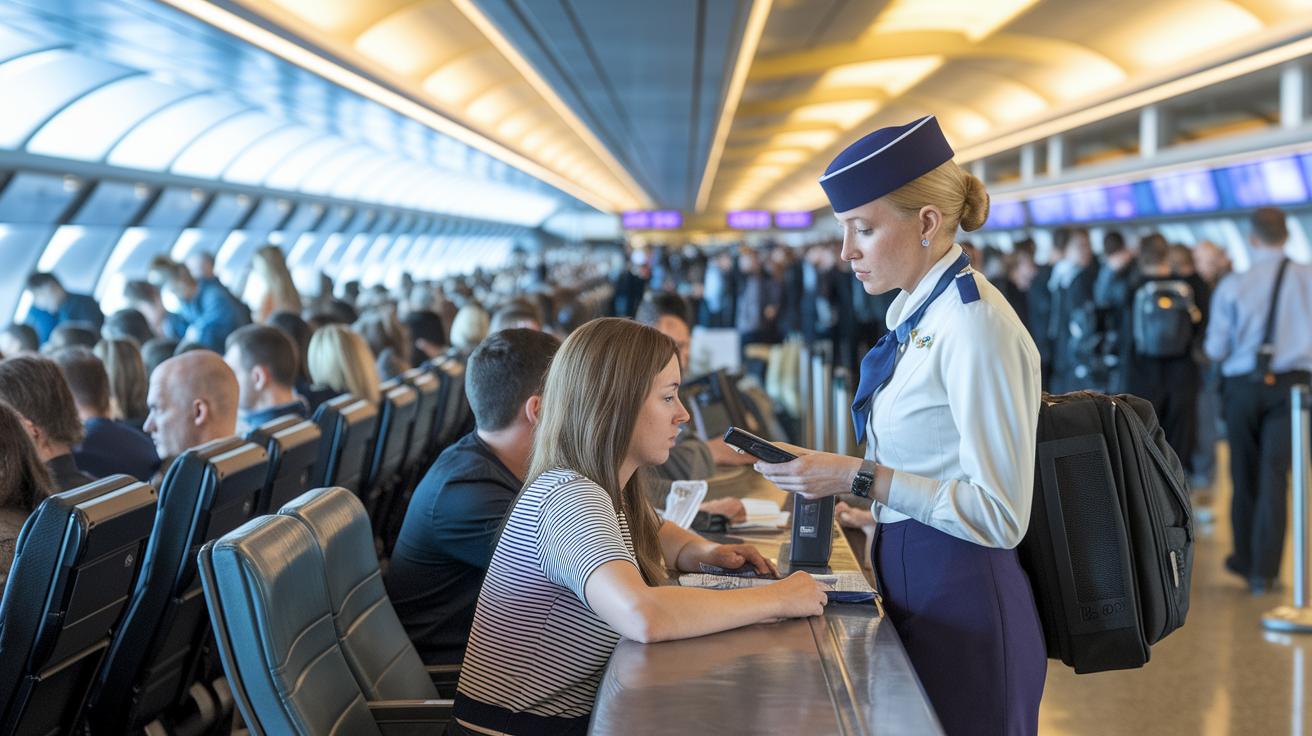
Some carriers saw a quick jump in customer bookings once live fare changes became possible. In 1978, the Airline Deregulation Act ended the era of fixed, government-set prices. Airlines began tweaking fares on the fly using special promotions and higher prices during busy times.
This shift wasn’t just an American trend. Airlines around the world soon let market forces choose fares, quickly adapting to what travelers wanted and matching competitors’ moves.
Yield Management’s Role in Fare Structure Evolution

Back in the early 1980s, airlines ditched fixed pricing with a handful of fare buckets and moved to yield management. This new system used past booking data to predict how many seats would be sold and at what price. Instead of offering only a few rates, airlines could now change prices on the fly based on real demand.
They even started overbooking flights and tweaking seat assignments automatically to boost load factors. Yield managers fine-tuned discounts and early purchase rules so that each passenger got an offer that fit the moment. For example, one smart adjustment involved changing prices based on when a booking was made. One early system even slashed unsold seats by nearly 20% overnight with its accurate demand forecast.
This shift turned a rigid, old pricing method into a flexible, data-driven approach, which is the foundation of today’s ever-adapting pricing strategies.
Technological Advances Shaping Airline Price Structures

Airlines used to update fares slowly with old Global Distribution Systems and ATPCo rule engines. Back then, prices changed only a few times a day, so there was little room to react fast when the market shifted. Imagine booking your flight on your phone and seeing the price change instantly as demand rises or falls, something that once seemed impossible.
IATA’s New Distribution Capability (NDC) changed the game. With NDC, airlines can now send you tailored fare offers right away. This new method skips the old, clunky systems so you could get a price that fits your travel style as soon as you search for flights.
Today, mobile booking and faster APIs let airlines update rules quickly. This means they can include extras like baggage or priority boarding in one neat package with your ticket. For example, when you check in, you might see a fare adjusted for how full the flight is or even find discounts on upgrades.
These tech improvements are setting a promising future for airline pricing. As digital systems get even better, airlines will offer prices that match both market trends and what you personally want, making travel smoother and more tailored for everyone.
Modern Dynamic Pricing in Airline Fare Structures
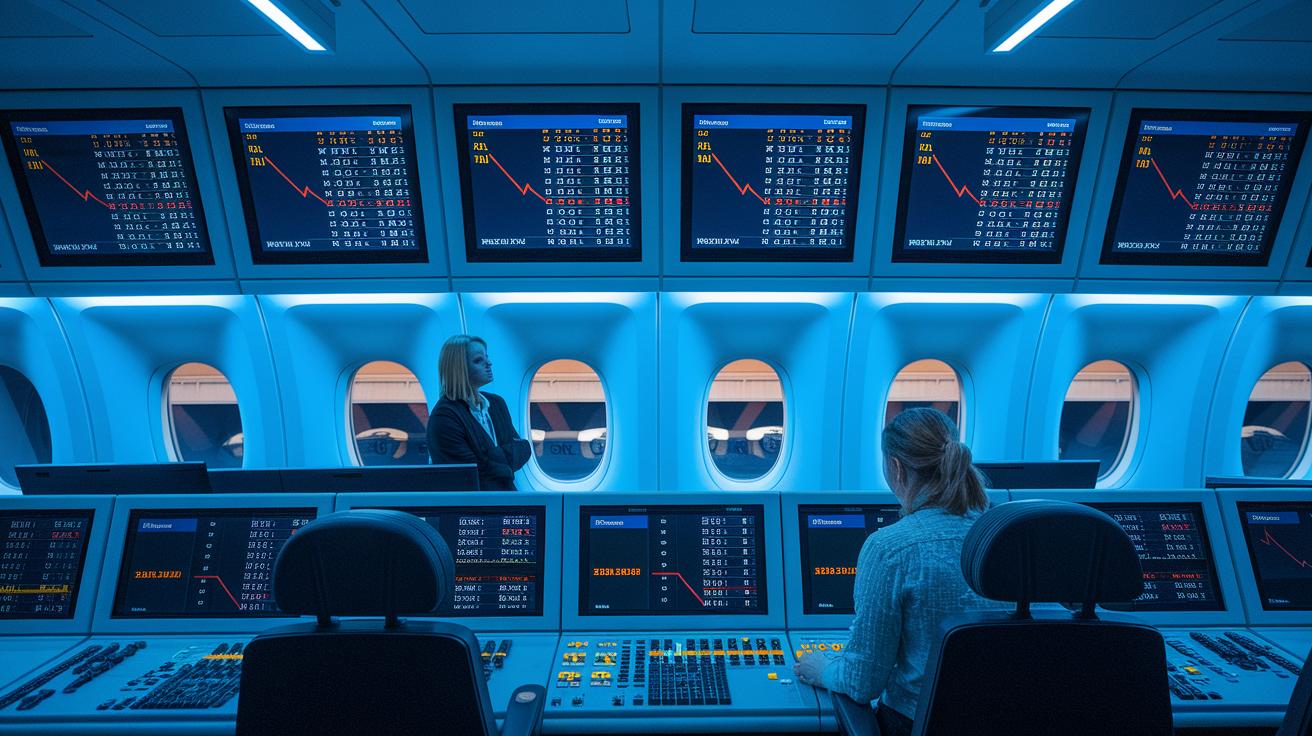
Airlines now use big-data tools to adjust fares every minute. They watch market signals like competitor prices, how fast seats are booked, and seasonal trends to update fares in real time. This method moves away from fixed price groups and instead lets prices shift with demand.
Smart pricing tools crunch data constantly to figure out the best fare for each flight. These computer programs use up-to-date information and consider details like the booking channel, your frequent flyer status, and how full the plane is. If a flight fills up quickly, prices might go up a bit to match the high demand. On the other hand, slow bookings could lead to lower fares to bring in more passengers.
This type of continuous pricing, sometimes called Dynamic Offers, means fares can change instantly as conditions shift. You might even see different prices during the same booking session. These small price tweaks help airlines fill more seats and boost overall revenue. They can now offer a fare that fits the unique situation of each flight, balancing seat availability with ever-changing demand.
Real-time cost setting makes fare changes simpler. Instead of updating prices at set times, fares change throughout the day. This leads to a pricing system that quickly adapts to the competitive travel market.
Key Factors Influencing Airline Fare Structure Variability

Airline ticket prices can change really fast. For instance, during busy travel times like summer or the holidays, more people are booking flights, which usually pushes fares higher. Think of a busy route between two big cities: over a weekend when lots of travelers fly, prices can jump noticeably.
Fuel costs, along with expenses for keeping planes in good shape and paying staff, directly affect ticket prices. When fuel prices spike, airlines often add a small fee to help cover these higher costs. Maintenance work and seasonal hiring also play a part in raising fares.
Seasonal trends mean that fares often peak when lots of travelers are on the move and drop when it's quieter. Even the way you purchase your ticket matters. Prices can vary if you're booking through an online travel agency versus buying directly from the airline due to extra fees or special deals.
Together, these factors, demand, operating costs, seasonal trends, and sales channels, create the ever-changing pricing you see in today’s airline industry.
Emerging Trends in Airline Fare Structure Evolution
Airlines are testing new ways to set prices thanks to modern technology. One big change is using AI-based predictive pricing. This means computers look at how customers behave and predict demand to decide the best fare. Picture a system that adjusts prices right away as tickets sell or based on what similar travelers pick.
Another shift is open pricing. Instead of fixed price buckets, airlines now offer flexible bundles that match each traveler's profile. These personalized offers change instantly with market trends, so you often see prices that really fit your travel needs.
Some airlines are also mixing basic services with extra perks in one package. You might get seat selection, extra baggage, and in-flight treats all in one fare. This makes choosing a flight simpler and clearer. All these trends point to a future where airline fares are more tailored and timely for travelers.
Final Words
In the action, this article traced key milestones in the evolution of airline fare structures. We explored early fixed fares, the shift spurred by deregulation, the rise of yield management, and the impact of digital tools on today’s pricing. Each phase shows how devices and strategies evolved to serve a changing market and traveler needs.
Modern dynamic pricing now offers real-time adjustments based on demand, making air travel less predictable in cost but more tailored to buyer behavior. The evolution of airline fare structures continues to shape smarter travel choices.
FAQ
What does the evolution of airline fare structures PDF or essay cover?
The evolution covers the journey from fixed route fees in 1929 through deregulation and the rise of yield management, up to modern dynamic pricing algorithms that adjust fares in real time based on market demand.
What are airline pricing strategies and structures?
The airline pricing strategy combines fixed fare buckets, yield management, and dynamic algorithms to set ticket prices. The pricing structure outlines fare classes, booking rules, and real-time adjustments to meet changing demand.
What is an airline dynamic pricing algorithm?
The airline dynamic pricing algorithm uses real-time data like competitor fares and booking trends to continually update ticket prices, ensuring maximum revenue and improved seat utilization.
When did airlines start dynamic pricing?
Airlines began dynamic pricing after the deregulation of the late 1970s, evolving through the 1980s and 1990s as technology enabled real-time fare adjustments based on market conditions.
When did flying stop being a luxury?
Flying became accessible to a broader audience post-deregulation, shifting from luxury in early air travel to a common mode of transportation as competition increased and fare structures evolved.
What are J, N, I, C, R, Y, B, and H class fares?
The J, N, I, C, R, Y, B, and H class fares designate different ticket types with varying service levels, cancellation rules, and mileage accruals, helping airlines manage revenue and customer options.
Did Reagan deregulate the airline industry?
Reagan supported the Airline Deregulation Act of 1978, which ended government control over fares and routes, paving the way for competitive pricing and innovative revenue management strategies.
What are airline pricing jobs?
Airline pricing jobs focus on analyzing market data, setting dynamic fares, and optimizing revenue through yield management. Professionals in this field help balance ticket supply with fluctuating demand.