

Ever wondered if your flight can offer more than just a seat and a view? Today’s in‑flight entertainment turns your journey into a personal mini theater. You can watch movies, stream shows, play games, and even browse the web. This guide explains what these systems are, how they work, and why they make your trip more fun. Get ready to see how modern tech adds a fresh twist to flying.
In-Flight Entertainment System: Definition, Functionality, and Core Components
The in-flight entertainment system is a mix of movies, shows, games, and connectivity that has come a long way in the past 30 years. In early days, there was only one overhead screen with simple pneumatic-tube headphones, so everyone watched the same movie. Nowadays, the system offers many features and always adapts to what you need.
Modern systems now combine seatback touchscreen displays with wireless streaming to your own device. You can choose on-demand films, TV shows, games, music, or even browse the web during your flight. It feels a lot like using your smart device at home, making the experience smooth and familiar even while high above the ground.
This advanced setup does more than provide entertainment, it also helps shape the cabin. It ties together the cockpit and passenger areas with a stable connection, ensuring that everyone stays online. With support for multiple languages and a clear design, travelers anywhere can easily follow along. Ultimately, this smart blend of technology and user-friendly design makes your flight more enjoyable and keeps you connected all the way.
Hardware and Software Components of In-Flight Entertainment Systems
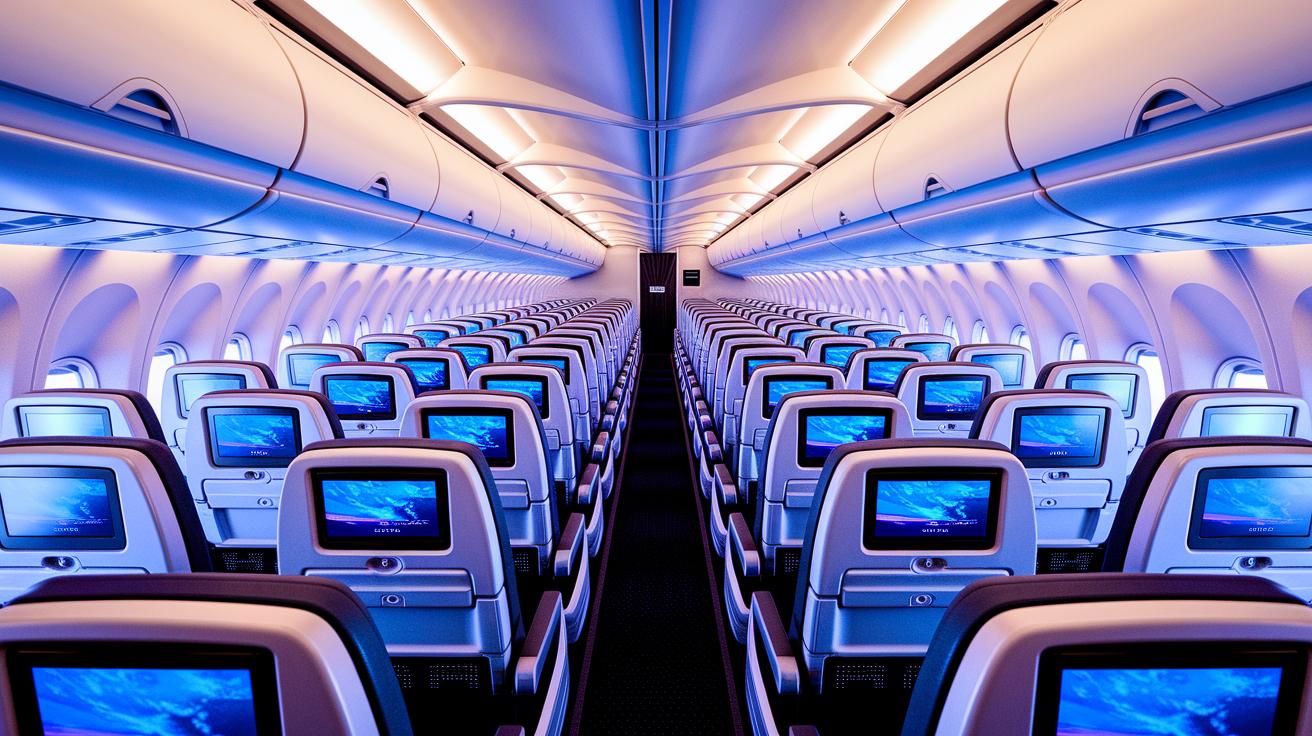
In-flight entertainment systems mix sturdy hardware with smart software to keep you engaged throughout your flight. The hardware includes seatback screens, media servers, wireless access points, and cabin networking racks that share data across the plane. Audio jacks and Bluetooth modules work together to ensure clear sound whether you’re watching a movie or streaming music. Leading brands like Panasonic Avionics, Thales, Lufthansa Technik with its 4K system, and Bluebox Aviation with its Blueview solution supply the solid components that make the system run smoothly. These parts are carefully installed and connected to turn the cabin into a well-organized media hub.
On the software side, the system comes alive with apps that make it easy for you to choose films, TV shows, games, and music from a large on-demand library. Content-management systems keep the media organized, while built-in firmware and streaming engines deliver content sharply and quickly. Many airlines even offer connectivity that lets you browse the web or stream high-speed satellite video. Together, the hardware and software create a flexible, interactive setup that turns every flight into a fun and connected experience.
Passenger Interfaces in In-Flight Entertainment Systems
Today's in-flight systems make travel easy. Touchscreen displays built into seatback units let you choose movies, games, or music with a simple touch. Menus are clear and controls respond fast. You can also view a live flight map, chat with nearby passengers, or read digital guides. This design keeps you connected and entertained throughout your flight.
Wireless streaming via onboard Wi‑Fi lets you play audio and video on your personal device. You can use built‑in headphones, a 3.5 mm jack, or even connect a Bluetooth headset for a custom sound experience. Each option blends together to create a smooth, digital experience in the cabin.
Every interface is created to be simple and personal. You can adjust settings to fit your needs, making sure your flight feels just right.
Content Delivery and Streaming in In-Flight Entertainment Systems
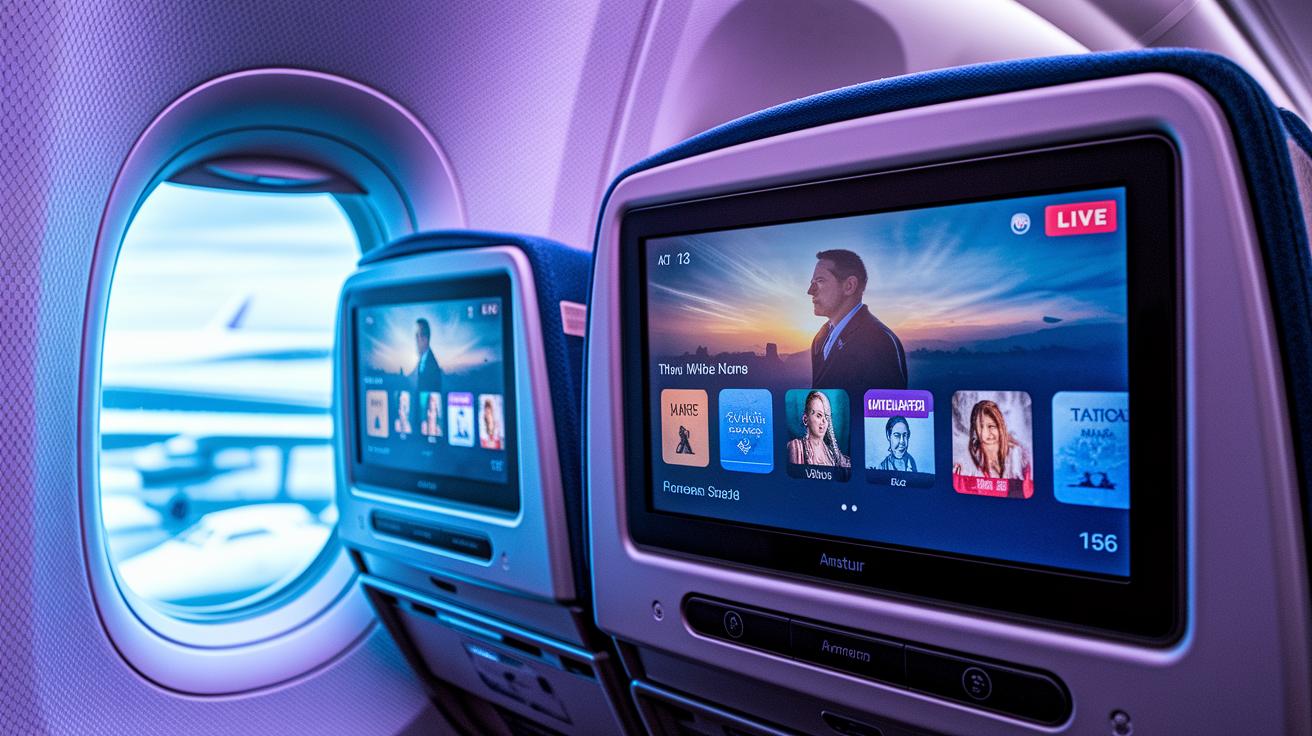
Airlines now offer a broad range of movies, TV shows, e-magazines, music, and games on demand. These in-cabin streaming systems work smoothly for every seat using smart protocols that handle all the updates and licensing needed to keep the selection fresh throughout the flight.
Passengers can also enjoy live streaming while in the air. Live TV and internet are available through satellite or air-to-ground networks, helping travelers catch live events and receive continuous media updates even at high altitudes. Airlines carefully balance content licenses, network capacity, and costs to provide a mix of scheduled shows and spontaneous entertainment.
Airlines know that staying connected is a top priority for passengers, with 77% considering it essential. Improvements in streaming services have clearly boosted overall satisfaction. With well-coordinated content libraries, reliable streaming technology, and steady connectivity, carriers deliver an in-flight entertainment experience that meets the evolving needs of modern travelers.
Innovations and Future Trends in In-Flight Entertainment Systems
Airlines are moving away from old-school seatback screens. Instead, they now use AVOD-to-PED systems that let you stream movies and shows straight to your personal device. This change makes flying more fun and sets the stage for a whole new way to enjoy in-flight media.
Technology like VR (virtual reality, which creates a computer-generated environment) and AR (augmented reality, which adds digital features to the real world) is adding cool features such as virtual tours and on-board shopping. Experts keep a close eye on safety and ease of use as these ideas develop. At the same time, airlines are creating their own in-flight systems to reduce costly licensing fees across entire fleets. With the cabin interiors market expected to grow from USD 24.8 billion in 2022 to USD 36.4 billion in 2027, it’s clear that cabin media is getting a serious upgrade.
- AVOD-to-PED streaming moves content from fixed screens to your own device.
- New VR and AR projects offer interactive experiences that go beyond simple video.
- Custom in-flight systems help cut licensing costs across the fleet.
- Market growth is inspiring redesigns that give the cabin a modern feel for travelers.
- Better hardware paired with smart software is making the media experience more engaging.
These changes are reshaping what you can expect on a flight. No longer are you limited to watching a video on a seatback screen. The next generation of cabin systems puts tools like live flight maps, digital messaging, and personalized settings right at your fingertips. Recent industry expos, featuring more than 50 companies, show a strong drive to mix advanced tech with easy-to-use software. As airlines keep improving their infotainment options, the future promises a smarter, more interactive travel experience that keeps you connected all the way from takeoff to landing.
Comparing In-Flight Entertainment System Providers and Solutions

Airlines have many choices when picking a provider for their in-flight entertainment systems. Each company offers unique features to boost the travel experience. Panasonic Avionics, for instance, pairs strong connectivity with a wide range of interactive content. Thales is known for clear, high-definition touchscreens that stream smoothly and with minimal delay. Lufthansa Technik, with its integrated system, features a 4K HD display and app-based streaming that meets today’s digital needs. Bluebox Aviation, through its Blueview platform, offers wireless entertainment and even onboard shopping. By weighing these different features, airlines can choose a solution that fits their operations and meets passenger expectations.
| Provider | Solution Highlights | Notable Features |
|---|---|---|
| Panasonic Avionics | Combines strong connectivity with a broad range of interactive content | Reliable service and plenty of viewing options |
| Thales | Offers clear high-definition touchscreens for smooth streaming | Low delay and fast, consistent performance |
| Lufthansa Technik (‘nice’) | Integrates a 4K HD system with app-based streaming | Sharp visuals and user-friendly digital integration |
| Bluebox Aviation (Blueview) | Provides wireless entertainment with an onboard shopping platform | Flexible media server setup and innovative connectivity |
Final Words
In the action, our discussion traced the evolution of the in-flight entertainment system from simple overhead screens to personalized, high-speed streaming. We unpacked its hardware, software, and engaging passenger interfaces and compared leading providers shaping today’s cabin experience.
Overall, smart innovations boost media options and connectivity onboard. These enhancements make travel less stressful and more enjoyable. The forward-thinking outlook on modern airline media promises even smoother, more pleasant flights ahead.
FAQ
Q: In flight entertainment system free
A: An in-flight entertainment system free means airlines provide a range of multimedia services like movies, TV, games, and music at no extra charge, enhancing the flying experience for all passengers.
Q: In-flight entertainment system architecture
A: The in-flight entertainment system architecture combines hardware elements like seatback screens and media servers with software that streams content and manages passenger interactions, creating a seamless digital cabin experience.
Q: In-flight entertainment examples
A: In-flight entertainment examples include on-demand movies, TV shows, games, music channels, and live broadcasts. These offerings cater to different tastes and help passengers enjoy their flight time.
Q: In flight entertainment system for sale
A: An in flight entertainment system for sale refers to complete packages available for purchase or lease by airlines. These packages integrate hardware components and software solutions to deliver onboard content.
Q: In-flight entertainment systems manufacturers
A: In-flight entertainment systems manufacturers like Panasonic Avionics, Thales, and Bluebox Aviation design integrated solutions that combine hardware with software to provide reliable, interactive media content on board aircraft.
Q: In flight entertainment system air cairo
A: In flight entertainment system Air Cairo refers to the onboard solutions used by the airline, which typically include seatback displays and streaming options to offer movies, TV, and other digital content to travelers.
Q: First in flight entertainment system
A: The first in-flight entertainment system featured a single overhead screen and basic audio through pneumatic-tube headphones. This early setup laid the groundwork for today’s advanced, interactive systems.
Q: How does in-flight entertainment work?
A: In-flight entertainment works by integrating hardware like seatback screens and personal device connectivity with software that streams media content, allowing passengers to access movies, music, games, and more during the flight.
Q: What is an inflight entertainment system?
A: An inflight entertainment system is a platform that delivers multimedia content such as films, TV shows, music, and games to passengers. It typically includes screens, servers, and interactive software to manage content.
Q: What airlines have inflight entertainment?
A: Many major airlines, including Delta, American Airlines, and Emirates, offer in-flight entertainment systems. Their platforms usually feature seatback displays, personal device streaming, and a wide variety of multimedia content.
Q: How do I know if my plane has a TV?
A: You can tell if your plane has a TV by checking the airline’s website or your seat information during booking. Airlines list available amenities, including onboard entertainment options, in their flight details.