

Ever wonder what drives your choices at the airport? New research shows travelers prefer smooth, hassle-free experiences along with special in-terminal deals. Airports now use details from over 2,000 sources – from live flight updates to insights from onboard data – to improve every part of your travel time. This analysis shows how these trends are changing airport services to offer a more personal and efficient experience for everyone.
Comprehensive Airport Consumer Behavior Insights
Airports are studying how travelers behave to improve services, reduce delays, and offer personal experiences. They now use over 2,000 data sources and follow thousands of flight updates every day. More than 900 airlines and 300 airports depend on this data to understand what travelers want in five travel classes: First, Business, Premium Economy, Economy+, and Economy.
A survey of 2,000 North American travelers shows that Gen Z and Millennials value unique travel experiences and sustainable choices over just low prices. This analysis combines real-time cabin data, past flight schedules, and competitive airfare details to give a clear picture of current traveler trends.
Key takeaways include:
- Younger travelers lean toward memorable trips and green travel.
- Many passengers decide where to eat or shop based on in-airport deals.
- Quick, hassle-free connections and flexible seating are big factors in booking choices.
- Mobile apps and kiosks are shaping what travelers expect.
- Airport shopping trends show a mix of spontaneous and planned purchases.
| Group | Behavior Insight | Data Source |
|---|---|---|
| Gen Z/Millennials | Prioritize experiences and sustainability over low prices | Traveler survey of 2,000 respondents |
| Frequent Flyers | Value fast connections and flexible booking options | Integrated flight and cabin availability data |
| Airport Retailers | Monitor impulse spending combined with planned purchases | In-terminal spending and survey reports |
Methodologies for Airport Consumer Behavior Analysis
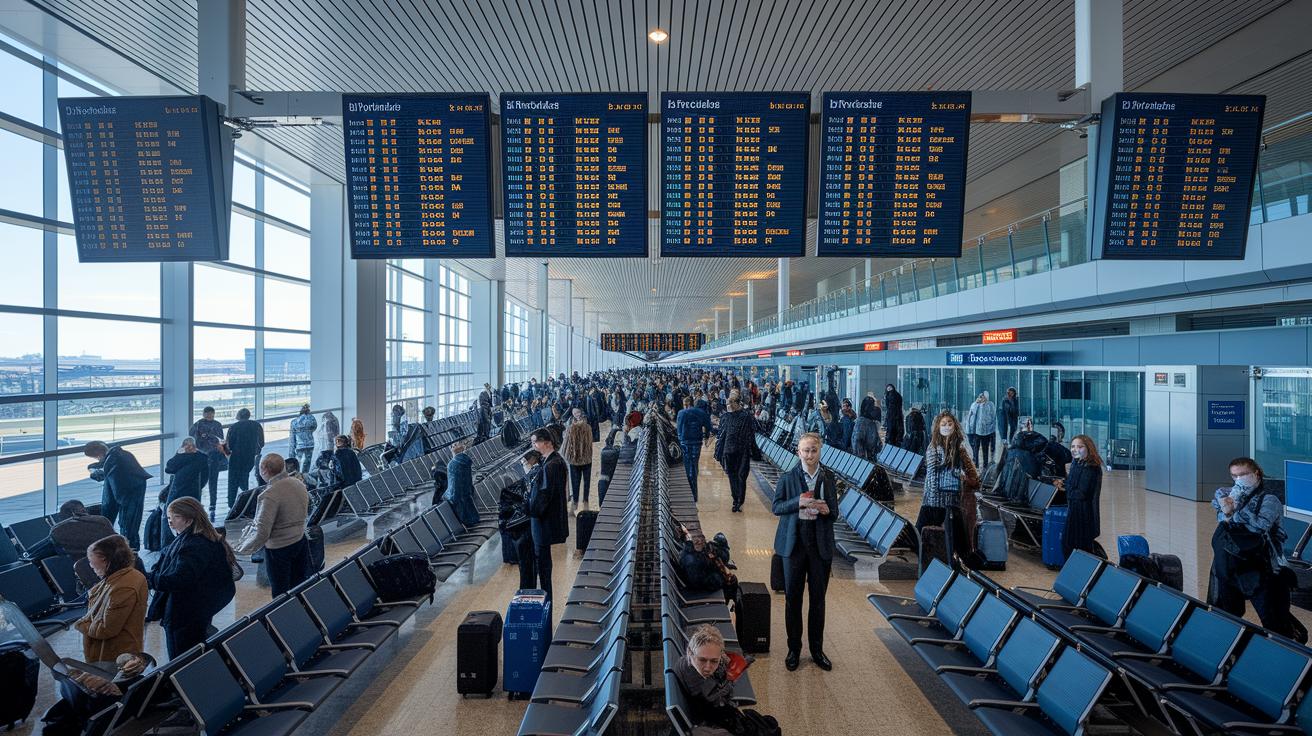
Airports are using smart research methods to understand how their passengers behave. They mix surveys with real-time flight updates. For example, one regional airport ran a survey with 34 questions between March 18 and April 5, 2024. On average, respondents took about 9 minutes to answer. Meanwhile, flight status data is gathered continuously, coming in from more than 2,000 sources every day. This blend of survey answers and live data gives experts a clear picture of what travelers think and do.
The researchers use both words and numbers to get the full story. They even record videos using advanced software to track details like how passengers move, where they sit, and how satisfied they are with their travel. It’s a careful approach that picks up on small details about passenger flow and overall comfort.
The study follows five key steps:
- Kick-off meeting
- Survey design & programming
- Soft launch & testing
- Full distribution & data cleaning
- Analysis & reporting
Advanced Analytics Tools
The team also uses a tool called Observer XT to capture video data at airport terminals. This software shows how passengers move through different areas and interact with services. Live dashboards bring together video footage, flight updates, and scheduling info to paint a complete picture of what’s happening. From this, analysts learn how passengers use digital kiosks and physical service points. By blending different kinds of data, they provide clear advice that airports and airlines can use to improve the travel experience and make operations run smoother.
Mapping Passenger Behavior and Profiles in Airport Terminals
Airports now use booking and flight history to build simple traveler profiles. They check data across different classes, First, Business, Premium Economy, Economy+, and Economy, to spot clear travel habits. This helps them understand how groups like Gen Z and Millennials connect and plan trips. They also monitor schedule changes and passenger flow to map travel paths. This shows where delays occur and which terminals are busiest, allowing for smart redesigns and tailored services.
Airports use these insights when designing terminal layouts. Changes can include better signage, more comfortable seating, and improved amenities to match each traveler's needs. Data reveals distinct traveler types, such as business, leisure, connecting, transit, loyalty members, and first-time flyers. Below is a summary of what the data shows:
| Segment | Service Preference | Data Insight |
|---|---|---|
| Business | Quick services and fast-track options | High ticket class levels and tight connections |
| Leisure | Comfort, good amenities, and a pleasant experience | Booking trends leaning toward premium cabins for added comfort |
| Connecting | Fast transfers and clear directional signs | Schedule data showing frequent, short layovers |
| Transit | Minimal waiting time and easy navigation | Patterns indicate brief stays and rapid movement |
| Loyalty Member | Consistent quality and personalized options | Recurrent bookings and data on special treatment |
| First-time Flyer | Clear guidance and easy-to-follow processes | Initial travel data showing higher support needs |
In-Terminal Spending Habits and Retail Behavior Patterns
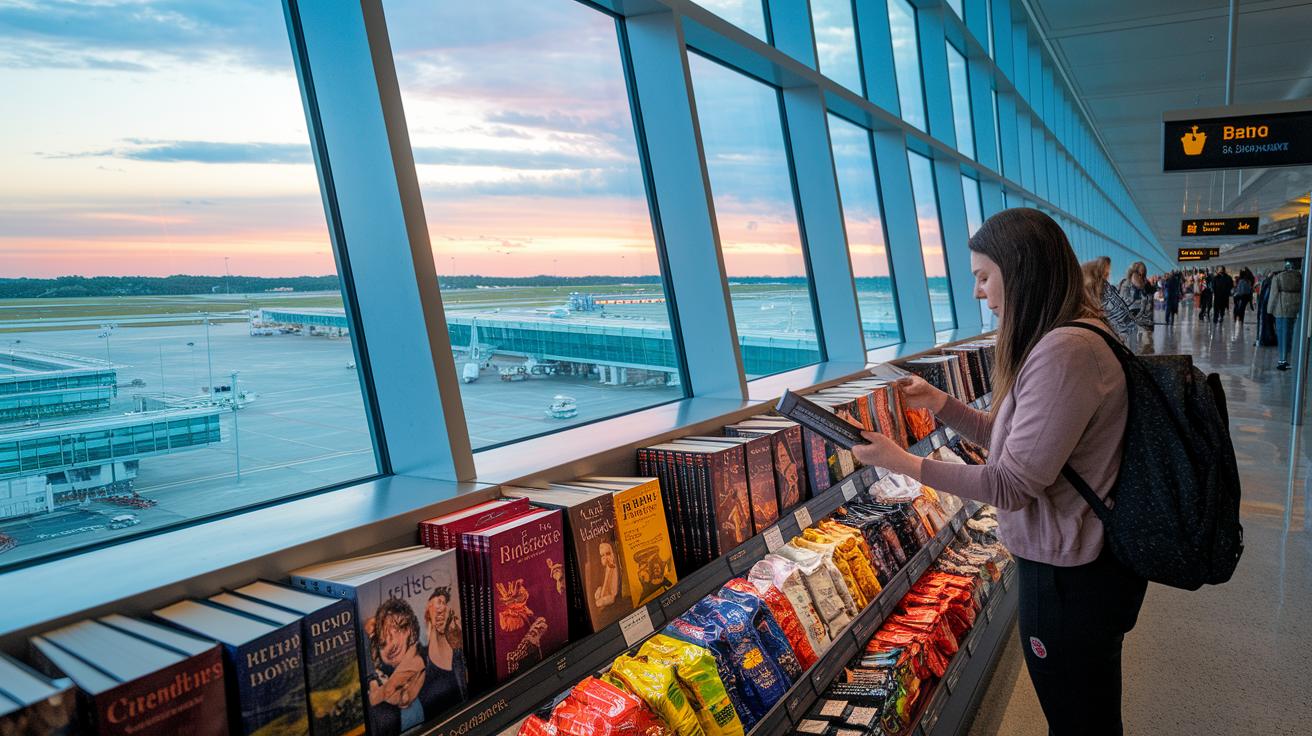
Airports are turning into lively shopping spots where many factors shape how travelers spend money. A study at three major Australian international terminals used interviews before and after travel plus video clips to watch how buyers act. While many people just pass through, those who shop tend to show clear buying patterns. Items like food, books, and tax-free products grab their attention quickly.
The research uncovered a few key reasons behind these purchase choices. Things such as the feel of the store, the pressure of short layovers, mood swings, special deals, and a wide range of products all play a part in driving purchases.
The study also found that a traveler’s heart rate can match their buying decisions. For example, a quick heartbeat at an attractive display might lead to an unplanned buy. Waiting for a flight turns the terminal into a mini-mall, where how items are shown can make all the difference. This mix of real feelings and the right setup can help retailers plan better in-terminal strategies.
| Retail Offering | Purchase Rate | Key Driver |
|---|---|---|
| Food | High | Time pressure and hunger cues |
| Books | Moderate | Curiosity and leisure time browse |
| Tax-Free Goods | Moderate | Cost savings appeal |
| Duty-Free Cosmetics | Low to Moderate | Impulse buying linked to promotions |
Digital Consumer Behavior and Loyalty Program Effectiveness
Airports are using new digital tools that change how travelers interact with their space. Many passengers now book flights through mobile apps that even show current cabin availability. In airport lounges, digital kiosks, and interactive signs in concourses track how travelers move through the terminal. These touchpoints help ensure that every interaction is quick and hassle-free. Surveys on both mobile and desktop show that these digital efforts are not just about eye-catching screens, they are making travel simpler and more stress-free for many flyers.
Loyalty plays a big role in keeping customers coming back. Digital features track each part of a traveler’s journey from app booking to a quick scan at a digital kiosk. Airports use a smooth mix of online promotions and in-terminal service points, letting travelers easily switch between them. This setup builds loyalty by rewarding frequent engagement and offering personalized deals that encourage spending at the airport. Key digital touchpoints include:
- Mobile app booking
- Digital signage in concourses
- Lounge kiosks
- Omni-channel promotions
Loyalty Program Metrics
Airports measure how well loyalty programs are doing by tracking how many travelers sign up, how often rewards are used, and how these rewards boost spending inside the terminal. High sign-up numbers and frequent reward redemptions show that travelers feel valued, which leads to more in-terminal purchases. Data from digital kiosks and mobile apps clearly shows which rewards drive spending. This real-time feedback helps airport operators fine-tune their programs to better meet the needs of today’s digital-savvy traveler.
Decision-Making Factors and Environmental Influences on Airport Behavior
Airports mix live data with smart operational tweaks to help shape traveler choices. Airlines use estimates of engine emissions and fuel use to attract passengers who care about the environment. They also set shorter minimum connection times to ease the rush during tight transfers. Plus, smart tools to assign resources help reduce waiting times in terminals. All these steps, along with trends in cabin occupancy, work together to boost traveler comfort and cut delays.
Both inside and outside influences affect how passengers pick flights and services at the airport. Airports watch several key factors to adjust what they offer. The main drivers include:
- Time pressure – Travelers want to make connections and skip delays.
- Sustainability – Passengers who mind the environment choose greener options.
- Lounge access – Cozy waiting areas can make a big difference.
- Price sensitivity – Fare changes often sway traveler decisions.
- Loyalty recognition – Frequent flyers value perks that reward their loyalty.
Airports use these insights to better match what travelers need. By balancing comfort with quick service, they cut down wait times and use their resources better. This smart approach helps address common travel worries and keeps improving the overall airport experience.
Implications for Managing Airport Consumer Behavior and Retail Strategies
Airports can improve travel experiences and smooth operations by using smart forecasting tools and flexible pricing. With over 900 airlines and 300 airports sharing real-time data, operators can adjust services to cut delays and use their resources better. Managers should mix current airfare details with passenger insights to boost both service and profits.
Retail plays a key role in modern airport management. Targeted promotions have already lifted retail returns, and weekly airfare updates help adjust prices to meet what travelers want. By adding user-friendly digital kiosks and updating in-terminal services, operators can meet changing traveler tastes. This strategy includes:
- Optimizing passenger flow
- Running focused promotion campaigns
- Upgrading digital kiosks
- Redesigning lounges
- Offering eco-friendly retail options
Looking ahead, forecasting travel trends is essential for long-term planning. Operators use tools that study past flight records and cabin availability (how many seats are open) to spot trends and predict traveler choices. This approach lets them fine-tune both operations and retail services to be ready for busy times and changing needs.
| Strategy | Expected Impact | Implementation Timeline |
|---|---|---|
| Passenger-flow optimization | Fewer crowds and shorter waits | 3-6 months |
| Targeted promotion campaigns | Higher retail returns and engagement | Immediate to 3 months |
| Enhanced digital kiosks | Easier booking and service access | 6-12 months |
| Lounge redesign | Better comfort and customer loyalty | 6-9 months |
| Eco-friendly retail offerings | Attracts eco-conscious travelers | 3-6 months |
Final Words
In the action, we explored passenger profiling, digital touchpoints, terminal spending, and environmental factors that drive decisions. Clear data on Gen Z/Millennials, frequent flyers, and retail trends provided insights into behavior inside airport terminals.
Our findings reveal practical methods and tactical strategies for improved service, reduced delays, and smarter retail tactics. This comprehensive analysis helps airport operators rethink operations while empowering everyday travelers to stay informed. The detailed airport consumer behavior analysis sheds light on trends shaping our travel experience.
FAQ
What are the main airport consumer behavior trends?
The airport consumer behavior trends include demographic priorities, spending drivers, decision factors, digital engagement, and retail interactions that shape how travelers choose services and make purchases inside terminals.
How is data collected to understand airport consumer behavior?
The data collection process uses surveys, field studies, video observation with The Observer XT, and real-time flight-status tracking. This blended approach gathers insights from thousands of daily updates and diverse travel sources.
How are passenger profiles and travel patterns mapped in airport terminals?
The passenger profiling process combines booking data, schedule changes, and segmentation into groups like business and leisure. This mapping helps inform terminal design by capturing distinct travel pathways and service needs.
What factors influence in-terminal spending and retail behavior?
The in-terminal spending patterns are driven by factors like the terminal’s ambiance, time constraints, emotional state, promotional offers, and the mix of available products. These factors guide passenger purchasing decisions on-site.
How do digital channels and loyalty programs impact traveler behavior?
The digital consumer channels, such as mobile apps and digital signage, enhance traveler engagement while loyalty programs boost repeat usage by offering rewards that encourage frequent spending and participation.
What operational factors shape airport travelers’ decision making?
The decision-making process is shaped by factors like time pressure, environmental sustainability, access to lounges, price sensitivity, and recognition in loyalty programs. These factors influence comfort and service choices.
How can airport operators use these insights to boost performance?
The insights help operators improve passenger flow, run targeted promotions, upgrade digital kiosks, redesign lounges, and offer eco-friendly retail options—actions that can lead to improved satisfaction and increased revenue.