

Ever wonder how a tiny flight inspired by the Wright Brothers sparked a force that now shapes modern wars? Military aviation has evolved a lot, thanks to smart technology that makes jets sharper and safer. Today, air power does more than just fight, it gathers clues and backs up troops on the ground. With stealth materials and unmanned drones (remote-controlled aircraft), these planes are transforming how battles are fought. This post breaks down how new tech and air power team up to keep nations safe.
Comprehensive Overview of Military Aviation
Military aviation got its start with the Wright Brothers' flight in 1903. That first powered flight changed how wars would be fought forever. Early planes began as simple tools to spot the enemy and soon became essential to military strategy. It all started with a small flight that led to big changes in how battles were won.
Today, air forces use modern jets like the F-22 Raptor and Eurofighter Typhoon to complete complex missions with precision. These planes can be quickly sent anywhere in the world and are used for both combat and intelligence gathering. This shift has widened the role of air power from direct fighting to supporting tasks like spying and gathering crucial information.
Key breakthroughs in technology power modern military aviation. Innovations such as stealth coatings (materials that hide planes from radar), sensor fusion (combining data from many sources), and precision-guided munitions have boosted how missions are planned and executed. Unmanned systems also add flexibility by carrying out strikes and surveillance without risking a pilot's life. These advances keep air power at the heart of global security efforts.
Historical Evolution of Military Aviation

In World War I, military leaders quickly turned everyday airplanes into tools for war. Civilian aircraft, once meant for travel, were repurposed to spot enemy positions and eventually join in the fighting. Armies added machine guns and bombs to these planes, realizing that a view from above could give them a big advantage.
A major game-changer was the interrupter gear. This smart invention let machine guns keep firing safely while the propeller was spinning. It meant pilots could shoot straight ahead without fear of damaging their own plane, giving them a real edge in early dogfights.
By World War II, the focus shifted to bombing missions. Heavy bombers were sent to hit industrial centers, and flying boats patrolled vast ocean areas. These aircraft disrupted enemy supply lines and tracked submarines, showing just how powerful large-scale air operations had become.
These early changes in aviation turned basic reconnaissance into a well-planned strategy. The move from simple armed planes to specialized bombers helped shape today’s air forces, where control of the skies is a key part of national defense and global security.
Breakthroughs in Fighter Jet Technology and Bomber Design in Military Aviation
Today’s fighter jets blend stealth design, advanced sensor systems, and guided munitions to outdo older models. Aircraft like the F-22 Raptor and the Eurofighter Typhoon have completely changed what air dominance means. Believe it or not, before today’s sensor fusion (a way to combine data from various sensors), pilots only had basic instruments to guide them.
The B-2 Spirit bomber marks a big leap in stealth technology. Its unique design lets it carry a bomb load of up to 40,000 pounds. Yet even this powerhouse sometimes struggles during heavy rain, proving that even the best machines have their limits in tough weather.
The SR-71 Blackbird is famous for its supersonic speed. Powered by Pratt & Whitney J58 engines, it can cruise at nearly Mach 3 (three times the speed of sound). It set the standard for high-altitude spy missions. In one impressive feat, the Blackbird once outpaced threats by zipping past them at triple the speed of sound.
Looking at tanker options like the Airbus A330 MRTT and the USAF KC-46 Pegasus shows how far aircraft engineering has come. They vary in cost and performance, which influences how air support is planned. This comparison highlights that innovation isn’t just for fighter jets, it benefits every part of military aviation.
| Aircraft | Role | Key Features |
|---|---|---|
| F-22 Raptor | Fighter | Stealth design, sensor fusion, guided munitions |
| B-2 Spirit | Bomber | 40,000-lb bomb load, stealth design, weather limits |
| SR-71 Blackbird | Reconnaissance | J58 engines, Mach 3 speed, high-altitude missions |
Emergence of Unmanned Combat Vehicles and Drone Warfare in Military Aviation
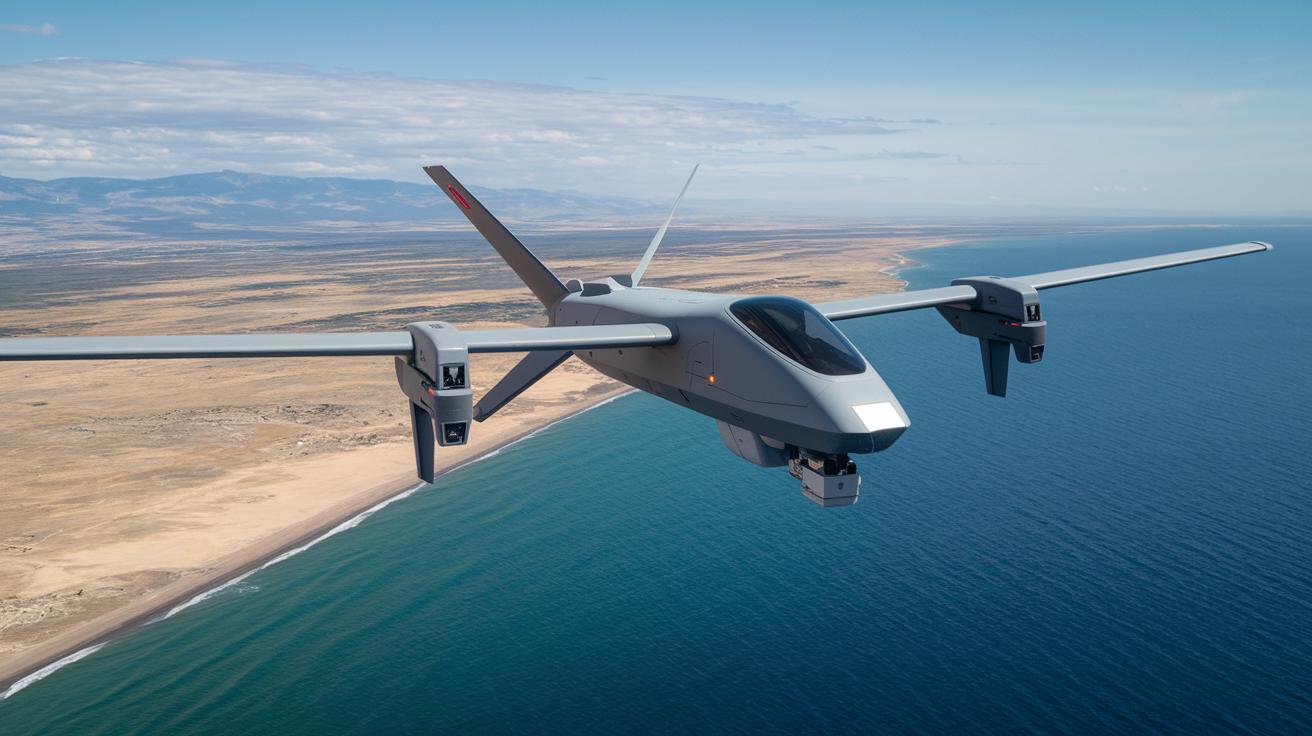
Germany will deploy eight MQ-9B SeaGuardian drones starting in 2028. These unmanned aircraft will handle both surveillance and strike roles, keeping pilots out of harm's way. A striking point is that one MQ-9B can monitor an area as large as a small county, offering real-time intelligence that traditional methods simply cannot match. This move changes how air forces plan operations in challenging environments.
The U.S. Navy is boosting its BQM-177 target drones with Hivemind AI, a system that smartly combines data from various sensors. This upgrade lets manned aircraft coordinate closely with target drones during training and operations. By using this AI, the drones can adjust their tactics in real time during live-fire exercises and realistic simulations.
New concepts like the loyal wingman are also making waves in combat air fleets. Northrop Grumman and Kratos are developing the XQ-58 Valkyrie, an unmanned aircraft designed to fly alongside manned jets. Its goal is to extend mission reach and provide extra support. This integration promises better situational awareness and more flexible responses in future combat settings.
Operational Roles and Air Combat Strategies in Military Aviation
In World War I, pilots flew simple, modified airplanes in what became the first real dogfights. Early pilots used hit-and-run tactics over makeshift battle lines. They had to act fast and think on their feet because their technology was very basic. Many top pilots outsmarted foes with clever, simple moves in the open skies.
By World War II, air combat had grown more organized. Pilots flew in tight formations so bombers could get fighter support. Groups of planes moved in coordinated patterns to boost defense and mission success. This method helped protect aircraft from enemy fighters and set up even more complex operations.
Today, aerial refueling has changed the game. For example, India converted six Boeing 767 tankers to update its fleet, which means modern fighter jets can fly long distances without stopping for fuel at home bases. This capability gives missions extra endurance and a stronger global reach.
Precision strike tactics have come a long way with advanced munitions. Stealth bombers like the B-2 Spirit now carry guided bombs that hit targets very accurately. These smart bombs help planners pick targets carefully, so air power strikes hard while keeping any unintended damage to a minimum.
Country-Specific Case Studies in Military Aviation Development

The U.S. is updating its fleet with the MV-75 tiltrotor program while celebrating a major milestone with its 350th MH-60R Seahawk. Both efforts boost combat readiness and show how adding new tools can make the fleet more efficient. The MV-75 tiltrotor, for instance, offers greater flexibility to meet changing field demands quickly.
India is now converting older Boeing 767s into tankers, cleverly filling long-standing refueling gaps. This move not only extends long-range combat support but also cuts costs compared to buying new assets. It’s a smart way to stretch resources and improve air support without the expense of brand-new equipment.
Germany plans to boost its surveillance capabilities by adding eight MQ-9B SeaGuardian drones through a NATO deal. This step will enhance both regional security and multinational training efforts. Upgrading to these advanced drones is like moving from a basic camera to a high-definition one, offering sharper, more timely insights for defense decisions.
Future Directions and Next-Generation Military Aviation Innovations
Lockheed Martin will boost production of PAC-3 MSE interceptors to 2,000 units a year. This move will strengthen defenses and quickly upgrade modern air protection. Italy is set to open its first multinational F-35 pilot training center at Trapani Birgi in 2025. This change shows that training now goes beyond traditional classroom learning and moves toward innovative practices.
The concept of teaming up with unmanned systems is also on the rise. The new XQ-58 Valkyrie is an unmanned combat aircraft that will fly alongside manned jets. It lets pilots and drones share real-time data and tactics during flight. Think of it like a trusted wingman in the sky.
Exciting tests in hypersonic propulsion and improved avionics are pushing aircraft performance to new limits. These systems aim to increase speed, maneuverability, and situational awareness. Engineers testing these new technologies are setting the stage for achievements that once seemed impossible. Imagine a jet that not only breaks the sound barrier but also reacts quickly with smart sensors.
Final Words
In the action, we traced military aviation from its humble beginnings with early flight pioneers to today’s advanced jets and drones. We covered iconic aircraft, unmanned systems, and critical tactical shifts that shape global air power.
Our overview touched on national case studies, operational roles, and next-generation innovations. This snapshot gives you a quick grasp of military aviation’s evolution and cutting-edge trends, keeping your travel decisions informed and stress-free. Stay tuned for more updates on game-changing developments.