

Have you ever wondered if onboard service really makes a difference? Airlines are now training their crews with role-playing and digital tools that help them quickly spot your needs. These improvements boost comfort and keep flights on time, which is good news for everyone. With smarter seating, adaptive lighting, and quicker solutions when issues arise, in-flight service goes beyond just offering a meal or a smile. It changes your entire flight, making your travel experience shine in a surprising new way.
Strategic Enhancements in Inflight Service to Elevate Passenger Experience
Airlines are stepping up their crew training to deliver friendlier, more knowledgeable service. They now focus on hands-on learning, with role-playing sessions that prepare crews to solve unexpected problems and add personal touches.
Digital tools are now essential in boosting service speed. For example, crews use mobile logging and real-time surveys to quickly learn what passengers need. Smart seating systems even let travelers pick seats that best fit their personality and travel style, making the flight more comfortable.
Smart computer systems have cut delays by about 15%. This helps keep flights on time and makes a real difference in customer satisfaction. Multilingual support also ensures that passengers from all backgrounds get clear instructions and feel well cared for.
Airlines are using digital dashboards to check service levels live and adjust crew assignments as needed. This means they can fix issues on the spot instead of waiting for problems to grow. In fact, most improvements in customer satisfaction come directly from quick, onboard changes that meet passenger needs immediately.
Onboard Ambience Upgrades to Elevate Passenger Experience
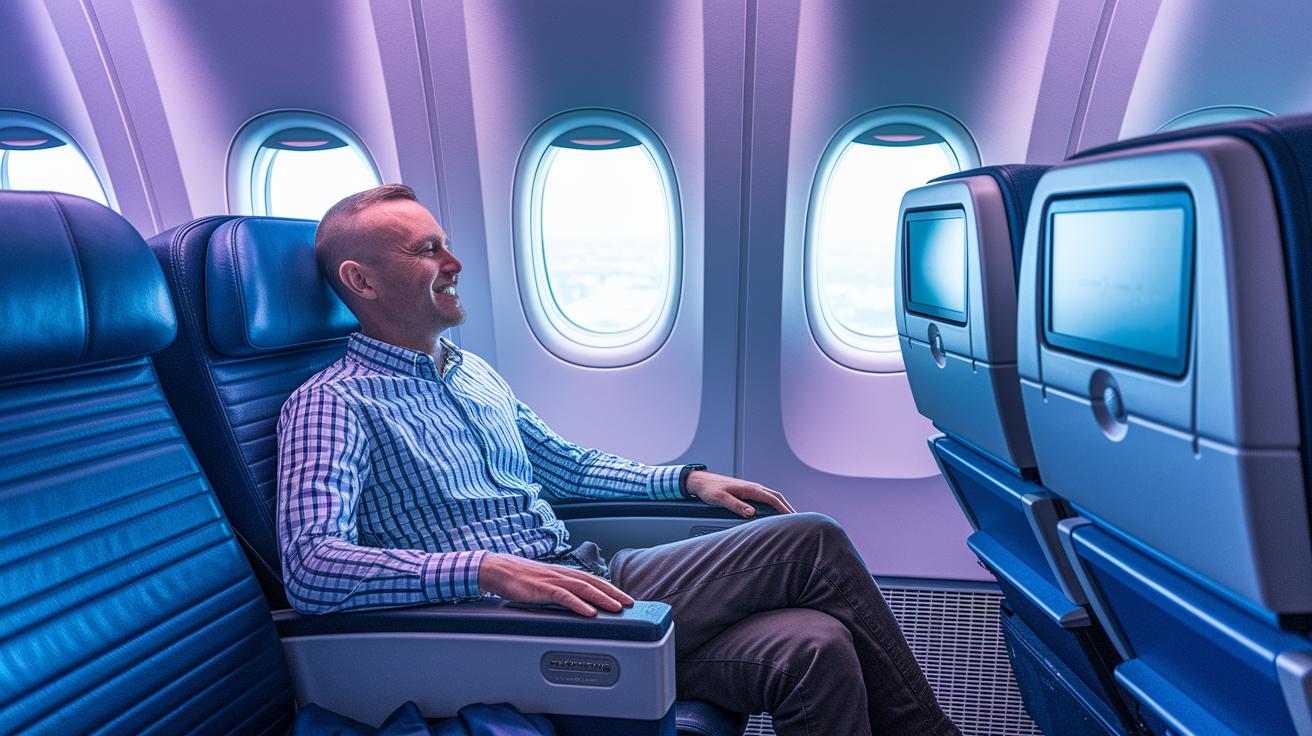
Airlines are refreshing cabin interiors to boost comfort and ease. New seats offer extra legroom and adjustable angles to cut down on fatigue. Many flights now include premium recliners and layouts that reduce noise, letting you settle in without worry. In one design, travelers enjoy seats with adjustable lower back support that truly help them relax.
Ambient lighting sets the mood throughout the flight. Airlines use LED lights that change brightness and color with each phase of the journey to calm nerves and lift spirits. This smart lighting highlights the cabin's spacious feel and creates a warm, friendly vibe.
Cabin updates also bring antimicrobial surfaces on screens to promote a clean environment. Improved air quality controls keep the space fresh, and extra cabin spacing makes it easier to move around. New tech for air circulation and filtration supports a healthy mid-flight experience.
Together, these upgrades create a calm and inviting cabin. With better seat comfort and thoughtful lighting, every flight becomes a smoother, more relaxing journey.
Flight Catering Innovations for Improved Passenger Experience
Airlines are changing how they serve food in flight to create a more personal and enjoyable dining experience. They now offer global dishes and custom menus that cater to different needs. For example, you might see options like vegan, gluten-free, or low-sodium meals designed just for you. In addition, you can pick from specially chosen beverage lists and grab a complimentary snack to keep hunger at bay between meals.
With touchscreens on your seatback, ordering a meal is simple and quick. Whether you’re in the mood for a light bite or a gourmet entrée, you can select your meal with just a tap. This digital ordering process not only makes it easy to choose what you want but also gets your meal to you fast and accurately.
Airlines are also teaming up with top chefs to bring gourmet quality to the skies. Passengers can now savor local flavors even at 30,000 feet. These in-flight catering innovations show that high-quality, personalized meals aren’t just for exclusive lounges anymore, they’re available to everyone, turning every meal into a special treat.
Digital Connectivity and Amenities for a Seamless Passenger Experience

Airlines are adding smart digital tools to make your flight smoother and more fun. Fast satellite Wi‑Fi lets you stream your favorite shows or work on your tablet without a hitch. Imagine checking an important email while watching a live event – all in midair.
Seatback screens now serve as a one-stop shop for everything you need on board. With a few taps, you can shop for duty‑free items, review your flight details, or choose a movie. This handy system gets you what you need quickly and simply.
Mobile apps boost your travel comfort by sending digital boarding passes and live flight updates straight to your phone. They keep you in the loop about gate changes and remind you when it's time to stretch. Having these details at your fingertips makes travel a lot easier.
On board, AI chatbots and virtual helpers are ready to answer your questions and ease your concerns. One traveler recently got quick help connecting to the Wi‑Fi through a virtual assistant, showing that these tools really work in real time.
Together, these digital tools create a connected, easy, and personalized flight experience. They put you in control, making every step of your journey more comfortable.
Tracking Customer Satisfaction in Inflight Service Upgrades
Airlines check customer satisfaction in many ways. They use quick surveys that ask how likely you are to recommend their service and gather feedback right after each flight. This helps them see what works well and what might need a little fixing.
Digital dashboards are a big help here. They show real-time numbers like on-time departures and extra sales made onboard. One airline noted, "After using AI-driven tools, our delays fell by 15% and our satisfaction ratings went up." They also saw a 12% jump in loyalty program sign-ups, meaning families and other travelers appreciate reliable schedules and responsive service.
Airlines now pull in data from digital sources to spot problems before they grow. For example:
| What It Does | How It Helps |
|---|---|
| Real-time statistics | Helps crew fix issues quickly |
| On-time departure tracking | Builds trust and confidence in the schedule |
| Transparent feedback system | Leads to better overall satisfaction |
By using these practical, data-driven methods, airlines can keep a close eye on every part of the inflight service, ensuring ongoing improvements for a better travel experience.
Final Words
in the action, airlines are ramping up efforts to boost the passenger experience through focused strategy and smart tech. They elevate service by investing in crew professionalism, enhanced onboard comfort, and personalized dining options. Digital connectivity and real-time feedback make it easier for teams to fine-tune their approach. These steps form a unified mission of improving passenger experience with inflight service. The progress sets the stage for smoother flights and more satisfying travel moments ahead.