

Ever thought a small power bank might cause trouble on a flight? Airlines now ban these chargers in the cabin because their batteries can overheat or even catch fire at high altitudes. Big airlines like Qantas and Jetstar have already updated their rules.
This guide explains what the new ban means for your packing list and overall flight safety. Read on to learn how these rules aim to keep your air travel secure and what steps you should take before your next trip.
Understanding the Airline Power Bank Ban
Airlines are tightening up their rules on power banks because they can catch fire or overheat. Qantas and Jetstar will no longer allow portable power banks in the cabin starting December 15. This change comes after concerns about battery malfunctions at high altitudes. Imagine getting comfortable in your seat only to learn that your power bank is banned, possibly causing delays or last-minute boarding hassles. This new rule reminds travelers to check the latest airline updates.
The ban now covers carry-on power accessories that might cause safety issues. Airlines are taking these steps to prevent problems with lithium batteries (small batteries that can overheat) and keep flights safe. A recent incident on an international flight highlighted why these rules are so important. By keeping power banks out of the cabin, airlines aim to lower the risk of fire and prevent dangerous heat buildup.
Travelers should also know that these rules might get even stricter in the future. Officials are looking more closely at even small gadgets that seem harmless. Although airlines used to focus on larger devices, these rules now include smaller power banks that still hold a lot of charge. One review even found that a minor battery glitch at high altitude was enough to trigger strict rules across several airlines. Stay updated so you can follow the rules and avoid any travel headaches.
TSA Rules and Battery Capacity Limits Under the Power Bank Ban

The TSA and international safety guidelines set clear rules for lithium batteries to keep flights safe. You cannot pack lithium batteries in checked luggage, so always keep them in your carry-on. Power banks and similar devices must meet certain limits. If a device is rated at 100 watt-hours (Wh) or less, you can carry it without special permission. For anything between 100 Wh and 160 Wh, you need to get approval from your airline before boarding. Devices over 160 Wh are not allowed on any flight.
Airline staff and security check these limits at key moments during your journey. Imagine a routine TSA screening at 35,000 feet where a power bank is scanned and quickly checked against the allowed range. For example, a 105 Wh power bank might pass easily after the airline confirms it fits the guidelines. This careful checking helps ensure that only safe, compliant devices are on board.
These rules help reduce the risk of problems like battery overheating, a condition known as thermal runaway, where a battery gets so hot it could start a fire. Knowing and following these guidelines means you avoid delays or having your device taken away, making your travel safer and smoother every step of the way.
Leading Airlines’ Enactment of the Power Bank Ban
Qantas and Jetstar have stopped allowing power banks on board starting December 15 due to rising worries about batteries overheating and posing fire risks.
Last January, an incident on an Air Busan Airbus A320 in South Korea, where a power bank caught fire in an overhead bin, spurred tighter safety steps across the industry.
Now, airlines are checking for banned chargers at check-in, inspecting devices at the gate, and doing regular cabin checks to catch any forbidden gadgets before takeoff. Recently, enhanced inspections even uncovered extra power banks that were not allowed.
Global Airline Power Bank Ban Regulations and Upcoming Changes
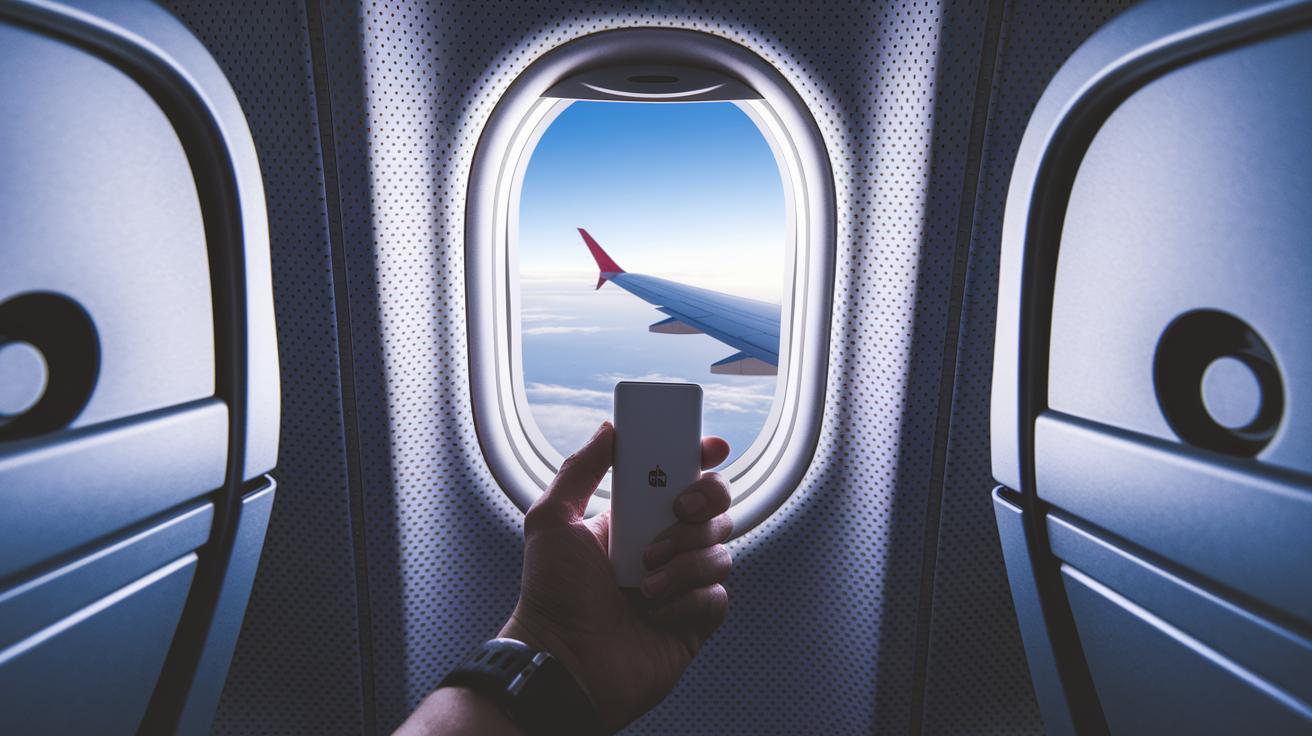
ICAO and IATA rules say you can only bring power banks in the cabin, and they must be 100 Wh or less. This means you can’t pack lithium battery units in your checked luggage. U.S. rules are mostly similar but have some differences in how they’re enforced. It’s like having clear, uniform rules when you fly overseas, making it easier to know which power banks are safe to bring.
Experts expect new battery regulations soon that could standardize policies for most airlines. These updates might link limits on watt-hours with where you can carry the power banks, so you see the same guidelines no matter which airline or country you fly with. U.S. airlines have started making these changes, and similar rules could be adopted in many nations before long.
The goal of these updated rules is to cut the risk of overheating and fires by sticking to strict watt limits. With consistent guidelines across the globe, planning your trip with devices in tow should be simpler and safer. As changes roll out, keep an eye on your airline’s announcements so you’re ready for a more unified set of rules on carrying power banks.
Why Lithium Batteries Prompted the Airline Power Bank Ban
Even a small impact can make a lithium battery overheat very quickly. This happens through a process called thermal runaway (when a battery heats up uncontrollably). For safety, airlines now require that battery-powered items be kept in the cabin so that any signs of overheating are spotted and managed right away.
The rules have also changed. Instead of only worrying about damaged batteries near your seat, airlines now cover any mishandling of lithium devices. This keeps possible fire risks where crew can quickly step in and help.
Best Practices for Traveling With Power Banks Post-Ban

New travel rules mean you should always keep your power banks in your carry-on. This way, flight crews can quickly address any problems, and it lowers the chance of overheating. Be sure to cover the battery contacts with tape or a protective cap so they don’t accidentally turn on. Also, keep your power bank switched off during takeoff and landing. For example, before you board, double-check that your charger is off and taped up. These small steps help you avoid delays.
When you pack your power bank, check its watt-hour rating. If it’s rated at 100 Wh or below, you can usually bring it on board without extra steps. But if the device is between 100 Wh and 160 Wh, get approval from your airline in advance. Here’s a quick checklist to keep in mind:
- Bring power banks in the cabin only.
- Cover battery terminals with tape or protective covers.
- Turn the power bank off during takeoff and landing.
- Check the watt-hour rating on your device.
- Ask your airline for approval if it is between 100 Wh and 160 Wh.
Following these tips will help you meet airline rules and ease security checks. It also helps to test your power bank before you travel. I once quickly confirmed my power bank’s rating and avoided an unexpected delay at the gate.
These best practices will keep your travel smooth and free from last-minute surprises.
Final Words
In the action, the post broke down the new rules for carrying power banks aboard planes. It explained why airlines like Qantas and Jetstar have set a clear deadline and how TSA rules limit battery capacity for carry-on devices. The discussion also covered global guidelines and real-life incidents that spurred the airline power bank ban. Readers now have practical tips on handling portable chargers, all aimed at reducing travel stress and avoiding delays. This information sets you up for smoother, informed travels ahead.
FAQ
Q: Airline power bank ban Reddit
A: The discussion on Reddit regarding airline power bank bans highlights travelers sharing their concerns and experiences about new safety rules. Posts often mention possible impacts on boarding and inflight use of these devices.
Q: How are Australian airlines handling onboard power banks?
A: The Australian airlines banning onboard power banks refer to carriers like Qantas and Jetstar. They limit the use of such devices to reduce overheating and fire risks during flights.
Q: Can I bring a 50,000 mAh power bank on a plane?
A: The question about a 50,000 mAh power bank points to capacity concerns. This high-capacity device usually exceeds allowed watt-hour limits for cabin items and might require airline approval, risking confiscation.
Q: What are the policies for power banks on flights by United, American, Emirates, and Cathay Pacific?
A: The policies by United, American, Emirates, and Cathay Pacific show that each follows strict TSA and international guidelines. They allow power banks only as carry-on items that meet capacity limits and require them to be off during critical phases.
Q: Are airlines banning power banks in general?
A: The concept of airlines banning power banks reflects tighter safety protocols. Many carriers now restrict inflight use to prevent fire hazards, applying rules mainly to carry-on devices under specific capacity thresholds.
Q: Can I carry a 20,000 mAh power bank on a flight?
A: The inquiry about a 20,000 mAh power bank indicates that it is generally acceptable if it meets TSA guidelines. Typically, a 20,000 mAh unit falls below the 100 Wh limit for cabin devices.
Q: Which airline has banned power banks?
A: The question on which airline banned power banks highlights examples such as Qantas and Jetstar that have set firm rules against their onboard use to minimize fire risk.
Q: Are 30,000 mAh power banks allowed in flight?
A: The inquiry about 30,000 mAh power banks suggests that they likely exceed the 100 Wh limit. Such devices usually require airline approval and may be subject to strict regulations during flights.