

Have you ever wondered if your flight really meets your expectations? Some airlines do more than just fly you from point A to point B. They mix friendly, quick crew service, comfortable seating, and smart extras on board. When you look at real facts like on‑time performance and space, along with what other passengers say, you get a clear idea of the true quality. This guide shows you an easy way to check these factors so you know which airlines really stand out.
Evaluating Airline Inflight Service Quality: A Comprehensive Framework
Airlines need a clear system to measure inflight service. By collecting real data on seat comfort, crew performance, and onboard extras, they get a true picture of what matters to passengers. Numbers like seating capacity, extra service prices, and customer service speed back up the stories travelers share. Pairing these figures with passenger feedback shows both the stats and the personal experiences behind the service. For instance, a detailed scorecard might reveal that slightly tighter seating is offset by quicker, friendlier service.
A strong evaluation system relies on several key steps. This method helps airlines compare their service with others and find ways to improve. Follow these main steps to create a dependable process:
- Criteria definition
- Data collection
- Metric selection
- Scoring methodology
- Benchmarking
Using this framework, airlines can track performance steadily. With clear criteria and structured data, they can adjust services based on both hard facts and real passenger insights.
Key Criteria for Inflight Service Quality Evaluation
Comfort and Seating
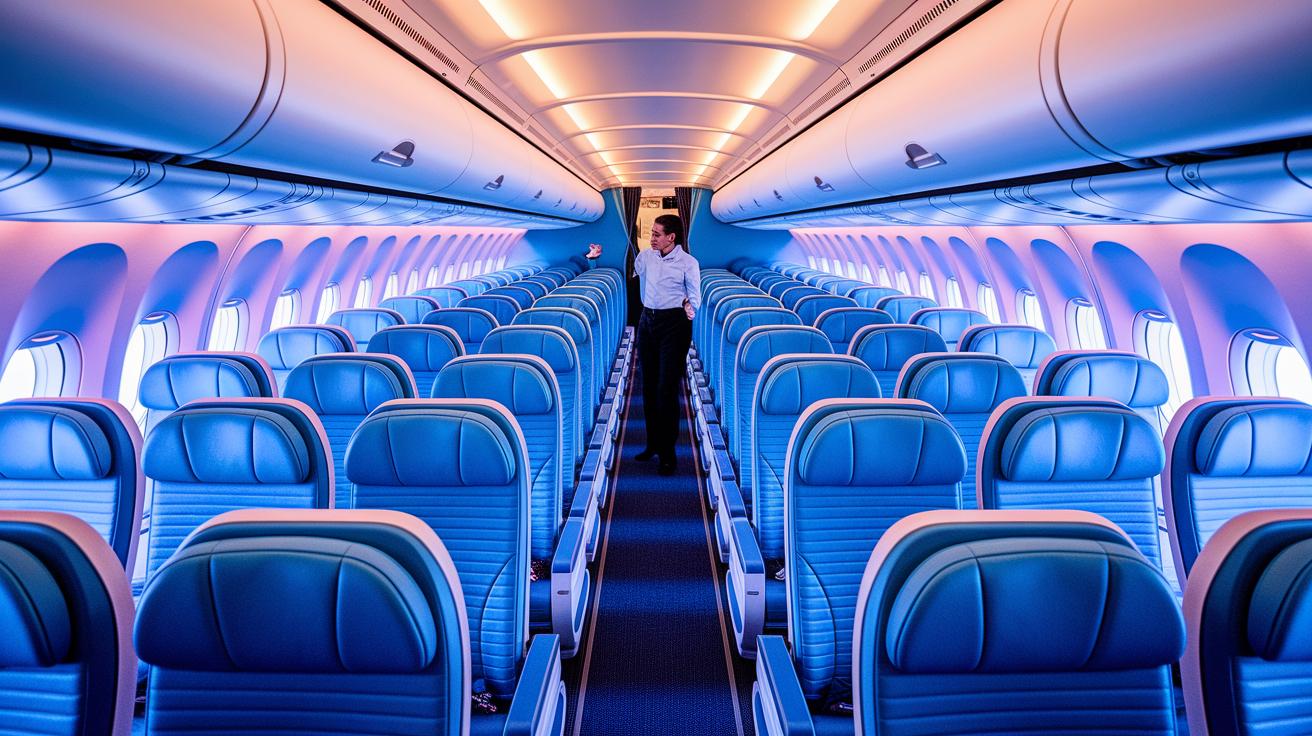
A good flight experience starts with comfortable seating. Inspectors check the seat layout, legroom, seat width, and how well headrests and cushions support you. They use a simple checklist and ask passengers for their input. This way, airlines can easily compare comfort levels on different flights.
Staff Performance and Service Speed
The service you get from cabin crew matters a lot. Reviews focus on how friendly and quick the staff are when they help you. Simple surveys, often using a three-point scale, capture how fast your requests are met. Airlines also note how frequently the crew stops by to assist. This helps pinpoint areas where more training might improve the service.
Onboard Amenities and Technology
Amenities like meals, entertainment, and WiFi play a key role in the onboard experience. Inspectors look for variety in meals, how tasty the options are, and even check the innovation on the menu. They also test the in-flight entertainment systems and ask passengers about the content available. WiFi is evaluated by checking connection speed and reliability. Other important details include how clean the cabin is and whether sanitization practices are followed. All these factors combine to give a complete picture of your flight experience.
Data Collection and Measurement Methods for Inflight Service Quality
Surveys and Questionnaires
Airlines often gather clear, numerical feedback through passenger surveys. These surveys use structured questions with rating scales from 1 to 5 to capture views on seat comfort, crew friendliness, and onboard services. A well-prepared survey uses a solid sample size and clear questions. For instance, asking "How would you rate the friendliness of the flight attendants?" gives a quick measure of overall satisfaction.
Observational Audits and Rating Scales
Observers can check the service quality in real time. They perform in-seat checks or walk through the cabin to note how staff interact with passengers and measure response times. By using rating scales, these audits convert personal impressions into solid scores. This method tracks important details like how often the crew checks in and how clean the cabin is, helping airlines review their performance.
Digital Feedback and Social Listening
Digital tools make collecting feedback fast and easy. Passengers can share comments through mobile app modules or on social media platforms. These tools also use automated sentiment analysis, which turns opinions into measurable data. Combined with surveys and audits, digital feedback helps airlines create a complete picture of inflight service quality, blending hard numbers with direct passenger voices.
Building a Comprehensive Inflight Service Quality Scorecard

A scorecard turns many different ratings into one clear number that shows overall service quality. It helps airlines check key points like seat comfort, crew performance, and onboard amenities so they know exactly what needs fixing.
Choosing the right factors starts with knowing what travelers value most. Airlines can give more weight to the things passengers care about. For example, if many travelers praise the meal quality, that factor might count more than others. This way, the score reflects what really matters.
To calculate the final score, each rating is multiplied by its assigned weight. Then all these numbers are added together into one overall score. A high seat comfort score, for example, will boost the final number when it has a strong weight. At the same time, any issues lower the score, making it a balanced measure.
Airlines use this scorecard to spot the strengths and weaknesses of their service. They can compare these scores with competitors and watch how they change over time. This steady, data-based method helps keep inflight services on track and meets passenger needs.
Sample Inflight Service Quality Checklist with Metrics
This checklist offers an easy way to track key aspects of inflight service. Evaluators use a simple 1-to-5 rating scale to score each element based on what passengers experience. For example, a score of 1 means the seat is very uncomfortable, while a 5 shows it is very comfortable.
| Criteria | What It Measures | Rating Scale |
|---|---|---|
| Seating Comfort | Looks at seat design, legroom, and cushion support | 1 to 5 |
| Service Courtesy | Checks how friendly and prompt the crew is | 1 to 5 |
| Meal Quality | Rates food taste, presentation, and portion size | 1 to 5 |
| Entertainment Reliability | Measures how often the system works and the range of content available | 1 to 5 |
| Wi-Fi Reliability | Tests connection speed, consistency, and coverage | 1 to 5 |
| Cabin Cleanliness | Assesses overall cleanliness and the adherence to cleaning protocols | 1 to 5 |
Keeping a consistent record of these ratings is key for long-term improvements. After each flight, evaluators should log their scores in one central system, like a digital spreadsheet or a dedicated software tool. This ongoing data helps airlines spot trends, tackle recurring issues, and continuously upgrade service quality.
Benchmarking Inflight Service Quality Across Airlines
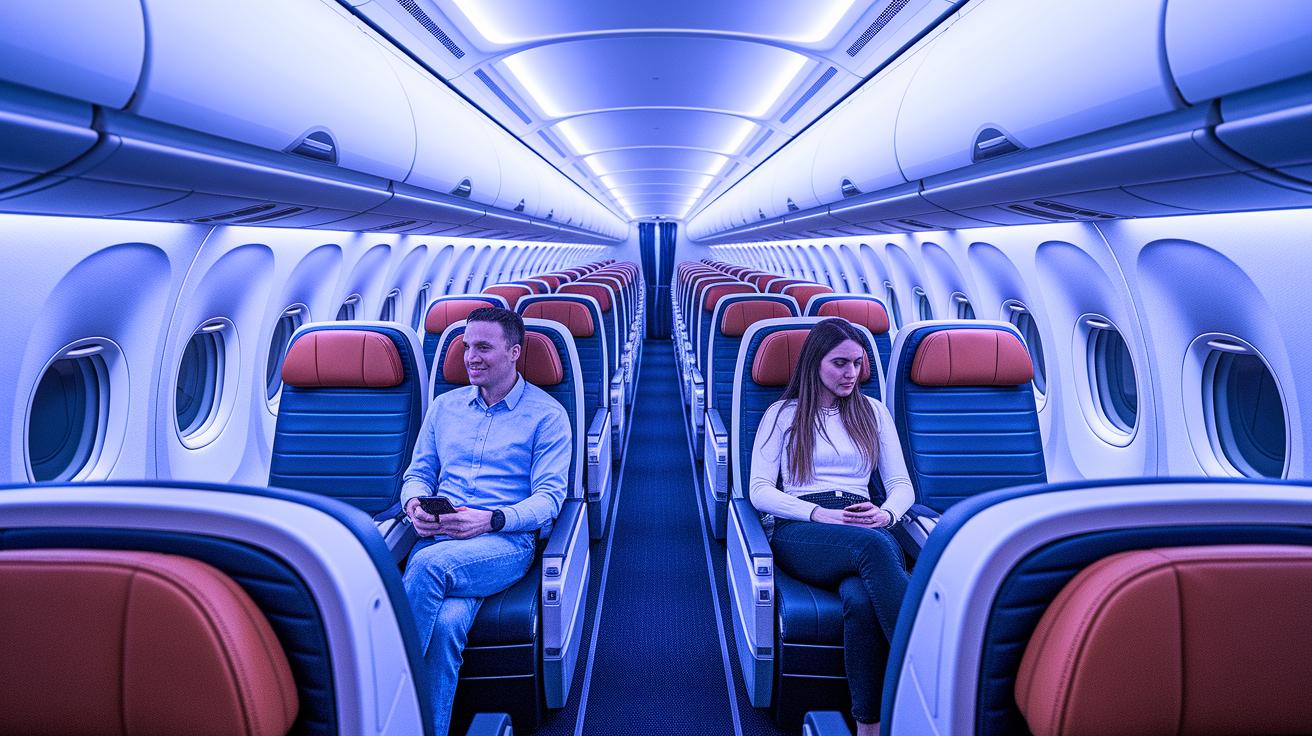
Benchmarking gives us a clear view of cabin service quality by using the same measurements for every airline. It’s like a report card that checks details such as seat comfort, crew service, and onboard technology. Recognized awards from carriers like Qatar Airways, Singapore Airlines, and Cathay Pacific act as strong reference points, helping airlines see what they do well and where they can improve.
Take American Airlines Flagship Suites as an example. Their premium service is often compared with the main cabin to show the difference in luxury and overall experience. And then there’s Spirit Airlines, whose improved in-flight internet shows that good connectivity really matters to today's travelers. By using consistent criteria, these comparisons make it simple to see which airlines stand out and why.
With these benchmarks, airlines can easily spot gaps in their service and make smart changes. This might mean boosting connectivity or upgrading onboard features. In a nutshell, benchmarking is a practical tool that helps airlines track progress and ensure a smoother, more reliable experience for every traveler.
Leveraging Passenger and Crew Feedback for Service Quality Improvement
Airlines get valuable insights when they listen to both passengers and crew. Passengers share what they experience firsthand, while crew members offer a behind‑the‑scenes look at how things run. Using short surveys and comment boxes, airlines quickly pick up on issues like slow call button responses or unexpected service delays. This mix of voices paints a clear picture of what works well and what needs fixing.
To understand the root of these issues, airlines apply a straight‑to‑the‑point analysis. They combine data from complaint records and detailed crew reports to spot trends. For instance, if several passengers mention slow service, it may point to problems with crew scheduling or resources. By sorting comments into clear, actionable issues, airlines can effectively fix gaps in service.
Taking action means using the feedback to improve training and change procedures. Airlines often adjust things like shifting workloads during peak times or adding more crew training. They then check to see if these changes make a difference. Continuous monitoring and proven methods help keep service improvements on track.
Final Words
In the action, this post laid out a clear framework for assessing the quality of in-flight service. We covered everything from comfort and staff behavior to onboard amenities. The detailed steps, criteria definition, data collection, metric selection, scoring methodology, and benchmarking, help form a repeatable process for airline comparisons.
This guide shows how to evaluate airline inflight service quality using practical tips and solid metrics. Enjoy smoother travels with better information in hand.
FAQ
How do you evaluate airline inflight service quality (including PDF guides and annual evaluations)?
Evaluating airline inflight service quality involves using a structured framework that gathers data on comfort, crew performance, and amenities. Guides in PDF format often outline clear criteria and checklist methods.
What key performance indicators should an airline monitor to assess its service operations?
The key metrics include seating comfort scores, crew service speed, add‑on pricing effectiveness, and customer feedback on onboard amenities. These help in tracking service performance accurately.
Which airline typically receives the most complaints?
The airline receiving the most complaints can change over time. Studies show that complaint numbers depend on recent service issues, region, and operational scale, so current reports should be reviewed.
What does service quality in the airline industry mean?
Service quality in the airline industry means measuring how well airlines deliver a comfortable flight experience, efficient service, and satisfactory onboard amenities based on passenger feedback.
Which airline records the highest customer satisfaction?
Airlines such as Qatar Airways, Singapore Airlines, and Cathay Pacific often rank high in customer satisfaction. Their consistent service and quality onboard experiences attract favorable passenger reviews.