

Ever wondered if Japan is really as amazing as people say? Good planning can turn a rough trip into an easy adventure. This guide gives you clear, simple tips like booking your hotel early, setting up pocket Wi‑Fi in advance, and using the JR Pass (a special train pass that saves money) for smooth travel. One traveler even avoided long airport lines by getting ready ahead of time. Read on for practical tips that make exploring Japan fun and stress‑free, letting you enjoy its vibrant culture at your own pace.
Must-Know Travel Tips for Japan

Planning ahead can make your trip to Japan much easier. Book your hotel early and check out airport conveniences like pocket Wi‑Fi or SIM rentals. One traveler shared, "I booked my pocket Wi‑Fi before landing and skipped the long line at the rental counter."
If you’re traveling long distances, the JR Pass is a smart choice. It simplifies travel between cities and helps you stick to your budget. The pass comes in three options: 7 days for ¥29,650, 14 days for ¥47,250, and 21 days for ¥60,450. Also, cash is widely used in Japan with daily expenses averaging ¥6,000–¥10,000. Tipping isn’t part of the custom here, so keeping cash on hand is key.
Here are some essential tips:
| Tip | Description |
|---|---|
| JR Pass | Makes long-distance travel simple with fixed rates |
| Travel Off-Peak | Visit in late November for autumn colors or in March for cherry blossoms to avoid crowds |
| Language Basics | Keep phrases like “Arigato” (thank you), “Sumimasen” (excuse me), and “Onegaishimasu” (please) handy |
| Cultural Etiquette | Bowing, removing shoes indoors, and showing respect are important |
| Main Airports | Narita International (NRT) in Tokyo and Kansai International (KIX) in Osaka |
| Money Matters | Expect to use cash since many places prefer it over cards |
| Safety | Japan has a very low crime rate, making it a safe destination |
| Connectivity | Pocket Wi‑Fi and SIM rentals are available at most airports |
By using these tips, you set the stage for a smooth, enjoyable visit. A well-planned itinerary, a few local words, and a respect for customs can enhance your journey through Japan.
Tokyo To Kyoto: Smart Transportation Tips for Traveling in Japan
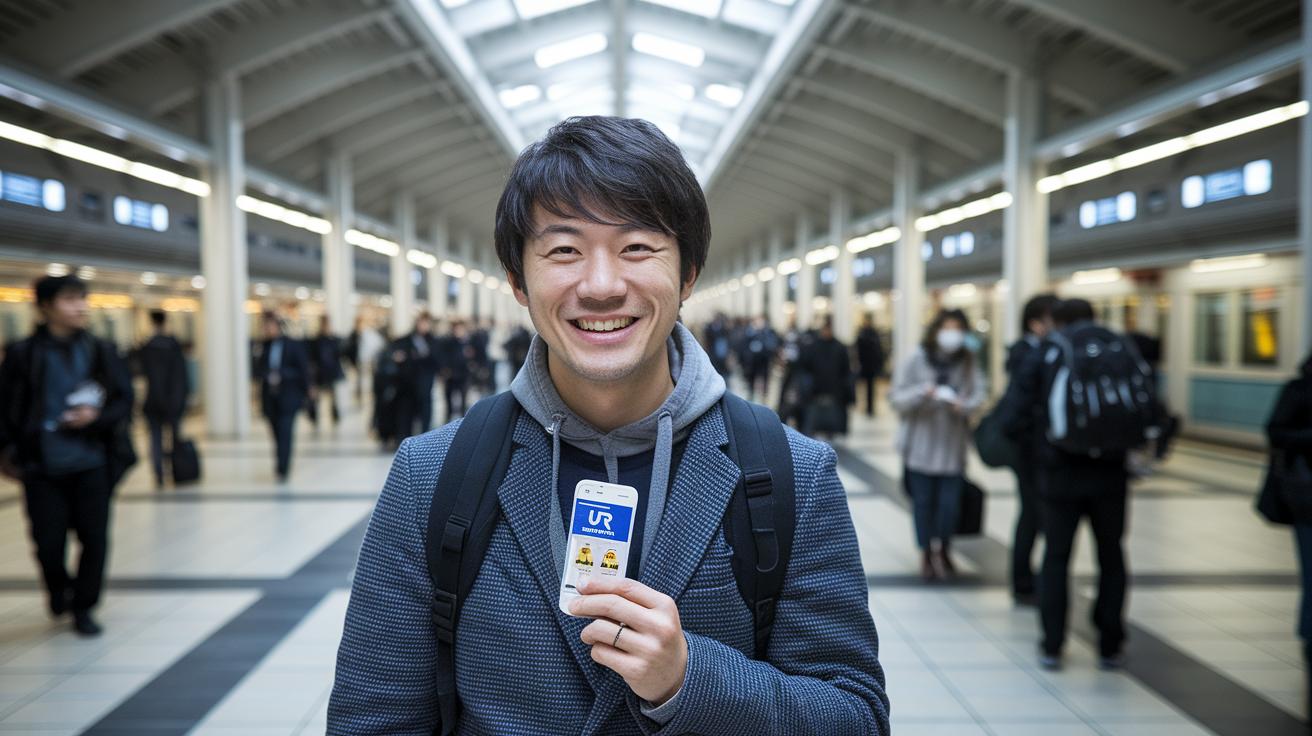
Mastering Japan's rail system can make your trip smoother and save you time and money. When you plan ahead and understand your rail options, you can spend less time waiting and more time enjoying the landscape between Tokyo and Kyoto. Picture booking your JR Pass online ahead of time and gliding through the station while others are still queuing up.
| Transport Mode | Coverage | Cost |
|---|---|---|
| JR Pass | All JR lines except for the Nozomi Shinkansen | Price depends on duration |
| Narita Express | Airport drop-off to Tokyo | ¥1,320 |
| Tokaido Shinkansen | Tokyo to Kyoto (about 2 h 15 min) | Ticket fare applies |
| IC Cards | Local routes and small purchases | Reloadable; cost varies |
Get your passes and cards where it’s easiest for you. Buying a JR Pass online before you go means you can skip long station lines. Many vendors even let you reserve a seat on the Tokaido Shinkansen so you can have a comfy ride. Plus, Suica or Pasmo cards are ideal for daily travel and can be reloaded at stations or nearby stores. Using these together makes switching between fast trains and local transport simple and stress-free. Consider booking early to score the best deals, and check with ticket counters for any special seat reservation options.
Essential Packing and Clothing Tips for Travel in Japan
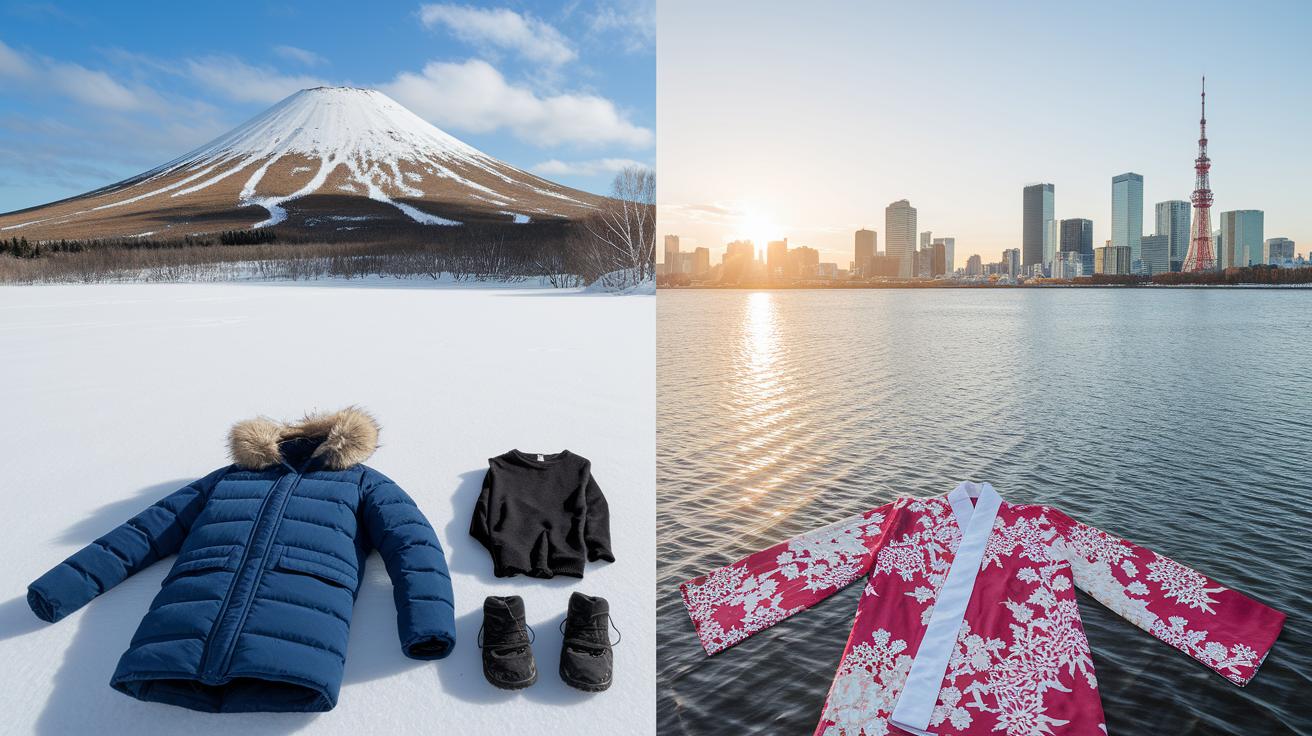
Japan’s many climates mean you need to pack smart. In Hokkaido, winter temperatures can fall to -20 °C, so make sure you have a heavy coat, gloves, and warm layers. On the flip side, summers in Tokyo can reach 35 °C with sticky humidity, so pack light, breathable clothes. Bring a mix of items that work for both cold and hot weather to stay comfortable on your trip.
When you visit onsens (hot spring baths) or stay at a ryokan (traditional inn), be ready for different dress codes. Some onsens require you to wear swimwear, and many ryokans provide a yukata (a simple cotton robe) for your stay. Also, remember that Japan uses Type A electrical outlets at 100 V, so pack a 2-prong adapter to keep your devices charged. One traveler mentioned that having the right adapter saved a lot of stress when looking for a place to charge up.
For an easier travel experience, consider using Takkyubin services. These let you send your medium-sized bags from the airport to your hotel for around ¥1,500 each, so you can explore without lugging around heavy baggage.
Managing Money and Payments When Traveling in Japan
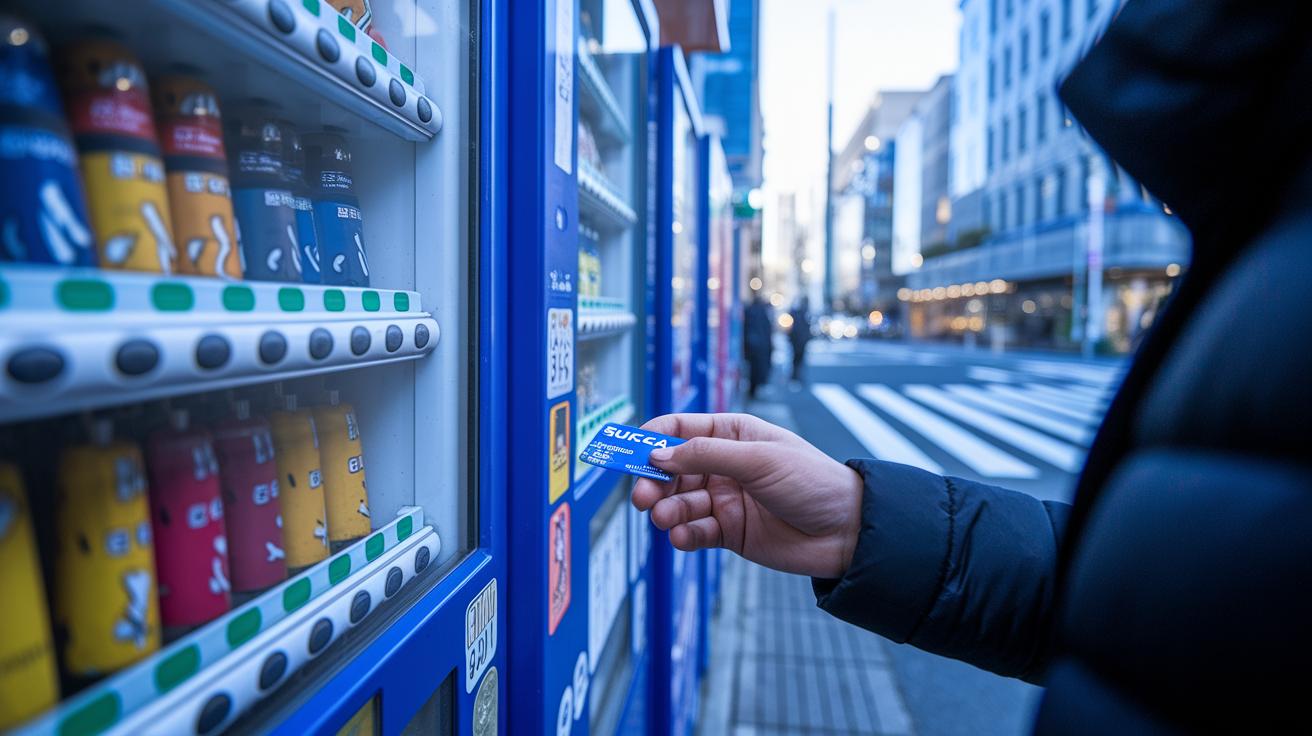
Japan is still a place where cash is often the easiest way to pay. You can quickly withdraw yen at ATMs in 7-Eleven stores and Japan Post offices, which accept most foreign cards. Big hotels, department stores, and popular restaurants usually take credit cards, but many small shops and vending machines only take cash.
For everyday purchases, using a Suica or Pasmo card can make your trips smoother. These reloadable cards work for things like buses, vending machines, and other small buys. One traveler shared, "Using my IC card made quick stops at local shops super easy."
Also, be careful at airport currency exchanges, as they might charge fees of about 3–5%. It helps to withdraw smaller sums more frequently instead of taking out a large amount at once. This way, you avoid extra fees and keep your travel budget in check.
Key Etiquette and Cultural Tips for Travel in Japan

Observing local customs in Japan is an easy way to show respect and blend in. Following simple social rules helps your trip run smoothly and lets you connect with locals. A bit of cultural insight can prevent mix-ups and let you enjoy Japan just like the locals do.
When visiting, keep these five tips in mind:
- Bow a little depending on the situation. A small bow (about 15°) shows casual respect, 30° is more formal, and 45° means deep thanks. For example, when someone helps you with directions, a slight bow and a smile work nicely.
- Take off your shoes when you enter homes, temples, or certain restaurants. You will often find slippers provided to wear indoors.
- Keep your voice low on trains to help everyone enjoy a calm ride. It’s best to avoid making phone calls in the carriage.
- Always wait your turn. Lining up at stations, bus stops, and elevators shows that you respect everyone’s time.
- Slurping noodles is seen as polite because it shows you’re enjoying your meal. Just be sure not to eat while walking so public spaces stay neat.
Keep these pointers in mind, and you’ll experience Japan in a way that feels natural and respectful.
Staying Connected: Internet and Mobile Tips for Japan Travel
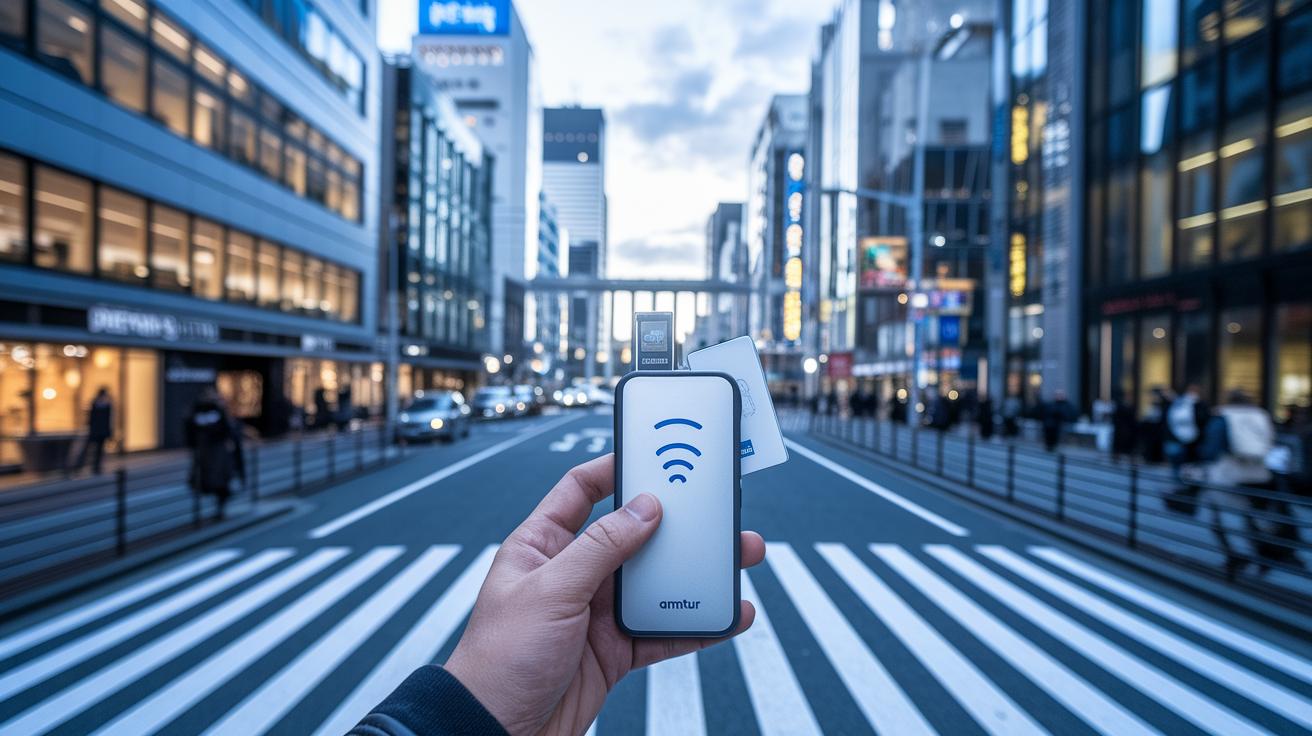
If you're traveling in Japan and need internet on the go, you have a couple of simple options. You can rent a pocket Wi-Fi for about ¥600 a day. It gives you unlimited data and works great if you want to share the connection on several devices or if your phone is locked. Alternatively, prepaid data SIM cards usually offer around 3 GB for roughly ¥2,000 and last for 30 days. Either option lets you use navigation, translation, and local booking apps easily. Major providers like NTT Docomo and SoftBank cover most areas across the country. One traveler mentioned, "I used a pocket Wi-Fi device and had reliable connectivity from Narita to my hotel without any hiccups."
Getting these devices is a breeze. You can pick up a pocket Wi-Fi at airport kiosks and return it at major stations, or order one online with airport or hotel pickup options. Prepaid SIM cards are sold at kiosks and many electronics stores too. When choosing a device, think about its battery life, how easy it is to set up, and how much data you need. For more on portable Wi-Fi options, check out this link: gadgets for travel.
Final Words
In the action, this guide offered practical travel tips for Japan, covering advance planning, JR Pass choices, local etiquette, and money management.
We broke down transport options, packing advice, and connectivity solutions to help simplify your trip.
These tips equip you to handle schedule changes and make smart booking decisions.
Keep these ideas in mind and look forward to a smoother, more enjoyable trip.
Every piece of advice adds to a trip that’s easier on the wallet and more rewarding on the ground.
FAQ
How does planning ahead benefit my Japan trip?
Planning ahead benefits your Japan trip by letting you secure travel passes, schedule pocket Wi‑Fi or SIM rentals, and set a daily budget. This preparation eases stress and helps you make the most of your visit.
What advantages does the JR Pass offer for Japan travel?
The JR Pass offers unlimited train travel on most JR lines for fixed periods. It cuts costs and makes visiting different regions easier by avoiding separate ticket purchases during your trip.
How do smart transportation options improve the Tokyo-Kyoto route?
Smart transportation options improve the Tokyo-Kyoto route by highlighting fast and reliable train services like the Shinkansen and Narita Express. They help you save time and compare costs clearly.
What key packing and clothing advice should I follow when visiting Japan?
The key packing advice is to prepare for varied climates by packing seasonal clothing, a 2‑prong adapter for Japan’s electrical outlets, and items suited for onsen visits or stays in a ryokan.
How should I manage money and payments when in Japan?
Money management in Japan means relying on cash for daily spending, using ATMs at 7‑Eleven or Japan Post, and taking advantage of reloadable IC cards and credit cards at hotels and larger stores.
What local etiquette and cultural tips must I remember in Japan?
Remembering local etiquette means bowing at proper angles, removing shoes when required, talking softly on public transport, lining up in queues, and enjoying noodles politely by slurping them.
How can I stay connected during my visit to Japan?
Staying connected involves renting a pocket Wi‑Fi device or buying a prepaid SIM card. Both options provide unlimited data, easy activation at airports, and reliable service at major stations.
What are the top travel tips to make my Japan trip smoother?
Top travel tips include using a JR Pass for train travel, picking off‑peak times like late November or March, learning basic Japanese phrases, following etiquette, managing money smartly, and ensuring good connectivity.