

Ever wonder how we moved from basic security checks to the advanced systems we rely on today? Over time, air travel security shifted from simple screening to using cameras, sensors, and secure access points. A leading pilot union pushed for these changes, showing that careful oversight and fresh ideas work together to keep us safe. This piece explains how modern systems and regular inspections help millions fly safely every day by blending past lessons with smart technology.
Aviation security: Reliable Measures for Safer Skies
Aviation security has come a long way since 1931. Back then, safety measures were simple, and today, a strong network of systems keeps air travel safe. The largest airline pilot union, representing over 80,000 pilots, has been a major force in pushing for these improvements. Their efforts helped introduce modern surveillance, strict access checks (where proper ID is required), and regular inspections to meet strict safety rules.
Travelers now enjoy some of the safest flights in North America. Airports use cameras and sensors that work around the clock to watch every corner. Only those with the right credentials can enter sensitive areas. Think about it: early security was as simple as a handshake, but now, advanced systems keep a close eye on who enters restricted spaces.
Regular audits act like a heartbeat for the security system. These checks look at everything, from how cameras are set up to the effectiveness of access controls, to ensure all measures meet regulatory standards. Airlines and airports stick to scheduled inspections and update their procedures to handle new threats. This steady review process builds passenger trust, knowing that every flight is backed by a robust and current safety network.
By mixing decades of security know-how with the latest technology and careful monitoring, the aviation industry continues to create a safer environment for millions of travelers every day.
International Regulatory Frameworks for Aviation Security
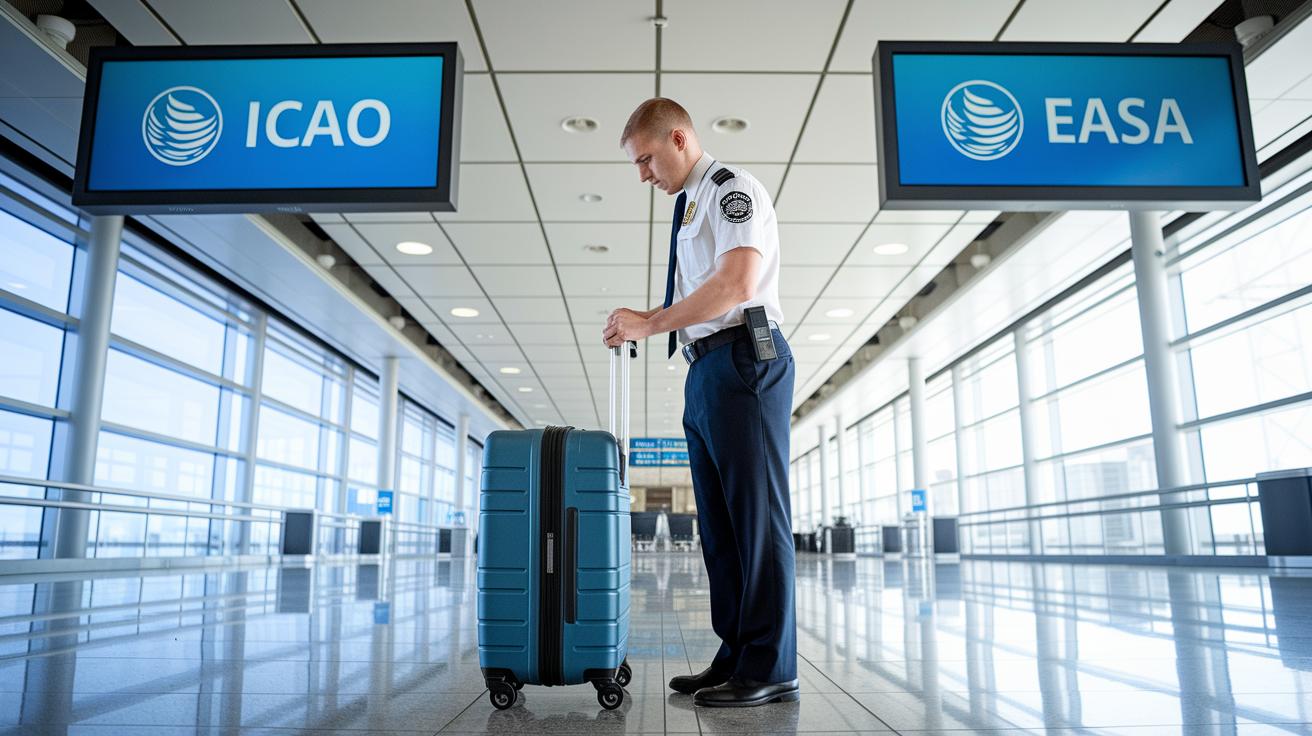
Global air travel security comes from trusted organizations like the International Civil Aviation Organization (ICAO) and the U.S. Transportation Security Administration (TSA). ICAO’s Annex 17 lays out clear rules that member nations must follow to keep flights safe. In the United States, the TSA follows guidelines in 49 CFR Part 1540, which means airlines and airports get regular inspections to maintain high safety standards.
European rules add another layer to this safety net. The European Aviation Safety Agency (EASA) requires member states to run audits and send in compliance reports. Regular reviews focus on key elements like access controls and surveillance systems, catching any issues before they turn into bigger problems.
These common standards give all nations a shared blueprint to protect air travel. Ongoing compliance reports keep regulators informed about both progress and problems, building trust in the system. From the Chicago Convention’s Annex 17 to TSA rules and EASA guidelines, this cohesive framework ensures a dependable approach to safety.
Airlines and airports follow these rules like a single, respected rulebook. This united effort across borders is a big reason why flying remains one of the safest ways to travel today.
Advanced Passenger Security Screening Procedures and Innovations
Today’s screening methods show that speed and safety can work together. Programs like the Known Crewmember program let flight crews with proper credentials pass through airport security quickly, saving time and reducing wait periods. At checkpoints, CT scanners examine carry-on bags in seconds while millimeter-wave body scanners check travelers with little disruption. It’s a neat fact: CT scanners can complete a bag review in seconds, cutting delays while keeping security tight.
Modern technology now includes smart liquid detection systems that check carry-on liquids against strict safety levels (for more details, see the complete guide to carry-on liquids rules). Updated rules also require explosive trace detection tests to spot even the tiniest amounts of dangerous materials. Biometric systems are now used to confirm who you are, making the process both quick and secure.
Airports are also adding automated systems to keep lines moving. New software and sensors reduce the time you spend at security, allowing staff to focus on real threats without losing efficiency. If you want tips on how to breeze through security, check out the how-to guide on navigating airport checks.
This mix of advanced tech and solid security rules is changing how we travel. Machines handle many routine checks while trained staff take care of exceptions. The end result is a system that saves time and keeps everyone safe, making every step from check-in to boarding smoother and more secure.
Airport Perimeter and Infrastructure Security Strategies
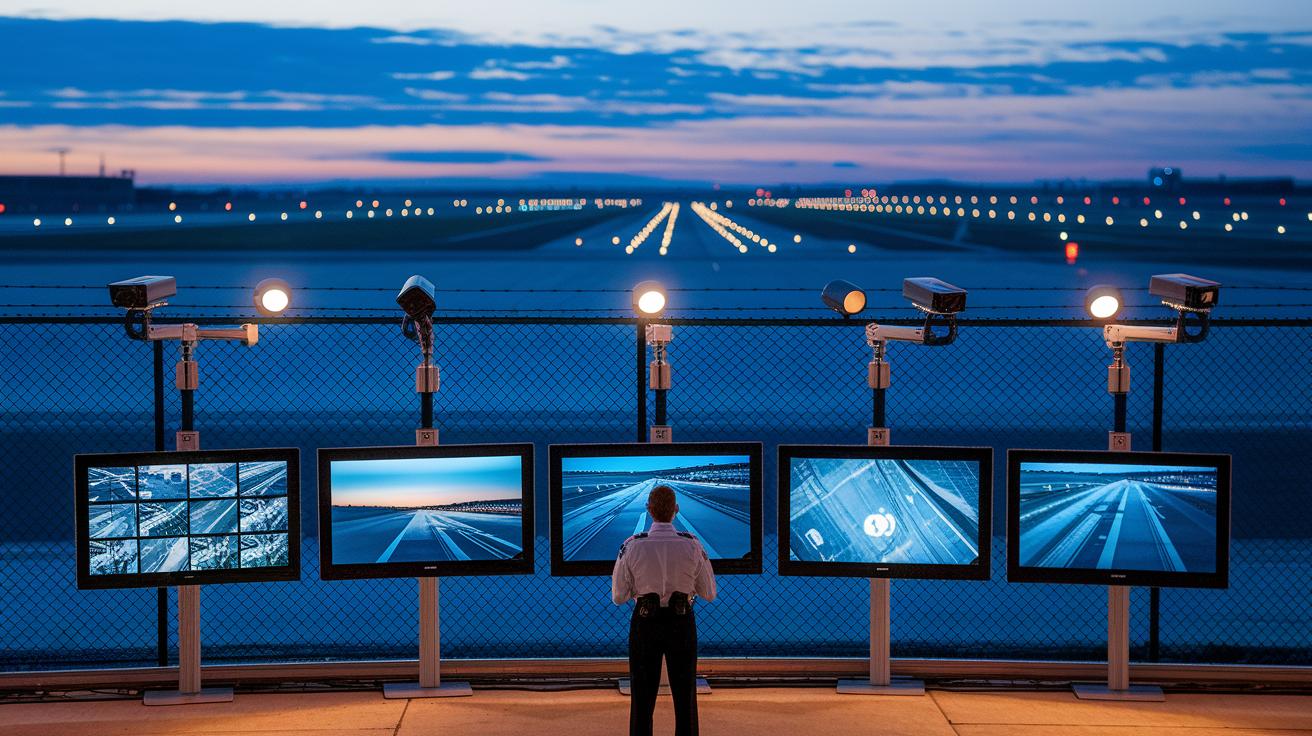
Airports use many methods to protect key areas. They install motion sensors, radar that picks up intrusions, and cameras on fences along runways and nearby spaces. These devices work as a team. For example, a single sensor can pick up even the smallest movement and alert security instantly.
Airports boost safety further with smart access controls. They use biometric gates (systems that check unique traits like fingerprints) and secure ID badges to confirm identities before letting anyone in. Live monitoring dashboards help security teams watch many spots at once and respond quickly if needed. This step-by-step protection stops unauthorized access to areas where planes move or get maintained.
Ground assets are closely guarded too. Sturdy hangars shield aircraft from harm, while RFID tracking (a method that uses radio waves to find items) keeps tabs on every plane and critical equipment. Together, these measures build a strong defense network around the airport perimeter and its vital systems. By combining advanced detection with modern access controls, airports stay alert and ready, keeping passengers and staff safe.
In-Flight Security Protocols and Crew Protection Measures
Airlines take security seriously from takeoff until landing. Programs like the Federal Flight Deck Officer Program train select pilots to act as armed security. These trained officers are ready to handle emergencies and protect the cockpit if something unexpected happens.
Extra safety is built into the aircraft with physical barriers on the flight deck. These barriers prevent unauthorized access to the cockpit, providing a solid layer of protection for everyone onboard.
The TSA and airlines work together to run thorough background checks on every crew member. That means every pilot, flight attendant, and support staff member is carefully screened to meet strict safety standards. Passengers can feel more at ease knowing the team has been vetted well.
Crew members also take part in regular counterterrorism and emergency drills. In these sessions, they practice secure communication and coordinated responses with cabin staff and ground authorities. This hands-on training helps everyone respond quickly and keep the cabin safe in a real emergency.
By combining armed officer programs, robust physical barriers, and continuous training, airlines create a secure environment that puts the safety of both passengers and crew first.
Threat Detection and Intelligence Analytics in Aviation Security

Cyber threats to aircraft systems (avionics) and passenger data are driving greater investment in digital security measures. By combining data from installed cameras and sensors with smart analytics, security teams can quickly spot unusual activity. These devices send live information to risk-alert platforms that notify operators as soon as a potential problem arises.
Frontline staff keep the lines open through 24/7 hotlines. This means they can report serious threats or odd behavior right away. For instance, some procedures now include a quick laser-strike report, where an employee immediately flags anything out of the ordinary.
Airline teams are also focusing on insider threat monitoring. Training courses like Blue Lightning teach crews to notice warning signs, such as hints of human trafficking. These sessions help workers recognize subtle clues and raise concerns before they turn into bigger issues.
Digital safety measures and real-time data analysis now back up traditional surveillance methods. By blending advanced analytics with on-the-ground reporting, aviation security teams can pinpoint weak spots much faster. This mix of high-tech tools and active monitoring is changing the way threats are detected and managed.
Constant data feeds, instant communication channels, and specialized training all work together to keep air travel safe. This integrated approach helps security teams stay ahead of potential attacks and protect passengers effectively.
Risk Management and Emergency Preparedness in Aviation Security
Airlines and airports use anonymous safety-reporting portals and run regular safety audits to catch issues before they grow. These reports help reveal weak spots in every step of the process.
Special teams perform regular risk assessments by using expert reviews and clear checklists. This approach lets them act quickly and decide where extra security dollars are needed. They even run table-top exercises that mimic real emergencies, like fires, power failures, or sudden vehicle intrusions, to make sure everyone knows how to respond.
Airlines also run joint drills with fire, police, and medical teams. These sessions cover everything from small incidents to major crises and help all groups learn their specific roles. In these training sessions, first responders team up with airport and airline staff to test alert systems, communication channels, and evacuation plans.
Decision-makers use clear frameworks to guide security investments. They review feedback from audits and drills to keep improving protocols and fix any vulnerabilities fast. By using regular risk checks and strong crisis management planning, aviation security experts keep sharpening their skills to protect both travelers and assets in any emergency.
Future Trends and Technological Innovations in Aviation Security
A push for better security is steering the aviation industry toward new systems. Pilot unions, with years of experience and a keen focus on safety, urge air traffic control to adopt secure digital networks paired with strong cyber defenses. Researchers are now developing AI (artificial intelligence) tools that spot small irregularities before they grow into serious issues.
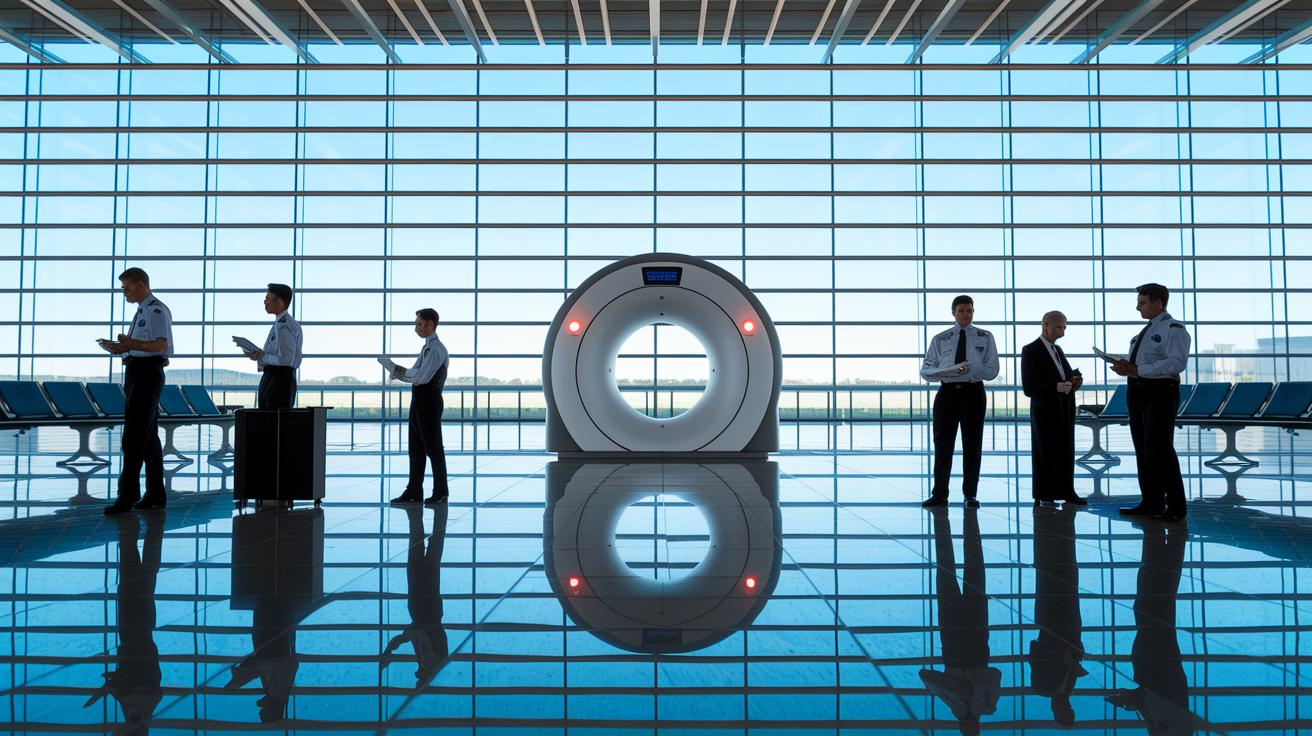
Airlines and regulators are testing next-gen CT scanners for carry-on bags that speed up checks and deliver clearer images. This helps catch potential risks quickly. They’re also working on zero-trust security frameworks, which make it much harder for unauthorized users to break into systems, even if they slip past the first layer of defense.
The idea of security-by-design is gaining ground, especially for new air transport technologies like Advanced Air Mobility. This means that safety measures are built into the system from the very start, not just added later. Combined with new cyber defense plans, these changes promise steady improvements in aviation security.
All these advances in detection systems and secure design point to a future where air travel is safer for everyone.
Final Words
In the action, our post covered core aviation security measures from historical milestones to cutting-edge in-flight safety protocols. It explained how surveillance, strict regulatory standards, and modern screening techniques work together to keep air travel secure. We also looked at airport perimeter defenses, threat detection systems, and risk management strategies. These steps all contribute to a strong foundation for aviation security. Embracing these insights leads to a more informed and stress-free travel experience. Stay confident in the secure world of aviation security.
FAQ
What is aviation security?
The term aviation security refers to the systems and measures designed to protect airports, aircraft, and travelers from threats. It includes screening processes, surveillance, and access controls to keep travel safe.
What aviation security courses are available?
The aviation security courses teach practical safety measures, including threat detection, screening procedures, and regulatory compliance. They equip professionals with skills to work in secure travel environments.
What aviation security jobs can I pursue?
Aviation security offers career paths like security officers, screening agents, risk managers, and technology specialists. These roles focus on maintaining threat detection and ensuring safe travel operations.
What does aviation security at an airport involve?
Aviation security at an airport involves advanced screening, surveillance systems, and access controls that protect sensitive areas, aircraft, and passengers. These measures follow strict federal and local guidelines.
What is the aviation security salary?
The aviation security salary varies by role and location. Entry-level positions offer modest wages, while senior roles in major hubs typically earn more, reflecting greater experience and responsibility.
What does aviation security in Chicago involve?
Aviation security in Chicago includes comprehensive safety protocols at its airports, such as advanced screening technology and rigorous compliance with federal and city regulations to ensure safe air travel.
What is an aviation security company?
An aviation security company provides specialized services, including surveillance, access control systems, and risk management. They support airports and airlines by enhancing safety and operational security.
What is ACTS aviation security?
The ACTS aviation security program is a specialized training or certification course designed to build expertise in threat management and safety protocols across air travel environments.
What are the 4 C’s of aviation security?
The 4 C’s of aviation security refer to key focus areas—control, check, counter, and communication. They outline the essential steps for detecting threats, verifying procedures, mitigating risks, and coordinating responses.
Is aviation security the same as TSA?
Aviation security includes measures from various agencies, with the TSA (Transportation Security Administration) being a major US entity. TSA sets federal regulations that form part of the broader aviation security framework.