

Traveling with an infant might sound stressful, but it doesn't have to be chaotic. Many parents worry that trips with little ones will be hectic. However, with a little planning, you can create fun and calm moments along the way.
Consider booking a direct flight to cut down on extra stops. Pack your baby's essentials so nothing is missing when you need it. A quick checkup with your pediatrician before you leave can help catch any worries early. And remember to organize your travel gear so you can easily find what you need during your trip.
Follow these steps and enjoy watching your baby smile in new, exciting places. A smoother, happier journey is just a bit of preparation away.
Preparing for Traveling with Infants: The Ultimate Pre-Trip Checklist

Planning ahead makes travel easier for you and your baby. Schedule a visit with your pediatrician at least two weeks before you leave. This quick checkup helps confirm your baby is ready for the journey. For international trips, get passports or IDs sorted out at least six months ahead so nothing holds you up.
When you book your flight, try to choose a direct route. Direct flights mean fewer transfers and less hassle. Reserve your bulkhead seats and request bassinets 48 to 72 hours before departure to boost your comfort. Give your airline a call early just to be sure your seat choices are locked in.
It’s a good idea to buy travel insurance that covers pediatric care. This extra layer of protection can ease your mind if your baby needs medical help once you’re on the move. Also, double-check that your hotel can meet your infant’s needs. Look for features like a crib, blackout curtains for a better sleep, and meals that suit little ones.
Gather all your documents and reservation details well before your trip. Organizing everything ahead of time helps you avoid last-minute stress and makes the whole journey smoother.
Here's a surprising fact: Parents who plan every detail can see up to a 40% drop in travel-related stress. This careful planning makes trips more enjoyable for everyone.
Finally, review your flight schedules and call service providers if you have any questions. Confirm meal options and other details in advance. With everything set, you can focus on spending quality time with your baby while keeping your trip fun and stress-free.
Must-Have Infant Travel Gear for Stress-Free Journeys
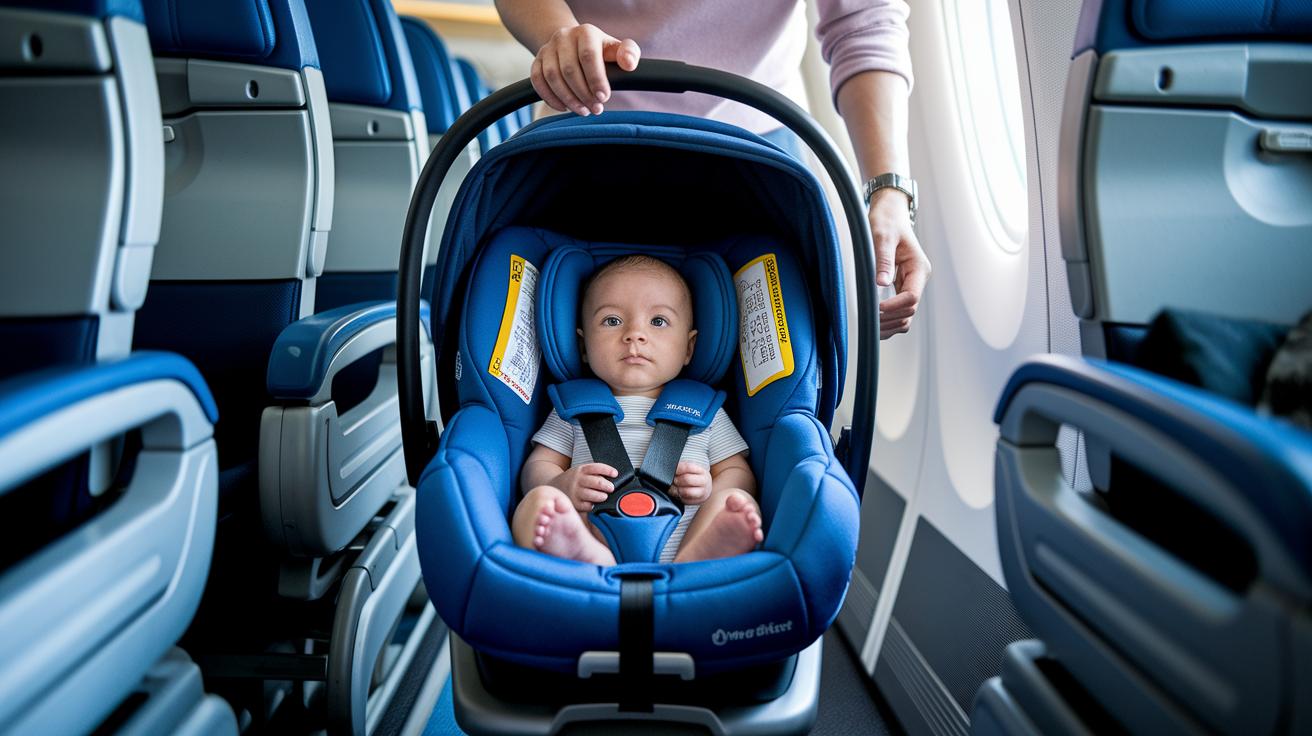
Traveling with your baby can be simple when you pack the right gear. Use an FAA-approved rear-facing car seat or CARES harness to keep your baby safe on the flight. A lightweight travel stroller under 20 lbs that folds in one smooth motion will help you breeze through busy terminals. It works like a quick puzzle snap that makes travel transitions easy.
Here are some essential items:
- A portable travel crib or Pack ’n Play with a travel bag for easy sleep setups.
- A hands-free, soft baby carrier that keeps your arms free in the airport.
- A compact travel high chair or booster that clips onto tables to make meals simpler.
- A portable white-noise machine or smart sleep soother operating at 50–60 dB to create a familiar sleep environment.
- An organized diaper caddy or tote with labeled compartments to help you pack and grab baby essentials quickly.
Imagine unfolding your travel stroller with one smooth motion. It makes moving from the car to the gate as seamless as possible.
Smart Packing Tips for Traveling with Infants

Plan your baby’s travel gear carefully to keep your little one comfy and your trip hassle-free. Start by making a clear packing list. For example, bring one diaper for every 2–3 hours of travel and add about five extra for unexpected delays.
Pack 2–3 sets of extra clothing, and store any dirty clothes in zip-lock bags. This way, you'll always have a fresh change ready when needed.
Prepare your baby’s formula by measuring out daily servings in a dispenser. Bring clean bottles too, so feeding stays easy. Keep wipes in a waterproof pouch near your changing mat for quick access during changes.
Also, include a light blanket, some burp cloths, and a couple of pacifiers to help calm fussy moments. Add a sun hat, age-appropriate snack pouches, and a teether to keep your baby content.
These simple steps create a mini survival kit for your baby. Organized and practical, your kit will help you focus on making fun travel memories.
Navigating Airports When Traveling with Infants
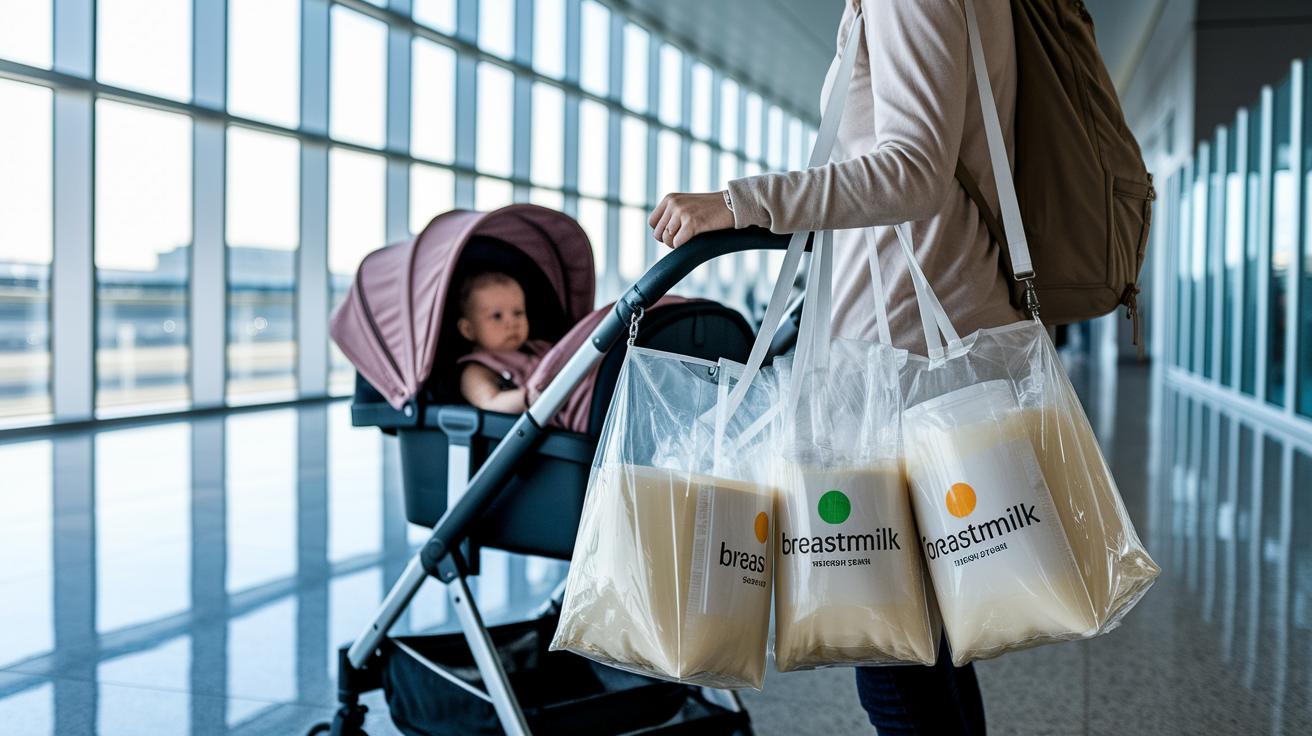
Airports can feel a lot less hectic when you plan ahead. TSA lets you bring breastmilk, formula, and juice in containers larger than 3.4 oz if you pack them in a clear, labeled bag for the X-ray. This simple step helps you avoid any delays.
If you ask for a family or assisted screening lane, you can be sure to skip the long lines. At the security checkpoint, don't hesitate to ask for help if you need it.
Try to pre-board at least 30 minutes early. This extra time lets you settle your little one and get your diaper bag ready so that liquids are easy to spot during screening.
When you check in, you can gate-check your stroller and car seat at no extra cost. This means you'll pick them up right at the aircraft door, which helps you avoid lugging heavy items through crowded parts of the terminal.
For a bit of extra comfort, consider using noise-canceling infant headphones during boarding and takeoff. These can help soothe your baby during the louder parts of the flight.
Before you travel, check airport guides or terminal maps (https://keysunair.com?p=120) to find nursing rooms and family restrooms. Knowing where to go for a quiet break can make a big difference.
Keep your boarding passes and IDs handy, whether on your phone or on paper. Having digital copies of your reservations can speed up check-in. And a well-stocked diaper bag with extra pacifiers and a change of clothes is a smart backup plan. Stay tuned to airport announcements to stay updated and make your journey smoother.
Road Trip Strategies for Traveling with Infants by Car

Plan your trips by splitting long drives into shorter segments. Try to drive for only 2 to 3 hours, then take a 15 to 20 minute break. These pauses let you stretch, feed, or change your baby and help keep the car calm to avoid meltdowns. Imagine a short stop where you both enjoy a snack and a bit of fresh air before getting back on the road.
Before you set off, install the rear-facing car seat as the maker suggests, usually with a 30° to 45° recline. This setup not only protects your baby but also makes it easier for a peaceful nap during long drives. Aligning nap times with these longer segments can make the journey feel more relaxed.
Pick rest stops that have infant changing tables and feeding areas. These spots can make caring for your baby much easier. Use window shades and mosquito nets to keep the car cool and free from bugs, aiming for a comfortable temperature between 68°F and 72°F. And lastly, book family-friendly hotels every 4 to 5 hours to keep the pace smooth and provide a safe, friendly space for your little one to rest.
Managing Sleep and Feeding While Traveling with Infants
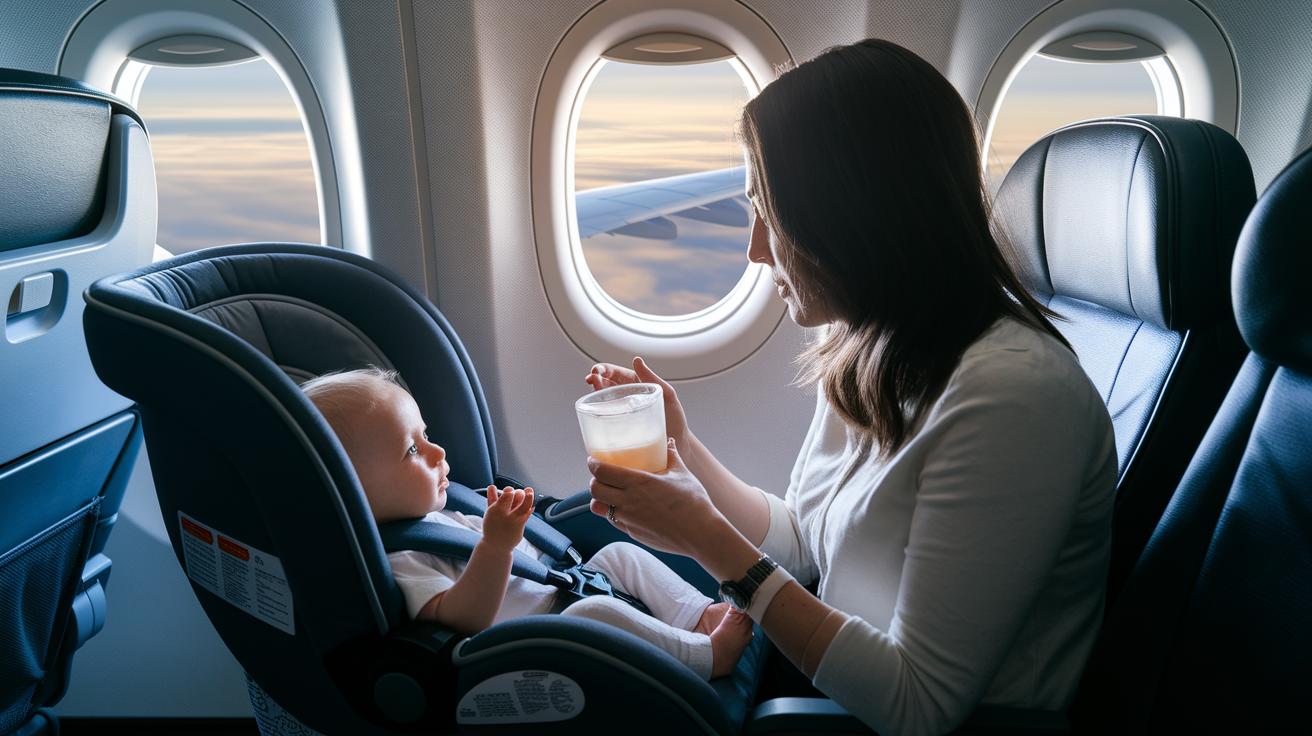
Stick to your baby's daily routine even when you're on the move. Try feeding during takeoff and landing; doing so helps ease the pressure changes in the cabin and can prevent ear pain. Also, pack an insulated cooler to keep breastmilk or frozen formula fresh for up to 24 hours. This way, you'll always have nutritious feedings ready, no matter where you are.
Adjust your schedule gradually. For every time zone hour you cross, shift nap times by about 30 minutes. This slow change helps your baby adapt without getting overtired. A small white-noise machine set at 50 to 60 decibels can mimic the quiet of home, making new surroundings feel more comforting.
When it's time for sleep, consider swaddling your baby or using a travel-safe sleep sack in a Pack 'n Play or bassinet. This added snugness can help your little one settle down more easily. Keep your bedtime routine as consistent as possible, a soft lullaby, dim lighting, and a favorite comfort item can go a long way in calming your baby.
Following these simple tips can make both feeding and sleeping less stressful while traveling. With a routine that's close to normal, you and your baby can enjoy the journey with less worry and more smiles.
Entertaining Infants During Travel

Keep your baby amused with small, lightweight activities that fit easily in your carry-on. Try packing three to five soft fabric books with bold, high‑contrast images. These books entertain your little one while also helping with visual development. Picture your baby’s curious eyes lighting up at each bright, simple shape.
Switch things up when fatigue sets in by introducing a new toy. Clip‑on teething rings or a sensory board book that snaps onto your stroller work great. These items not only distract but also soothe your baby during long waits or flights.
Sing a familiar song or play a gentle lullaby playlist on your phone to calm your child in busy terminals and cramped cabins. You might also enjoy a game of peek‑a‑boo using a lightweight muslin cloth, it’s an easy way to trigger some delightful giggles.
During layovers, consider setting up a pop‑up safety pen for a bit of safe floor time. This little space gives your baby a chance to stretch, move, and explore before your next flight.
Final Words
In the action, this post laid out key pre-trip steps like scheduling a pediatrician visit, securing travel documents, and booking direct flights. It offered smart gear choices, organized packing guidance, and clear airport and road travel strategies. We even covered managing sleep and feeding routines to keep your little one comfortable throughout the trip.
These travel tips for traveling with infants give you a practical plan for a smooth and enjoyable experience. Enjoy every moment of your travels with confidence and ease.
FAQ
How should I prepare for traveling with an infant?
Preparing for traveling with an infant means confirming a recent pediatric visit, ensuring passports or IDs are up-to-date, booking direct flights when possible, reserving bulkhead seats and bassinets early, and checking hotel amenities.
What are essential travel gear items for infants?
Essential infant travel gear includes an FAA-approved rear-facing car seat or CARES harness, a lightweight foldable stroller, a portable travel crib, a hands-free baby carrier, a compact booster, and a white-noise sleep soother.
How can I pack efficiently when traveling with an infant?
Packing efficiently involves organizing a diaper bag with enough diapers, wipes, extra outfits, and supplies like formula, clean bottles, blankets, and pacifiers while using zip-lock bags for soiled clothes.
What tips help navigate airports when traveling with an infant?
Navigating airports means taking advantage of TSA rules for liquids, requesting family or assisted screening lanes, pre-boarding to settle your infant, and knowing the location of nursing rooms and family restrooms for a smoother experience.
What are some strategies for road trips with infants by car?
Road trip strategies include limiting driving stints to 2–3 hours with short breaks, using a correctly installed rear-facing car seat, aligning nap schedules with driving stretches, choosing stops with infant-friendly facilities, and maintaining a comfortable cabin temperature.
How can I manage infant sleep and feeding during travel?
Managing infant sleep and feeding involves feeding during takeoff and landing to ease ear pressure, storing breastmilk in a cooler, adjusting nap times slightly for time zones, and keeping familiar bedtime rituals with dim lights and lullabies.
What ways can I entertain my infant during travel?
Entertaining infants on the go means bringing a few soft fabric books, one new toy to spark interest midway, clip-on teething rings, sensory board books, simple songs, and setting up a safe play area during layovers for active yet quiet fun.