

Ever had a sudden flight delay throw you off? It happens to the best of us. When travel plans get disrupted, a quick response can help you regain control. Using real‑time flight apps and clear, step‑by‑step actions, you can rebook your flight and adjust your plans without missing important events. This guide offers practical tips to help you handle delays and cancellations smoothly, so you can stay calm and ready for whatever comes next.
Immediate Steps to Manage Travel Delays and Cancellations
When you find out your flight is delayed or canceled, act fast. The FAA has cut back on air traffic at 40 major U.S. airports, so changes can happen in a flash. The best move is to download your airline’s app and check in about 24 hours before you fly. Also, use tools like FlightAware for real-time updates. If your app still shows the aircraft parked at the gate, it could be a sign of a delay. Reacting early can help you avoid wasting time.
Follow these steps right away:
- Check your flight status often as your departure time nears.
- Watch for warning signs, such as the airplane not moving from its gate on time.
- Use the app’s rebooking feature or call the airline’s 24/7 support as soon as you hear of a delay.
- Keep calm and explain your situation clearly when speaking with support agents; staying cool usually speeds up the process.
- Adjust your schedule by planning important meetings or appointments for the next day.
- Get to know your airline’s refund rules and compensation options in advance. Knowing your rights can make a big difference if extra costs come up.
Taking quick, clear action can cut down on stress during travel disruptions. For example, when I got a delay alert once, I immediately called support and rebooked onto the next flight instead of waiting in long lines. This swift, calm approach makes all the difference when plans change unexpectedly.
Preventive Planning: Preparing to Avoid Travel Delays and Cancellations
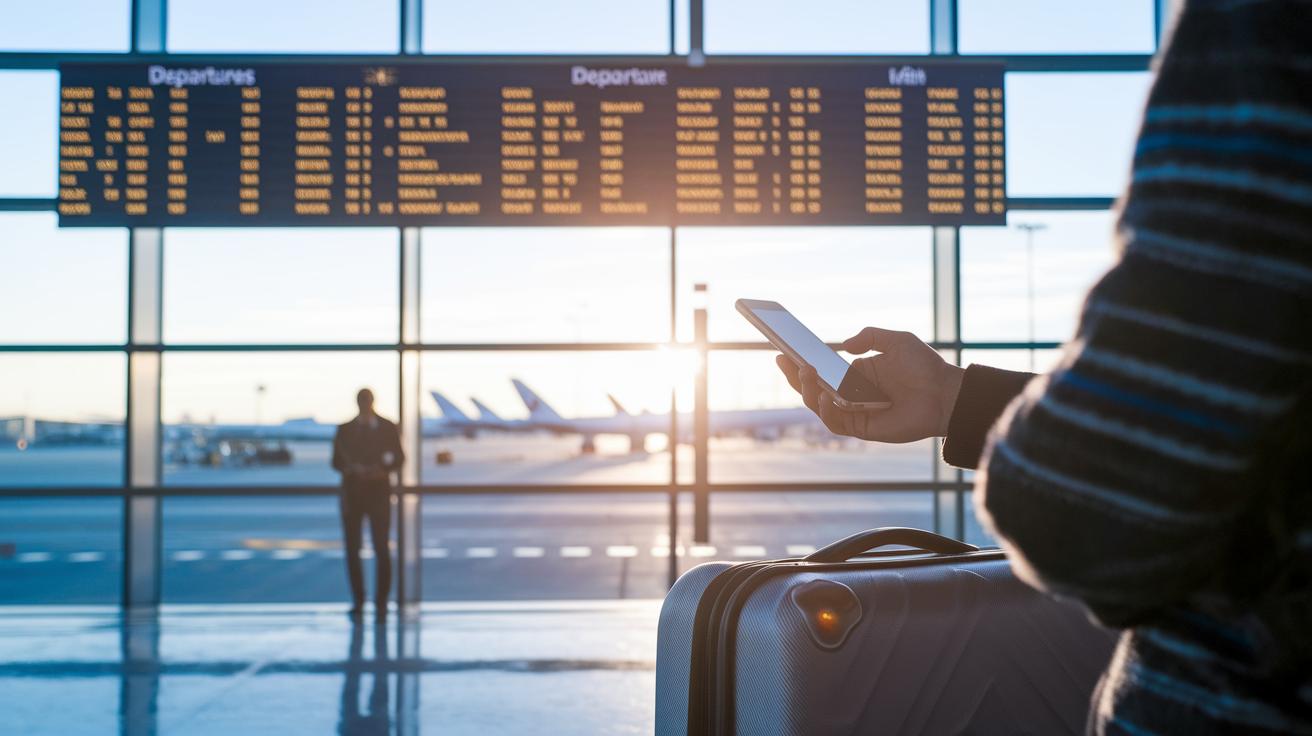
Before booking your ticket, check the U.S. Bureau of Transportation data to see how often your flight runs on time. Early-morning flights usually have fewer delays and can cost less since there are fewer planes in the sky. Stay updated with real-time departure alerts to catch any issues quickly, and consider signing up for alerts from your airline or a trusted app.
Plan your trip with care. Look up the weather at both your departure and arrival airports because bad weather like winter storms or heavy rain can slow things down. Packing only a carry-on can help reduce problems if there’s an unexpected change. You might also add a tracking device like an Apple Airtag to your bag so you can locate it fast. For more ideas, check out links to top travel gadgets or budget travel tips on packing light.
Sign up for TSA PreCheck, CLEAR, or Global Entry to ease your way through security checks. With early planning, constant schedule monitoring, and timely alerts, you'll be ready for any hiccups. Keep your itinerary flexible and allow extra time for alternative routes if needed.
Understanding Passenger Rights and Contacting Your Carrier
When your travel plans are upset by a delay or cancellation, knowing your rights can really help you. Airlines must offer you a seat on the next available flight and may also provide meal vouchers or a hotel room if you need to stay overnight. It helps to review your airline’s delay and cancellation rules so you know if you qualify for a refund, a voucher, or even an upgrade. Knowing your benefits can give you extra confidence when talking with customer service.
Airline customer support is ready to help around the clock. You will usually find a phone number (for example, 0118 970 7574) and an email contact. Replies often come within 12 hours, but using an in-app chat or a loyalty hotline might get you a faster response. If you’re stuck at the airport during a delay, speaking with a live agent right away can help secure your spot on the next flight and get you any compensation you deserve.
Steps to follow right away:
- Call or use the in-app chat for fast, real-time help.
- Ask if you qualify for meal vouchers, hotel accommodations, or a refund.
- Keep a record of all your communications for future reference.
Using Travel Insurance and Filing Compensation Claims

If your flight is delayed 3 to 6 hours or more, your premium credit card might cover extra costs like meals, lodging, and transport. Some travel insurance policies also help cover missed connections, cancellations, or emergency hotel stays. These protections can make a big difference when plans go awry.
Keep a clear record of everything. Write down extra expenses and hold on to receipts, emails, and texts you have with the airline or your insurance company. Good documentation makes it easier to file your claim.
Submit your claim quickly through your insurer’s online portal or via your credit card’s claim form. This helps speed up the refund and compensation process.
Here are some simple steps to follow:
- Gather all your receipts and communication records.
- Fill out the claim forms carefully.
- List each cost that you incurred due to the delay.
- Submit the claim using the correct channel.
- Follow up in about 30 days if you haven’t received a response.
Filing your claim promptly and keeping an eye on its progress helps you recover costs during stressful travel times. For example, if a delay forces you to book an extra night at a hotel, having your receipts and notes on the delay makes it easier to get reimbursed.
Arranging Alternative Routes and Accommodations After Delays or Cancellations
If your flight is canceled, act fast to find another route. Look into booking a direct flight or switching airlines, even if a change fee or fare difference applies. Sometimes a direct flight or a different carrier can get you to your destination quicker, saving you both time and hassle. Also, check nearby airports. This can give you extra options when rebooking, especially if your main airport is busy.
For a layover or overnight stay, consider a hotel near the airport. Choose one with free cancellation 1 to 3 days before your stay. That way, if you get rebooked, you’re not stuck with a non-refundable booking. Also, ask your airline about getting added to the standby list or any seat reassignments. These options often help you catch the next available flight without too much delay.
In short, always have a backup plan. Keep a list of alternative airports, flights, and lodging choices. Being prepared can ease travel disruptions and help you continue your journey with minimal delay.
Top Apps and Digital Tools for Managing Travel Delays and Cancellations

Airline apps are your go-to tool when travel disruptions hit. They don’t just speed up check-in, they also send you live flight updates. For example, if your flight is suddenly delayed, the app lets you rebook right away. This quick fix helps you dodge long lines and reduce waiting time.
Flight tracker apps like FlightAware keep you in the loop with current gate details and delay forecasts. They let you know early if your flight might run into trouble, even before you leave home. Keeping tabs on these apps is a smart way to avoid surprises.
Apps for TSA PreCheck, CLEAR, and Global Entry help you keep track of your security status and when your memberships need renewal. They alert you ahead of time to keep your benefits active and ensure smooth, expedited screening. This means less stress and more time for what matters.
Itinerary apps such as TripIt or Google Travel store your tickets, receipts, and all your travel documents in one spot. When you need to rebook a flight or file a claim, everything is right at your fingertips. Having these digital copies can be a lifesaver, especially when you need to claim compensation later.
Using these digital tools makes handling travel mishaps a whole lot easier. They work together to help you adjust quickly when delays or cancellations hit, keeping your travel plans as smooth as possible.
Real-Life Examples of Managing Travel Delays and Cancellations
In November, the FAA reduced traffic at 40 major hubs, leading to many unexpected cancellations. One traveler received a delay alert on their airline app and quickly rebooked online. This simple step saved them from waiting hours at the counter. Another business traveler faced a delay of more than two hours that threatened an important meeting. Instead of waiting in a busy terminal, they shifted the meeting to a virtual call, saving precious time and reducing stress.
Some passengers planned ahead by reserving refundable hotel rooms near the airport. When their flights were canceled overnight, they used these flexible bookings and avoided extra costs. By keeping an eye on real-time alerts and having backup plans ready, many travelers managed delays and cancellations with far less hassle.
Final Words
In the action, this article offered quick strategies for handling travel disruptions and rebooking options. It covered immediate steps for delays, preventive planning to lessen disruption, and tips on understanding your rights. You read how to use apps, travel insurance, and detailed examples to minimize stress when plans change. Now you have clear ideas on how to manage travel delays and cancellations. Stay calm, use available tools, and keep key details at hand. These methods help set you up for smoother trips and less stressful travel changes.
FAQ
How do I manage travel delays and cancellations for international trips, United, JetBlue, and American Airlines?
Managing delays means checking your flight status 24 hours before departure. Download your airline’s app and use real-time tracking tools to monitor changes. Use in-app rebooking and 24/7 support if a delay or cancellation occurs.
How do I get compensation for a delayed flight using DOT charts and compensation calculators?
Getting compensation starts by checking eligibility with the DOT flight delay chart. Use a flight delay compensation calculator to estimate potential claims, and then follow your airline’s claim procedures for reimbursement.
What are the new rules for airline delays and cancellations and what am I entitled to?
New rules require airlines to offer rebooking or refunds, plus meal vouchers and hotel rooms during overnight stays. Your rights depend on the delay duration and the airline’s policy on cancellations.
What is the DOT 3-hour rule?
The DOT 3-hour rule means that if your flight is delayed by three hours or more, you might qualify for compensation, depending on flight type and airline policy.