

Have you ever wondered why the rules for carry-on liquids seem so strict? It all started after a major security scare in 2006 that changed airport procedures. The TSA then set up what they call the 3-1-1 rule. Basically, you can only bring liquids that fit within one clear, quart-sized bag. That means your shampoo, cologne, and lotion all need to share this one bag. By following these simple steps, you’ll pack smart and breeze through security. Read on to learn how to pack with ease and stay compliant for your next trip.
TSA 3-1-1 Rule Explained for Carry-On Liquids
The 3-1-1 rule means you can only bring liquids, aerosols, or gels in containers no larger than 3.4 ounces (100 ml). The "3" stands for the size limit per container. The first "1" means you need to pack all these items in one clear, quart-sized bag (about 1 liter in capacity). The last "1" reminds you to stick with one bag per passenger. Picture it like putting your travel shampoo, cologne, and lotion into one small, orderly bag instead of having them spread out in your carry-on.
These limits were put in place back in 2006. Authorities discovered a scheme that involved using liquids to make explosive devices. To keep flights safe, security experts decided to allow only small amounts of liquid. This makes it easier at the checkpoint because TSA can quickly scan and secure each bag. In short, the rule helps keep everyone safe while also making the security process smoother and more predictable.
Permitted Carry-On Liquids and Container Size Limits

When you fly, pack your liquids, gels, and aerosols in containers that hold no more than 3.4 oz (100 ml) each. Items like shampoos, lotions, and perfumes should fit into one clear, resealable quart-sized bag, which is usually about 7″×8″ and holds roughly 1 liter – that’s about seven small bottles, or 25 oz total.
TSA 3-1-1 Additional Details
All items must follow the 3-1-1 rule except for liquids that are completely frozen. For instance, an ice pack is allowed if it remains solid. But once it thaws or turns slushy, it must stick to the 3.4-oz limit. If a product is larger than allowed, you may need to pack it in your checked luggage.
Packing Tips and Approved Bottle Recommendations for Carry-On Liquids
Pack your liquids smartly to breeze through airport security. Use lightweight, leak-proof bottles that cut down on spills and extra weight. These TSA-approved containers hold up to 3.4 oz (100 ml) each, so your personal care items stay within the rules. Keep them in a clear, sealable quart bag to keep everything tidy. Most quart bags can hold around seven small bottles, which helps you pack more efficiently.
For even easier screening, store your quart bag in an outer pocket of your carry-on. This way, you can easily slide it out at the checkpoint without having to dig through your bag. Having a dedicated spot for your liquids speeds up the process and helps you avoid delays. Arrange your bottles carefully to prevent leaks or spills that might cause extra screening. Think of your quart bag as both a protective case and a smart solution to meet TSA standards.
Below are some simple, straightforward packing tips to improve your travel experience:
- Choose TSA-approved, leak-proof bottles.
- Fill each bottle to about ¾ of its capacity to allow for expansion.
- Label your bottles with the contents and date.
- Secure caps by double-sealing with tape or plastic wrap.
- Group similar items together inside the bag.
- Use a color-coded quart bag for medicines if needed.
- Keep the clear bag easily accessible in your carry-on.
Exceptions and Special Carry-On Liquids Rules
Medical and Medication Exemptions
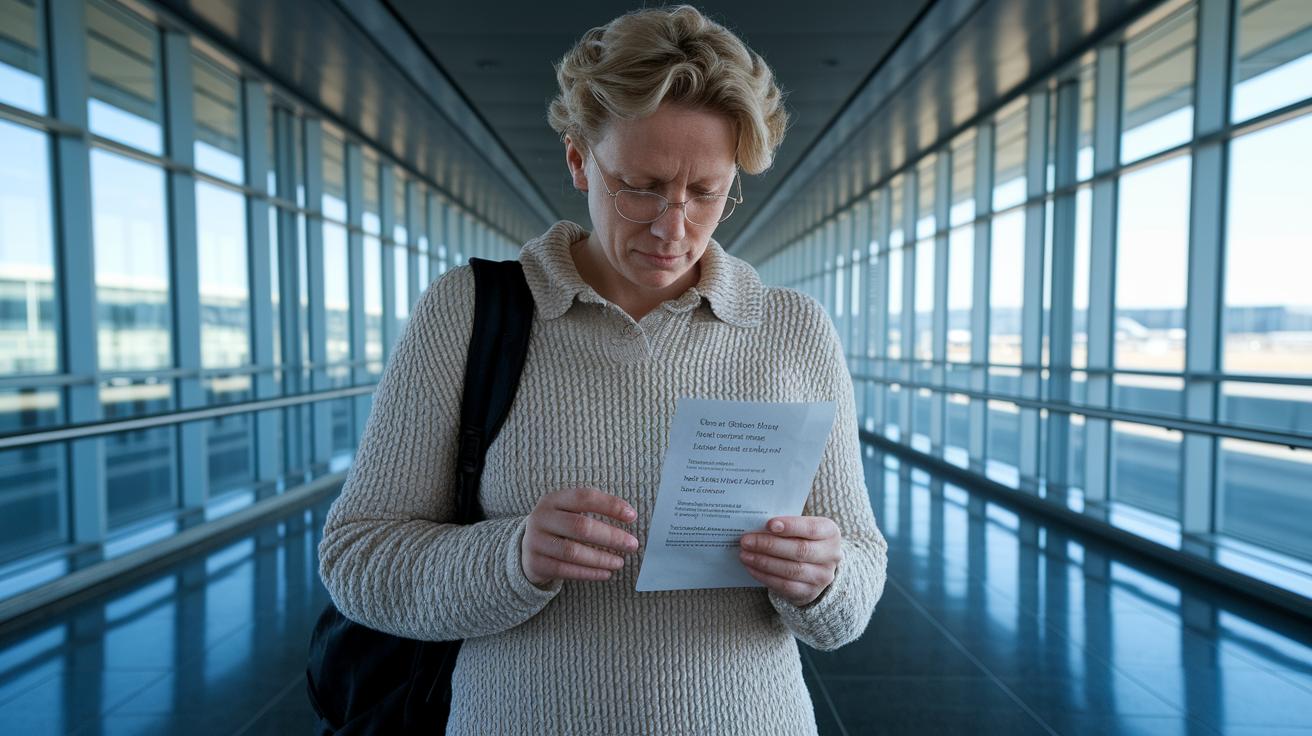
You can bring prescription and non-prescription medicines in amounts larger than 3.4 oz as long as you tell security. Just keep your pills and liquids in their original, clearly marked bottles or boxes. For example, pack your important medicines with your travel documents and be ready to explain what each is for. A doctor’s note or prescription label can help speed up the screening, so you don't face delays while keeping your essential medications with you.
Baby Formula, Breast Milk & Juice Exemptions
Parents can carry extra baby formula, breast milk, or juice for their little ones. These items are allowed to go over the 3.4 oz limit if you declare them at the checkpoint. Make sure they stay in their original packaging to ease the screening process. For example, keep your infant's formula in a clear, easy-to-see spot in your carry-on so TSA agents can check it quickly. This clear setup helps avoid mix-ups and delays.
Frozen Liquids and Duty-Free Purchases
Completely frozen liquids are not considered liquids under the rules. However, if they start to melt or become slushy, they must meet the 3.4 oz limit. Duty-free liquids are allowed if they are in tamper-evident bags with the seal intact. If the seal is broken or the liquid has started melting, then those items might lose their special exemption.
International Variations in Carry-On Liquids Rules
Travelers around the world face limits on liquids in their carry-on bags, though the details can change a bit from one region to another. In the European Union and the United Kingdom, the rules are very similar to the TSA guidelines. Every container must be no larger than 100 ml (3.4 oz), and all your items need to fit in a clear 1-liter bag. Pack your approved bottles neatly to ease your airport experience, think of it like arranging your favorite travel-size perfume and lotion just right.
In Canada, the rules follow the guidelines set by CATSA. You still have a 100 ml limit per container, and everything must fit into a 1-liter bag. Meanwhile, in Australia and New Zealand, there's a small twist: duty-free liquids bought at the airport can come in sealed, tamper-evident bags even if they are over 100 ml. This exception helps if you pick up extra liquids, as long as the seal is not broken.
China, Japan, India, and the UAE also stick to the 100 ml-per-container rule. However, the way they arrange screening signs and checkpoints might be different. Picture it as packing your travel-size bottles to meet the same size rule, but being ready for a slightly different process at each airport.
Knowing these key details can really make your trip smoother. For example, check your shampoo bottle at home to be sure it meets the 100 ml mark, this simple step can help you breeze through security and enjoy your journey without any extra hassle.
Troubleshooting and Common Mistakes with Carry-On Liquids Rules
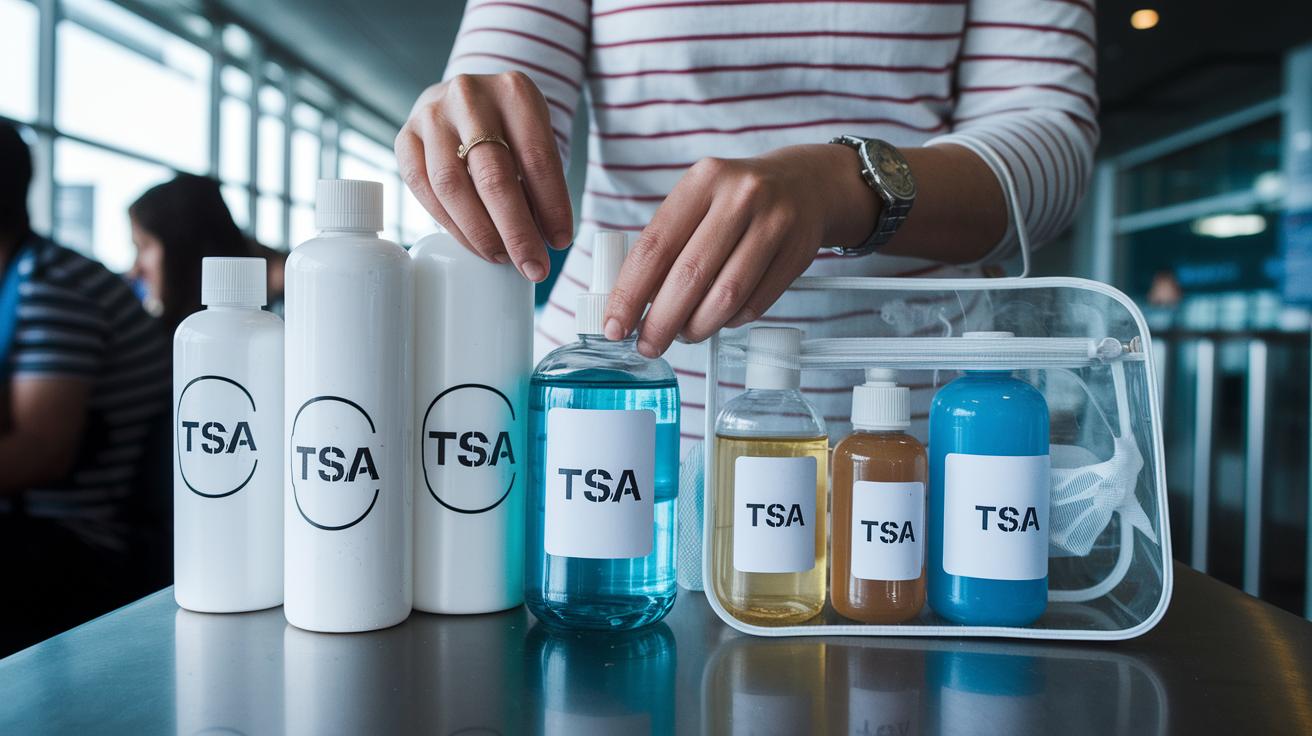
When you pack liquids, even a small mistake can lead to a big hassle at security. Overfilling bottles is one easy trap. If a bottle is filled to the top instead of about three-quarters full, the liquid can spill or cause the bottle to be rejected.
Here are some common errors that can delay your trip:
- Overfilled bottles or bags you cannot reseal may be taken right away.
- Carrying more than one quart-sized bag breaks the one-bag rule.
- Some airlines have even tighter limits. Always check your airline’s rules before you pack.
Make sure every container you pack is labeled clearly and sealed tight. Use TSA-approved measurements and keep your bag from being overstuffed. If you have extra liquids, better pack them in your checked luggage. Take a moment to review each bottle at home before you head out. This way, you can avoid delays and unnecessary stress at the airport.
Final Words
In the action, the article broke down TSA’s 3-1-1 rule, explained why the limits exist, and detailed the sizes allowed in carry-ons. It covered packing strategies, exemptions for medications and special items, and even compared rules across regions.
The guide also highlighted common mistakes that can delay security checks. Following these steps can help reduce stress at the airport. This complete guide to carry-on liquids rules serves as a practical tool for any traveler aiming for a smoother, more efficient flight experience.
FAQ
What is the complete guide to carry-on liquids rules international?
The complete guide explains that many airports, including those following TSA guidelines, limit carry-on liquids to 3.4 oz (100 ml) per container in a clear 1-liter bag.
What is the maximum liquid allowed in a carry-on airplane?
The maximum carry-on liquid follows the TSA’s 3-1-1 rule—each container must be 3.4 oz or less, and all must fit in one 1-liter, clear resealable bag.
How much liquid can you take on a plane in checked baggage?
Checked baggage has looser restrictions. You can pack more liquid, but flammable or hazardous items remain strictly regulated. Always check your airline’s specific guidelines.
What does the 3-1-1 liquids rule mean?
The 3-1-1 rule means each container is 3.4 oz (100 ml), all containers must fit in 1 quart (1-liter) bag, and each passenger is allowed one bag for liquids.
What are the TSA carry-on liquid rules?
TSA rules require that liquids in carry-on bags come in containers of 3.4 oz or less and fit into a single clear, resealable 1-liter bag for quick and easy screening.
Does TSA consider deodorant a liquid?
If your deodorant is in gel or aerosol form, TSA classifies it as a liquid and it must follow the 3.4 oz limit in your quart bag.
What is a quart-sized bag?
A quart-sized bag is a clear, resealable plastic bag that holds up to 1 liter, designed to contain all your liquid items for easier screening at security.
What liquids are prohibited in checked baggage?
Prohibited liquids in checked baggage include flammable items and dangerous chemicals. It’s best to review your airline’s updated guidelines before you fly.
How many 3 oz bottles can I bring on a plane?
You can bring up to seven 3.4 oz containers provided they all fit within your single 1-liter quart bag as specified by TSA rules.
Does toothpaste count as a liquid?
Toothpaste is treated like a liquid gel by TSA, so travel-sized tubes of 3.4 oz or less are required for carry-on, leaving larger sizes for checked baggage.
Do pills have to be in their original bottles when flying?
Pills do not have to be in original bottles, but using labeled containers can help speed up the screening process.
What are the current rules for flying with liquids?
Current rules limit carry-on liquid containers to 3.4 oz that must fit in a clear 1-liter bag, with exceptions for medications, baby formula, and sealed duty-free items.