

Ever wonder if the seat you choose could make your flight feel like a mini-vacation? The right spot can help you relax and feel fresh even on the longest trips. In this guide, we break down how to pick a comfy seat by looking at key factors like legroom, noise, and seat style (for example, window versus aisle). Small details, such as a pleasant view or an easy exit, really add up. Choose wisely, and your flight can turn into a smooth, enjoyable escape from start to finish.
Essential Criteria to Choose the Most Comfortable Airplane Seat
Picking your seat can change your whole flight experience. It really affects how relaxed you feel, especially on long trips. Some people love watching the world go by from a window, while others need the quick exit an aisle seat offers. Even the smallest change in seating can make a big difference.
Different airplane designs also play a big role. For example, a 3-3 layout on an Airbus A320 or a 3-4-3 on a Boeing 777 can mean different comfort levels. Seats at the front are usually quieter because they are farther from the engines and busy spots. So, think about how much noise you can handle when you book.
Consider these points when choosing your seat:
By checking these seven points before booking, you can choose the seat that fits your needs best. For example, if you need extra room to stretch, knowing the seat pitch in advance helps a lot. Focusing on these details can help ensure a more relaxing and comfortable flight.
How Aircraft Configuration Influences Seat Comfort
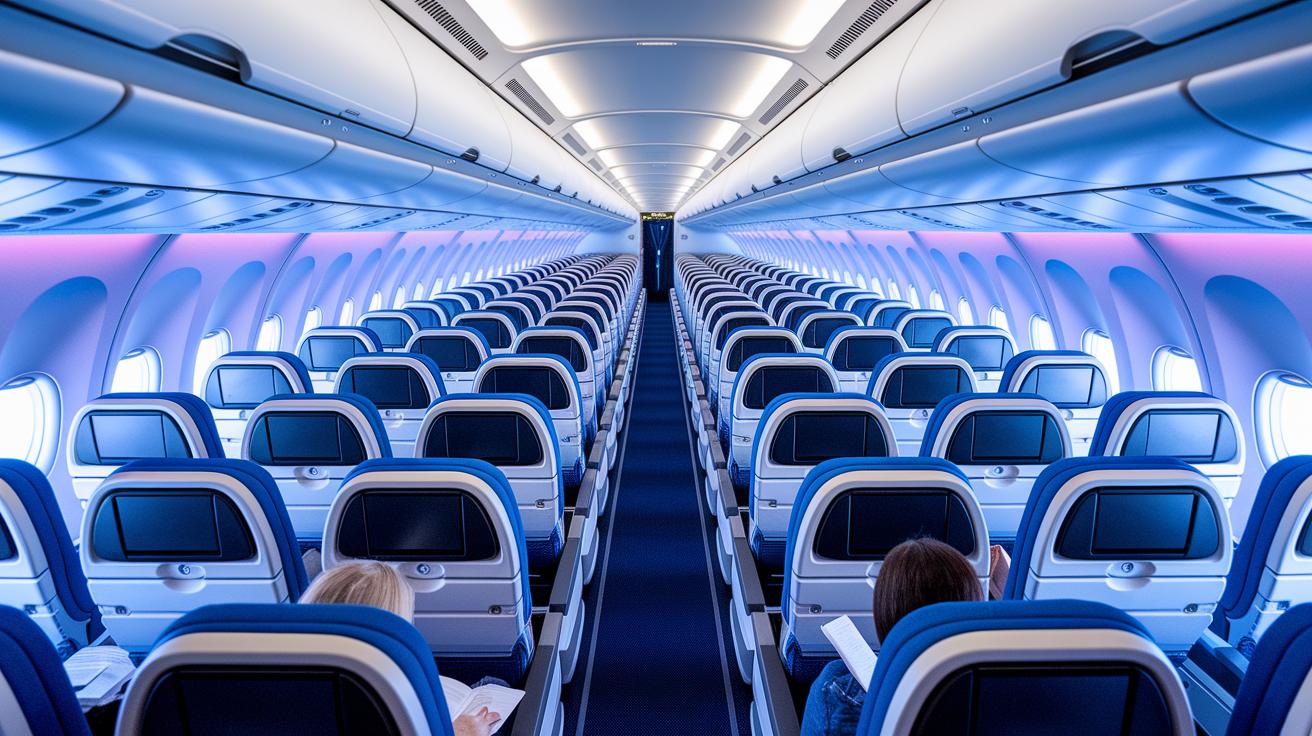
Different planes come with varied cabin layouts that can change how comfortable you feel during your flight. For example, the Airbus A320 usually has a 3-3 setup, meaning three seats on each side of the aisle. Bigger planes like the Boeing 777 or Airbus A350 might use arrangements such as 3-4-3 or 2-4-2. With more seats in a cabin, passengers often sit closer together, which can affect your overall comfort.
The width of the plane is a key factor too. A wider cabin generally gives you extra shoulder space, letting you relax more easily. On a narrow plane, there is less room to stretch out, and the seating can feel tighter, especially on long trips. This is why it helps to know the aircraft type when picking your seat.
Other factors, like bulkhead walls and row spacing, also play a role. Bulkhead seats, which are right behind a divider, often offer extra leg space but can limit storage under the seat. The distance between rows (seat pitch) affects how freely you can stretch your legs and move about. Checking these details before booking can make a big difference in how pleasant your flight is.
Seat Location Options: Bulkhead, Exit Row, Window vs Aisle
Your seat choice can really change your flight experience. Each spot has its own perks and drawbacks. For example, a bulkhead seat gives you extra legroom, an exit row gives a bit more space, a window seat offers privacy and a view, and an aisle seat makes it easy to get up when you need to move.
Bulkhead Seats
Bulkhead seats are right behind a fixed divider. They give you extra room to stretch out, which can be a real blessing on a long flight. Keep in mind that the armrests are fixed and you usually don’t have space under the seat for storage. Fun fact: many tall travelers choose these seats because that extra legroom can really make a difference, even if storage is tight.
Exit Row Seats
Exit row seats are next to the emergency exits and come with more space between rows (pitch). This extra room helps you stretch out during the flight. However, there are special rules you need to meet, and you might feel a bit of a cool breeze near the exit. These seats work best if you need plenty of legroom.
Window Seats
Choosing a window seat means you get a private spot with a nice view. You can lean against the side of the plane for extra support. The downside is that it can be harder to get up and move around. If you enjoy watching the scenery and want some privacy, this seat might be the right pick.
Aisle Seats
Aisle seats offer easy access to the rest of the cabin. They’re ideal if you like to stretch your legs or visit the restroom often. On the other hand, being close to the aisle means you might encounter more people walking by. This seat is best if you value convenience over privacy.
| Seat Type | Pros | Cons |
|---|---|---|
| Bulkhead Seats | Extra legroom, spacious feel | Fixed armrests, limited under-seat storage |
| Exit Row Seats | More pitch, extra space for stretching | Strict requirements, possible cool drafts |
| Window Seats | Private view, extra leaning support | Tougher access to the aisle, less mobility |
| Aisle Seats | Easy access, great for moving around | More foot traffic, less secluded |
Evaluating Seat Features: Legroom, Recline, and Cushioning
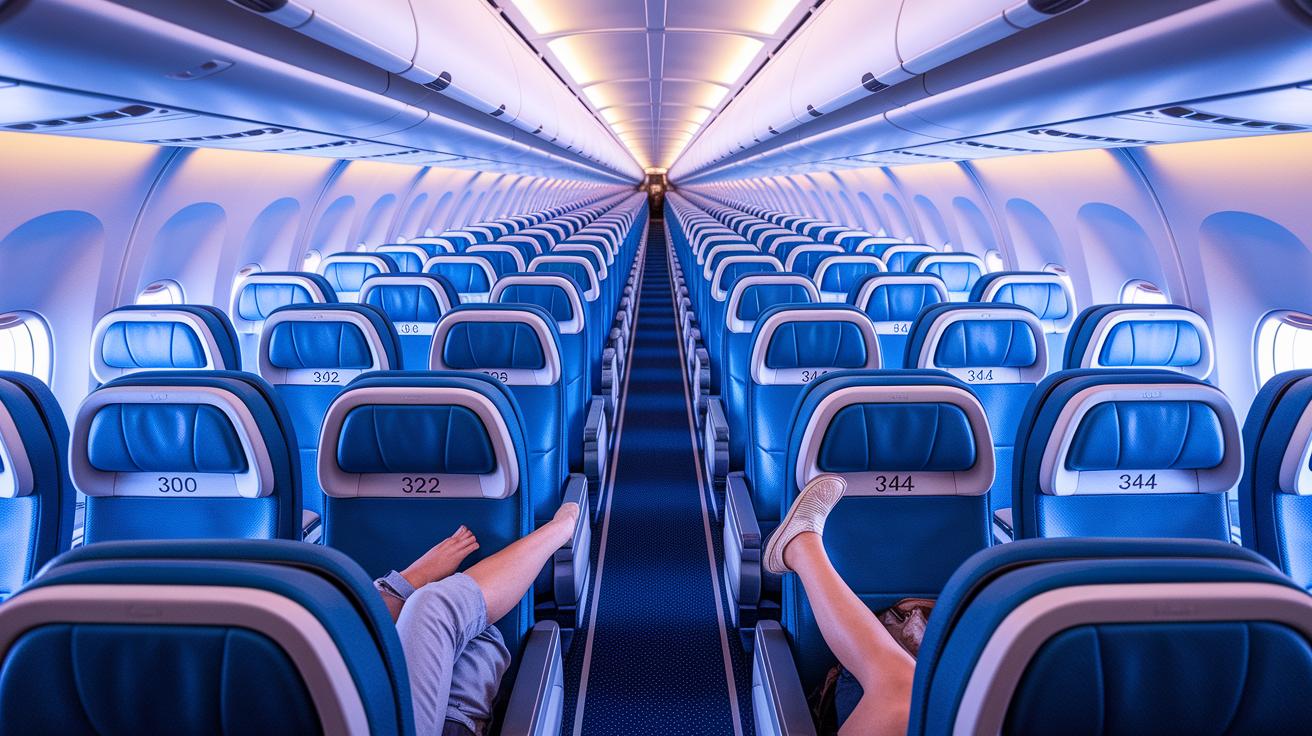
When checking seat pitch, look at the numbers the airline shares. In economy, seats usually show between 30 and 32 inches of pitch. Some exit rows even offer over 34 inches so you can stretch your legs. This value tells you how much space there is between rows. It’s a simple way to compare legroom. Looking over detailed seat maps or airline specs can help you choose the best seat. For example, one frequent flyer said a 2-inch extra pitch made a six-hour flight feel much easier.
Next, take a look at how far the seat leans back and if you can adjust the back support. Seats can shift anywhere from 2 to 6 inches based on the class and type of aircraft. This can change how relaxed you feel on your trip. A seat with adjustable back support can be the difference between feeling cramped or truly comfortable. Reading customer reviews or testing the seat if you can may give more clues.
Lastly, check the cushioning quality, type of foam, and how the headrest works. Carriers use different types of foam and offer various headrest adjustments, and these factors affect comfort on long journeys. Some seats even let you customize lumbar support and have headrests meant to reduce strain. One traveler noted that upgrading to seats with better cushioning turned an exhausting flight into a soothing experience.
Comparing Cabin Classes for Ultimate Comfort
Economy seats give you a basic setup with limited legroom and narrow seating. Premium economy steps things up with an extra 2 to 4 inches of legroom and wider seats. This extra space can really help if you want a little more room without spending as much as you would for higher cabins.
Business class takes comfort even further. Most business class seats can be angled or even fully flat, turning into a bed. They provide more leg and shoulder room, and you might find extra storage, privacy screens, and adjustable lighting. These features can make a long flight feel much more relaxing.
First class often feels like a private room in the sky. Many seats come as enclosed suites that turn into a bed, complete with soft cushions and fine linens. They usually offer adjustable lighting, quiet zones, and smart storage options. This cabin is designed to make you unwind completely while traveling.
Before you decide on an upgrade, think about how long your flight is and how much space you need. Premium economy is a great middle ground, while business and first class deliver a luxurious experience that can really make a difference on longer trips.
Booking Strategies and Cost-Benefit Analysis of Seat Upgrades
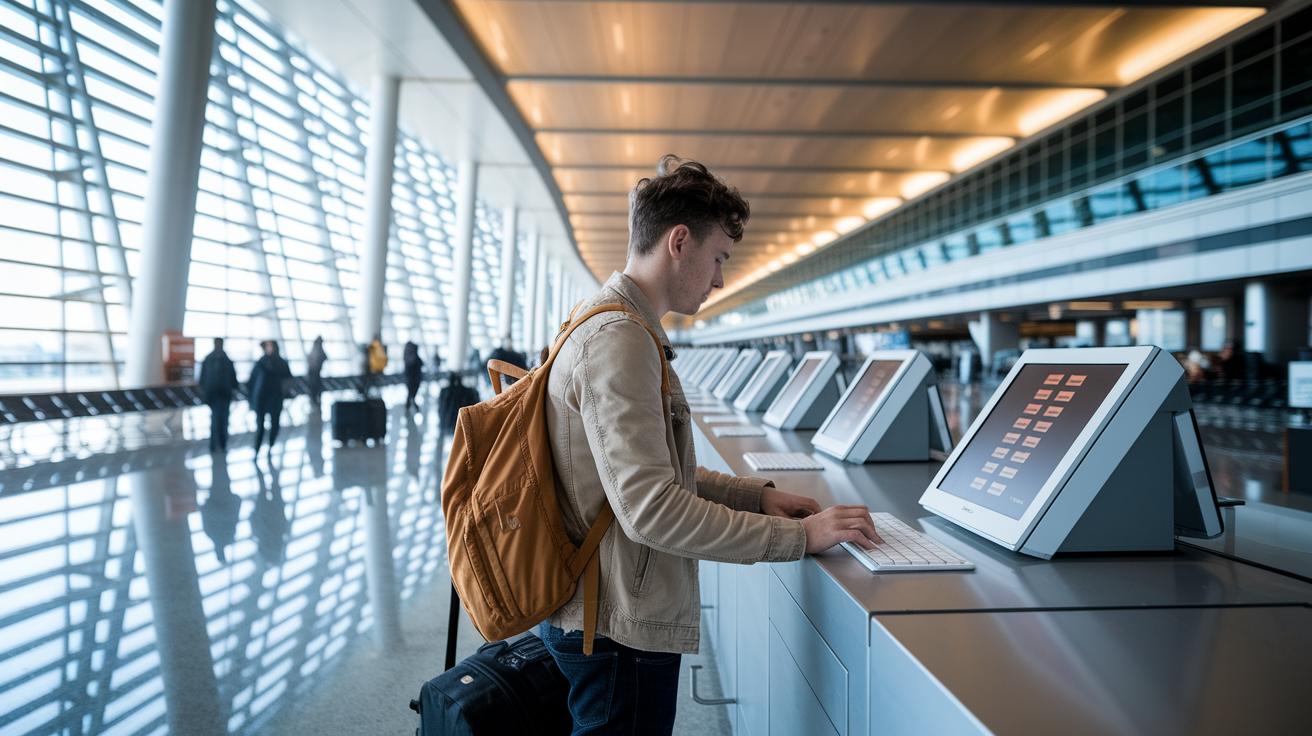
Booking your flight early can save you extra fees and secure a seat that suits your comfort needs. Many airlines charge more if you wait too long to choose a seat. Checking in as soon as the window opens can pay off since seat options may improve closer to departure. One traveler shared, "I booked my seat as soon as check-in opened and found the perfect extra-legroom option without paying a premium." Acting early not only saves money but also gives you a better chance at getting the seat you want.
Look into loyalty programs and bundled fare options to boost your booking experience. Some airlines let elite members pick seats for free or offer special upgrade deals when you check in online. Keeping an eye on account notifications or personalized emails might reveal affordable upgrade options, even on newer aircraft like the Airbus A220 (a modern twin-engine airplane). This strategy helps you make the most of your loyalty benefits while keeping your travel costs low, so you can enjoy a more comfortable and stress-free flight.
Utilizing Seat Maps and Reviews for Informed Choices
Travelers now have handy online seat maps and review sites to help pick the best seat. These websites show ratings, comfort features, and overall travel tips in a clear, easy-to-use way. One reviewer even said, "The interactive map clearly showed how close each seat was to the lavatories and galley, helping me avoid noisy spots." They display the seating layout, space between rows, extra legroom options, and even note issues like seats that don’t recline much.
Before you lock in your seat, it helps to read what other travelers have to say. Many comments highlight problems like tight armrests, seats that don’t recline enough, or places that suffer from heavy foot traffic. Reviews might warn that seats near the wing can be noisy or that sitting close to the restroom might disturb your peace. Looking at several reviews lets you get a real feel for each seat. This way, you can choose a seat that meets your need for quiet or extra space and enjoy a more relaxed flight. Plus, review sites update their info all the time to give you the latest insights.
Final Words
in the action, our guide explored key factors shaping your in-flight comfort. We broke down how cabin layouts, seat types, and booking tactics affect your ride, covering everything from legroom and noise levels to bulkhead and exit row perks.
We also looked at using seat maps and reviews to make each flight smoother. With these practical insights, you now have a clear path to how to choose the most comfortable airplane seat and boost your travel experience. Enjoy a more relaxed flight every time you travel!
FAQ
How to choose the most comfortable airplane seat on Reddit, international flights, Delta, American Airlines, or in general?
Choosing a comfortable airplane seat means checking legroom, seat pitch, and traveler reviews on sites like Reddit. Research carrier-specific guides for Delta, American, and international options to pick your ideal spot.
Which seat is best in flight for view, comfort, and overall ease?
The best seat for view and comfort is often a window seat, which offers a pleasing view and a bit of support when leaning. This choice depends on the specific aircraft layout and your personal priorities.
What are the best seats on a plane in economy and for long-haul flights?
The best economy seats, especially on long-haul flights, are typically those with extra legroom like exit or bulkhead seats. They tend to be quieter and farther from high-traffic areas, giving you a more relaxed ride.
What is the three seat economy trick?
The three seat economy trick refers to selecting a seat in a three-across configuration that maximizes space. It highlights how clever positioning in certain layouts can offer a bit more personal room during the flight.
Which seat should be avoided during a flight?
Seats near lavatories and galleys should be avoided because they experience higher foot traffic and noise. Choosing a quieter section away from busy areas can lead to a more restful flight.