

Ever wonder if your fleet is running as efficiently as possible? Many companies struggle to keep up with maintenance, fuel costs, and ensuring driver safety. A fleet management system works like a smart monitor by tracking every vehicle and trip in real time. It helps you plan the best routes, schedule repairs on time, and avoid extra expenses.
In this article, you'll learn how digital tools can streamline your operations, cut repair costs, and keep your drivers safe, all key to keeping your fleet ready for the road.
Fleet Management System: Definition and Primary Benefits
A fleet management system helps companies take care of their vehicles from start to finish. It uses digital tools like GPS (a system that shows a vehicle's exact location) to track every trip. This system collects details on fuel use and vehicle diagnostics, and it sends out maintenance alerts to avoid major breakdowns or extra costs. Think of it as a smart monitor that keeps an eye on every mile.
Many businesses use these systems to cut costs, boost safety, and follow rules like the Hours of Service and ELD mandates (electronic logging device rules that track driver hours) set in 2017. In fact, more than 75% of fleet managers say these tools help them run operations smoother, lower repair costs, and improve driver safety. Overall, a fleet management system makes the entire fleet easier to manage and helps every vehicle perform at its best.
Fleet Management System: Boost Operational Success
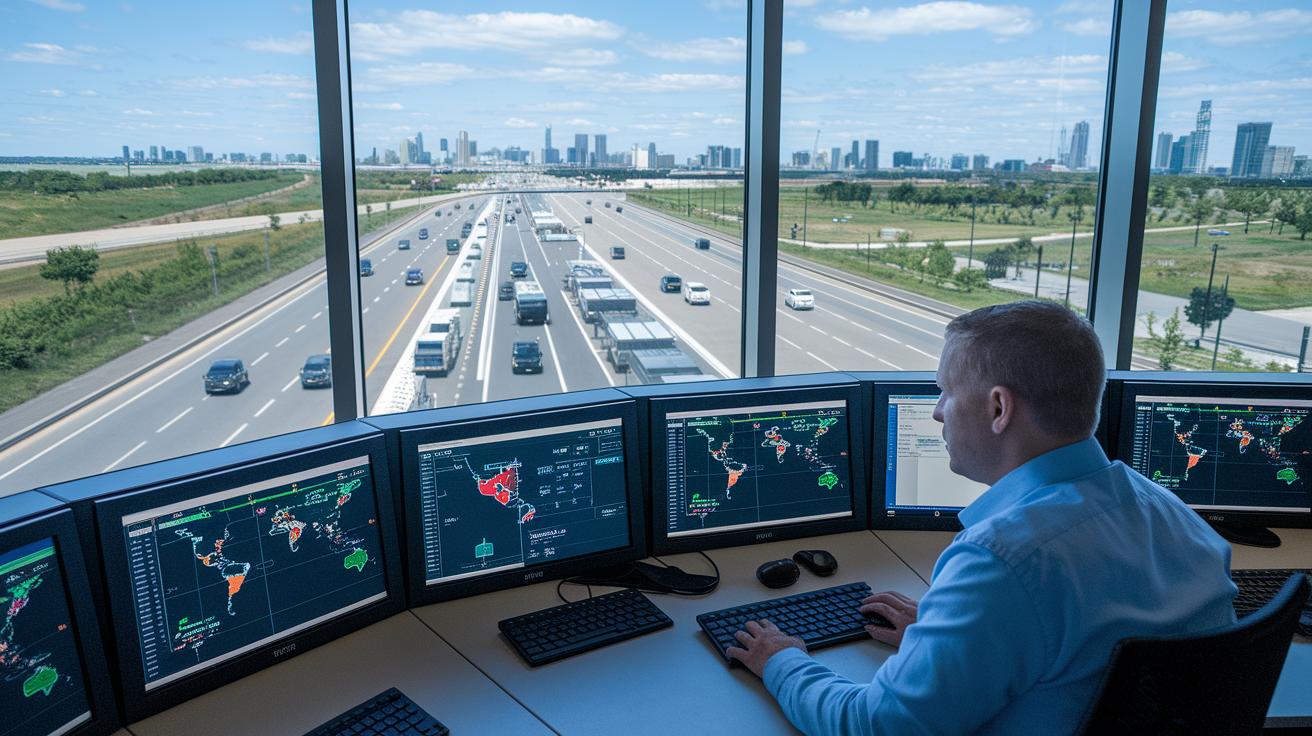
Today’s fleet management systems come packed with tools that give managers real-time insights and control over their vehicles. With these systems, you can plan better routes, cut fuel costs, and keep every vehicle running safely.
- Route optimization tools: They use current weather and traffic forecasts to pick the quickest, safest route.
- Asset maintenance scheduling: Remote diagnostics help you plan repairs in time to avoid expensive breakdowns.
- Fuel consumption analytics: Monitor fuel use in real time to spot and fix inefficiencies.
- Driver performance monitoring: Track how drivers are doing to keep everyone safe and accountable.
- Mobile control interface: Receive alerts and manage operations from any smartphone or tablet.
- Compliance and safety reporting: Generate digital reports to meet rules like ELD (electronic logging device) and HOS (hours of service).
- Real-time telematics solutions: Get live GPS tracking and engine checks for complete fleet visibility.
- Integrated telematics network: Combine data from several sources into one clear, unified system.
Together, these features put all your fleet information in one accessible hub. This integrated approach cuts downtime, boosts efficiency, and helps drivers stick to safety rules. By bringing route planning, maintenance, and reporting together in one system, fleet management tools let you improve operations and save money every day.
Implementation Guide for Fleet Management System Deployment
Rolling out a fleet management system means mixing new tech with your current setup. Many systems now use smart computer programs (AI) to plan resources and manage spare parts inventories efficiently. These platforms are built to grow alongside your business and easily connect with older systems like ERP or CRM software. In short, the process is broken down into clear steps from choosing a vendor to fully switching over, helping you control your fleet better while keeping costs in check.
Vendor Selection Criteria
When picking a vendor, focus on finding a solution that fits your specific needs. Look at features, how easily the system can grow with your business, and how well it connects with the software you already use for transportation management. Compare pricing options carefully. Some systems charge as little as $5 per vehicle, while others may cost about $30 per user each month or provide custom pricing. Always consider the total cost of owning the system over time, and check if there are benefits like cloud connectivity and cost-saving strategies. This careful review will help you choose a solution that meets your goals.
Integration and Data Migration
Making sure the new system works well with your current software is essential. This means linking the fleet management system to your older programs and carefully moving your historical data over without errors. Pick a system with strong integration tools because accurate data is key for on‑the‑spot analysis and guiding improvements in operations. A smooth data migration not only makes route planning more efficient but also helps you get a better handle on your assets.
Deployment and Change Management
The rollout can be successful if you plan well. Start with small pilot tests, provide training for your drivers, and prepare clear step‑by‑step guides for everyone involved. Running a pilot program lets you fix any issues early while building support among your team. Use structured change management practices to keep things running smoothly and avoid disruptions. In simple terms, clear communication and hands‑on training will help everyone adjust, making it easier to experience the benefits of a modern fleet management system every day.
Fleet Management System Applications Across Industries
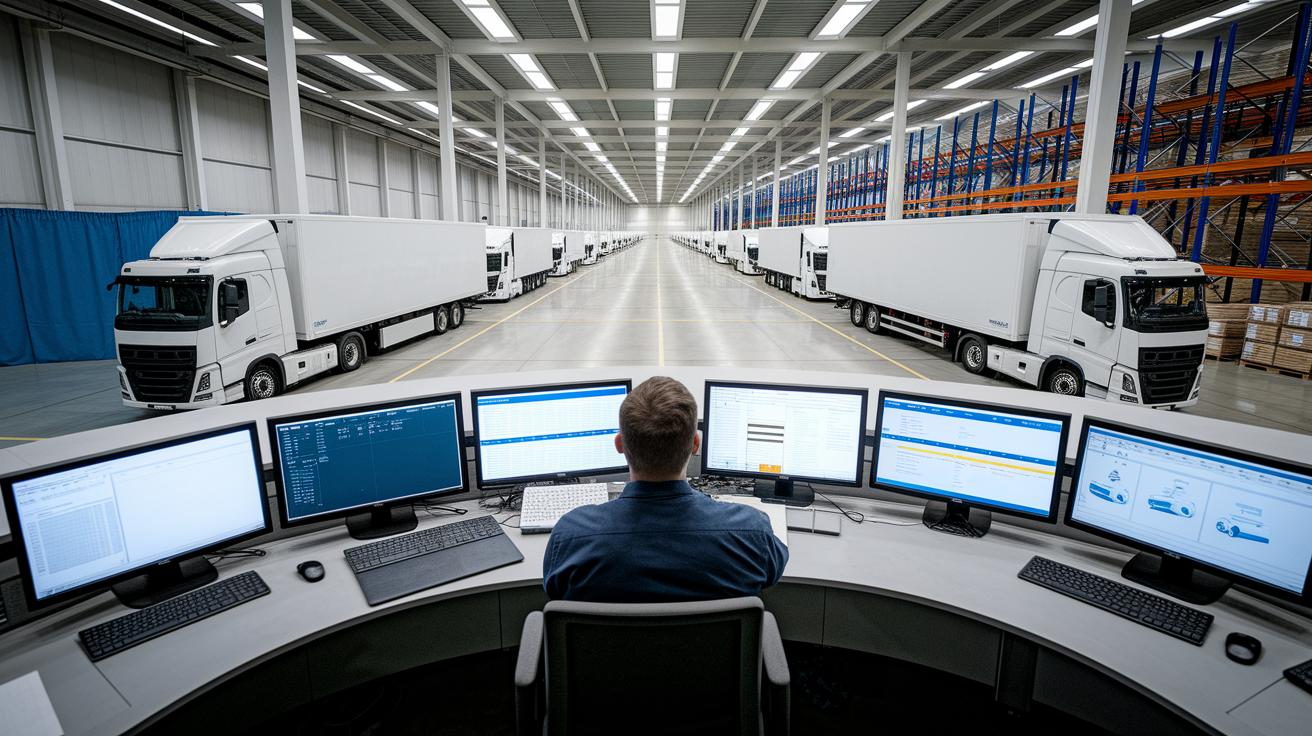
Fleet management systems help many industries run smoothly by using real-time data. They support commercial transport and logistics by tracking vehicles from heavy freight to specialized field services.
Logistics and Freight Operations
Freight companies rely on these systems to plan loads, tweak routes, and review performance. Using live data from telematics (devices that send travel information), firms can change dispatch plans on the fly and keep an eye on driver habits. This smart approach turns old school methods into modern, efficient logistics solutions.
Specialty Fleets (Construction, Food, Services)
Industries like construction and food production benefit from adding sensor technology into their transport plans. For example, temperature sensors help track perishable goods, while monitoring equipment use means maintenance is done when needed. Service fleets use digital trip records and on-demand alerts so managers can see all vehicles on a single dashboard, which keeps the fleet safe and running well.
Last-Mile and Delivery Services
Delivery companies use geo-fencing (virtual boundaries) and real-time tracking to ensure fast and accurate deliveries. Instant notifications and customer alerts help meet tight schedules and provide clear tracking details. This quick communication links customers with service teams, improving last-mile efficiency.
Overall, fleet management systems not only boost daily operations but also help businesses react quickly to challenges, cut down on waste, and improve performance.
Real-World Fleet Management System Case Studies
Case 1: Connecteam in a 50-vehicle delivery fleet
A regional delivery firm improved its daily work using Connecteam. They used the scheduling app and GPS time clock to plan shifts better. This led to fewer delays and helped meet operating rules. The fleet also used digital task management and a team chat to cut down on mix-ups. These tools worked like smart trackers and remote check-ups to spot issues early and keep vehicles safe.
Case 2: GeoTab with Nexar Fleets in regional logistics
A mid-sized logistics firm teamed up with GeoTab and Nexar Fleets for real-time vehicle checks and dash-camera monitoring. The diagnostic data helped predict repairs and plan better routes. Custom dashboards and video alerts allowed the team to schedule maintenance before problems grew. This partnership turned maintenance logging into a smoother, more proactive process.
Case 3: Samsara, Teletrac Navman & GPS Trackit in mixed-fleet construction
A construction company used a mix of platforms, Samsara, Teletrac Navman, and GPS Trackit, to manage its fleet. AI-powered safety alerts, integrated fuel management, and maintenance tracking led to fuel savings and lower repair costs. Real-time vehicle checks and video monitoring helped managers catch issues early. Together, these tools made sure both routine maintenance and sudden repairs were handled quickly, keeping the fleet running efficiently.
ROI and Cost Savings with a Fleet Management System
Fleet management technology offers real savings by using real-time data and timely alerts to keep costs down and operations running smoothly. With tools like fuel use analysis and an easy-to-read dashboard, managers get clear, instant insights that help them make smart, everyday decisions.
- Fuel Savings: Using the best routes can reduce fuel costs by up to 15% on every trip.
- Reduced Maintenance: Early warnings cut repair bills by 20%, so vehicles get fixed before a small problem grows.
- Labor Efficiency: More than 75% of fleet managers use telematics to simplify daily tasks, which improves driver performance and reduces paperwork.
- Fines Avoidance: Accurate record-keeping of driving hours and electronic logs helps prevent costly fines.
- Lower Insurance: Better driver tracking and regular maintenance lead to safer records, which may lower insurance premiums.
Many businesses see these systems pay for themselves within 6 to 18 months. By cutting costs, monitoring fuel use, and reducing downtime, companies can achieve quick returns and keep getting more efficient.
Vendor Comparison and Pricing for Fleet Management Systems
Fleet management systems use different pricing models to match various business needs. Some vendors charge about $5 per vehicle, while others bill roughly $30 per user each month. Larger or more complex fleets often require a custom enterprise quote. For example, Connecteam offers a free trial and free access for up to 30 users, which works well for small fleets. Other vendors like GeoTab, Samsara, Teletrac Navman, and GPS Trackit adjust their pricing based on the fleet size and features you need.
| Vendor | Key Features | Pricing Model | Recommended Fleet Size |
|---|---|---|---|
| Connecteam | Employee scheduling, GPS time clock, digital task management | Free for up to 30 users; 14-day free trial | Small to medium fleets |
| GeoTab | Real-time vehicle health monitoring, route optimization, analytics | Custom quote based on fleet size and features | Medium to large fleets |
| Samsara | AI-powered safety alerts, fuel management, maintenance tracking | Custom pricing based on fleet requirements | Medium to large fleets |
| Teletrac Navman | Maintenance logging, two-way messaging, integrated fuel monitoring | Hardware/subscription based custom pricing | Mid-sized to large fleets |
| GPS Trackit | Video monitoring, alert systems, analytics, route management | Hardware/subscription based custom pricing | Small to medium fleets |
When you choose a fleet management system, think about your budget and the size of your operations. If you have a smaller fleet, a solution like Connecteam can be a smart choice because it has little to no upfront cost and simple onboarding. On the other hand, larger fleets might benefit from systems like GeoTab or Samsara, which offer deep analytics and are meant to grow with your business. Compare the features of each vendor to decide which one fits your needs now and in the future.
Future Trends in Fleet Management System Technology
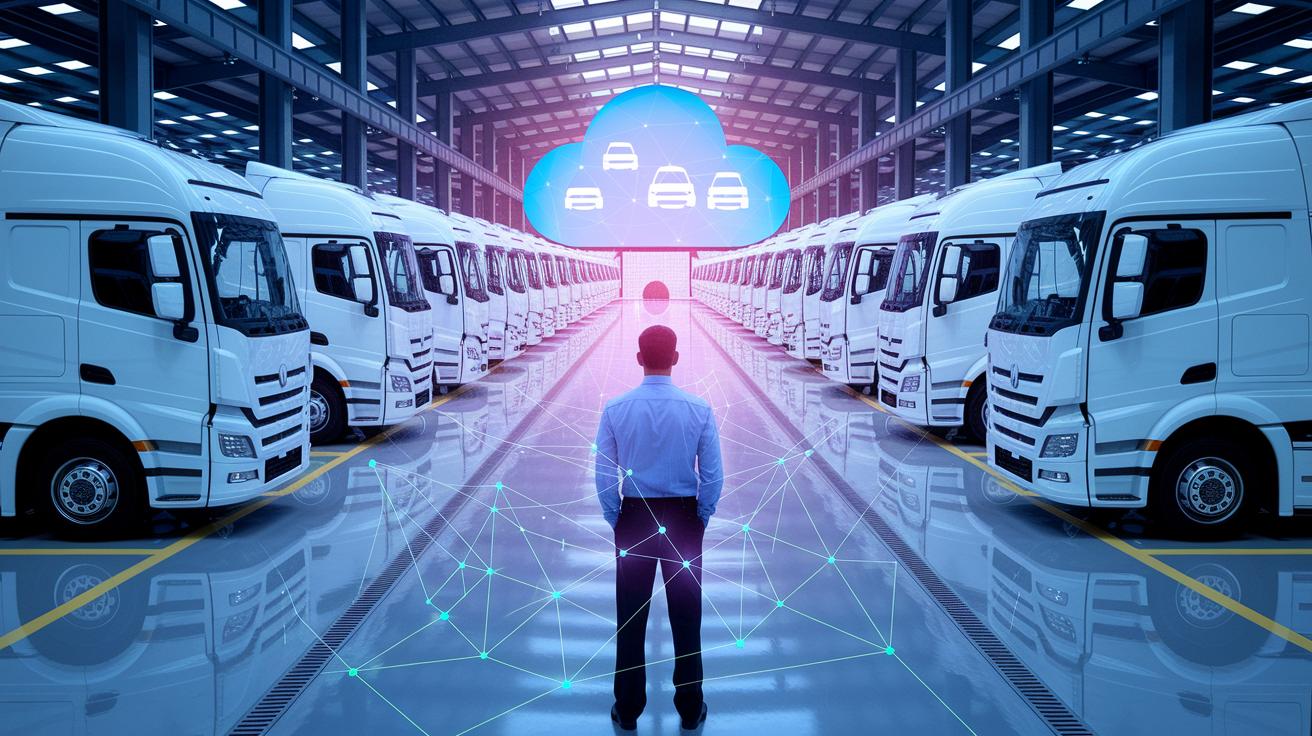
Artificial intelligence is now a key player in fleet maintenance. AI-powered scheduling uses data trends (predictive analytics) to spot problems before they happen. Picture getting a head's up about an engine fault hours before it throws off your schedule. This proactive approach cuts repair costs and keeps your vehicles on track.
Cloud-based fleet intelligence is changing how managers run operations. Modern platforms pull data from different regions into one real-time view of vehicle status and performance. This live connection lets managers make quick decisions and coordinate fleets more smoothly across areas.
Sensors in Internet of Things (IoT) networks now deliver precise, real-time updates on engine health and cargo conditions. When sensor data flags a problem, fleet systems can immediately trigger checks. This keeps vehicles in top shape and boosts overall safety.
Sustainability and ESG (environmental, social, and corporate governance) are also key parts of tomorrow's tracking systems. Enhanced emissions reports and hybrid energy monitoring help fleets meet environmental rules while lowering their carbon footprint. These upgrades create a greener fleet and more efficient operations.
Final Words
In the action, we broke down what a fleet management system means and how it keeps vehicles in check with real-time tracking, predictive maintenance alerts, and cost-reduction strategies.
We looked at key features, deployment steps, and ROI numbers that help cut costs and boost safety. Modern fleet management systems turn data into practical insights, keeping operations smooth and budgets in check. Stay ahead by applying these principles for smarter travel decisions.
FAQ
What is the fleet management system?
The fleet management system is a tool that tracks and oversees business vehicles throughout their lifecycle. It offers digital vehicle tracking, fuel use analytics, and proactive maintenance alerts for safer, cost‑effective operations.
What is the best fleet management software and fleet tracker?
The best fleet management software delivers real‑time tracking, driver monitoring, and route optimization while the best fleet trackers provide accurate GPS location data and alerts for improved fleet safety and efficiency.
How much does fleet management cost per car?
The cost per car varies by pricing model; many systems charge around $5 per vehicle monthly, while some vendors use user‑based or custom pricing for larger fleets.
What free, open source, or alternative fleet management system resources are available?
Free and alternative fleet management options include open source projects on GitHub, Excel or PDF templates for data tracking, and even training courses that help businesses set up and customize their digital vehicle management dashboards.