

Ever wonder how a tragedy can actually make flying safer? In the U.S., past aviation mishaps have led to big changes that shape how we fly today. Since 1982, more than 78,000 incidents have taught hard lessons about what not to do. Even as the overall accident numbers drop, every serious event pushes for tighter safety checks. This review shows how key incidents over the years have improved flight protocols, making air travel more reliable for everyone.
Comprehensive Overview of US Aviation Accidents
From 1982 to 2018, the National Transportation Safety Board (NTSB) recorded 78,161 aviation crashes and incidents in the United States. About 20% of these events involved fatalities. Even though overall accidents have gone down since 1982, the number of deaths has not dropped at the same pace, according to NTSB aviation accident reports.
Air travel is still very safe. The National Safety Council says the odds of dying as an airplane passenger are 1 in 188,106. By comparison, traveling by train has odds of about 1 in 243,765. This shows that while plane crashes get a lot of attention, flying remains a reliable way to travel. In fact, flying is statistically safer than many everyday activities, an important point for anyone who flies often.
Accidents are sorted into different categories. Commercial aviation incidents usually involve bigger aircraft and are under strict rules. General aviation accidents, on the other hand, often involve smaller airplanes from makers like Cessna, Piper, or Beech. There is also a group of accidents involving private planes and other types of operations. Each group has its own safety challenges and ways to improve.
Understanding these categories helps pinpoint where safety can be boosted. For example, making takeoff and landing safer can have a big impact on overall safety. When phases like takeoff are improved with better protocols, it helps everyone feel more confident about flying.
This review not only looks at the number of accidents but also shows how focused rules and industry changes keep making US air travel safer.
Case Studies of the Deadliest US Aviation Accidents
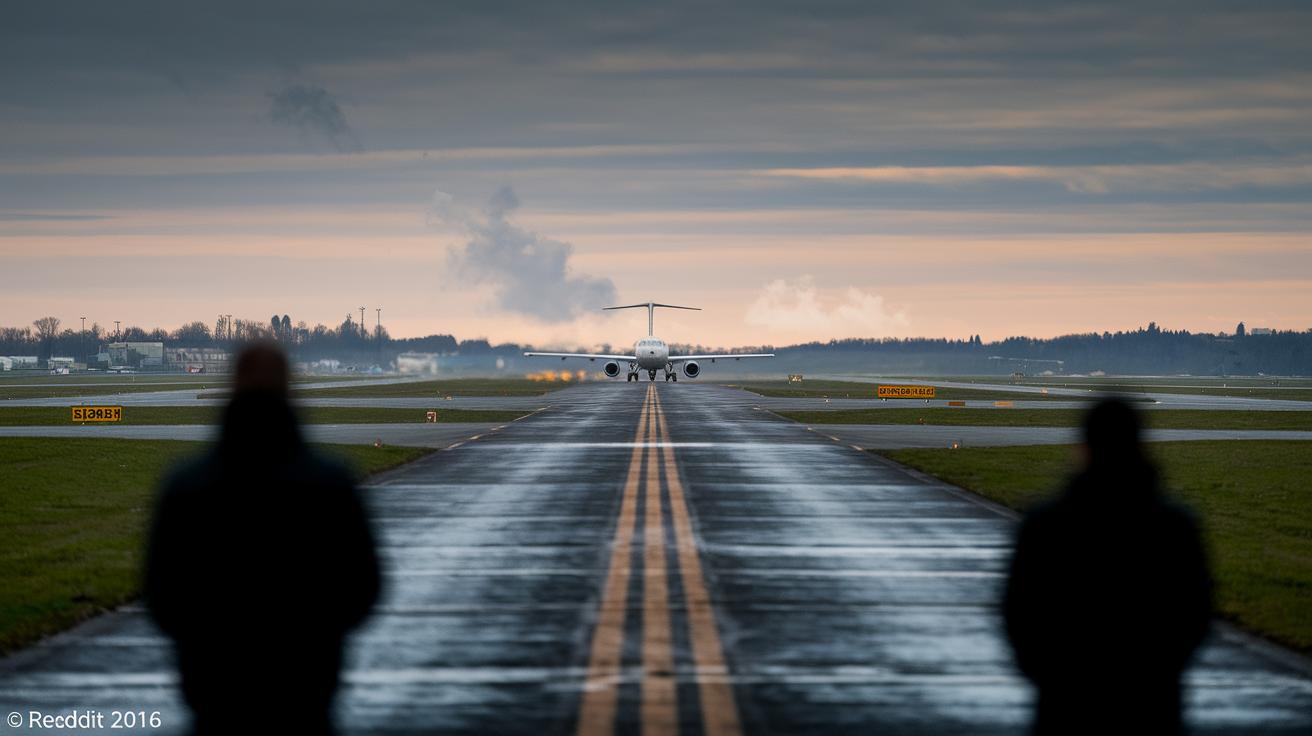
American Airlines Flight 191 left O’Hare International Airport on May 25, 1979. During takeoff, the plane’s left engine and its support broke off. This sudden event caused the DC-10 to crash and sadly ended the lives of all 271 onboard. Imagine the fear as the plane lost its vital power while climbing into the sky.
American Airlines Flight 587 took off from JFK International Airport on November 12, 2001. A burst of strong air currents, known as wake turbulence (powerful air movements left behind by another aircraft), rocked the Airbus A300. The turbulence was so severe that the plane crashed, taking 265 lives in just moments.
TWA Flight 800 climbed into the sky from JFK on July 17, 1996. Just 12 minutes after takeoff, the Boeing 747-100 faced a sudden burst of energy inside it and exploded mid-flight. All 230 passengers and crew were lost in an instant.
On September 25, 1978, PSA Flight 182 made its final approach to San Diego International Airport when it collided with a small Cessna. This midair crash took 144 lives and shows how dangerous the landing phase can be.
Delta Flight 191 landed at Dallas/Fort Worth International Airport on August 2, 1985. A sudden, strong downdraft called a microburst (a brief, intense downdraft of wind) pushed the Lockheed L-1011 TriStar into trouble. The strong burst of wind led to a crash that claimed 137 lives.
Each of these cases is a reminder of the serious risks that can happen in flight and how quickly a routine trip can turn tragic.
Statistical Trends in US Aviation Accidents
Since 1982, the number of airplane accidents has dropped steadily. Even though accidents are less common today, most deaths come from a few very serious crashes. For instance, between 1982 and 2018, around 20% of crashes had at least one fatality. In car accidents, fewer than 1 in 100 crashes ends in a death. It shows that when air accidents do happen, they tend to be much more severe.
Takeoff and landing are the most delicate parts of a flight. Most major incidents happen during these stages. Even small safety checks during takeoff and landing can make a big difference, just like giving your car a quick look-over before a long trip.
Sometimes the overall numbers jump because of one big disaster. These rare events can shift the yearly data, even though regular flights are getting safer all the time.
Flying remains one of the safest ways to travel. Still, the industry keeps a close eye on safety and improves protocols, especially during the most vulnerable parts of every trip.
Primary Causes of US Flight Mishaps
Mechanical issues are one of the biggest causes of flight disasters in the United States. For example, the Boeing 737 Max 8 accidents with Lion Air 610 and Ethiopian Airlines Flight 302 led to 346 deaths. Failing parts caused the pilots to lose control, proving that even modern planes can have technical problems.
Pilot mistakes play a major role too, especially with smaller aircraft. Often, errors in judgment or skill can lead to serious accidents. Studies show that pilot errors sometimes contribute as much to mishaps as mechanical problems do.
Bad weather adds extra risk. Severe conditions, such as microbursts (sudden, strong downward winds), have affected flights like Delta Flight 191 and Pan Am Flight 759. Quick weather changes during important parts of a flight can throw a plane off course.
Problems with air traffic control also lead to dangerous situations. The PSA Flight 182 collision is a reminder that clear communication between everyone in control and pilots is crucial for safety.
To address these issues, the Federal Aviation Administration has tightened safety rules. They are updating procedures and improving training across critical areas to help keep flights safe.
Evolution of US Aviation Accident Investigations and Safety Regulations
Big aviation accidents have pushed the United States to change how investigations are done and how safety rules are made. When a tragedy happens, the National Transportation Safety Board (NTSB) gathers detailed flight data that leads to new rules. A clear example is the 2009 crash of Continental Connection Flight 3407. That accident showed problems in pilot training and work schedules that put many lives in danger.
In response, U.S. federal agencies made strong moves. The findings from investigations now directly guide the Federal Aviation Administration (FAA) as it writes new safety rules. Airlines and government groups work together to review reports and turn lessons into better ways to operate flights, take care of planes, and manage crew work. This teamwork has resulted in tougher rules for every part of air travel, from takeoff to landing.
These better safety measures have raised industry standards. For example, think about a small tweak in the pre-flight check that could stop a serious crisis. This proactive idea is exactly what modern rules try to do. By continuously reviewing accident reports and learning from them, aviation regulators have made air travel safer and are pushing the industry to solve problems in new ways.
Airline Safety and FAA Extension Act of 2010
The Airline Safety and FAA Extension Act of 2010 marked a clear change in pilot and crew standards. Sparked by the 2009 crash, the act increased pilot training from 250 hours to 1,500 hours. It also put stricter limits on how long pilots can work, which helps cut down on fatigue and mistakes. This law not only makes safety rules stronger overall but also keeps the process of reviewing flight safety ongoing. Every accident report now plays a part in making flying even safer, ensuring that every lesson learned leads to progress.
Geographic and Phase Patterns in US Aviation Accidents
Data from 1982 to 2018 shows that flying can be riskier right when a plane takes off or is about to land. Almost all big accidents happen during these two moments, proving that even a small mistake at the beginning or end of a flight can have serious consequences.
Location matters too. For example, Anchorage, Alaska, saw 269 crashes during this time, while Miami, Florida, had about 135. The numbers below help paint a clear picture:
| City | Number of Crashes |
|---|---|
| Anchorage, Alaska | 269 |
| Miami, Florida | ~135 |
Most of these accidents involve general aviation. Light aircraft, like many built by Cessna, are often seen in the stats. This tells us that paying close attention to each flight phase and local conditions is vital for making air travel safer.
Lessons Learned and Future Directions in US Aviation Safety
Every accident has led to the changes we see today. Big disasters pushed airlines to improve pilot training with more hands-on practice and better teamwork. Now, training includes real-life practice runs to prepare crews for surprises during flight.
Crew communication has also become a top priority. Flight teams now focus on clear, unified communication, which helps stop errors before they occur.
Modern warning systems track weather and mechanical issues in real time. These alerts give crews a head start on potential problems. Every loss has shown us the need to keep updating safety rules.
The industry uses past incidents to upgrade technology and avoid future issues. New software tools provide pilots with the latest updates, helping the air travel industry remain one of the safest ways to travel. Every step in this process underlines our commitment to learn and improve safety for all flights.
Final Words
In the action, this article broke down key sections on the history, causes, and reforms related to US aviation accidents. It examined accident data, detailed influential case studies, and pinpointed trends in risk during takeoff and landing. The analysis also reviewed how investigations and new rules have improved pilot training and safety protocols. Every piece of information helps build a clearer picture of us aviation accidents and how lessons learned pave the way for safer skies. Stay informed and appreciate the progress made in air travel safety.