

Ever wondered why your flight ticket costs more than it first seems? The price you see is just the base fare. Extra charges, like fuel fees, get added on to cover higher fuel prices and other costs. These fees began as short-term fixes during fuel price spikes, but now they're a regular part of your ticket price. In this guide, we break down these costs so you know exactly what you're paying for.
Defining Fare Surcharges in Airline Ticket Pricing

Airlines add extra fees to a ticket’s base price to cover rising fuel costs and other operating expenses. These fees began as a quick fix during sudden oil price spikes and now serve as a steady way for airlines to handle fuel price changes. In a simple way, think of these surcharges as a safety cushion that helps airlines keep costs stable even when fuel prices jump suddenly.
When you look at your fare details, you'll see the base ticket price listed separately from taxes, fees, and these surcharges. This clear breakdown shows that the final ticket price is more than just the base fare. A ticket might start off looking low, but additional fees can add up to a big part of the total cost. Airlines use this method to keep the base fare appealing while still covering several extra expenses.
History and Regulation of Airline Fare Surcharges

In 2004, when oil prices shot up unexpectedly, airlines began adding extra fees to help cover the rising fuel costs. It's like paying a little more at checkout when prices suddenly jump.
At first, these fees were supposed to be temporary fixes. But many airlines kept them because the extra money helped cover sudden cost hikes before newer pricing models were in place.
In the United States, most airlines on domestic routes don't add a separate fuel surcharge. They keep things simple for local travelers. On international flights, though, these fees are common since airlines need to cover extra risks and costs from longer journeys.
There’s no standard rule for calculating these fees. Each airline creates its own formula, which means surcharges can vary even for similar routes. Always check the fare details to see exactly what you’re paying for before booking.
Breaking Down Airline Fare Surcharge Components

When you buy an airline ticket, you’re paying more than just the base fare. Extra fees help cover costs like changes in fuel prices, airport services, and ticket processing. Knowing what each fee is for can make it easier to understand your total ticket price. For example, a round-trip flight from Montreal to Paris might show a base fare of around $694, but almost $665 can be added in taxes and surcharges.
| Component | Purpose | Typical Range |
|---|---|---|
| Fuel Surcharge | Helps offset changes in oil prices | 5–40% of base fare |
| Airport Taxes | Covers costs like security, terminals, and customs | $20–$100 per segment |
| Carrier Fees | Pays for booking and processing the ticket | $5–$50 per ticket |
Each fee plays a specific role. Fuel surcharges can rise or fall with fuel costs. Airport taxes support things such as security checks, terminal maintenance, and customs services. And carrier fees cover the work involved in booking your ticket. A smart tip is to check the fare breakdown when you're booking. That way, you see exactly what you're paying for.
By breaking your ticket down into these parts, you can better compare flights. This info helps you decide which flight gives you the best overall value. So next time you book, take a closer look at those extra fees.
Airline Fare Surcharge Variation by Carrier and Route

Airlines set different fees, like fuel surcharges and other charges, based on their cost methods and pricing plans. Now, you can find these details mixed in with fare history, rules, and how surcharges are built. They cover things like airlines keeping fees even after fuel gets cheaper, as well as how fees differ between international trips and U.S. domestic flights. This approach helps keep the information clear and avoids repeating the same points.
Traveler Impact of Airline Fare Surcharges
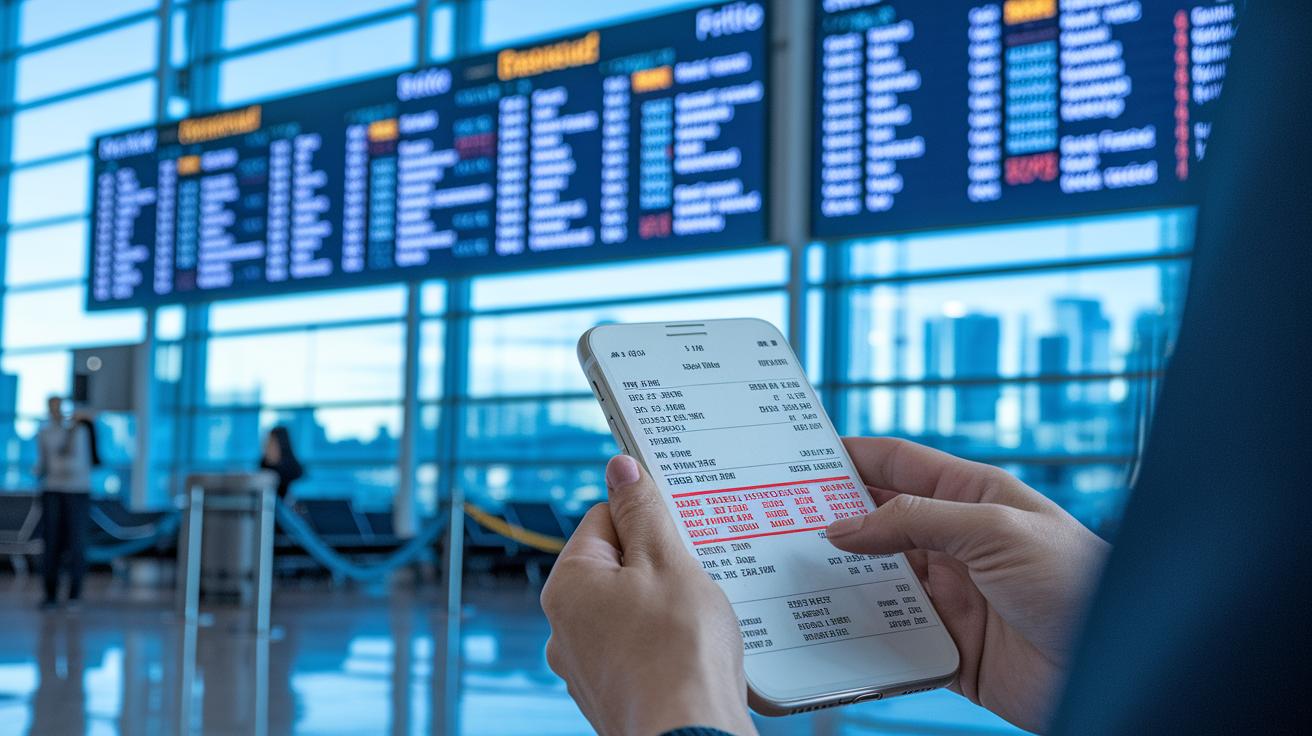
Sometimes, booking award tickets hides extra fees that you might miss. When you use miles (like 60,000 points) for a flight, you could still get hit with extra charges that add up to hundreds of dollars. For instance, a Montreal–Paris flight might tack on another $665. Checking the fare breakdown closely shows exactly how much goes toward these fees. It’s a bit like finding an unexpected charge on your restaurant bill, those little extras can really pile up and take away from the value of your points.
With regular tickets, these surcharges are usually built into the total fare. They might not stand out when you book, but they still add to the price you pay. Some loyalty programs, such as Air Canada Aeroplan and Air France Flying Blue, even offer ways to reduce or waive these fees, making your travel a bit smoother. Always review the ticket details so you know where your money is going and can pick the option that fits your budget best.
Tips for Minimizing Airline Fare Surcharges

When you book flights, don't just focus on the base fare. Look at every fee to plan ahead and dodge hidden costs. Here are some simple tips that can help you save money and know what you'll really pay.
Compare full ticket prices, not just the starting fare. A low base price might hide high surcharges.
Check the airline's fee policies before booking. This way, you'll understand any extra charges.
Join frequent-flyer programs like Aeroplan or Flying Blue that waive fuel surcharges. They can reduce extra fees on award bookings.
Consider paying cash at a good rate and then using flexible points. This can lessen the impact of high surcharges.
Look for special promotions or bundled deals that include all taxes and fees. These offers simplify cost comparisons.
Always double-check the final fare breakdown at checkout to avoid any surprise fees.
Following these steps makes it easier to manage extra costs. When you compare total prices, inspect all fee details, and choose programs that lower charges, you'll know exactly what you're paying. This clear view helps you decide on the best flight options and keeps unexpected fees at bay.
Final Words
In the action, we explored the role of surcharges in ticket pricing and the debate on extra fees added during fuel price spikes. We broke down how these charges work, offered insights into regulatory history, and showed real-life traveler examples. By knowing the components and comparing fare totals, you can keep surprises at bay. This piece reinforces the value of understanding airline fare surcharges so you can plan smarter and enjoy a smoother travel experience.
FAQ
What is a surcharge on an airline ticket or fare?
The term “surcharge on an airline ticket” refers to an extra fee added to the base fare to cover costs like fuel and operating expenses. It increases the ticket’s complete price.
How do airline fare surcharges work for international routes and airlines like Delta?
Airline fare surcharges on international routes, including those for Delta flights, cover fuel cost changes and extra service charges. These fees are added to the base price to cover additional operating costs.
How do airline fare surcharges factor into baggage charges?
The term “airline fare surcharges related to baggage” means extra fees may apply for baggage handling. These fees are separate from standard bag charges but contribute to overall extra costs.
What is an international surcharge on flights?
An international surcharge on flights means an added fee specific to international travel that helps cover extra taxes, fuel costs, and operating fees typically higher on overseas itineraries.
What does the term “carrier surcharge” mean?
The term “carrier surcharge” means an extra fee set by airlines specifically to cover operating costs. It is applied on top of the base fare and varies based on airline policies and routes.
How can I calculate flight taxes and fees?
Using a flight taxes and fees calculator means you enter your travel details to see a breakdown of extra charges. This tool provides clarity on the full cost of your ticket beyond the base fare.
How can I avoid additional carrier-imposed fees or airline surcharges?
Avoiding extra fees entails comparing full ticket prices, reading airline pricing policies, and using loyalty programs or special offers that reduce or waive extra surcharges on flights.
What do fare classes like J, N, I, C, R, Y, B, and H indicate?
Fare classes such as J, N, I, C, R, Y, B, and H represent different booking categories and pricing rules that affect ticket flexibility, refundability, and the range of services provided.
How do airlines like British Airways, American Airlines, Air Canada, United Airlines, Virgin Atlantic, and Qatar Airways handle surcharges?
Airlines like British Airways, American Airlines, Air Canada, United Airlines, Virgin Atlantic, and Qatar Airways handle surcharges differently. Some combine fees into the overall fare while others list extra costs separately based on route and operating expenses.