

Ready to fly during the pandemic? Air travel has its challenges, but a few simple steps can keep you safe. Modern planes use HEPA filters (filters that trap tiny particles) to keep the air clean. Wearing a mask and washing your hands often add a layer of protection too.
Think about cleaning your tray table with a disinfectant wipe before you eat. Carry extra masks and even take a rapid home test if you can. Doing these things not only reduces your risk but also builds confidence.
This guide lays out clear tips to help you stay healthy in the air so you can travel with peace of mind.
Core Precautions for Safe Air Travel During a Pandemic
Flying means you sit close to others, which can boost the risk of spreading viruses. Airlines now use HEPA filters that trap nearly all particles in the air. These filters work best when the plane’s engines run. A little extra cleaning goes a long way. Imagine wiping your tray table with a disinfectant wipe that has 60% alcohol before every meal.
Wearing your mask helps prevent both catching and spreading the virus. Studies show that masks indoors cut down transmission rates. Most flights require everyone to wear a mask during taxi, take-off, and landing, aside from when you’re eating or drinking. Bringing extra masks is wise in case one gets wet or dirty.
Taking a rapid home test before you board adds another safety check. A negative result can give you peace of mind and reduce risk onboard. Washing your hands for at least 20 seconds with soap is key, especially when you also use hand sanitizer on frequent-touch spots like armrests and screens. Here’s a quick checklist:
- Wear a mask consistently in enclosed areas
- Use hand sanitizer on high-touch surfaces
- Choose direct flights to avoid extra layover risks
- Avoid touching your face
Booking a direct flight cuts down on exposure compared to multiple layovers. And if virus levels are high at your departure or arrival spot, consider delaying nonessential travel. Sticking to these simple tips can help keep your air travel as safe as possible during the pandemic.
Flight Planning and Documentation for Air Travel Safety During a Pandemic

Before you book your flight, check the latest travel rules at your destination. Look for current quarantine rules, testing deadlines, or proof of vaccination or a recent PCR test you might need. Many travel sites now offer interactive maps with live updates. For instance, one tool might show, "Destination X now requires a 7-day quarantine if the last PCR test is over 72 hours old." This helps you avoid any last-minute surprises.
Double-check that your vaccination card shows the proper dates for every dose. Bring both a digital copy on your phone and a printed version so you’re covered at check-in. Also, review your airline's updated COVID-19 guidelines, things like mask rules and boarding procedures, before booking your flight or heading to the airport. Pack travel-sized hand sanitizer, disinfecting wipes (with at least 60% alcohol), and extra masks. Taking the time now to verify your documents and any policy changes can save you time later and help keep your trip smooth.
Airport Hygiene and Social Distancing for Air Travel Safety During a Pandemic
Airports are busy places, and during a pandemic, it's important to take extra care. Try using curbside or online check-in to avoid crowding near kiosks. Digital boarding passes help you skip those shared screens, and one traveler said using them made them feel much safer.
At security and in the gate area, stay at least 6 ft away from others. Follow the floor markers and listen to staff instructions. Simple signs remind you to keep your distance, and having extra space in busy hallways helps lower the risk of spreading the virus.
Retail zones and food courts can be crowded. Look for a quieter gate or an outdoor waiting area instead. If you must wait indoors, choose an open seating area where you have room to keep apart.
Airports offer sanitizing stations throughout the terminal. Make sure to wipe down high-touch spots like armrests, tray tables, and seat backs when you can. Many airports now use contactless temperature screening and health check kiosks to further cut down on touchpoints.
A quick checklist:
- Use curbside or online check-in and digital boarding passes.
- Keep a minimum distance of 6 ft at security and gates.
- Avoid crowded food courts and retail zones.
- Sanitize high-touch surfaces in waiting areas.
- Follow temperature screening and health checks.
In-Cabin Mask Etiquette and Cleaning Standards for Air Travel Safety During a Pandemic
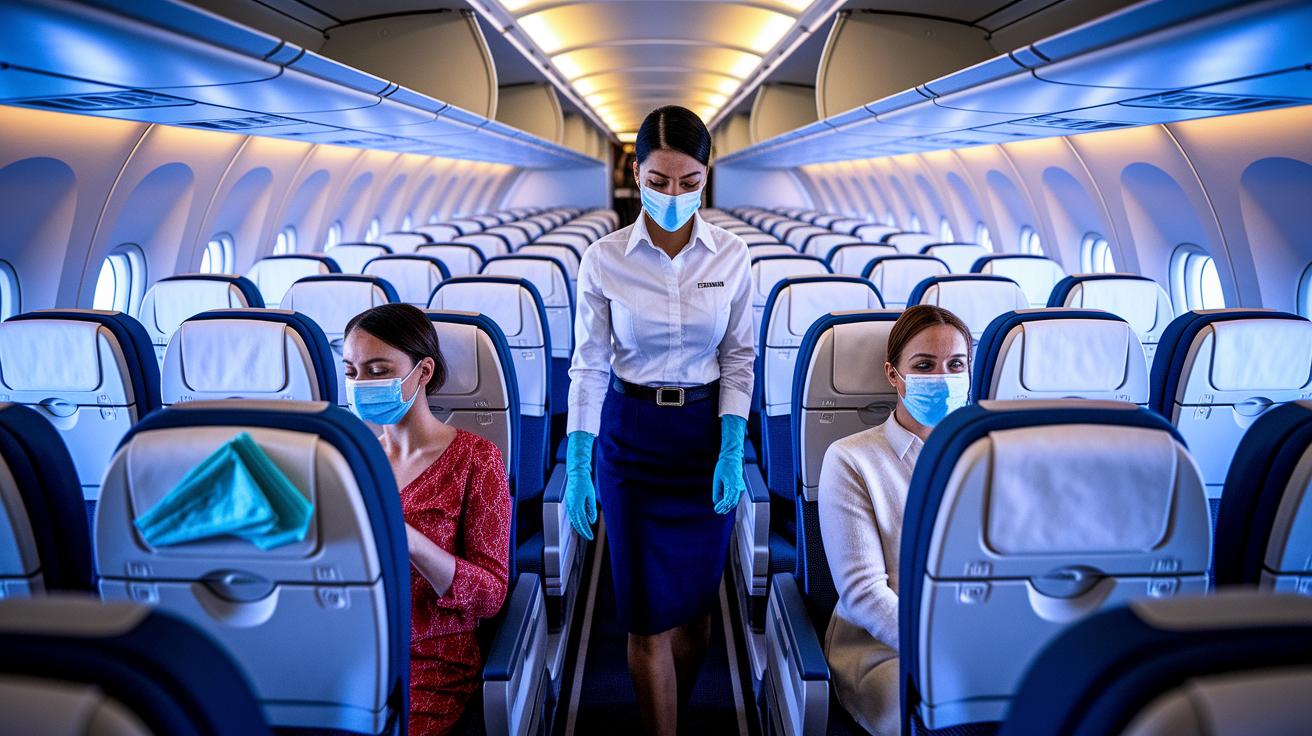
Airlines ask that you wear your mask during taxiing, takeoff, and landing. You can remove it only when you're eating or drinking. Keep it snug over your nose and mouth. One passenger said, "I felt safer knowing everyone around me was following the mask rule." This simple act helps protect you and reduces the spread of germs.
The flight crew also works hard to keep the cabin clean. They use special disinfectants approved by the EPA between flights. Surfaces like tray tables, seat belts, and armrests are wiped down carefully. Some airlines even use UV-C sanitizing lights (lights that kill germs) in overhead bins and do extra cleaning on long flights. Imagine a crew member saying, "We clean these areas carefully between legs of the journey to reduce any risk."
Modern jets are fitted with HEPA filters that capture 99.97% of tiny particles. These filters are most effective when the flight is in cruise mode, lowering the risk of virus spread through the air.
For your own safety, try to stay in your seat as much as possible. Avoid lingering in busy spots around the galleys or lavatories. This helps keep contact with surfaces to a minimum.
| Tip | Action |
|---|---|
| Wear Your Mask | Keep it on during taxi, takeoff, and landing unless eating or drinking |
| Stay Seated | Limit movement to reduce contact with cleaned surfaces |
| Notice Cleaning Procedures | Be aware of enhanced cleaning efforts during your flight |
These steps, from mask etiquette to air filtration, come together to lower the risk of illness during your flight. Enjoy your trip with the peace of mind that health and safety are a top priority.
Post-Flight Decontamination and Quarantine Guidelines for Air Travel Safety During a Pandemic
When you land, your safe travel routine isn’t over. As soon as you disembark, grab a disinfecting wipe and clean your luggage handles. Take a moment to wipe down frequently used items like your phone or passport cover. Wash your hands before you handle any personal belongings to lower your risk.
Some places require a quarantine after you arrive. You might need to stay isolated for anywhere from 5 to 14 days and check in regularly. These rules change based on local health assessments to help stop the virus from spreading. While you self-isolate, keep an eye on your health for about 7 to 14 days. It might help to use an app or keep a simple symptom diary to catch any early signs.
- Sanitize your luggage handles immediately
- Wipe down high-touch items like your phone and passport cover
- Wash your hands before handling personal belongings
- Follow local rules, including daily check-ins if needed
If you begin to feel sick after your flight, get tested as soon as local guidelines suggest and let those you’ve been near know. Taking these steps helps you finish your safe travel routine and keeps everyone safer.
Testing, Insurance, and Well-Being Strategies for Air Travel Safety During a Pandemic
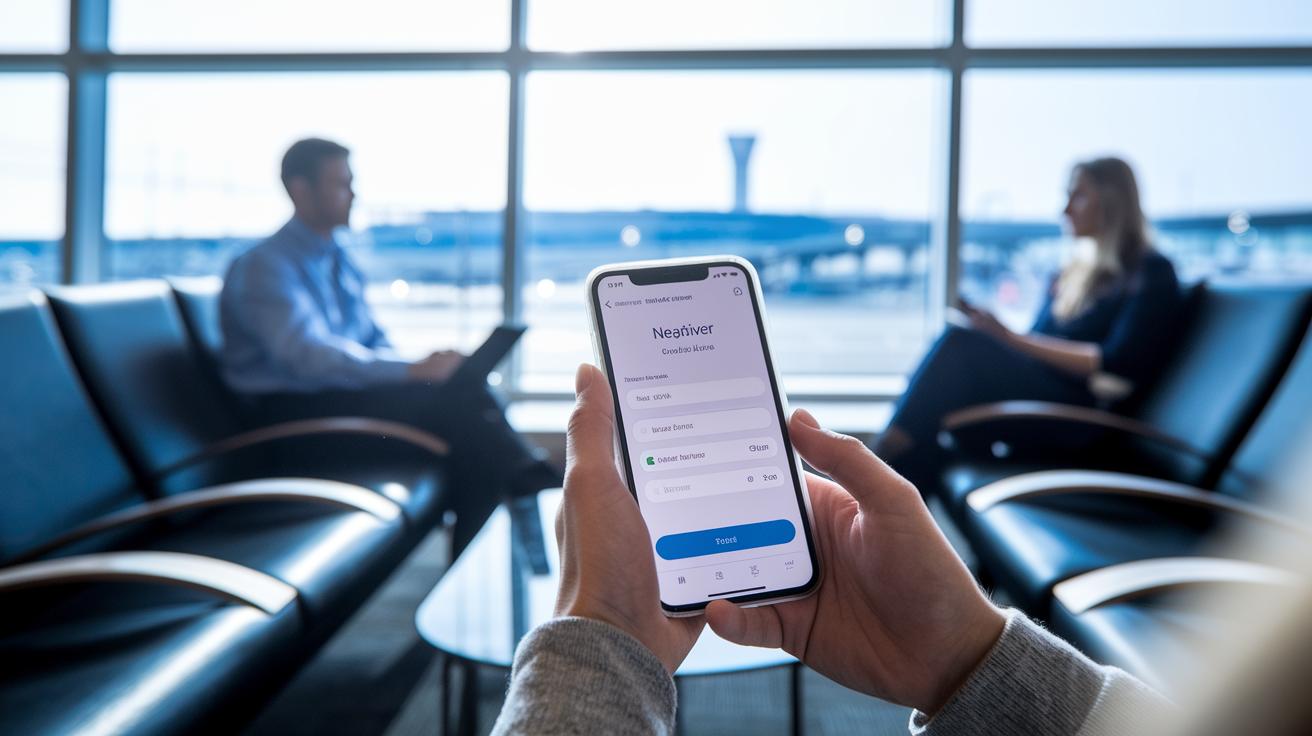
Before you book your flight, plan ahead by scheduling a rapid antigen or PCR test. These tests check for COVID-19, and many digital health apps can save your results so you can easily show proof of a negative test at boarding. It's a good idea to test again 3 to 5 days after you arrive to catch any signs early. This step helps keep you safe and protects those around you.
Money matters too. Check for travel insurance that covers both medical costs and trip interruptions. Make sure you read the cancellation policy carefully so you won't be hit with unexpected expenses if you need to change your plans because of a COVID-19 issue.
Your mental well-being is important as well. If you're feeling stressed, start with shorter trips that seem more manageable. Try to steer clear of upsetting news while you're on the go and take breaks in open-air waiting areas or lounges at the airport. Signing up for local health alerts can also keep you updated on any outbreaks. Combining these steps can help you travel with less worry during a pandemic.
Final Words
In the action, we broke down core precautions that help keep your travel plans on track. We covered preventive measures like universal mask mandates, careful hand hygiene, and social distancing at terminals. The guide also detailed smart pre-flight planning, essential documentation, and post-flight care that can ease any disruption. Each step is designed to reduce stress and keep your journey safe and smooth. Stick to these air travel safety tips during pandemic to make each flight experience as secure as possible.
FAQ
Can you fly with COVID 2025 or is it dangerous to fly with COVID?
Flying with COVID means you risk worsening your health and spreading the virus. Airlines might refuse boarding if you show symptoms so follow health guidelines and avoid travel until you recover.
What happens if you test positive for COVID while traveling, and what should you do if you get it in Europe?
Testing positive while traveling can lead to flight cancellations and quarantine. In Europe, follow local health rules, notify your airline, and seek medical advice immediately.
How soon after testing positive for COVID can I fly, and when can I travel post-positive test?
Traveling too soon may worsen your condition and pose a risk to others. Wait until you are symptom-free and meet required isolation guidelines set by airlines and travel authorities.
What are the odds or chances of catching COVID on a plane?
The risk of catching COVID on a plane is lower due to HEPA filters and mask use. Still, close seating increases exposure, so following precautions further reduces the risk.
How can I protect myself from COVID-19 on a plane, and does wearing a mask help?
Wearing a mask on a plane helps block virus droplets. Combine it with hand sanitizing, reducing movement, and social distancing to lower your chance of exposure.
How did COVID affect air travel?
COVID led airlines to adopt strict cleaning routines, contactless check-in, and modified boarding. Flight schedules and policies changed to protect health, reshaping the travel experience.
What should someone consider about air travel after a pulmonary embolism?
If you’ve had a pulmonary embolism, get clearance from your doctor before flying. Medical advice will help you choose safe travel options and manage any potential risks.