

Ever been stuck waiting weeks for a refund after your flight got canceled? New rules from the U.S. Department of Transportation, set for October 28, 2024, mean you'll get your cash back faster, clearer notifications, and fair handling of extra fees when delays happen. They’re rolling out automatic refunds for delayed flights and tightening up carry-on and baggage rules. These updates are designed to make your travel smoother and less stressful.
Overview of Key Updates in New Airline Rules

Recent rule changes mean travelers get faster refunds and clearer communication. On October 28, 2024, the U.S. Department of Transportation established new rules. Now, if your flight is canceled or rescheduled with long delays, 3 hours for domestic and 6 hours for international, you get an automatic cash refund. If you paid by credit card, your refund is processed within 7 business days. If you used cash or miles, expect it within 20 calendar days.
Airlines must also refund fees for extras like seat selection or onboard Wi‑Fi that you couldn’t use because of the delay. They are now required to notify you by email, SMS, or app push notifications so you know when to expect your money.
New trends in travel law include automatic refunds for baggage delays, kicking in after 12 hours on domestic routes and 30 on international ones. These changes mark a big step toward stronger consumer protection, ensuring you get quick, clear, and fair treatment.
Before modern reforms, refund delays often left travelers waiting weeks for reimbursement.
Baggage and Carry-On Policy Modifications Under New Airline Rules

New airline rules now set clear limits on carry-on and checked bags. Carry-ons must fit within 22×14×9 inches and weigh around 10 kg. These fixed measurements help you pack easily and avoid mix-ups between flights. Checked bag limits are also the same across airlines, making travel more predictable.
Airlines are now enforcing the TSA 3-1-1 liquid rule even more strictly. This means liquids need to be in containers of 3.4 ounces or less and all fit in one quart-size bag. The list of banned items is tighter too. If your bag is delayed, you'll get a baggage-fee refund after a 12-hour wait on domestic flights or 30 hours on international ones once you file a report.
Airlines say these changes will reduce passenger stress and speed up security lines. With uniform rules, there's less confusion at boarding and a smoother packing process. Overall, the new policies create a balanced system that boosts traveler convenience and safety.
| Bag Type | Old Limit | New Limit |
|---|---|---|
| Carry-On | Varied by airline | 22×14×9 inches, 10 kg |
| Checked Bag | Inconsistent allowances | Aligned across carriers |
| Liquids | Often overlooked | TSA 3-1-1 compliant |
Enhanced Security Screening and Identification Requirements

Airports are stepping up security. Starting May 7, 2025, every traveler must show a REAL ID-compliant document. If you don't have one, you can use a temporary driver’s license for up to 30 days. This change helps TSA check IDs quickly and cuts down on boarding mistakes.
Some major airports are testing digital travel checks now. In one trial, your digital ID is scanned along with your boarding pass. Before these tests, security lines sometimes stretched over 30 minutes during busy hours. This new system aims to shrink wait times and make boarding smoother.
Airlines must follow these updates as part of broader rule changes. It’s a good idea to review travel document requirements before you head to the airport. With digital checks working alongside traditional methods, every screening spot benefits from consistent, automated checks while sticking to TSA procedures.
Overall, these changes bring tighter security and smoother airport processes, ensuring you get through check-in faster and with clear ID rules.
New Rules on Refunds, Compensation, and Cancellation Policies

For details on who qualifies and when refunds are given, check the Overview of Key Updates in New Airline Rules. This guide explains what to do when your travel issues continue.
- Write down your flight details. For example, note the flight number, delay length, and reasons provided.
- Keep your booking confirmation and payment receipts. Save both printed copies and emails.
- Pick a cash refund and say no to other travel offers.
- File your claim online using the airline’s portal or the DOT portal.
- Keep an eye on your messages for any updates.
- If your claim isn’t solved, call the DOT consumer hotline for further help.
2025 Flight Protocol Changes and Operational Procedure Revisions
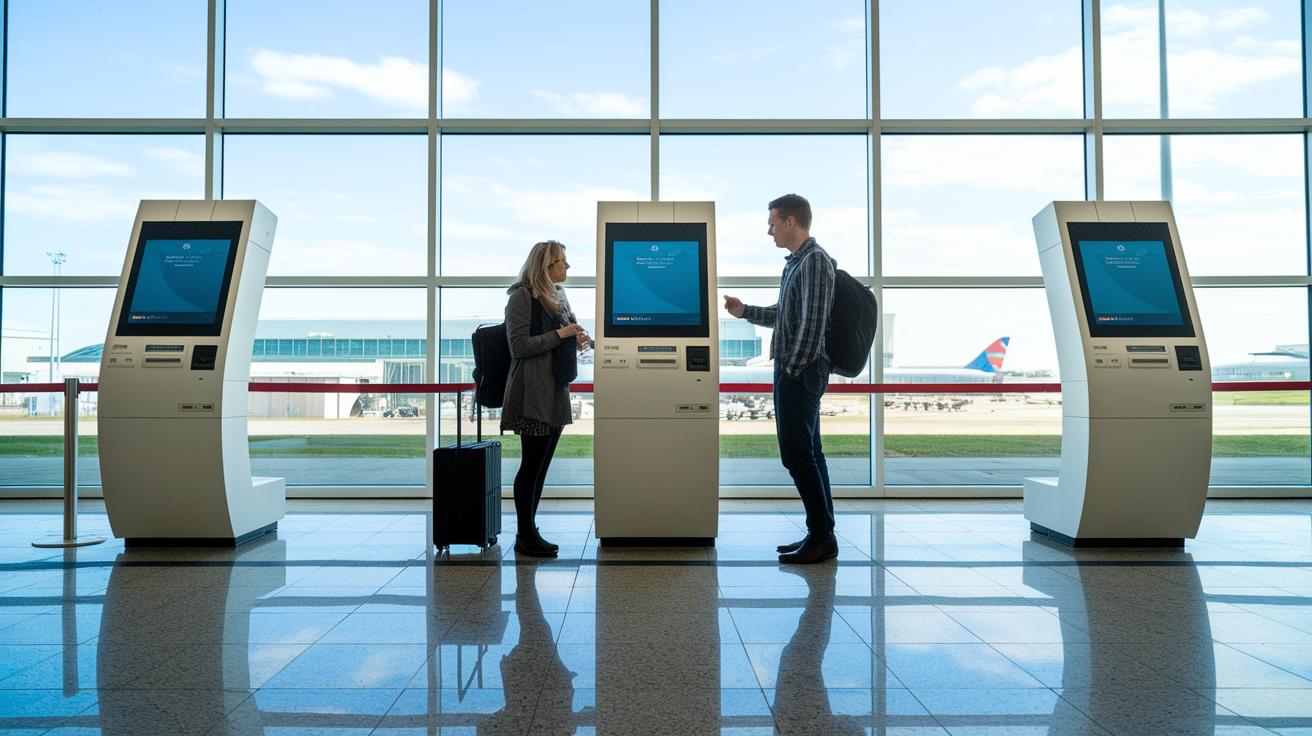
Starting January 2025, airlines are introducing fresh flight protocols to speed up your journey from check-in to boarding. These changes streamline the process and can cut boarding time by 20%. You can check in online 24 hours before your flight using the latest digital system, and everyone will use an electronic boarding pass to meet strict new standards.
If your flight is canceled, airlines will promptly rebook you within 2 hours. This update is meant to safeguard tight connections. New, clear guidelines will show you how to adjust your itinerary when travel plans change, even last minute, so you face fewer hassles and less stress.
Additional updates include an improved check-in system with automation and faster verifications. With universal electronic boarding passes, errors from paper tickets are reduced. Airlines are also setting standard rules for flight rescheduling so that everyone knows what to expect. Overall, these new procedures make every step before your flight, from checking in online to adjusting your itinerary, more modern and efficient, ensuring a smoother travel experience for all.
One traveler shared, "I was able to rebook my flight within 90 minutes after a cancellation, thanks to the new system."
Passenger Rights and Consumer Protection in Latest Airline Regulations

New airline reforms are giving passengers a stronger voice and better consumer protections. Airlines must now clearly display on-time departure rules and list penalties for missing these targets, so travelers know what to expect.
The rules also extend DOT oversight with more frequent checks to keep flight safety standards high. This means whether you're flying domestically or internationally, you'll receive consistent treatment from your carrier.
Travel credits now have the same value as cash refunds. In simple terms, if you face a delay or cancellation, you won't lose out on your rights because of the type of reimbursement offered.
Airlines must also handle complaints more openly. New dispute resolution guidelines promise faster fixes for any unresolved issues, backed by stronger DOT checks. These changes aim to lower conflicts by setting clear steps for every situation.
Refund exceptions are now limited to cases beyond an airline’s control, such as bad weather, air traffic control problems, or security issues. Global updates make sure that fairness and safety stay the same no matter where you fly. Now, you can count on these stronger standards to protect your travel rights.
new airline rules Spark Smooth Skies Ahead
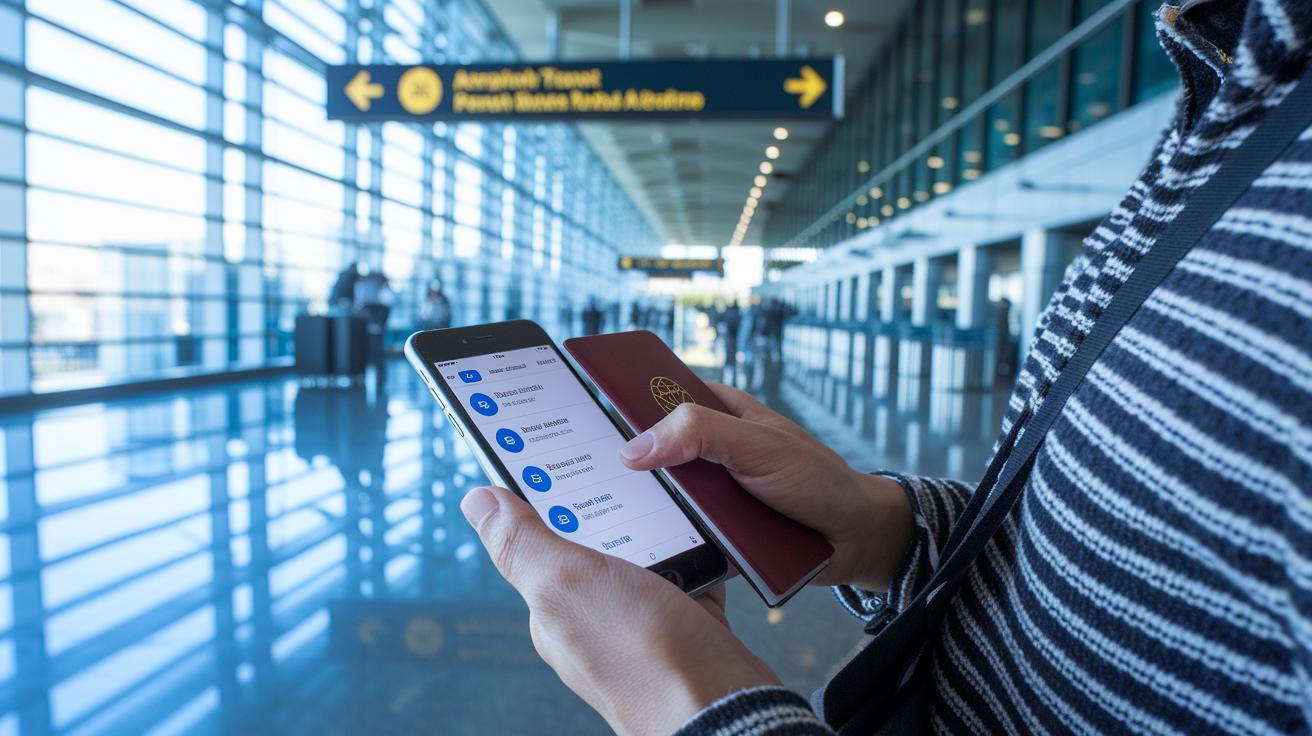
Stay ready and organized to make the most of the new airline rules. Keeping your travel documents up-to-date and watching for policy changes can really ease the stress when plans go sideways. Here are some simple tips to help you adjust:
- Sign up for airline alerts via SMS or email so you get updated policy news right away.
- Update your travel profile with REAL ID or passport details to avoid holdups at the new security checkpoints.
- Pack your carry-on according to the updated size and liquid limits. This saves you from last-minute repacking at the airport.
- Write down flight disruptions as soon as they happen. Note the time, snap a photo of any notices, and save any digital messages.
- Keep all your booking and payment receipts, either digitally or on paper, for a smooth claims process.
- Report any baggage delays quickly if your checked bag misses its connection.
- Think about getting extra travel insurance to cover nonrefundable scenarios when things get tight.
Following these tips can help you stay in line with the new rules and enjoy a smoother travel experience from start to finish. Have you ever used an airline app alert? One traveler said, "I got a push notification when my flight was delayed, and it let me act fast."
Final Words
In the action, we explored key updates from the latest new airline rules. We looked at faster refunds, revised baggage limits, clearer ID and security checks, and faster boarding protocols. These updates help streamline travel, protect passenger rights, and keep disruptions to a minimum.
Keep these changes in mind when booking your next trip. Staying informed and prepared makes for a smoother travel experience. Enjoy the improvements ahead!
FAQ
What are the new airline rules for 2025 and air travel?
The new airline rules for 2025 cover changes in refund timelines, baggage and carry-on limits, security protocols, and boarding procedures to guide travelers through a clearer, more efficient air travel process.
What are the changes to airline baggage and carry-on rules?
The new airline baggage and carry-on rules set a maximum size of 22×14×9 inches and a weight cap of 10 kg for carry-ons, standardize checked baggage allowances, and enforce TSA liquid limits.
What are the details of the new airline refund laws?
The new airline refund laws require automatic cash refunds for canceled or significantly delayed flights, processing credit-card refunds within 7 business days and cash or miles refunds within 20 calendar days, even for ancillary fees.
How do the new rules address delays and compensation?
The new rules state that domestic delays over 3 hours or international delays over 6 hours warrant refunds, while baggage refunds kick in after 12 hours domestically and 30 hours internationally, ensuring passengers are compensated appropriately.
What do the DOT airline compensation rules require?
The DOT airline compensation rules require airlines to issue prompt, automatic refunds and notify passengers via email, SMS, or app when flights are canceled or delayed beyond set thresholds, ensuring clear consumer protection.