

Ever wonder why some airlines always seem to offer lower fares? They take a close look at every expense – from fuel and labor to airport fees – to find ways to cut costs. By tweaking these expenses, airlines can stay ahead of the competition. They use smart tactics like fuel hedging (locking in fuel prices) and flexible crew scheduling to balance rising costs. Follow along as we explain how these cost-saving moves end up giving travelers lower fares and better service.
Airline Cost Structure Analysis Essentials
Airlines need to understand their costs to stay profitable and set competitive prices. Breaking down operating expenses into clear groups like fuel, labor, maintenance, airport fees, and other overhead helps airlines know where to trim costs. For example, if fuel makes up 20–30% of costs and labor takes about 33%, these areas are prime targets for improvement. This clear picture helps airlines decide on staffing, marketing, and buying supplies, and also shows how they stack up against others in the industry.
| Cost Category | % of Operating Costs |
|---|---|
| Fuel | 20–30% |
| Labor | ≈33% |
| Maintenance | Varies |
| Airport Fees | Varies |
| Other | Remaining |
Airlines must also manage costs that change quickly. Fuel hedging, like using fixed-price contracts or buying assets (for example, Delta Air Lines’ 2020 refinery purchase), helps keep fuel prices steady despite market swings. Similarly, flexible crew scheduling lets airlines adjust quickly when demand changes. These smart moves are key to keeping costs under control in a fiercely competitive market.
Fuel Cost Breakdown and Hedging Strategies

Fuel makes up about 20–30% of an airline's costs, and its price can rise or fall with global trends. To manage these ups and downs, airlines use hedging strategies that lock in fuel prices and reduce the risk of sudden spikes. For example, Delta Air Lines took a bold step in 2020 by buying a fuel refinery to help stabilize costs.
Airlines rely on methods like:
- fixed-price contracts
- swaps (agreements to exchange payments based on fuel price differences)
- options (contracts that allow buying fuel at a set price)
They also use advanced forecasting tools and keep a close eye on the market to adjust these strategies and secure the best rates possible.
Labor Expense Investigation and Management
Labor costs make up about one-third of an airline's operating expenses. This includes pilot pay, cabin crew wages, training programs, employee benefits, and efforts to keep workers on board. These expenses are vital because they affect service quality and help airlines follow safety and regulatory rules. Spending on training and benefits keeps staff skilled, motivated, and ready to meet high safety standards.
Labor expenses can vary with seasonal demand, changes in routes, and shifts in the workforce. During busy times, airlines need more staff, while slower periods call for fewer workers. To manage these ups and downs, airlines mix permanent employees with flexible or contract workers. Some carriers even shuffle job roles among crew members who can do several tasks, making it easier to control costs when market conditions shift.
Airlines work hard to keep these costs in check by forecasting expenses and managing staffing levels carefully. They track labor trends, set up work contracts, and adjust staff numbers based on expected travel demand. Many low-cost carriers rely on cross-training and flexible work setups to respond quickly to market changes while keeping a close eye on employee costs.
Aircraft Maintenance Spending and Lifecycle Cost Analysis
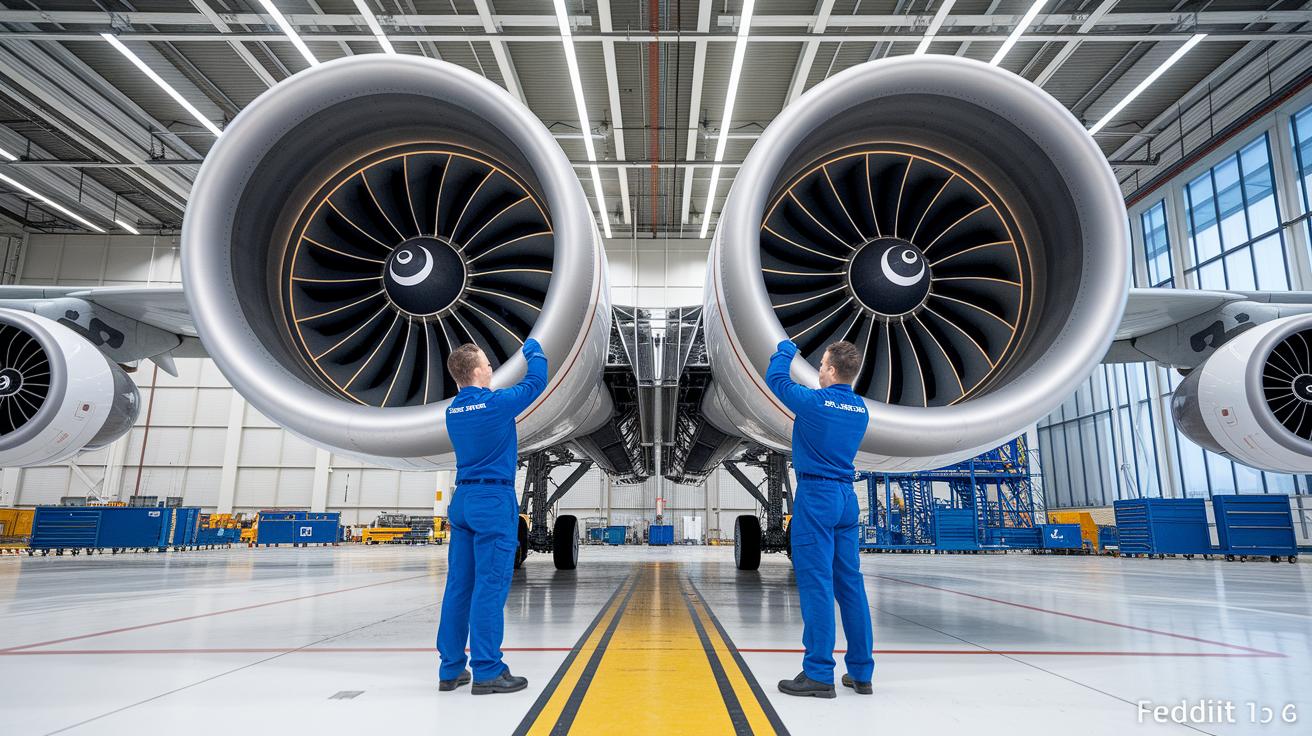
Airlines spend big dollars on both planned checkups and surprise fixes. For instance, a heavy check, often called a D-check, can easily cost more than $1 million each time. Routine inspections, unexpected repairs, and engine overhauls all keep airplanes safe and ready to fly. These maintenance tasks, both planned and reactive, show why airlines need solid strategies that balance cost with keeping flights on track.
Airlines also wrestle with a big choice: build their own repair teams or hire third-party MRO providers (MRO means maintenance, repair, and overhaul). Doing repairs in-house gives more control and a quick response, but it usually comes with high fixed costs and a lot of resource commitments. On the other hand, third-party services offer more flexible pricing and specialized skills, which can help manage different repair needs without heavy upfront spending.
Depreciation modeling plays a key role in how airlines plan their finances. Typically, the cost of an aircraft is spread out over 20 to 25 years. This method affects both CAPEX (capital expenditures) and OPEX (operating expenses) and gives airlines a clearer picture of their long-term financial commitments. It also supports smarter decisions on future investments.
Airport Fees and Route Expense Evaluation
Airport fees are a big factor when airlines plan their routes. They include charges for landing, parking, gate use, and terminal services. Big, busy airports tend to have higher fees since they offer more advanced facilities and face greater demand. In contrast, smaller airports may charge less to attract more flights. Airlines must carefully consider these differences. For example, if one airport consistently charges higher fees for gate use, an airline might try to negotiate lower rates or adjust its schedule.
Airlines also collect detailed expense data for each route. They look at costs for every flight and compare these against measures like Available Seat Mile (ASM) , which shows how many seats are available for each mile flown. By using data analytics in their data-driven airline route planning, carriers can spot high-cost routes that cut into profits. They add up all the fees and compare them across different airports. This helps airlines decide whether to negotiate better fees or even change their flight paths to keep costs low.
Fleet Management Study: Ownership, Leasing, and Renewal Costs

Leasing shifts big spending into regular bills. It saves airlines from paying huge amounts up front but often comes with higher rates later. Owning a plane means you commit long-term, usually spreading the cost over about 20 years. When you own, you cover upkeep and repairs, but you also gain more control and might see the plane's value go up over time.
Renewal timing is key for planning expenses. Narrowbody planes usually get replaced every 15 to 20 years. Leaders must weigh the benefits of newer planes against the rising costs of older ones. Updating the fleet on time can lower maintenance bills and help avoid major repairs or drops in efficiency. Smart spending planning makes the switch smoother when it’s time to replace older jets.
Comparing fleet age with maintenance costs offers clear insights. Data shows that older fleets can cost up to 25% more in upkeep than newer ones. By studying these trends, airlines can decide where to invest in fleet updates. This careful approach helps keep operating costs low and meets long-term financial goals.
airline cost structure analysis: bright cost insights
Airlines manage two main types of costs: fixed and variable. Fixed costs include expenses like aircraft leases and base salaries. These do not change with the number of passengers. Variable costs, such as fuel and catering, go up when more people fly. For example, an airline pays the same lease fee no matter how full the flight is, but fuel costs change with usage. This split helps airlines find ways to work more efficiently.
Key financial numbers for airlines are Cost per Available Seat Mile (CASM) and Cost per Available Seat Mile excluding fuel (CASK ex‑fuel). CASM shows the total cost to operate one seat for one mile, while CASK ex‑fuel leaves out fuel costs to highlight other operating expenses. By understanding these figures, airlines can better judge their spending and adjust ticket pricing to improve profits.
Measuring the cost per seat-mile is crucial for setting fares. Tracking this number helps airlines see how efficiently each seat is filled. For instance, if a route shows a high cost per seat-mile, airlines might offer promotions or tweak schedules to boost load factors.
These performance measures directly influence daily decisions. When airlines combine CASM, CASK ex‑fuel, and seat-mile data, they can make smarter moves on staffing, fuel buying, and route planning. This hands-on approach leads to smarter pricing and strategic plans, keeping carriers competitive in a challenging market.
Cost Optimization Methodologies and Industry Benchmark Analysis

Airlines are actively cutting costs using several smart strategies. Many carriers now use hedging, which means they lock in fuel prices to avoid sudden spikes. Some even outsource ground handling to specialist teams to lower labor expenses. Digital tools, like AI-driven maintenance forecasts (tools that predict costly repairs before they happen), help spot issues early. One airline, for instance, changed its crew scheduling approach with lean practices and saw fewer delays and less overtime.
A look at low-cost versus traditional airlines shows a clear cost gap. Low-cost carriers often spend 20–40% less per seat mile. Their strict cost discipline and flexible scheduling help them adjust routes and staffing on the fly. Using zero-base budgeting (reviewing every expense from scratch) makes a real difference on these routes. This analysis pushes traditional airlines to get more flexible and data-driven in planning budgets and running daily operations to stay competitive.
Experts recommend regular reviews of all cost areas, from fuel to ground handling. They say dynamic scheduling and zero-base budgeting are key to finding savings without cutting quality. Plus, digital tools help track expenses more precisely and speed up decisions. These steps not only boost cost efficiency but also align day-to-day operations with financial goals.
Final Words
In the action, this post broke down airline cost structure analysis essentials, from fuel price breakdown and hedging strategies to labor expenses and aircraft maintenance. It also looked into airport fees, route evaluation, fleet management, and operational cost drivers. Each section offered clear insights into managing daily adjustments and benchmarking best practices. The analysis helps pinpoint where costs can shift and highlights the impact of dynamic factors. This practical review leaves you with actionable points to guide smarter, less stressful travel decisions. Enjoy steering through your travel plans confidently.
FAQ
Airline cost structure analysis pdf
The airline cost structure analysis PDF details major expenses like fuel, labor, and maintenance. It explains how airlines manage spending and helps compare cost management practices.
International airline cost structure analysis
An international airline cost structure analysis examines cost differences across regions. It reviews factors such as local fuel pricing, labor expenses, and airport fees to highlight global expense trends.
Airline cost structure PDF
The airline cost structure PDF provides a clear breakdown of operating expenses and efficiency metrics. It helps readers understand how airlines allocate spending between fuel, labor, and other costs.
Airline operating costs breakdown
The airline operating costs breakdown explains how key expenses are split into fixed and variable categories like fuel, labor, and maintenance, offering insights into airline budgeting and performance.
Airline direct operating costs
The airline direct operating costs refer to expenses directly tied to flight operations, including fuel, crew wages, and maintenance. These figures are vital for budgeting and operational planning.
Airline operating costs and productivity
The airline operating costs and productivity connection shows how managing expenses like fuel and labor improves performance. Cost control metrics, such as cost per seat-mile, help airlines set competitive fares.
IATA airline cost management Group
The IATA Airline Cost Management Group standardizes cost practices and benchmarks across carriers. This group provides tools and guidelines to help airlines monitor and reduce their operating expenses.
Aircraft operating costs spreadsheet
An aircraft operating costs spreadsheet is a tool that itemizes expenses such as fuel, labor, and maintenance. It supports detailed financial analysis and aids in tracking airline performance.
What is the airline cost structure?
The airline cost structure represents how carriers split expenses among fuel, labor, maintenance, and other overhead items. This breakdown influences ticket pricing and overall service quality.
How do you analyze cost structure?
Analyzing cost structure involves breaking down fixed and variable costs, reviewing categories like fuel, labor, and maintenance, and linking these expenses to operational metrics such as seat-mile analysis.
What are the top 3 costs for airlines?
The top three costs for airlines are fuel, labor, and maintenance. These expenses make up a significant part of operating costs and heavily influence pricing and profitability.
What is the difference between Rask and Cask?
RASK measures revenue earned per available seat kilometer, while CASK calculates cost incurred per available seat kilometer. Both metrics are used to assess airline profitability and efficiency.